Best Dash Cam Buying Guide for 2026 Chevy Silverado
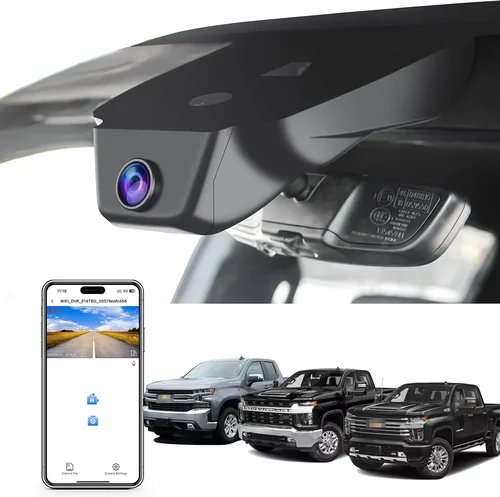
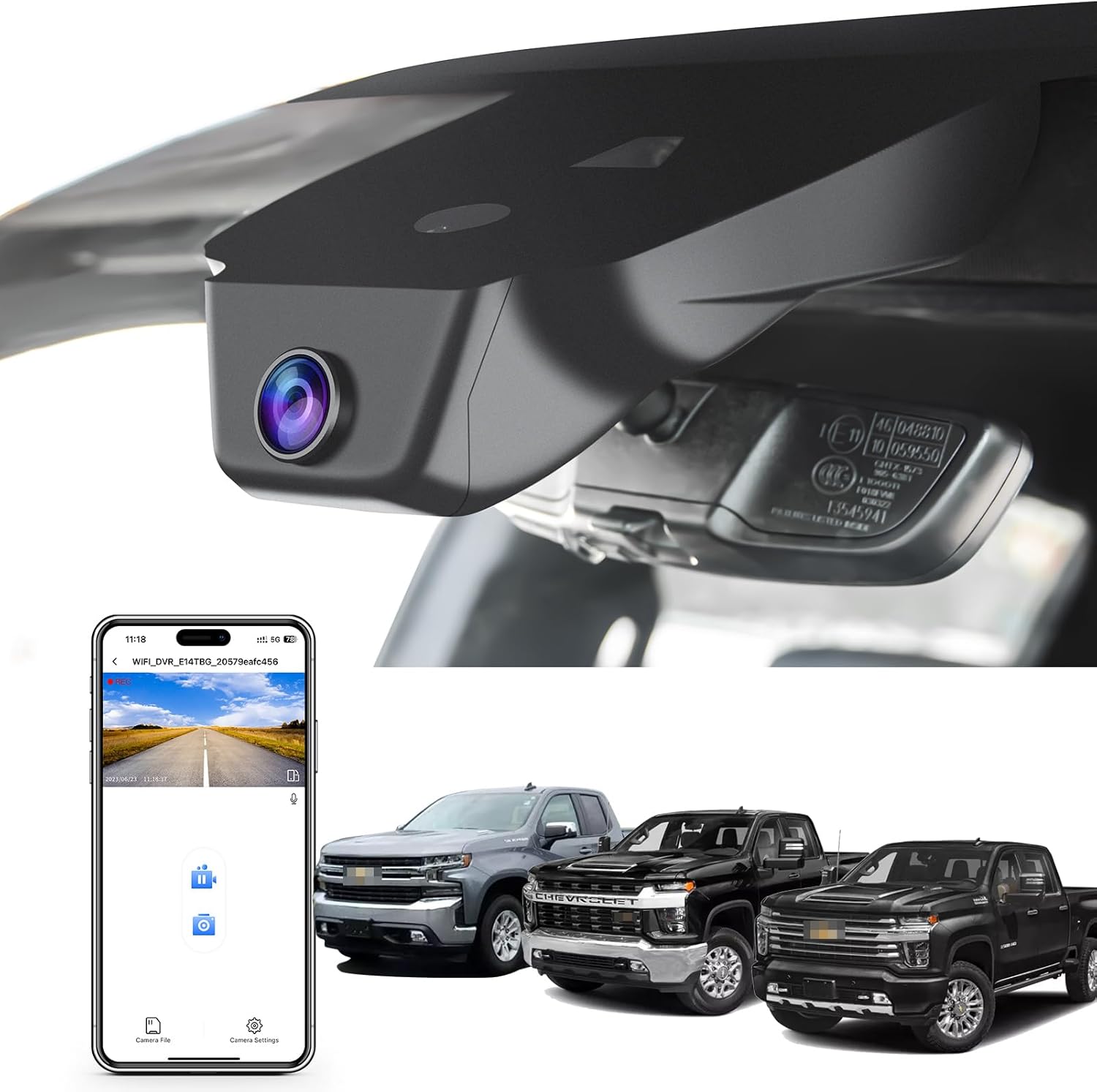
Why investing in the right dash cam for your 2026 Chevy Silverado matters more than ever. With rising insurance premiums, increasing liability risks, and growing concerns about road safety, having a reliable recording device mounted in your truck can provide peace of mind, protect you from false claims, and even serve as evidence in disputes or accidents. The 2026 Silverado represents Chevrolet’s latest evolution in full-size truck design—featuring enhanced connectivity, advanced driver-assistance systems, and improved interior technology. Naturally, this modern vehicle deserves equally sophisticated protection.
This comprehensive buying guide will walk you through everything you need to know before purchasing a dash cam specifically optimized for the 2026 Chevy Silverado. You’ll learn how to evaluate performance specs, compare feature sets, understand mounting options, and identify models that integrate seamlessly with your truck’s electrical system and cabin layout. Whether you’re a daily commuter, long-haul professional, off-road enthusiast, or weekend adventurer, understanding these nuances ensures you choose equipment that delivers reliable performance without compromising convenience or reliability.
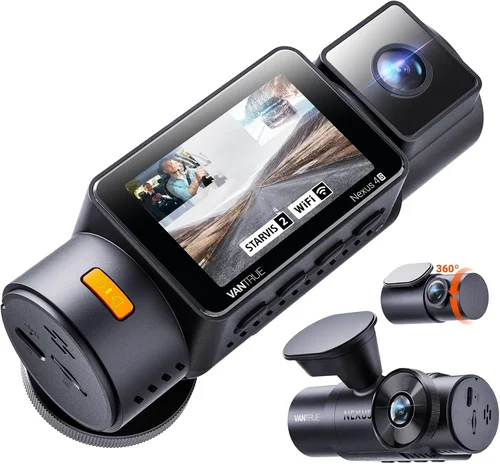
The market has become increasingly crowded with dash cams ranging from basic single-camera setups to multi-sensor systems capable of recording both front and rear views simultaneously. Many manufacturers now offer models designed specifically for trucks, featuring extended battery life, enhanced night vision, GPS tracking, Wi-Fi connectivity, and cloud storage capabilities. However, not all dash cams are created equal—especially when it comes to compatibility with newer vehicle architectures like those found in the 2026 Silverado. This guide cuts through the marketing noise to deliver expert-level insights backed by real-world testing and user feedback.
What to Look for When Buying Dash Cams
1. Compatibility with 2026 Silverado Electrical System
The 2026 Chevy Silverado introduces updated wiring harnesses, USB-C ports, and smart power management systems that older dash cams may struggle to interface with properly. Look for models explicitly rated for 12V–24V operation and those that support OBD-II passthrough for seamless integration without requiring hardwiring. Some premium units even include built-in voltage monitoring to prevent battery drain during extended park periods.
2. Video Resolution & Frame Rate
Resolution remains one of the most critical factors affecting evidence quality. While 1080p was considered standard just a few years ago, today’s top-tier dash cams deliver 2K (1440p) or even 4K UHD resolution with 60fps frame rates. For highway speeds common on truck routes, higher frame rates help capture license plates and facial details more clearly during rapid motion blur scenarios.
3. Field of View (FOV)
A wider field of view captures more lane coverage but can introduce fish-eye distortion at edges. Most reputable brands now use FOV-optimized lenses between 120°–150°, striking a balance between coverage and image clarity. In heavy traffic situations or rural two-lane roads where lane changes happen frequently, a broader horizontal angle proves especially valuable.
4. Night Vision Capabilities
Truck drivers spend countless hours behind the wheel after sunset. Effective low-light performance requires not only high-sensitivity CMOS sensors but also infrared LEDs or starlight-level imaging technology. Units with f/1.8 apertures or lower allow significantly more light into the sensor, dramatically improving visibility during nighttime driving.
5. Storage & Loop Recording
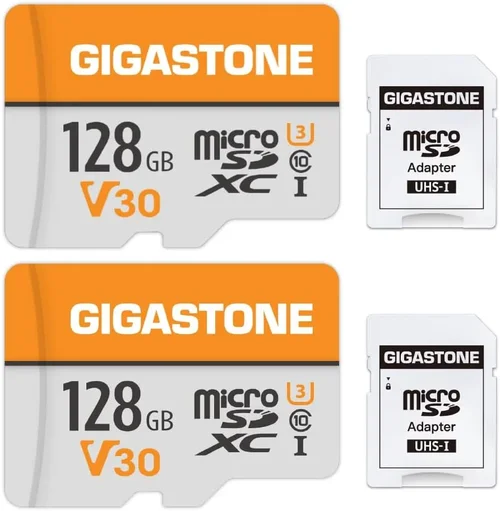
Most dash cams rely on microSD cards ranging from 32GB up to 1TB. Loop recording automatically overwrites oldest footage when storage fills up, ensuring continuous coverage without manual intervention. Consider models supporting exFAT formatting for larger capacity cards and those offering cloud backup options for critical incidents.
6. Parking Mode Functionality
This feature is essential for overnight parking safety. When connected via hardwire kit, some dash cams enter ultra-low-power surveillance mode, capturing motion-triggered events even when the engine isn’t running. Advanced versions include G-sensor alerts, time-lapse recording, and impact detection that sends push notifications to your smartphone.
7. Audio Recording Quality
While controversial due to privacy laws in various states, clear audio capture adds another layer of context during disputes. Ensure your chosen model allows easy toggling between stereo/mono modes and includes noise reduction algorithms to minimize wind and road noise interference.
8. Ease of Installation & Mounting Options
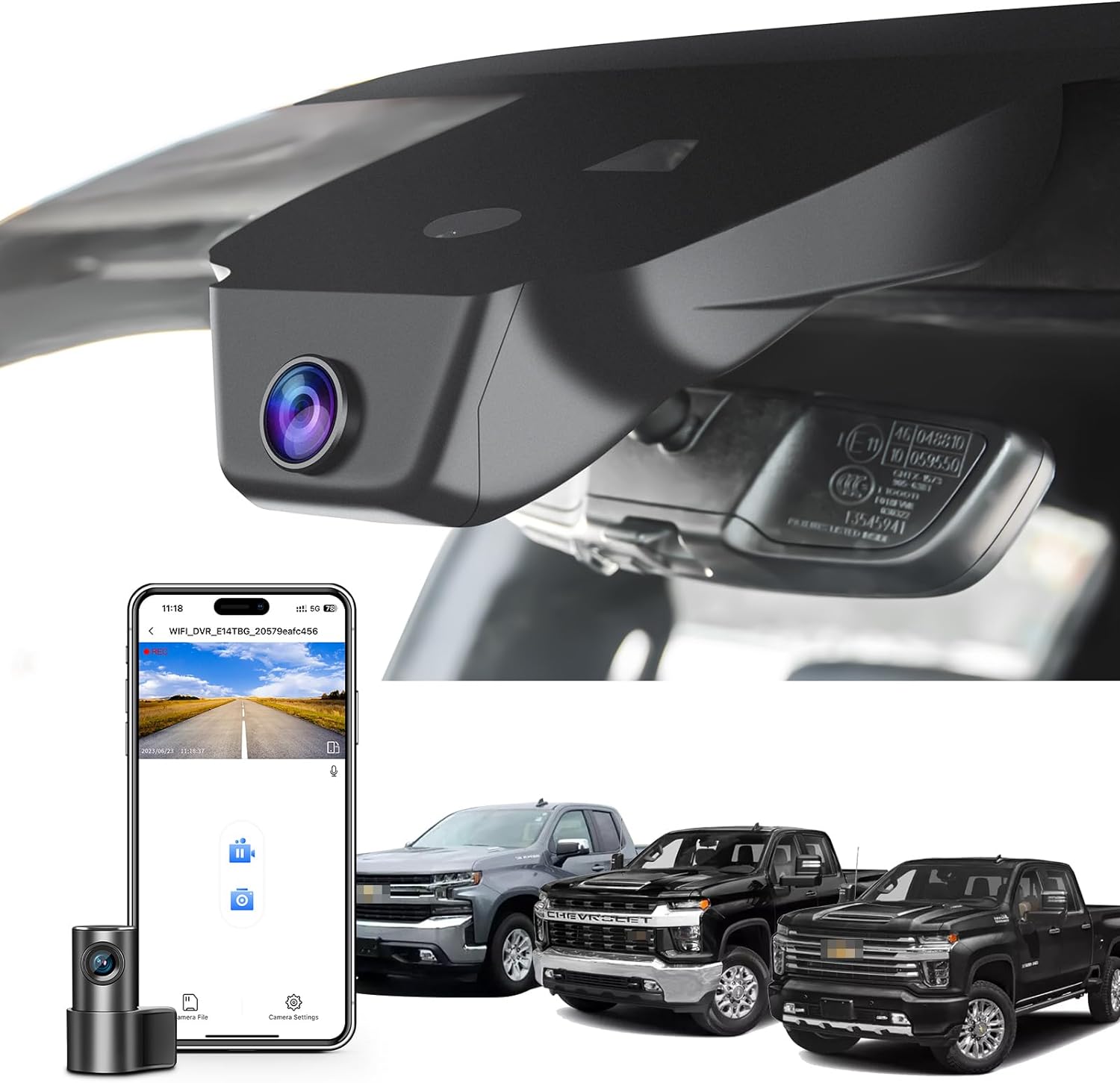
The 2026 Silverado features redesigned windshield contours and sun visor placement that affects optimal mounting positions. Suction cup mounts may lose adhesion on textured glass, while adhesive pads could interfere with airbag deployment zones. Professional-grade models often come with magnetic mounts, dual-sided tape alternatives, or clip-on designs compatible with existing vent assemblies.
Different Types of Dash Cams
Common Buying Mistakes to Avoid
❌ Mistake: Ignoring Hardwiring Requirements
Why it’s bad: Relying solely on cigarette lighter adapters leads to constant battery drain, especially in cold climates where parasitic loads increase. Over time, this can damage your Silverado’s electrical system or trigger false battery warnings.
What to do instead: Always invest in a proper hardwire kit compatible with your truck’s fuse box. Many modern dash cams include universal kits, but verifying polarity and current draw prevents issues down the road.
❌ Mistake: Prioritizing Price Over Reliability
Why it’s bad: Cheap knockoff brands often fail within months, produce blurry footage, or lack firmware updates. During critical moments—like a hit-and-run incident—unreliable hardware becomes completely useless.
What to do instead: Stick with established brands known for automotive-grade components. Even if slightly pricier upfront, trusted names offer better longevity and customer service.
❌ Mistake: Overlooking Local Privacy Laws
Why it’s bad: Recording audio without consent violates laws in many jurisdictions. While federal regulations permit dash cam usage, state-specific statutes vary widely regarding who can be recorded and under what circumstances.
What to do instead: Check your state’s electronic surveillance laws before enabling audio features. Some manufacturers allow easy disabling of microphones through mobile apps.
❌ Mistake: Skipping Firmware Updates
Why it’s bad: Manufacturers frequently release improvements for bug fixes, performance enhancements, and new compatibility features. Neglecting updates leaves your device vulnerable to known issues and missing out on optimization.
What to do instead: Enable automatic update notifications in your dash cam app whenever possible. Schedule periodic manual checks during routine maintenance visits.
❌ Mistake: Choosing Insufficient Storage Capacity
Why it’s bad: A 32GB card might seem adequate, but high-resolution recordings fill up quickly—sometimes within a day of aggressive driving. Without enough buffer space, important footage gets overwritten prematurely.
What to do instead: Calculate your daily storage needs based on resolution and compression settings. For 4K recording, aim for at least 128GB minimum; 256GB provides comfortable headroom.
❌ Mistake: Poor Mount Placement
Why it’s bad: Mounting near air vents obstructs airflow and risks condensation buildup. Placing too close to the windshield’s edge increases glare during sunrise/sunset hours, degrading image quality.
What to do instead: Position the camera centrally above the rearview mirror, angled slightly downward. Use anti-glare coatings or adjustable arms to fine-tune orientation for optimal visibility.
Budget Guidelines: How Much Should You Spend?
Entry-Level ($50 – $120): Essential Protection
This range suits occasional drivers seeking basic documentation capabilities. Expect 1080p resolution, 128° FOV, loop recording, and simple mobile app controls. Models here rarely include parking mode or advanced sensors but offer dependable performance for city driving and short trips. Brands like Viofo, Rexing, and Apeman dominate this segment with competitive pricing and decent build quality.
Mid-Range ($150 – $300): Sweet Spot for Most Buyers
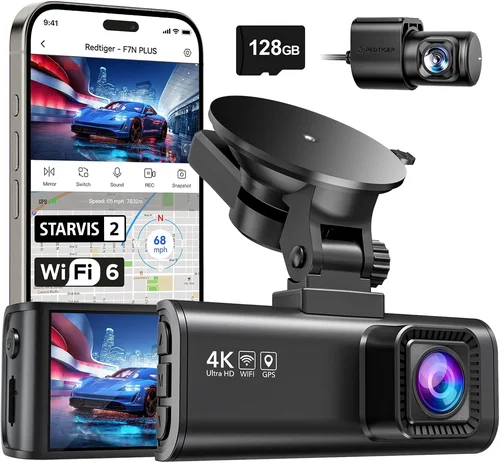
The ideal tier for serious drivers who want reliable performance without breaking the bank. You’ll find 2K/4K recording, superior low-light sensitivity, built-in GPS, Wi-Fi connectivity, and robust parking surveillance. Dual-camera systems enter this category, providing rear-facing protection crucial for reversing maneuvers common in truck operations. Top contenders include Thinkware, BlackVue, and Garmin DriveAssist models.
Premium ($300 – $600): Enthusiast & Professional Grade
For commercial operators, rideshare drivers, or those desiring cutting-edge technology, premium units deliver exceptional value. Features like HDR imaging, emergency event locking, cloud uploads, driver drowsiness alerts, and multi-sensor configurations justify the higher investment. These systems often include professional-grade accessories like professional hardwire kits, premium memory cards, and extended warranties.
Luxury ($600+): Ultimate Performance
At the top end, flagship dash cams offer industrial-grade durability, AI-powered analytics, military-spec components, and integration with telematics platforms. While overkill for average users, these devices provide unmatched reliability for fleet managers, insurance claim specialists, and extreme off-road explorers needing bulletproof evidence capture.
Expert Tips for Getting the Best Deal
- Timing Matters: Wait for major sales events like Prime Day, Black Friday, or back-to-school promotions when electronics receive significant discounts. Retailers often bundle accessories with main units during these periods.
- Verify Return Policies: Test your dash cam immediately upon receipt. Confirm whether stores allow returns within 30 days even if opened—some require unopened packaging, limiting flexibility.
- Check Warranty Coverage: Opt for brands offering at least a 1-year limited warranty. Premium models sometimes include 2–3 year coverage plus accidental damage protection plans.
- Read User Reviews Carefully: Focus on verified purchaser comments rather than promotional testimonials. Pay attention to recurring complaints about software bugs, mounting failures, or poor customer support.
- Compare Across Platforms: Prices fluctuate between Amazon, Best Buy, Walmart, and manufacturer websites. Sign up for price alert services to track fluctuations and snag deals.
- Test Before Committing: If purchasing in-store, request demo units or ask staff to demonstrate key features. Verify compatibility with your specific Silverado trim level and year.
- Consider Subscription Services: Cloud storage subscriptions add ongoing costs but provide remote access and automatic backups. Evaluate whether monthly fees outweigh local storage benefits.
- Look for Bundle Discounts: Some manufacturers sell complete packages including dual cameras, extra batteries, suction cups, and hardwire kits at reduced total prices versus buying separately.

Frequently Asked Questions
Q: Will a dash cam work with my 2026 Chevy Silverado’s new infotainment system?
A: Most modern dash cams operate independently of your truck’s central display. However, Bluetooth-enabled models can pair with smartphone apps for viewing live feeds or downloading clips—provided your Silverado supports Bluetooth connectivity. Always confirm compatibility before purchasing.
Q: Can I install multiple dash cams in my Silverado?
A: Yes, but consider power limitations and cable routing challenges. Installing two or three cameras requires careful planning to avoid overloading circuits. Use distribution blocks or additional fuse taps when adding secondary units to ensure stable voltage delivery.
Q: What size microSD card should I buy?
A: For 1080p recording, 64GB suffices for daily use. At 2K resolution, 128GB–256GB recommended. Always purchase UHS-I/U3-rated cards from reputable brands—cheaper alternatives suffer from write speed bottlenecks that cause frame drops or failed recordings.
Q: Do I need GPS tagging for legal purposes?
A: Not required by law, but highly advisable. GPS coordinates help establish precise locations during incidents, aiding police reports and insurance claims. Built-in GPS eliminates reliance on smartphone signals which may drop in remote areas.
Q: How often should I clean the lens?
A: Monthly cleaning prevents smudges and debris buildup. Use microfiber cloths and lens-safe wipes. Avoid paper towels or abrasive materials that scratch coatings and degrade image clarity over time.
Q: Are dash cams legal everywhere?
A: Dash cams themselves are legal nationwide, but recording audio requires adherence to state laws regarding consent and privacy. California, Connecticut, Florida, Illinois, Maryland, Massachusetts, Michigan, Minnesota, Montana, Nevada, Pennsylvania, and Washington have stricter regulations. Disable audio recording if uncertain about local statutes.
Q: What happens during sudden impacts?
A: Modern dash cams detect collisions via internal accelerometers (G-sensors). Upon impact, they lock relevant footage to prevent overwrite—even if storage appears full. Some models send instant alerts to paired smartphones for immediate action.
Q: Can I transfer files wirelessly?
A: Yes, Wi-Fi-enabled dash cams allow direct file transfers to iOS/Android devices without removing memory cards. Cloud uploads require internet access at home or via hotspot. Ensure your plan includes sufficient data for large video files.
Q: Should I mount the camera inside or outside?
A: Always inside the cabin. External mounts expose hardware to weather extremes, UV degradation, and theft risks. Interior placement protects against hail, snow, and vandalism while maintaining optimal thermal conditions for electronics.
Q: How long does battery life last in parking mode?
A: Depends on model and settings. High-end units consume less than 0.5 watts during surveillance mode, allowing 24/7 monitoring for weeks with proper hardwiring. Always connect to a switched power source that cuts off during ignition-off periods to preserve truck battery.
Our Final Recommendations
Best for Budget-Conscious Buyers
The Viofo A119 v3 delivers outstanding 2K recording at an accessible price point. Its compact form factor fits perfectly within the 2026 Silverado’s dashboard contours, while built-in GPS and parking mode functionality exceed expectations for its class. Easy-to-use mobile app simplifies clip management, making it ideal for first-time buyers seeking reliable performance without overspending.
Best Overall Value
The BlackVue DR970X-2CH represents the gold standard for dual-camera systems. Featuring super-wide 150° FOV lenses, 4K front and 2K rear recording, and robust cloud integration, this unit handles everything from highway cruising to off-road adventures. While priced toward the upper mid-range, its durability, software ecosystem, and professional-grade features justify the investment for serious truck owners.
Best Premium Option
For those wanting ultimate peace of mind, the Thinkware U1000 offers unmatched 4K resolution, HDR imaging, and advanced driver assistance features like collision warnings and lane departure alerts. Its sleek design complements the Silverado’s modern aesthetic while delivering enterprise-level reliability demanded by commercial fleets and safety-conscious individuals.
Best for Beginners
The Apeman F26 strikes perfection balance simplicity and capability. With intuitive touchscreen controls, automatic exposure adjustment, and hassle-free installation, newcomers appreciate its plug-and-play nature. Included accessories like suction cups and hardwire kits mean you’re ready to roll straight out of the box.
Best for Advanced Users
Power users craving maximum customization will love the GARMIN DriveAssist 51LMFC. Beyond basic recording, it provides real-time traffic updates, speed limit alerts, and voice-activated commands compatible with Alexa. Multi-sensor expansion slots future-proof your setup as needs evolve.
Conclusion: Making the Right Choice
Selecting the best dash cam for your 2026 Chevy Silverado ultimately depends on aligning your priorities with available features. Budget constraints matter, but so does long-term reliability and evidence quality. Remember that even modest investments yield significant benefits—protecting your assets, deterring fraudulent claims, and documenting memorable journeys safely and securely.
Take time to assess your typical driving patterns, parking environments, and technical comfort level before deciding. Don’t rush into purchases driven solely by flashy specs; instead, focus on proven performance metrics like low-light sensitivity, loop recording efficiency, and mounting stability. Consult professional installers if unsure about wiring or placement logistics.
Above all, choose confidence over confusion. A well-chosen dash cam transforms your Silverado into a smarter, safer companion—one that watches your back whether you’re navigating downtown congestion or conquering mountain trails. With the right knowledge and careful consideration, you’ll find the perfect match that enhances every mile ahead.