Best Dash Cam for 18-Wheelers Buyer’s Guide
For professional truck drivers and fleet managers, a reliable dash cam isn’t just a convenience—it’s a critical safety tool and legal protection system. In the world of 18-wheelers, where accidents can result in catastrophic consequences, having clear video evidence can mean the difference between fair compensation and financial ruin. This comprehensive guide will walk you through everything you need to know about selecting the best dash cam for your semi-truck, from understanding technical specifications to evaluating real-world performance.
You’ll learn how to balance essential features like night vision and parking surveillance against practical considerations such as mounting options and power management. We’ll explore the unique challenges of trucking environments—from extreme temperatures and vibrations to limited electrical resources—and show you how to find a dash cam that meets these demanding conditions. Whether you’re looking for basic incident recording or advanced AI-powered collision detection, this guide will help you make an informed decision that protects both your vehicle and your livelihood.
The market offers dozens of dash cam options, but not all are created equal when it comes to heavy-duty applications. Many consumer-grade models lack the rugged construction, extended battery life, and specialized mounting systems needed for commercial use. By the end of this article, you’ll understand exactly what features matter most for truckers, how different price points affect performance, and which models have proven themselves reliable under the grueling conditions of long-haul transportation.

What to Look for When Buying Dash Cams
1. Budget & Price Range
Your budget should align with your specific needs and usage patterns. Entry-level options start around $50-$75, offering basic recording capabilities suitable for occasional monitoring. Mid-range models ($100-$200) provide better build quality, enhanced features, and improved reliability for regular use. Premium options ($200-$400+) deliver professional-grade components, advanced functionality, and superior durability for serious truckers. Consider your annual mileage, insurance requirements, and the potential cost savings from preventing incidents when determining your spending limit.
2. Performance Specifications
Resolution matters more than you might think—1080p is the minimum for clear detail, while 4K provides exceptional clarity for identifying license plates and road signs. Frame rates should be at least 30fps for smooth motion capture during high-speed highway travel. Look for wide dynamic range (WDR) technology to handle challenging lighting conditions like tunnels, bridges, and nighttime driving. The field of view should be between 120-150 degrees to capture both lane positioning and surrounding traffic without excessive distortion.
3. Build Quality & Durability
Truck environments subject dash cams to extreme conditions—temperature fluctuations from -4°F to 140°F, constant vibration, dust exposure, and potential impacts from road debris. Look for military-grade shock resistance (MIL-STD-810G), IP65 or higher water/dust resistance ratings, and reinforced casing materials. The lens should be scratch-resistant with anti-reflective coating to maintain clarity over time. Internal components must withstand prolonged operation without overheating, especially when parked with battery backup engaged.
4. Features & Functionality
Essential features include loop recording, G-sensor crash detection, emergency locking, and parking mode with motion/impact detection. GPS tracking provides valuable data for route analysis and incident reconstruction. Wi-Fi connectivity allows easy file transfer and live viewing on smartphones. Advanced models offer driver assistance features like forward collision warning, lane departure alerts, and blind spot monitoring. Consider whether you need cloud storage integration, voice commands, or compatibility with third-party fleet management systems.
5. Brand Reputation
Established brands with proven track records in commercial vehicle equipment tend to deliver more reliable products. Research customer service response times, warranty coverage terms, and availability of replacement parts. Brands specializing in fleet solutions often have dedicated support teams familiar with trucking regulations and operational requirements. Check independent testing results and industry certifications rather than relying solely on marketing claims or celebrity endorsements.
6. Warranty & Support
A minimum one-year warranty is standard, but commercial-grade dash cams may offer three to five years coverage. Look for comprehensive protection that includes both parts and labor, regardless of failure cause. Verify whether the warranty covers accidental damage common in truck operations. Responsive customer support is crucial—check average response times and availability of multiple contact channels. Some manufacturers offer extended warranty programs specifically designed for fleet operators.
7. Size & Portability
While smaller cams save space, larger sensors typically provide better image quality and wider fields of view. For trucks, consider the mounting location and obstruction issues—some drivers prefer discreet designs while others prioritize maximum visibility. Compact units are easier to reposition if you switch vehicles frequently. However, oversized models may interfere with mirror placement or create wind noise issues. Balance size considerations against your specific installation requirements and vehicle configuration.
8. User Reviews & Ratings
Genuine user experiences reveal real-world performance beyond technical specifications. Focus on verified purchase reviews from other truck drivers, paying attention to consistency across multiple reviews. Watch for patterns in complaints about battery life, mounting stability, or software issues. Professional fleet managers’ opinions carry particular weight since they evaluate equipment under demanding commercial conditions. Be wary of overly positive reviews that seem generic or suspiciously perfect—authentic feedback often includes balanced pros and cons.
Different Types of Dash Cams

Common Buying Mistakes to Avoid
❌ Mistake: Ignoring Temperature Requirements
Why it’s bad: Consumer-grade dash cams designed for cars often fail completely in truck conditions. Extreme cold can cause batteries to drain rapidly, while heat buildup leads to premature component failure. Without proper temperature specifications, your investment becomes worthless during winter months or in hot climates.
What to do instead: Always verify operating temperature ranges (ideally -4°F to 140°F) and look for military-grade shock/vibration resistance. Choose models specifically marketed for commercial or heavy-duty use rather than general consumer applications.
❌ Mistake: Overlooking Power Management
Why it’s bad: Truck electrical systems operate differently than passenger vehicles. Many dash cams draw excessive current or require complex wiring setups that aren’t practical for long-haul drivers. Poor power management leads to battery drain, fuse failures, or interference with other vehicle electronics.
What to do instead: Select models with low power consumption (< 3W continuous) and compatible voltage regulation. Look for hardwiring kits designed for commercial vehicles and ensure adequate fuse protection. Consider battery backup systems with sufficient capacity for overnight parking surveillance.
❌ Mistake: Choosing Based Solely on Resolution
Why it’s bad: While high resolution seems appealing, it doesn’t guarantee usable footage. Excessive megapixels can reduce frame rates, increase storage demands, and actually decrease overall video quality due to compression artifacts. Some premium resolutions lack proper stabilization or dynamic range optimization.
What to do instead: Prioritize balanced specs: 1080p at 30fps with good WDR is often superior to 4K with poor stabilization. Evaluate real footage samples showing license plate clarity, color accuracy, and motion handling before making decisions based purely on pixel counts.
❌ Mistake: Neglecting Mounting Stability
Why it’s bad: Vibration from rough roads constantly stresses mounting hardware. Loose mounts lead to camera misalignment, dropped footage, or even dashboard damage. Generic suction cups or flimsy clips simply don’t hold up under truck conditions where vibrations exceed those in passenger cars by 3-5 times.
What to do instead: Invest in robust mounting solutions designed for heavy vehicles—magnetic bases with weighted bases, industrial-strength adhesive mounts, or custom bracket systems. Test mount stability by simulating typical road vibrations before final installation.
❌ Mistake: Underestimating Storage Needs
Why it’s bad: Long-haul trips generate massive amounts of high-quality video data. Insufficient storage forces aggressive overwrite cycles, potentially losing critical incident footage. MicroSD cards degrade faster in extreme temperatures and constant write cycles common in fleet operations.
What to do instead: Calculate required storage based on your typical trip duration and desired retention period. Use industrial-grade microSD cards rated for extended write cycles and temperature extremes. Consider dual-card slots with automatic backup to prevent single-point failures.
❌ Mistake: Disregarding Legal Compliance
Why it’s bad: Recording audio without consent violates wiretapping laws in many states. Using non-compliant equipment can invalidate insurance claims or create legal complications during disputes. Some jurisdictions have specific requirements for commercial vehicle recording devices.
What to do instead: Choose dash cams with explicit audio muting capabilities and verify local regulations regarding electronic recording in commercial vehicles. Ensure your chosen model meets FMCSA guidelines if applicable to your operation.
❌ Mistake: Skipping Real-World Testing
Why it’s bad: Manufacturer specifications don’t always reflect actual performance. Features like “night vision” or “parking mode” may produce unusable footage in practice. Without hands-on testing, you risk purchasing equipment that fails exactly when you need it most.
What to do instead: Borrow or rent equipment for short test drives covering various conditions (day/night, urban/highway, sunny/shaded). Verify critical functions like emergency locking, GPS accuracy, and file recovery after simulated incidents before committing to purchases.
Budget Guidelines: How Much Should You Spend?
The appropriate budget depends entirely on your specific needs and operational requirements. Here’s a detailed breakdown to help you determine the right investment level:
Entry-Level ($50 – $100)
This category suits occasional drivers or those needing basic incident documentation without significant financial commitment. Expect 1080p recording, basic G-sensor functionality, and simple loop recording. These models typically lack advanced features like GPS tracking or parking surveillance. While affordable upfront, entry-level units often compromise on build quality and reliability under demanding conditions. Ideal for drivers who primarily want basic peace of mind without extensive feature sets.
Key considerations for this tier:
• Limited temperature tolerance (-10°F to 120°F)
• Basic plastic construction vulnerable to vibration damage
• Single microSD card slot with lower endurance ratings
• Minimal customer support and shorter warranties
Mid-Range ($100 – $200)
The sweet spot for most professional truckers offering excellent value for money. These models deliver 1080p or 2K resolution with improved dynamic range, reliable GPS tracking, and effective parking mode functionality. Build quality improves significantly with metal housings, better lens coatings, and enhanced vibration resistance. Most include dual-channel recording capabilities and robust mounting systems designed for commercial use.
Recommended features at this price point:
• Military-grade shock and vibration resistance
• Extended temperature ranges (-4°F to 140°F)
• Dual microSD card slots with automatic backup
• 3-year warranty minimum
• Professional mounting hardware included
Premium ($200 – $400)
Designed for serious professionals requiring maximum reliability and advanced functionality. Premium models offer 4K recording, sophisticated driver assistance systems, cloud connectivity, and superior build quality with aerospace-grade materials. These units typically include multi-camera setups, AI-powered analytics, and comprehensive fleet management integrations. Exceptional low-light performance and extreme weather durability make them ideal for harsh operating environments.
Advanced capabilities found in premium tiers:
• 4K recording with HDR and advanced noise reduction
• Integrated collision avoidance systems
• Real-time telematics data transmission
• Customizable alert thresholds and reporting
• Enterprise-grade security and encryption
Luxury ($400+)
Top-tier equipment reserved for high-end fleet operations or specialized applications requiring absolute performance. Luxury dash cams feature cutting-edge technology including thermal imaging, predictive analytics, and complete integration with existing fleet management ecosystems. These represent the ultimate investment in safety, compliance, and operational efficiency for serious commercial operators.
Ultra-premium characteristics:
• Thermal and visible light dual-spectrum recording
• Predictive maintenance alerts based on driving patterns
• Blockchain-secured evidence storage
• Custom AI training for specific operational scenarios
• Dedicated support teams and on-site service options
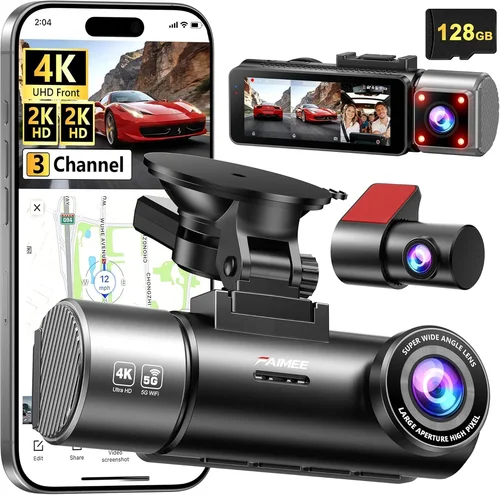
Expert Tips for Getting the Best Deal
1. Timing Your Purchase Strategically
Avoid peak seasons like summer vacation periods or holiday rushes when demand spikes drive prices up. Black Friday and Cyber Monday offer substantial discounts, but also increased competition for stock. End-of-quarter sales often provide better deals as retailers work to meet targets. Consider off-season purchases when new models haven’t yet launched, allowing current-generation pricing reductions.
Seasonal timing advantages:
• January-February: Post-holiday clearance sales
• April-June: Spring inventory refresh opportunities
• September-November: Back-to-school and Black Friday deals
• December: Year-end surplus liquidation
2. Leveraging Online vs In-Store Shopping
Online retailers typically offer broader selection, competitive pricing, and home delivery convenience. Compare prices across major platforms—Amazon, Best Buy, Walmart, and manufacturer direct sites often have different promotions. Local electronics stores provide immediate availability and hands-on testing but usually charge premium prices. Consider buying online for core equipment and visiting stores only for accessories or last-minute purchases.
Online shopping benefits:
• Price comparison tools and automated alerts
• Customer review aggregation and verified buyer insights
• Free shipping thresholds and bundle deals
• Easy returns and manufacturer direct warranties
3. Identifying Authentic Deals
Beware of unrealistic discount percentages that suggest previous pricing was inflated. Compare current prices with historical data using price tracking tools. Genuine deals typically offer 15-30% savings rather than 70%+ markdowns. Watch for bundled packages that include valuable accessories like hardwiring kits or extra memory cards. Read the fine print regarding refurbished versus open-box items.
Red flags indicating questionable deals:
• Prices significantly below market average
• Missing product descriptions or specifications
• Unverified seller ratings below 90%
• Pressure tactics urging immediate purchase
4. Understanding Warranty Implications
Extended warranties rarely provide true value unless you have extensive usage patterns. Most manufacturers already include comprehensive coverage for their products. If purchasing additional warranty, verify what it actually covers—accidental damage, battery replacement, or full unit replacement. Compare deductible amounts and claim processing timeframes before committing.
Warranty evaluation criteria:
• Coverage duration and extension limitations
• Claim approval rates and processing speed
• Geographic restrictions for international use
• Transferability between vehicle owners
5. Maximizing Return Policies
Always verify return windows before purchasing—minimum 30 days is standard, but some retailers offer 90-day guarantees. Check restocking fees and condition requirements for returns. Keep original packaging and all accessories to avoid deductions. Test equipment thoroughly within the return period to ensure satisfaction before committing permanently.
Return policy essentials:
• Clear restocking fee structure
• Condition requirements for resale
• Original packaging and documentation
• Timeframe for initiating returns
6. Conducting Pre-Purchase Testing
Whenever possible, test equipment before finalizing purchases. Visit authorized dealers to examine build quality, button responsiveness, and menu navigation. Request demonstration videos showing actual recording quality in various lighting conditions. Verify mounting stability by simulating road vibrations. Test all advertised features including GPS accuracy, microphone quality, and emergency locking functionality.
Testing protocol recommendations:
• Daytime recording in direct sunlight
• Nighttime footage with headlights and streetlights
• Emergency locking activation and file preservation
• Mount stability under simulated vibration conditions
7. Negotiating Bulk Purchases
Fleet operators should leverage volume discounts through manufacturer direct channels or specialized distributors. Even individual buyers can sometimes negotiate better pricing by bundling multiple purchases or demonstrating serious buying intent. Ask about educational discounts if you’re part of a trucking school or training program. Consider joining industry associations that negotiate group purchasing agreements.
Negotiation strategies:
• Demonstrate repeat business potential
• Highlight brand loyalty and testimonials
• Compare competitor quotes side-by-side
• Emphasize long-term partnership opportunities
8. Exploring Financing Options
Many manufacturers and retailers offer financing plans with 0% APR for qualified buyers. Credit unions often provide better rates than traditional financing through retailers. Leasing options allow updating equipment every 2-3 years without large upfront costs. Carefully compare interest rates, payment schedules, and total cost of ownership before selecting financing methods.
Financing considerations:
• Prepayment penalties and early payoff terms
• Minimum credit score requirements
• Documentation and approval timelines
• Impact on credit utilization ratios

Frequently Asked Questions
Q: Can I use any dash cam in my truck, or do I need special equipment?
A: While technically any dash cam will record video, truck-specific models offer critical advantages for commercial operations. Heavy vehicles experience 3-5 times more vibration than passenger cars, require extended temperature tolerance, and need specialized power management solutions. Consumer-grade units often fail prematurely under these conditions. Look for models explicitly designed for commercial or heavy-duty applications with military-grade shock resistance, extended temperature ranges (-4°F to 140°F), and robust mounting systems capable of withstanding constant vibration.
Q: What resolution should I choose for optimal license plate recognition?
A: For reliable license plate identification, 1080p at 30fps represents the minimum viable specification. However, 2K or 4K resolution provides significantly better clarity for reading plates, especially during high-speed highway travel or in challenging lighting conditions. Crucially, resolution alone doesn’t guarantee quality—look for Wide Dynamic Range (WDR) technology, proper lens coatings, and effective image stabilization. Real-world testing shows that well-tuned 2K cameras often outperform poorly configured 4K units for license plate readability.
Q: How much storage do I actually need for typical trucking operations?
A: Storage requirements depend on several factors: recording resolution, frame rate, compression efficiency, and desired retention period. For most truckers, a 256GB industrial-grade microSD card provides 8-12 hours of 1080p recording or 4-6 hours of 4K footage. Calculate your needs based on average trip duration plus buffer time for incident recording. Consider dual-card setups with automatic backup to prevent single-point failures. Industrial-grade cards rated for 10,000+ write cycles and temperature extremes (-25°C to 85°C) are essential for commercial use.
Q: Do I need GPS tracking, and how does it benefit truckers?
A: GPS tracking offers significant advantages for professional drivers by providing precise location data, speed verification, and route history. This information proves invaluable during incident investigations, helps optimize fuel-efficient routes, and provides objective evidence in disputes. GPS timestamps create irrefutable records of events, while geolocation data helps reconstruct accident sequences. Advanced models integrate with fleet management systems for real-time monitoring and compliance reporting, making GPS a worthwhile investment for serious truckers.
Q: What’s the best way to power a dash cam in a truck without draining the battery?
A: Hardwiring through the fuse box represents the optimal solution, connecting directly to constant and switched power circuits with proper fuse protection. This eliminates battery drain concerns while ensuring reliable operation. Professional installation kits include voltage regulators, capacitors, and appropriate fuses sized for the dash cam’s current draw. Always install on the negative terminal of the battery or ground connection, and never tap into critical vehicle circuits. Battery backup systems with sufficient capacity (typically 2000mAh+) enable parking surveillance without risking main battery depletion.
Q: Are there legal restrictions on using dash cams in commercial vehicles?
A: Yes, several important legal considerations apply to commercial dash cam usage. Audio recording requires careful attention—many states prohibit unauthorized recording of conversations due to wiretapping laws. Choose models with explicit audio muting capabilities and verify local regulations regarding electronic recording in commercial vehicles. Ensure your equipment complies with FMCSA guidelines if applicable to your operation. Insurance providers often require specific dash cam specifications for premium discounts, so confirm your chosen model meets all relevant requirements before installation.
Q: How do I handle extreme temperature challenges in truck operations?
A: Extreme temperatures present significant challenges for dash cam operation. Winter conditions cause battery chemistry changes that dramatically reduce capacity, while summer heat accelerates component degradation. Select models with verified operating ranges of -4°F to 140°F and military-grade shock/vibration resistance. Thermal management features like heat sinks and ventilation design help maintain optimal operating temperatures. Parking mode functionality requires efficient power management to prevent battery drain during cold starts. Consider external temperature sensors that automatically adjust recording parameters based on ambient conditions.
Q: What mounting solutions work best for heavy trucks with large windshields?
A: Traditional suction cup mounts often fail on large truck windshields due to vibration and temperature expansion/contraction effects. Magnetic mounts with weighted bases provide superior stability, while industrial-strength adhesive mounts offer permanent installation options. Custom bracket systems designed specifically for commercial vehicles distribute vibration loads more effectively. Positioning the camera slightly lower than the standard passenger car height accommodates the taller windshield angle while maintaining optimal field of view. Always test mount stability by simulating typical road vibrations before final installation.
Q: How can I ensure reliable emergency event recording without losing precious footage?
A: Emergency event recording reliability depends on several key factors. First, ensure your dash cam has sufficient internal memory buffer to capture pre-impact footage. Dual-channel recording provides front and rear perspectives crucial for accident reconstruction. Automatic file locking upon impact prevents overwrite during critical incidents. Cloud storage integration creates off-device backups, while dual microSD card slots with automatic backup eliminate single-point failures. Test emergency locking functionality regularly to confirm proper file preservation, and verify that timestamp accuracy remains within acceptable limits for legal purposes.
Q: What ongoing maintenance does a truck dash cam require?
A: Regular maintenance ensures optimal dash cam performance throughout its service life. Clean lenses weekly using microfiber cloths to remove dust and smudges that degrade image quality. Periodically check microSD card health using built-in diagnostics or third-party tools, replacing cards showing excessive errors or bad sectors. Verify mounting hardware tightness monthly, as vibration loosens connections over time. Update firmware regularly to access performance improvements and bug fixes. Maintain adequate ventilation around the unit to prevent heat buildup, especially during extended parking mode operation in hot climates.
Our Final Recommendations
Best for Budget-Conscious Buyers
The Viofo A119 V3 represents exceptional value for truckers needing reliable basic functionality without premium pricing. This single-lens dash cam delivers crisp 1080p recording with impressive night vision capabilities, while its compact design minimizes wind noise and obstructions. The built-in G-sensor automatically locks critical footage during impacts, and loop recording ensures continuous monitoring without manual intervention. Though lacking advanced features like GPS tracking, the A119 V3’s robust build quality and consistent performance make it ideal for drivers prioritizing essential protection over luxury extras. Its straightforward interface and reliable operation have earned it strong recommendations from experienced truckers seeking trustworthy baseline equipment.
Best Overall Value
The BlackVue DR970X-2CH strikes the perfect balance between advanced features and practical reliability for professional truckers. This dual-lens system captures stunning 2K front footage and 1080p rear views with exceptional clarity, while built-in WiFi enables effortless file transfers and live viewing capabilities. The innovative cloud connectivity creates automatic off-device backups, eliminating concerns about microSD card failures. Advanced driver assistance features like forward collision warning and lane departure alerts enhance safety, while comprehensive event recording preserves crucial incident data. With military-grade durability, extended temperature tolerance, and a generous 3-year warranty, the DR970X-2CH delivers enterprise-level performance without enterprise pricing.
Best Premium Option
The Thinkware U1000 represents the pinnacle of dash cam technology for discerning truck professionals demanding absolute performance. This 4K-capable system captures breathtaking detail in both front and rear perspectives, while HDR technology maintains visibility in extreme lighting contrasts. The sophisticated driver assistance suite includes predictive collision warnings, blind spot monitoring, and emergency steering assist—all powered by advanced AI algorithms. Premium features like thermal imaging, cloud storage integration, and customizable alert thresholds set new standards for commercial vehicle safety systems. Built with aerospace-grade materials and tested under rigorous conditions, the U1000 delivers unmatched reliability and functionality for operations where nothing less than perfection suffices.
Best for Beginners
The Garmin Dash Cam 67W simplifies dash cam ownership with intuitive operation and dependable performance. Its compact design integrates seamlessly with existing mirror setups, while voice control functionality allows hands-free operation during long drives. The included suction cup mount provides stable positioning, and the 180-degree field of view captures comprehensive road coverage without distortion. Automatic updates ensure access to latest features, and the generous 13-hour battery life supports extended parking surveillance sessions. With straightforward menus and reliable operation, the 67W removes the learning curve from dash cam technology while delivering solid protection for new users transitioning from basic safety awareness to proactive incident prevention.
Best for Advanced Users
The Nextbase 622GW caters to experienced truckers requiring sophisticated analytics and comprehensive coverage. This dual-channel system combines 1440p front recording with 1080p rear views, while the revolutionary LCD touchscreen provides instant access to live footage and settings adjustments. Advanced features like SOS button activation, advanced driver assistance systems, and intelligent parking mode adapt to various operating conditions. The built-in Alexa integration adds voice-controlled convenience, while cloud connectivity enables remote fleet monitoring and management. With military-grade shock resistance, extended temperature tolerance, and customizable alert thresholds, the 622GW delivers professional-grade functionality tailored to demanding operational environments where maximum situational awareness is non-negotiable.
Conclusion: Making the Right Choice
Selecting the best dash cam for your 18-wheeler ultimately depends on balancing your specific operational requirements against available resources. While technical specifications provide essential guidance, real-world performance under demanding trucking conditions determines true value. Consider your typical routes, driving environment, and incident prevention priorities when evaluating options across different price tiers. Remember that reliable dash cam operation requires more than just purchasing quality equipment—proper installation, regular maintenance, and understanding legal implications all contribute to successful implementation.
Start by assessing your most pressing needs: basic incident documentation, comprehensive fleet management, or advanced driver assistance features. Then match those requirements to appropriate budget parameters, remembering that investing in proven commercial-grade solutions often pays dividends through reduced insurance costs and enhanced safety outcomes. Don’t overlook critical supporting elements like mounting stability, power management, and storage capacity—these often prove more important than headline-grabbing features like 4K recording.
Test equipment whenever possible, consult experienced peers in your industry, and prioritize equipment with demonstrated reliability under similar operating conditions. The ideal dash cam becomes invisible during normal operation while remaining ready when moments of truth arrive. By carefully considering your unique circumstances and making informed decisions based on comprehensive research rather than marketing hype, you’ll equip yourself with protection that truly serves its intended purpose.
Remember that dash cams represent just one component of comprehensive fleet safety strategy—combine them with defensive driving practices, regular vehicle maintenance, and proper training to create layered protection that addresses all potential risks. Your investment in quality dash cam equipment reflects commitment to professionalism, safety, and responsible operation that extends far beyond mere compliance requirements.