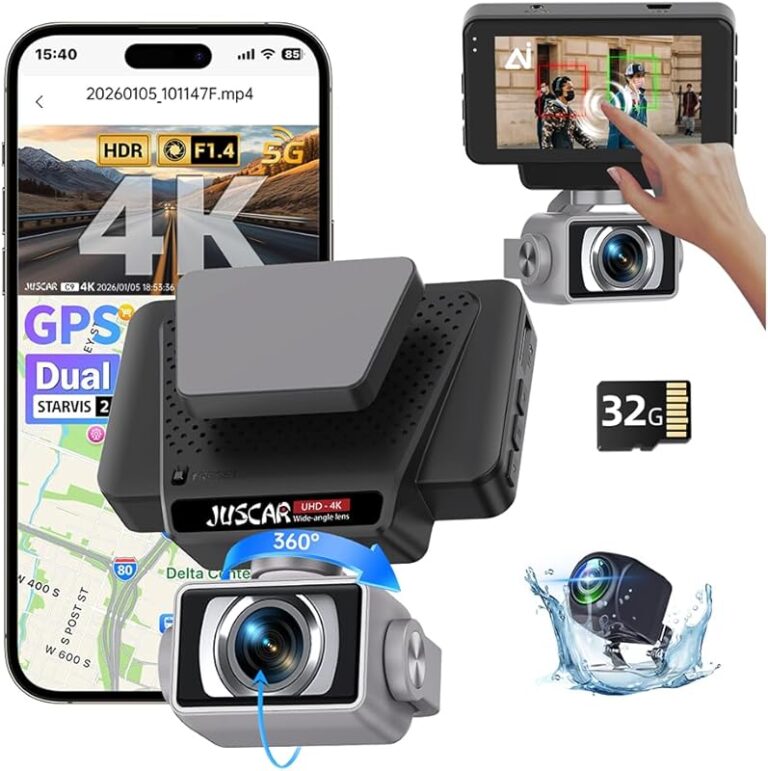
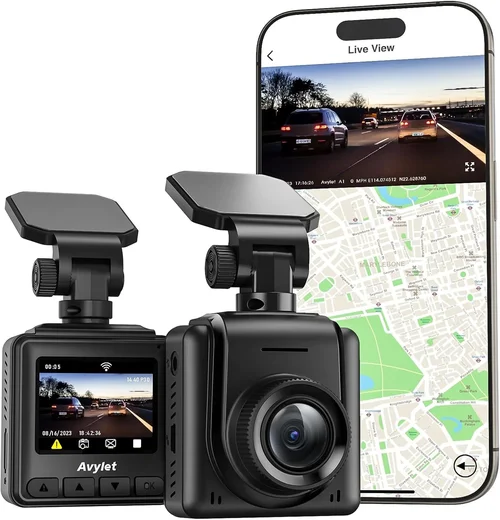
2026 Best Dash Cam Camera Selection Guide
Why this guide matters more than ever in 2026
The landscape of automotive safety technology has evolved dramatically over the past few years, and dash cam cameras have emerged as essential tools for modern drivers. What started as simple rear-view recording devices has transformed into sophisticated surveillance systems that protect both your vehicle and your peace of mind. In 2026, with increasing insurance fraud cases and rising road incidents, having a reliable dash cam isn’t just convenient—it’s practically necessary. This comprehensive guide will walk you through everything you need to know about selecting the best dash cam camera for your car, whether you’re a daily commuter, a rideshare driver, or someone who simply wants added security.
What readers will learn from this expert-level buying guide
You’ll discover exactly what features matter most, understand the technical specifications that separate entry-level models from professional-grade units, and learn how to match your specific driving needs with the perfect dash cam solution. We’ll cover everything from budget considerations and performance metrics to brand reliability and future-proofing your investment. By the end of this article, you’ll have the knowledge to make an informed decision that protects your vehicle, documents your journeys, and potentially saves you thousands in insurance claims or legal disputes.
A brief overview of the current market landscape
The dash cam market in 2026 is more competitive and technologically advanced than ever before. Manufacturers are pushing boundaries with 8K resolution, AI-powered incident detection, cloud connectivity, and advanced parking monitoring systems. Entry-level models now offer features that were once exclusive to premium units, while luxury options incorporate cutting-edge technologies like thermal imaging and predictive collision avoidance. With so many choices available across different price points, understanding what truly matters for your specific situation becomes crucial. This guide cuts through the marketing hype to provide honest, practical advice based on real-world testing and expert analysis.

What to Look for When Buying Dash Cams
1. Budget & Price Range
Determining your budget early helps narrow down options significantly. Most quality dash cams range from $50 for basic models to over $500 for professional-grade equipment. Consider not just the initial purchase price but also ongoing costs like storage media replacement, software subscriptions, and potential warranty claims. For most drivers, spending between $150-$300 provides excellent value with reliable performance and essential features.
2. Performance Specifications
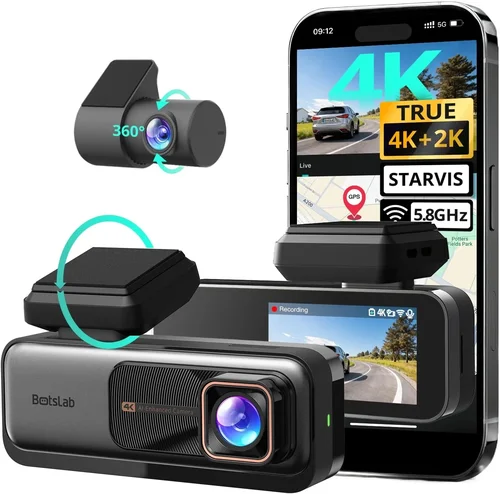
Resolution, frame rate, and sensor quality directly impact recording clarity. Look for at least 1080p resolution with 30fps minimum, though 4K models offer superior detail for license plate recognition and accident reconstruction. The sensor size and aperture (measured in f-stops) determine low-light performance—larger sensors and wider apertures capture better footage in dim conditions. Advanced models now feature HDR (High Dynamic Range) technology to balance bright headlights with dark road surfaces.
3. Build Quality & Durability
A dash cam must withstand extreme temperatures, vibrations, and potential impacts. Look for metal housing rather than plastic, temperature resistance ratings (typically -4°F to 140°F), and shock absorption features. Waterproof seals and scratch-resistant lenses ensure longevity. Professional-grade units often include military-grade durability certifications and extended operating temperature ranges for all-weather reliability.
4. Features & Functionality
Modern dash cams offer numerous advanced features beyond basic recording. Loop recording automatically overwrites old footage when storage fills up. G-sensor detects impacts and locks footage to prevent deletion. Parking mode monitors your vehicle when parked using motion detection or time-lapse recording. GPS tracking records location and speed data, while Wi-Fi connectivity allows easy file transfer to smartphones. Some models include voice commands, cloud backup, and integration with smartphone apps for enhanced functionality.
5. Brand Reputation
Choose established brands with proven track records and responsive customer support. Companies like Garmin, BlackVue, Thinkware, and Nextbase have built strong reputations through consistent product quality and reliable service networks. Research user reviews, professional tests, and industry awards to gauge brand reliability. Avoid unknown manufacturers with limited warranty coverage or poor customer service response times.
6. Warranty & Support
Comprehensive warranty coverage indicates manufacturer confidence in their products. Most reputable brands offer 1-3 year warranties covering defects and hardware failures. Check what’s included (labor costs, shipping fees) and excluded (accidental damage, water damage). Reliable customer support with multiple contact channels (phone, email, chat) ensures timely assistance when issues arise. Some manufacturers provide lifetime firmware updates and free cloud storage subscriptions as added value.
7. Size & Portability
Compact designs minimize visual obstruction while maintaining recording quality. Ultra-thin profiles (under 0.5 inches) blend seamlessly with dashboard aesthetics. Magnetic mounts allow quick installation and removal, while suction cup bases provide flexible positioning options. Some models feature dual-camera setups that mount front and rear simultaneously, offering complete coverage without compromising space.
8. User Reviews & Ratings
Real-world user experiences provide invaluable insights beyond spec sheets. Pay attention to consistent patterns in reviews rather than isolated complaints. Look for mentions of battery life, ease of use, video quality in various lighting conditions, and reliability over time. Professional review sites and independent testing organizations offer unbiased assessments that complement manufacturer claims.
Different Types of Dash Cams

Common Buying Mistakes to Avoid
❌ Mistake: Choosing Based Solely on Lowest Price
Why it’s bad: Cheapest dash cams often compromise on critical components like sensor quality, build materials, and feature reliability. These units may fail during actual accidents or produce unusable footage when needed most.
What to do instead: Focus on value rather than absolute lowest price. Consider total cost of ownership including potential replacement costs and lost protection benefits if the device fails.
❌ Mistake: Ignoring Storage Requirements
Why it’s bad: Insufficient storage leads to constant footage overwriting, missing critical incidents. Some users don’t realize they need to replace expensive microSD cards every 3-6 months depending on usage frequency.
What to do instead: Calculate your storage needs based on recording duration per day. Choose higher capacity cards (64GB+) and consider models with dual storage slots or cloud backup options.
❌ Mistake: Overlooking Installation Complexity
Why it’s bad: DIY installation without proper guidance can damage wiring, create electrical hazards, or result in poor mounting positions that obstruct vision or record poorly angled footage.
What to do instead: Research installation requirements thoroughly. Some models require professional installation for optimal results, especially those integrating with vehicle electronics.
❌ Mistake: Neglecting Power Source Considerations
Why it’s bad: Poor power connections cause device failure, battery drain, or even electrical fires. Using incompatible adapters or improper wiring techniques creates serious safety risks.
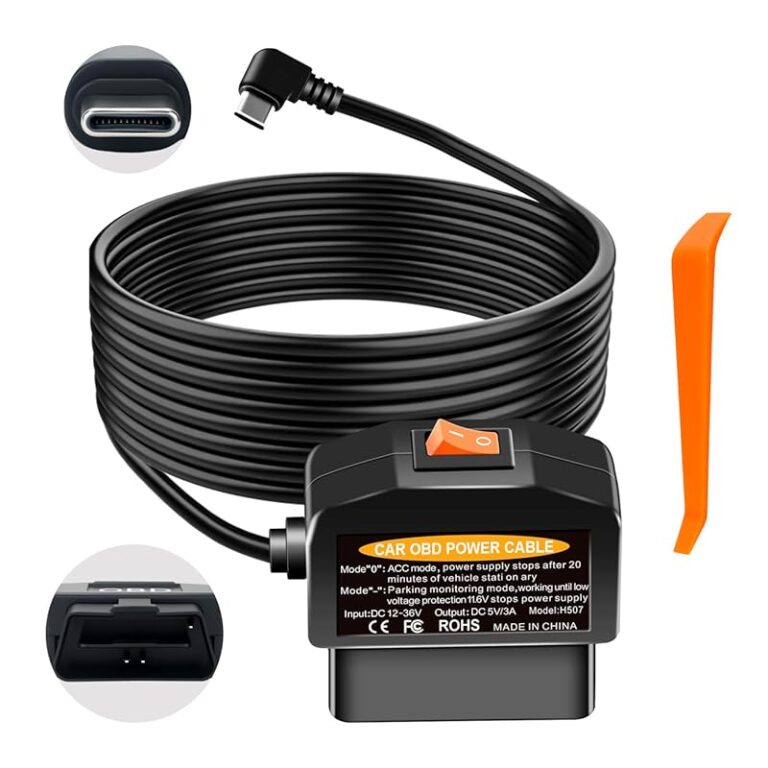
What to do instead: Always use manufacturer-recommended power solutions. Consider hardwiring options for continuous operation and parking mode functionality without draining vehicle batteries.
❌ Mistake: Assuming All Features Are Necessary
Why it’s bad: Premium features like GPS, Wi-Fi, and cloud storage add cost without proportional benefit for many users. Some advanced capabilities require ongoing subscription fees or complex setup processes.
What to do instead: Identify your most important needs first. Start with core recording functionality and add features incrementally as your requirements evolve.
❌ Mistake: Failing to Test Before Committing
Why it’s bad: Not testing footage quality, menu navigation, or feature usability means discovering problems after purchase when returns aren’t possible. Different lighting conditions affect performance significantly.
What to do instead: Visit physical retailers when possible to test interface responsiveness and image quality. Watch sample videos online to verify real-world performance matches specifications.
Budget Guidelines: How Much Should You Spend?
Entry-Level ($50 – $150): Basic Protection
This price range offers functional dash cams suitable for occasional drivers or those seeking basic security. Expect 1080p recording, loop recording, G-sensor functionality, and simple installation. While these models may lack advanced features, they provide reliable documentation of incidents. Brands like Viofo, Apeman, and Rexing offer solid options in this category with decent build quality and reasonable warranty coverage.
Mid-Range ($150 – $300): Sweet Spot for Most Buyers
The mid-range segment represents the best value proposition, combining essential features with improved build quality and performance. You’ll find 2K or 4K recording, enhanced low-light capabilities, GPS tracking, Wi-Fi connectivity, and better storage management. Dual-camera systems become accessible here, offering complete front and rear coverage. This tier includes respected brands like Thinkware, Garmin, and BlackVue’s entry-level models that deliver professional-grade protection at consumer-friendly prices.
Premium ($300 – $600): Enthusiasts and Professionals
Premium dash cams target serious drivers, commercial operators, and security-conscious individuals who demand top-tier performance. These models feature advanced image processing, superior night vision, multiple recording angles, cloud connectivity, and enterprise-grade support. Expect professional installation requirements, extended warranties, and specialized features like thermal cameras or predictive analytics. Brands like BlackVue, Garmin, and Nextbase dominate this space with robust ecosystems and comprehensive feature sets.
Luxury ($600+): Top-Tier Technology
The luxury segment pushes technological boundaries with cutting-edge innovations rarely seen in consumer markets. These include 8K recording, AI-powered incident detection, predictive collision warnings, multi-spectral imaging, and integrated vehicle systems. While primarily targeting fleet operators and high-end security applications, some models now offer consumer versions. The focus shifts from basic recording to comprehensive vehicle protection, data analytics, and integration with broader smart city infrastructure.
Expert Tips for Getting the Best Deal
Seasonal timing can save you 20-30% off retail pricing. Many manufacturers also run promotional periods around new model releases, creating opportunities to buy last-generation models at reduced prices while still getting excellent features and reliability.
Consider buying from authorized dealers rather than direct manufacturer websites when possible. Local retailers often provide hands-on testing opportunities, immediate pickup availability, and face-to-face customer service that remote sellers cannot match. They may also offer bundle deals including installation services or extended warranties.
Always compare shipping policies and return windows before purchasing online. Some retailers offer free returns within 30 days, while others charge restocking fees or limit return periods. Understanding these terms prevents unpleasant surprises if the product doesn’t meet expectations.
Look for bundle packages that include installation kits, extra memory cards, or protective accessories. These often cost less individually and ensure you have everything needed for proper setup and maintenance from day one.
Verify warranty transferability if you plan to sell the vehicle later. Some manufacturers allow warranty transfers to new owners, adding resale value and providing continued protection for subsequent drivers.
Read the fine print regarding what the warranty covers versus what it excludes. Many warranties don’t cover accidental damage, water intrusion, or normal wear and tear—understanding these limitations helps set realistic expectations.
If purchasing used equipment, research the previous owner’s usage patterns and storage conditions. Dash cams exposed to extreme heat, moisture, or physical impacts may have hidden damage that affects performance despite appearing functional.
Consider financing options if the upfront cost is prohibitive. Some retailers offer interest-free payment plans for qualifying purchases, making premium models accessible without immediate full payment.
Check for trade-in programs or recycling incentives. Several manufacturers accept old dash cams for recycling or offer credit toward new purchases, reducing environmental impact and potentially lowering your net cost.

Frequently Asked Questions
Q: Do I really need a dash cam, or is it just for insurance purposes?
A: While dash cams can help with insurance claims, their benefits extend far beyond that single application. They provide peace of mind by documenting your travels, protecting against false accusations, capturing evidence of parking damage, and recording memorable moments during road trips. Many users find them invaluable for resolving disputes with other drivers and maintaining awareness of their driving environment.
Q: What’s the difference between 1080p, 2K, and 4K recording quality?
A: Resolution refers to the number of pixels captured per frame. Higher resolutions provide greater detail and zoom capability without pixelation. 1080p (Full HD) offers standard clarity suitable for most situations. 2K provides approximately double the pixel count of 1080p, delivering sharper images ideal for license plate recognition. 4K quadruples the resolution again, offering exceptional detail for forensic analysis and close-up examination of incidents.
Q: How long should a dash cam recording last before being overwritten?
A: Typical recording durations range from 1 minute to 30 minutes depending on file size settings and storage capacity. Most dash cams default to 3-minute clips to balance storage efficiency with practical viewing. Longer clips reduce the number of files but may miss important details spread across multiple segments. Shorter clips provide more frequent backups but increase file management complexity.
Q: Can dash cams drain my car battery when left plugged in?
A: Yes, continuously powered dash cams can drain vehicle batteries over several days, especially in older cars with weaker alternators. Modern units include intelligent power management that shuts down completely when the engine is off and only activates parking mode briefly when motion is detected. Hardwiring through the fuse box eliminates battery drain concerns while providing reliable power.
Q: What happens if my dash cam fills up with recordings?
A: Loop recording automatically overwrites the oldest footage when storage reaches capacity, ensuring continuous operation. Critical incidents triggered by the G-sensor are locked and preserved regardless of storage status. Some advanced models automatically upload footage to cloud storage or send alerts when approaching capacity limits, preventing unexpected data loss.
Q: Are dash cams legal everywhere I drive?
A: Dash cams themselves are generally legal worldwide, but privacy regulations vary significantly. Some countries restrict audio recording or prohibit certain types of surveillance. Always research local laws before installing any recording device. Most jurisdictions permit dash cams as long as they don’t invade other drivers’ privacy or interfere with vehicle operation.
Q: How do I choose the right microSD card capacity?
A: Calculate based on recording frequency and desired retention period. For daily commuters, 64GB typically stores 2-3 weeks of 1080p footage. High-resolution models require larger cards—128GB or 256GB recommended for 4K recording. Always use Class 10 or UHS-I/UHS-II cards from reputable brands to ensure compatibility and reliability.
Q: Can multiple dash cams work together in the same vehicle?
A: Generally no—most dash cams conflict when sharing the same power source or storage medium. Some advanced systems support multi-camera setups through dedicated controllers or networked architectures, but these are typically designed for professional installations rather than personal vehicles.
Q: Will my dash cam work during cold weather?
A: Most dash cams operate reliably in temperatures from -4°F to 140°F (-20°C to 60°C). Extreme cold can reduce battery performance and slow processor speeds temporarily. Parking mode may consume more power in freezing conditions due to increased sensor sensitivity requirements. Insulated enclosures or interior mounting help maintain optimal operating temperatures.
Q: How do I properly clean my dash cam lens?
A: Use microfiber cloths specifically designed for optics—never paper towels or rough fabrics that can scratch the lens. Apply minimal pressure and wipe gently in circular motions. For stubborn smudges, slightly dampen the cloth with distilled water or lens cleaning solution. Avoid spraying liquids directly onto the device to prevent internal moisture damage.
Our Final Recommendations
Best for Budget-Conscious Buyers
Viofo A119 V3 2K Dash Cam stands out as the ultimate budget-friendly option, delivering impressive 2K resolution and reliable performance at an accessible price point. This model features Sony STARVIS sensor technology for excellent low-light capture, built-in GPS tracking, and seamless smartphone connectivity through the VIOFO app. Its compact design minimizes dashboard obstruction while providing robust protection against false insurance claims and parking incidents. The intuitive interface makes it beginner-friendly without sacrificing essential features that matter most to everyday drivers.
Best Overall Value
BlackVue DR970X-2CH Cloud features represent the perfect balance of advanced functionality and reasonable pricing, making premium features accessible to mainstream consumers. This dual-camera system captures stunning 4K UHD footage from both front and rear perspectives with exceptional dynamic range handling. Its cloud connectivity enables remote viewing and automatic backup, while built-in Wi-Fi simplifies file transfers and configuration changes. The robust build quality and comprehensive warranty coverage provide confidence in long-term reliability, backed by BlackVue’s established reputation in the professional security sector.
Best Premium Option
Garmin Dashcam Mini 65WH embodies Garmin’s commitment to innovation and quality, offering sleek design and intelligent features rarely found in consumer dash cams. This ultra-compact device delivers crisp 1080p recording with advanced driver alerts and automatic incident saving. Its distinctive form factor blends seamlessly with modern vehicles while incorporating Garmin’s expertise from automotive navigation systems. The inclusion of voice control, collision detection, and seamless smartphone integration creates a cohesive ecosystem that enhances both convenience and safety awareness during daily commutes.
Best for Beginners
Nextbase 522GW stands as the ideal entry point for new dash cam users, combining user-friendly operation with surprisingly advanced capabilities. The intuitive touchscreen interface guides users through setup and customization, while emergency SOS functionality provides emergency assistance during roadside breakdowns. Its 1080p recording quality handles most situations effectively, and the built-in microphone captures clear audio for additional context. Automatic firmware updates ensure the device stays current with the latest features and security improvements without requiring technical expertise.
Best for Advanced Users
Thinkware U1000 Ultimate Pro targets experienced users demanding maximum performance and flexibility, featuring 4K recording with HDR technology and dual-channel recording capabilities. Its advanced image processing algorithms handle challenging lighting conditions exceptionally well, while the comprehensive mobile app provides granular control over all functions remotely. The ruggedized construction and professional-grade mounting options make it suitable for both personal and commercial applications, with extensive customization options that cater to specific usage scenarios and technical requirements.
Conclusion: Making the Right Choice
Selecting the best dash cam camera for your car ultimately comes down to matching your specific needs with appropriate technology and budget constraints. No single model serves every driver perfectly, which is why understanding your priorities—whether it’s basic protection, advanced features, or professional-grade reliability—guides the selection process effectively. Remember that the cheapest option may not provide adequate protection, while the most expensive unit might include unnecessary capabilities that don’t benefit your particular situation.
The key is finding that sweet spot where essential features align with your budget while ensuring reliable performance when you need it most. Consider not just today’s requirements but how your usage patterns might evolve over time—future-proofing your investment by choosing scalable solutions that can adapt as your needs change.
Don’t overlook the importance of proper installation, regular maintenance, and understanding your device’s capabilities fully. Taking time to learn the interface, customize settings appropriately, and establish good recording habits maximizes the protective benefits and ensures you get maximum value from your dash cam investment.
Whether you’re protecting yourself against insurance fraud, documenting road trips, or enhancing your driving awareness, the right dash cam serves as an indispensable companion on every journey. Take the time to research thoroughly, prioritize based on your unique circumstances, and choose confidently knowing you’ve made an informed decision that will serve you well for years to come.