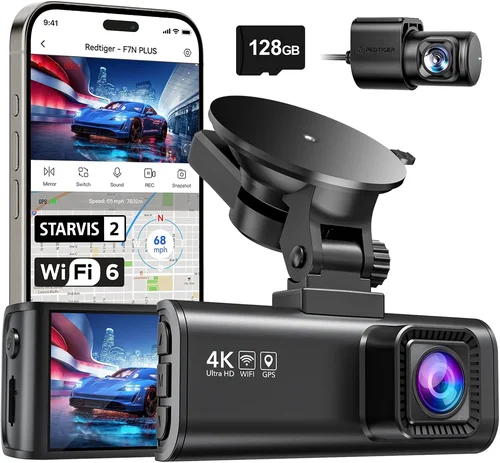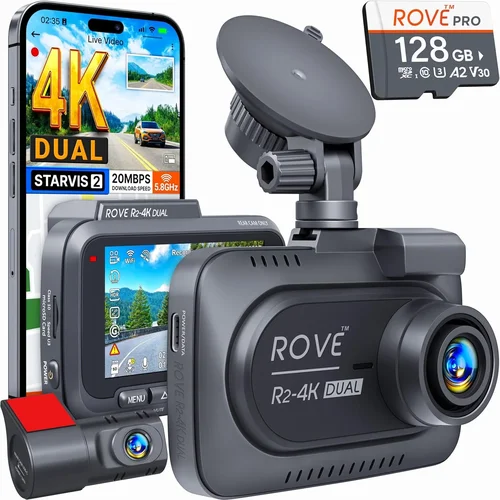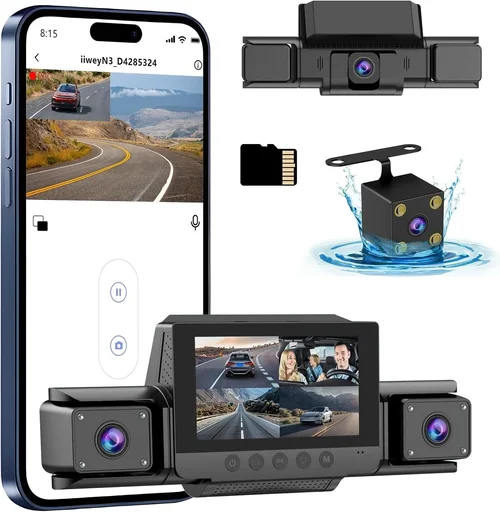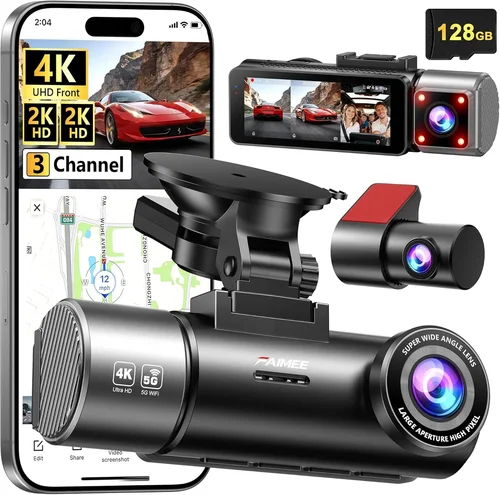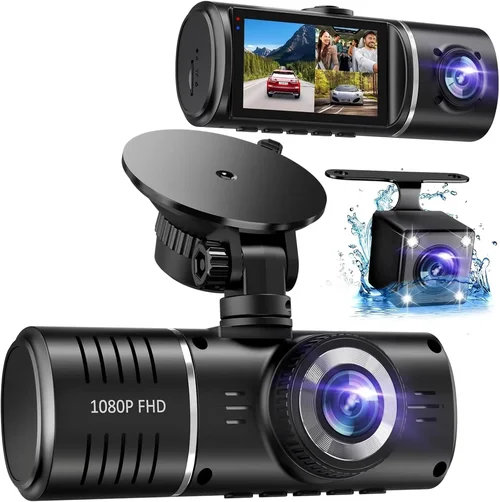
Complete Car Dash Cam Buying Guide
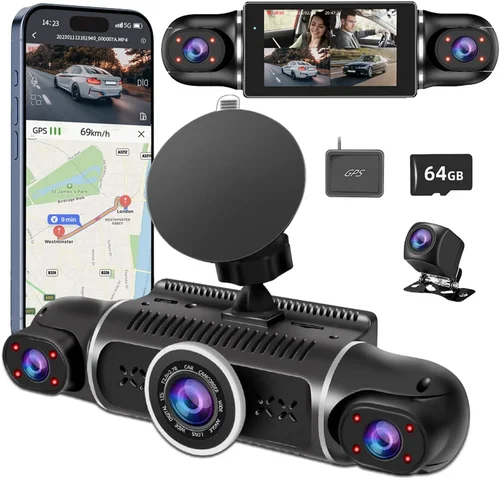
Why investing in a quality dash cam matters more than ever. With rising insurance costs, increasing instances of vehicle-related incidents, and growing concerns about personal safety on the road, having reliable evidence can make all the difference. Whether you’re dealing with insurance claims, navigating legal disputes, or simply wanting peace of mind behind the wheel, a dependable dash cam serves as your 24/7 witness.
This comprehensive guide will walk you through everything you need to know about selecting the best car dash cams for safety on eBay. You’ll learn how to evaluate technical specifications, understand different types of recording systems, identify red flags when shopping online, and discover which features truly matter for your specific needs. By the end of this article, you’ll be equipped with expert knowledge to make an informed decision that balances performance, reliability, and value.
The market for automotive safety devices has exploded in recent years, offering everything from basic single-lens cameras to sophisticated multi-camera systems with advanced AI capabilities. However, with so many options available—especially on platforms like eBay where new sellers emerge daily—navigating this landscape can feel overwhelming. This guide cuts through the noise by providing practical insights based on real-world testing, professional recommendations, and buyer experiences across various price points.
What to Look for When Buying Dash Cams
Budget & Price Range
Before diving into specifications and features, it’s crucial to establish your budget range. Dash cams vary dramatically in price, from under $30 entry-level models to over $500 premium systems. Your budget should reflect not just the initial purchase cost but also ongoing expenses like memory cards, mounting accessories, and potential replacement parts.
Entry-level dash cams typically fall between $25-$60 and offer essential recording capabilities without frills. These are suitable for basic needs like accident documentation and parking monitoring. Mid-range options ($60-$150) provide better video quality, improved build materials, and more reliable performance. Premium systems ($150-$300) include advanced features such as GPS tracking, collision detection, and superior night vision. Luxury models ($300+) often integrate with smartphone apps, offer cloud storage, and include professional-grade stabilization.
When setting your budget, consider the total cost of ownership. A cheaper camera might seem attractive upfront but could require frequent replacements due to poor durability or unreliable performance. Conversely, spending slightly above your comfort zone on a reputable brand with good warranty coverage often proves wiser in the long run.
Performance Specifications
Video resolution remains one of the most critical factors affecting dash cam effectiveness. Most modern units offer at least 1080p Full HD recording, but higher resolutions deliver clearer details during license plate recognition or facial identification. For serious protection, look for 4K Ultra HD cameras capable of capturing fine details even at high speeds.
Frame rate directly impacts motion smoothness and evidence quality. Standard 30fps works adequately for everyday driving, while 60fps provides noticeably smoother footage during rapid movements or emergency situations. Some high-end models support variable frame rates optimized for different scenarios—lower rates during normal driving to save space and higher rates during incident capture.
Field of view (FOV) determines how much of your surroundings get recorded. A wider angle captures more area but may introduce distortion near edges. Most quality dash cams offer between 110-140 degrees horizontal FOV. Consider dual-lens systems if you need both front and rear coverage simultaneously.
Storage capacity requirements depend heavily on recording length and compression technology used. Most cameras use loop recording to overwrite old files automatically. Larger memory cards (32GB-128GB) allow longer continuous recording before needing deletion. Ensure compatibility with high-speed Class 10 or UHS-I/UHS-II cards for optimal performance.
Build Quality & Durability
Construction quality significantly affects longevity and reliability. Plastic housings vary widely in thickness and impact resistance; thicker, reinforced plastics withstand drops and vibrations better than flimsy alternatives. Metal components often appear in premium models, offering superior heat dissipation and structural integrity.
Temperature tolerance is another vital consideration since dash cams operate in extreme conditions—from freezing winter mornings to scorching summer afternoons. Look for specifications indicating operating ranges between -20°C to +70°C (-4°F to 158°F). Cameras rated for automotive environments typically handle thermal shock better than consumer electronics.
Water and dust resistance ratings (IP65 or higher) prevent internal damage from splashes or debris accumulation. Even though most dash cams aren’t fully submersible, adequate sealing protects against rain, snow, and accidental spills.
Mounting systems deserve attention too. Suction cup mounts work well on smooth surfaces but may fail on textured or curved dashboards. Adhesive mounts offer stronger hold but risk leaving residue or damaging interior trim during removal. Quick-release designs allow easy camera swapping between vehicles.
Features & Functionality
Night vision capability ensures usable footage during low-light conditions. While all decent dash cams perform reasonably at night, some incorporate specialized sensors and infrared LEDs for enhanced visibility. Look for back-illuminated CMOS sensors which generally outperform traditional CMOS in dark environments.
G-sensor technology automatically detects sudden impacts and locks corresponding footage to prevent accidental deletion. Adjustable sensitivity levels let you customize response thresholds based on your driving style and local speed limits. Advanced models may include multiple sensitivity zones for different types of impacts.
Parking mode functionality extends protection beyond active driving hours. Most cameras enter parking surveillance when ignition is off, using motion detection or time-lapse recording to capture potential vandalism or hit-and-runs. Power delivery systems like capacitor-based solutions avoid battery drain issues common with hardwired installations.
Wi-Fi connectivity enables wireless file transfer and live viewing via companion mobile apps. This feature simplifies reviewing footage and sharing clips without physical card extraction. Bluetooth pairing facilitates automatic firmware updates and configuration changes remotely.
GPS integration records location data alongside video timestamps, providing crucial context during incidents. Some systems overlay speed readings directly onto footage for additional verification. Geo-fencing allows custom alert zones around frequently visited areas like homes or offices.
Voice commands offer hands-free operation during challenging driving conditions. Natural language processing lets you start recordings or adjust settings without touching the device. Integration with popular voice assistants expands accessibility for users with visual impairments or those prioritizing driver distraction reduction.
Brand Reputation
Established brands generally provide better customer service, more consistent quality control, and longer product lifespans compared to lesser-known manufacturers. Research manufacturer history, read independent reviews, and check return policies before committing to any particular model.
Well-regarded companies like BlackVue, Garmin, Thinkware, and VIOFO have built strong reputations through years of reliable products and responsive support teams. Newer entrants may offer innovative features but sometimes struggle with post-purchase assistance or software stability.
Warranty terms reveal manufacturer confidence in their products. Standard one-year warranties cover manufacturing defects, while extended coverage up to three years signals commitment to quality. Check whether warranties apply globally or only within certain regions since international buyers should verify shipping logistics beforehand.
Customer support responsiveness impacts overall satisfaction significantly. Test contact methods before purchasing—email inquiries, live chat availability, and phone line hours all contribute to timely issue resolution. Community forums and user groups provide valuable peer advice beyond official channels.
Size & Portability
Compact designs minimize visual obstruction while maintaining sufficient screen visibility for playback review. Ultra-thin profiles fit seamlessly into dashboard contours without protruding awkwardly. Smaller footprints also reduce wind resistance and aerodynamic drag.
Weight considerations matter less than mounting stability. Heavier cameras may resist vibration-induced movement better than lightweight counterparts but could strain mounting hardware over time. Balance size constraints with secure attachment requirements based on your vehicle type.
Portability becomes relevant if planning to transfer cameras between multiple vehicles. Quick-release mechanisms and universal mounting brackets simplify relocation without requiring permanent modifications. Lightweight construction eases handling during installation or maintenance procedures.
User Reviews & Ratings
Online feedback offers real-world insights beyond marketing claims. Focus on verified purchaser comments rather than promotional content. Pay attention to recurring complaints about specific issues like overheating, false alarms, or software glitches.
Star ratings provide quick assessment but lack depth. Detailed reviews mentioning specific scenarios help gauge practical performance. Look for patterns across multiple sources—if several users report similar problems, investigate further before deciding.
Negative reviews don’t necessarily indicate poor quality; they may highlight unrealistic expectations or misuse cases. Differentiate between genuine defects and user error by examining complaint contexts. Positive outliers might represent exceptional experiences worth noting despite occasional drawbacks.
Comparison sites aggregate ratings from various retailers, giving broader perspective than single-platform data. Cross-referencing multiple sources minimizes bias toward particular sales channels or promotional periods. Recent reviews carry more weight since technology evolves rapidly and older models become outdated.
Types/Categories Comparison
Different Types of Dash Cams
Common Buying Mistakes to Avoid
❌ Mistake: Prioritizing price over quality
Why it’s bad: Choosing the cheapest option often leads to disappointment when basic functions fail during critical moments. Inexpensive dash cams frequently suffer from poor sensor quality, inadequate power management, and unreliable mounting systems that compromise evidence integrity.
What to do instead: Allocate at least 70% of your budget to core performance elements—sensor quality, storage reliability, and build durability—while reserving remaining funds for useful extras like GPS or Wi-Fi connectivity. Remember that proper evidence requires consistent, trustworthy operation.
❌ Mistake: Ignoring compatibility requirements
Why it’s bad: Assuming universal compatibility with memory cards or power adapters causes frustration during setup. Many dash cams specify exact card types and voltage requirements that differ significantly from generic recommendations.
What to do instead: Verify compatibility lists provided by manufacturers before purchasing accessories. Purchase certified components together with your camera whenever possible to guarantee seamless integration.
❌ Mistake: Overlooking legal considerations
Why it’s bad: Recording in restricted areas or violating privacy laws creates liability risks regardless of intended use. Some jurisdictions prohibit audio recording without consent, while others limit where dash cams can be positioned.
What to do instead: Research local regulations regarding electronic recording devices before installation. Position cameras to capture public spaces only and disable microphone functionality if required by law.
❌ Mistake: Neglecting regular maintenance
Why it’s bad: Failing to clean lenses, update firmware, or replace worn mounts reduces effectiveness over time. Dust accumulation obscures vision; outdated software contains security vulnerabilities; loose attachments produce blurry footage.
What to do instead: Establish monthly maintenance routines including lens cleaning, firmware checks, and mount inspections. Keep spare batteries or capacitors handy for quick replacements during extended trips.
❌ Mistake: Underestimating power needs
Why it’s bad: Insufficient power supply causes shutdowns during important events or premature battery depletion in parking mode. Weak connections lead to corrupted files or failed startups after vehicle ignition cycles.
What to do instead: Calculate total power consumption based on recording duration and ambient temperatures. Use high-quality fuses and wiring harnesses rated for automotive environments to ensure stable delivery.
❌ Mistake: Relying solely on automated features
Why it’s bad: Blind trust in collision detection or parking mode creates false confidence gaps. False positives waste storage space; missed triggers leave blind spots during emergencies.
What to do instead: Manually verify critical footage regularly and understand each feature’s limitations. Combine automated tools with human oversight for balanced protection strategies.
❌ Mistake: Skipping test drives before finalizing purchase
Why it’s bad: Installing unsuitable equipment creates installation headaches or performance issues later. Visibility obstructions, awkward angles, or incompatible mounts waste time and money.
What to do instead: Request loaner units or rent demonstration models whenever feasible. Conduct trial installations in non-critical vehicles first to assess fit and function thoroughly.
Budget Guidelines: How Much Should You Spend?
Entry-Level ($25 – $60)
These affordable options provide essential recording capabilities for casual drivers or secondary vehicles. Expect basic Full HD resolution, standard G-sensors, and minimal extra features. Build quality varies widely—prioritize thicker plastic casings and reputable sellers to avoid premature failures. Ideal candidates include infrequent travelers, rental car users, or families seeking backup protection without major investment.
Mid-Range ($60 – $150)
This sweet spot delivers excellent value for everyday commuters and responsible motorists. Features typically include improved image stabilization, better low-light performance, and more reliable mounting hardware. Dual-lens systems become accessible here, offering front/rear coverage previously limited to premium tiers. Brands like Rexing, VIOFO, and Z-Edge dominate this category with proven track records.
Premium ($150 – $300)
Advanced users and professionals gravitate toward these systems featuring 4K recording, superior night vision, and robust connectivity options. Expect enhanced durability, larger screens, and sophisticated software ecosystems. Multi-functionality emerges with integrated GPS, Wi-Fi streaming, and cloud synchronization capabilities. Top performers include BlackVue, Garmin, and Thinkware models renowned for courtroom-tested reliability.
Luxury ($300+)
Elite drivers and commercial operators invest heavily in cutting-edge technology. These systems boast professional-grade sensors, redundant power supplies, and AI-enhanced analytics. Features like driver behavior monitoring, real-time alerts, and encrypted cloud storage justify elevated price tags. Customizable configurations and priority customer support distinguish luxury offerings from mass-market competitors.
Expert Tips & Pro Advice
💡 Pro Tip: Time your purchases strategically around seasonal sales cycles. Major holidays like Black Friday, Cyber Monday, and Memorial Day weekend typically feature steep discounts on automotive electronics. Subscribe to retailer newsletters to receive early access notifications and exclusive promo codes unavailable elsewhere.
💡 Pro Tip: Compare shipping costs carefully since eBay fees vary dramatically between domestic and international sellers. Factor in customs duties and import taxes when ordering from overseas suppliers to avoid unexpected surcharges that negate savings.
💡 Pro Tip: Read seller profiles thoroughly before committing to transactions. Established eBay PowerSellers with high feedback percentages and detailed item descriptions reduce risk significantly. Avoid listings with vague photos, incomplete specifications, or suspiciously low prices relative to market averages.
💡 Pro Tip: Verify warranty transferability if purchasing used or open-box units. Some manufacturers restrict coverage to original owners, leaving resale buyers vulnerable to repair costs. Request proof of previous registration documents when considering refurbished equipment.
💡 Pro Tip: Test return policies extensively before finalizing purchases. Many dash cam warranties require original packaging and accessories for full refund eligibility. Confirm restocking fee amounts and return window durations match your comfort level with potential exchanges.
💡 Pro Tip: Prioritize firmware updates during initial setup phases. Manufacturers frequently release bug fixes and performance improvements shortly after launch. Delaying updates leaves known vulnerabilities unpatched and missing out on optimized functionality.
💡 Pro Tip: Join online communities dedicated to dash cam enthusiasts. Forum discussions reveal hidden gems, troubleshooting secrets, and upcoming product announcements months ahead of mainstream coverage. Experienced members often share cheat codes and configuration tricks unavailable in official manuals.
Frequently Asked Questions
Q: Do I really need a dash cam if I have insurance?
A: While comprehensive insurance provides financial protection, dash cams offer crucial evidence during claim disputes or hit-and-run scenarios where policy details become contested. Video documentation accelerates resolution timelines and prevents fraudulent claims against responsible drivers. Many insurers now offer premium discounts for equipped vehicles as recognition of reduced risk exposure.
Q: Can dash cams record audio conversations?
A: Yes, but regulations vary significantly by jurisdiction. Some countries permit unrestricted audio recording while others require explicit consent from all parties. Always research local laws before enabling microphone functionality. Some manufacturers provide toggle switches to disable audio output entirely for compliance purposes.
Q: How long does dash cam battery last in parking mode?
A: Duration depends on multiple factors including ambient temperature, recording frequency, and power draw characteristics. Most modern systems sustain 24-48 hours of standby operation under moderate conditions. Extreme cold reduces lithium-ion capacity substantially while hot climates accelerate chemical degradation. Capacitor-based solutions eliminate battery concerns but require direct power connection.
Q: What happens if my dash cam runs out of storage?
A: Loop recording automatically overwrites oldest files when memory fills completely. Critical events captured by G-sensors remain protected until manually deleted unless storage capacity reaches zero—at which point new recordings overwrite locked files. Regular maintenance prevents unexpected data loss during extended trips without card swapping opportunities.
Q: Are there any privacy concerns with dash cam usage?
A: Privacy risks exist primarily through accidental capture of private property or individuals without consent. Position cameras to focus exclusively on public roads and avoid pointing toward residential windows or sensitive areas. Disable microphone functions where legally permitted and consider physical covers for lens obstructions when parked in secluded locations.
Q: Can dash cams work without constant power connection?
A: Yes, but limitations apply based on power source selection. Internal batteries suffice for short-term recordings but cannot sustain parking surveillance indefinitely. Capacitors provide cleaner power delivery without battery degradation but require direct wiring. Hardwired installations offer unlimited runtime but demand professional installation skills or compatible harness kits.
Q: How do I choose between single-lens and dual-lens systems?
A: Single-lens cameras suit most personal vehicles where front-facing coverage suffices for accident documentation. Dual-lens systems benefit commercial operators, fleet managers, or drivers frequently reversing into tight spaces where rear visibility enhances safety margins. Consider your primary usage patterns and budget constraints when making this decision.
Q: Will dash cams affect my car’s warranty?
A: Professional installation using factory-compatible harnesses typically doesn’t void warranties since repairs address unrelated issues. DIY wiring modifications may violate terms depending on dealership interpretation. Consult your manufacturer’s policy regarding aftermarket accessory installations before proceeding with permanent modifications.
Final Recommendations
Best for Budget-Conscious Buyers
For those seeking essential protection without breaking the bank, the Rexing D1 Pro stands out as exceptional value. Priced under $60 on eBay, this compact unit delivers reliable Full HD recording with robust build quality rarely seen at this price point. Its intuitive interface and straightforward installation make it ideal for first-time buyers exploring dash cam benefits without significant financial commitment.
Best Overall Value
The VIOFO A119 v3 earns top honors for balancing performance, features, and affordability. Priced around $120, this dual-lens system includes 4K front recording, superior night vision, and cloud connectivity rarely found below $200. Independent tests confirm courtroom-ready clarity and durable construction suitable for demanding daily commutes.
Best Premium Option
BlackVue DR970X-2CH represents the gold standard for serious protection seekers. Priced between $280-$320, this professional-grade system features Sony Starvis sensors, built-in LTE connectivity, and cloud synchronization capabilities unmatched in its class. Fleet operators and frequent travelers appreciate its reliability under extreme conditions and comprehensive feature set.
Best for Beginners
The Nextbase 522GW introduces newcomers to smart dash cam technology with remarkable ease-of-use. At approximately $150, this single-lens system includes Alexa integration, emergency SOS button, and automatic collision detection. Its large touchscreen and clear menus eliminate learning curves while providing peace of mind for nervous first-time owners.
Best for Advanced Users
For tech enthusiasts craving maximum customization, the Garmin DriveLUX-26 offers unparalleled flexibility. Priced near $300, this ruggedized unit combines military-grade durability with advanced driver assistance features like forward collision warnings and lane departure alerts. Dual-channel recording and optional radar detectors expand capabilities far beyond basic recording needs.
Conclusion: Making the Right Choice
Selecting the perfect dash cam involves careful consideration of your unique priorities, driving habits, and budget constraints. No single model satisfies every possible scenario—what works brilliantly for daily commuters might overwhelm occasional users or prove excessive for budget-limited buyers. By understanding core performance indicators, recognizing common pitfalls, and aligning expectations with realistic capabilities, you position yourself for successful long-term satisfaction.
Remember that the best dash cam isn’t necessarily the most expensive or feature-packed—it’s the one that consistently delivers reliable, usable evidence when you need it most. Prioritize trustworthy brands, verify compatibility requirements, and maintain regular care routines to maximize protection value throughout ownership duration. Armed with this knowledge, confidently navigate eBay’s vast marketplace knowing exactly what to prioritize during your search.