Truck Bed Rack Over Tonneau Cover
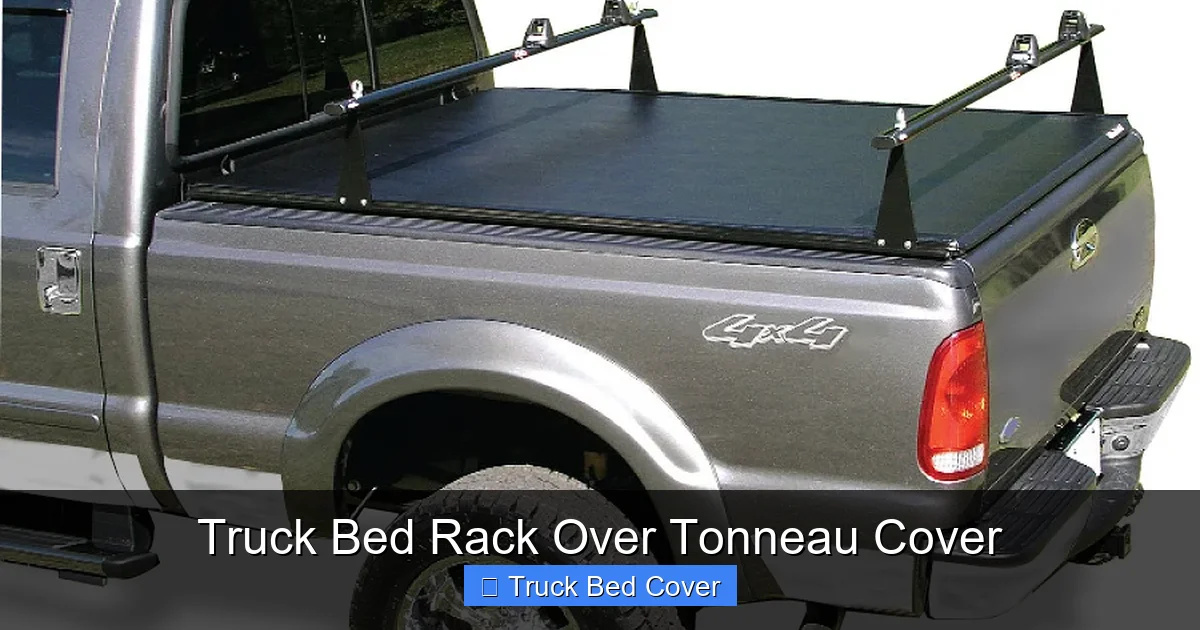
Want more flexibility from your pickup truck without sacrificing storage? Installing a truck bed rack over tonneau cover gives you the best of both worlds: secure enclosed storage and overhead cargo capacity. This setup lets you carry bikes, kayaks, gear boxes, and tools while keeping valuables safe from weather and theft. Whether you’re hauling construction materials or heading off-road, a rack over a tonneau is a game-changer for serious truck owners.
# Truck Bed Rack Over Tonneau Cover: The Ultimate Setup for Maximum Utility
If you’ve ever stared at your empty pickup bed wondering how to fit both a kayak on top and keep your tools dry underneath, you’re not alone. Many truck owners face this exact dilemma every day—balancing open-air cargo access with secure, weatherproof storage. Enter the **truck bed rack over tonneau cover**: a clever, practical solution that combines the best features of both worlds.
This setup allows you to install a sturdy rack system directly onto your truck bed—typically above or integrated with your existing tonneau cover—so you can carry bulky gear on top while keeping smaller items protected inside the covered area. It’s especially popular among contractors, outdoor enthusiasts, and fleet operators who need reliable, all-in-one hauling power.
Whether you’re loading up for a weekend camping trip, delivering supplies to a remote job site, or simply want more flexibility in your daily hauls, pairing a bed rack with a tonneau cover is one of the smartest upgrades you can make. Let’s dive into everything you need to know about making this setup work perfectly for your truck.
## Why Choose a Truck Bed Rack Over Tonneau Cover?
Before we get into installation tips or product recommendations, let’s talk about *why* this combination has become so popular. At its core, a **truck bed rack over tonneau cover** solves three common problems:
1. **You need space for big stuff but also want to protect small items.**
Imagine carrying a roof tent or cargo box on top—but still being able to store laptops, clothes, or equipment securely in the bed.
2. **You don’t want to sacrifice fuel economy or aerodynamics.**
Full roof racks create drag and reduce gas mileage. A bed-mounted system keeps your truck lower and more streamlined.
3. **You value convenience and quick access.**
With a properly installed rack, you can load and unload gear fast—no need to disassemble everything each time.
Most modern tonneau covers are designed with this dual-use mindset in mind. Soft roll-up covers, retractable panels, and tri-fold models often include reinforced mounting points or cutouts that accommodate rack brackets. Meanwhile, bed racks themselves come in universal designs that clamp or bolt onto factory bed rails or aftermarket mounting plates.
### Compatibility Is Key
Not all racks play nice with all tonneau covers—especially if they’re thick, curved, or made of composite materials. Always check manufacturer specs before buying. For example, a low-profile aluminum rack might slide right under a fiberglass cap, while a heavy-duty steel frame could interfere with a soft cover’s rolling mechanism.
Many brands now sell “rack-ready” tonneau covers specifically engineered to accept accessory bars. These often feature pre-drilled holes, raised edges, or even integrated channel systems that make installation seamless.
## Types of Tonneau Covers That Work Best With Racks
When selecting a tonneau cover to pair with a bed rack, your options fall into three main categories: soft roll-up, hard folding, and retractable. Each has strengths depending on your climate, budget, and usage.
### Soft Roll-Up Covers
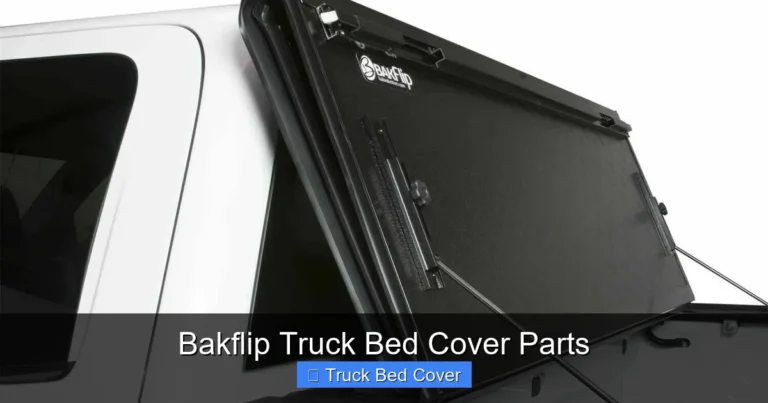
These are lightweight, affordable, and easy to operate—just unroll them when needed and zip them back up. Popular models include the Tonno Pro, Undercover Flex, and BAKFlip QS.
Pros:
– Low cost
– Easy to remove completely for full bed access
– Works well with most standard bed rails
Cons:
– Less rigid than hard covers
– Can sag slightly under heavy loads
– Vulnerable to punctures if sharp objects are placed directly on top
Because they’re flexible, some soft covers may require additional support brackets when installing a rack. Look for ones labeled “rack compatible” or those with reinforced front panels.
### Hard Folding (Tri-Fold or Dual-Lock)
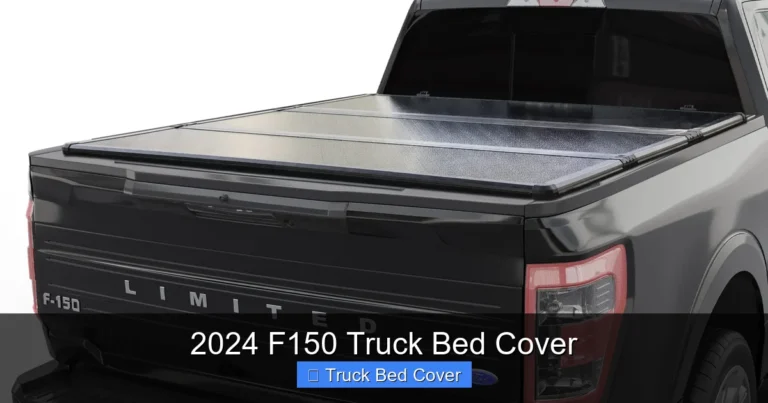
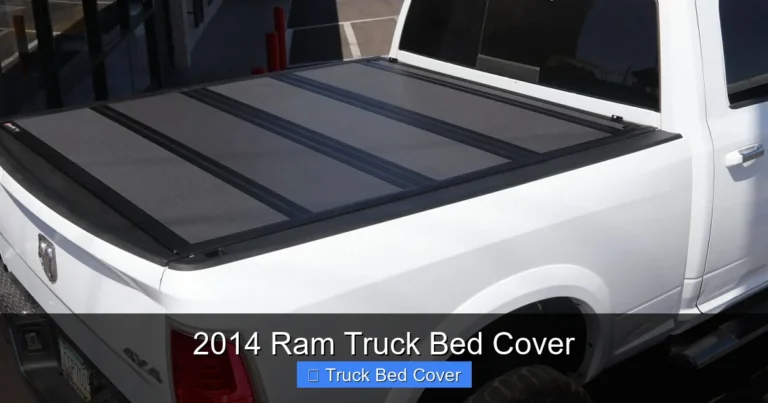
Hard folding covers like the BAK 70200 or Extang Solid Fold sit flat and lock securely in multiple positions. They’re great for frequent access without compromising durability.
Pros:
– Excellent protection against weather and theft
– Maintains shape even with rack weight
– Often includes built-in tie-down loops
Cons:
– Heavier than soft covers
– May limit rear window visibility when folded
These are ideal if you frequently carry fragile or valuable items inside the bed. Their solid surface also provides a stable base for attaching crossbars.
### Retractable Covers
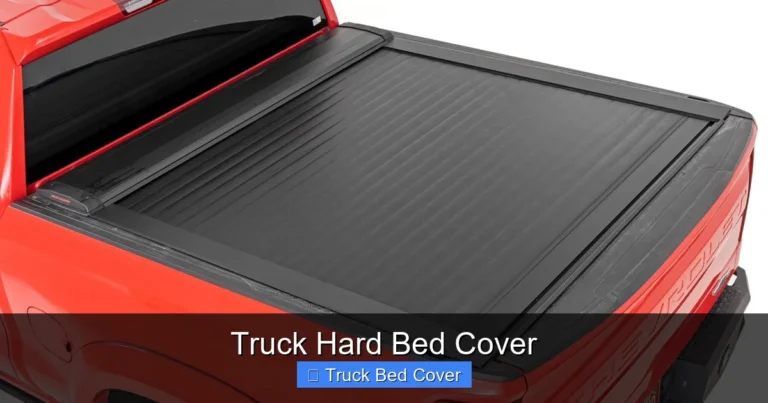
Think of these as sliding garage doors for your truck bed. Models like the TruXedo TruXport or Roll-up have smooth operation and full-bed coverage when closed.
Pros:
– Sleek, low-profile look
– No loose straps or buckles
– Great for urban drivers needing quick access
Cons:
– Higher price point
– Limited compatibility with very tall racks
Retractables usually require custom adapter kits for rack installation. But once set up, they offer one of the cleanest, most aerodynamic solutions available.
## Choosing the Right Bed Rack System
Now that you understand tonneau options, let’s talk about racks. There are several styles, but the most common types include:
– **Fixed Side Rails** – Simple bars running along the sides of the bed, perfect for lashing down gear.
– **Modular Crossbar Systems** – Adjustable bars that span the width of the bed, supporting baskets, bike racks, or cargo boxes.
– **Overhead Roof-Mount Racks** – Less common, but some hybrid systems mount directly atop the tonneau cover using specialized brackets.
For most users, a **modular crossbar system** offers the greatest flexibility. Brands like Yakima, Thule, and Leitner Designs make clamp-on versions that attach to existing bed rails without drilling into the truck frame.
Pro Tip: If your truck has plastic composite bed liners, avoid models that rely solely on rail clamps. Instead, choose a rack that uses bed bolts through the floor—this prevents shifting and damage to the liner.
### Weight Limits Matter
Always check the combined weight rating of both your tonneau cover and rack system. Most quality covers handle 250–400 lbs distributed evenly. Add that to the rack’s capacity (often 500+ lbs), and you’ll want to stay well within limits unless you’re towing or carrying emergency supplies.
Distribute weight evenly across the rack—never stack everything on one side. Use bungee cords, ratchet straps, or cam buckles to secure loads firmly. And remember: wind resistance increases significantly with height, so secure loose items tightly.
## Step-by-Step Installation Guide
Ready to put it all together? Here’s a general process for installing a truck bed rack over a tonneau cover:
1. **Clear the Bed** – Remove any debris, tools, or accessories from the truck bed floor.
2. **Position the Tonneau** – Ensure your cover is fully closed and locked. Some systems require the cover to be removed first—check instructions.
3. **Attach Rack Mounting Brackets** – Clamp or bolt brackets to the bed rails or use adhesive-backed plates if applicable.
4. **Install Crossbars** – Slide crossbars into place and tighten hardware securely. Don’t overtighten—this can warp metal or damage rubber gaskets.
5. **Test Stability** – Gently shake the rack to ensure nothing wobbles. Drive slowly around the block to test real-world performance.
6. **Add Accessories** – Once confirmed stable, add bike mounts, cargo carriers, or lighting as needed.
Most installations take less than two hours with basic tools (wrench, socket set, screwdriver). Watch brand-specific videos online—they often show exactly how to align parts and avoid interference with latches or tailgates.
## Real-World Applications and Use Cases
So what does this setup actually *do* for everyday truck owners? Let’s look at some common scenarios:
### Construction & Delivery Professionals
Contractors love using a **truck bed rack over tonneau cover** because it lets them carry pipe sections, drywall sheets, or paint cans on top while storing manuals, gloves, and snacks safely underneath. The cover keeps dust out during long drives, and the rack secures awkward-length items that wouldn’t fit in a regular cargo box.
### Outdoor Enthusiasts
RVers, hunters, and anglers benefit immensely. Load your cooler, first-aid kit, and camping chairs into the covered bed—then strap down your kayak, surfboard, or ATV on top. No more wrestling with roof tents that eat into interior space!
### Everyday Commuters with Hobby Gear
Even non-professionals enjoy the flexibility. Want to bike commute but also bring groceries? Bike rack on top, panniers inside the cover. Need to move furniture? Secure the sofa horizontally across the rack; keep lamps and rugs safe below.
### Emergency Responders & Fleet Vehicles
Fire departments, EMTs, and utility workers rely on rugged, adaptable setups. A reinforced rack holds medical equipment or generator parts, while the tonneau protects sensitive electronics from rain and dirt.
In every case, the key is planning ahead. Map out what you’ll carry, measure dimensions, and choose components rated for your typical load.
## Maintenance Tips for Longevity
Like any vehicle accessory, your rack and cover will last longer—and perform better—if you maintain them properly.
– **Clean Regularly:** Wash off salt, mud, or tree sap after long trips. Use mild soap and water; avoid harsh chemicals that degrade rubber seals.
– **Lubricate Moving Parts:** Apply silicone spray to hinges, latches, and sliding tracks once a season.
– **Inspect Bolts & Clamps:** Check monthly for looseness or corrosion. Tighten as needed.
– **Store Indoors When Possible:** Extreme heat or cold can warp plastics or weaken adhesives. If you leave the rack on year-round, give it a winter checkup.
Also, never overload the system beyond recommended specs. Overloading causes stress fractures in tonneau membranes and premature wear on rack joints.
## Safety Considerations
Safety should always come first. Here are a few reminders:
– **Secure Loose Items:** Anything on top must be tied down with straps rated for at least double the expected weight.
– **Check Clearance Height:** Make sure your loaded rack won’t hit low bridges or parking garage ceilings.
– **Use Reflective Markers:** If carrying tall loads, add flags or LED lights for visibility at night.
– **Avoid Blocking Taillights:** Ensure the rack design doesn’t obscure brake lights or turn signals.
And yes—while rare—accidents happen. Always wear seatbelts and drive cautiously when hauling extra weight above the cab.
## Cost Breakdown: What to Expect
Budget-friendly setups start around $200–$300 for a basic rack + soft cover combo. Mid-range options (hard fold + mid-tier rack) run $600–$900. Premium systems with retractable covers and professional-grade racks can exceed $1,500.
Don’t forget installation costs if hiring a pro—though many DIYers save hundreds by doing it themselves. Factor in shipping, taxes, and potential adapter kits when comparing total investment.
| Component | Entry-Level ($) | Mid-Range ($) | High-End ($) |
|———|——————|—————-|—————-|
| Tonneau Cover | 200–350 | 500–800 | 900–1,400 |
| Bed Rack | 150–300 | 400–600 | 700–1,000 |
| Installation Kit/Adapters | 50–100 | 50–100 | 100–150 |
| **Total Estimated Cost** | **400–750** | **950–1,500** | **1,700–2,550** |
Remember: spending more upfront often means fewer headaches later. Cheaper racks may bend under moderate loads; flimsy covers tear easily.
## Final Thoughts: Is This Right for You?
A **truck bed rack over tonneau cover** isn’t just a luxury—it’s a practical upgrade that pays for itself in saved time, reduced damage risk, and increased hauling confidence. If you regularly carry oversized items *and* need secure storage for smaller gear, this hybrid solution is worth serious consideration.
Start by assessing your current needs: How much space do you really use? What’s your typical payload? Are you in a rainy or dusty environment? Answering these questions will guide you toward the best tonneau and rack combination.
And don’t overlook resale value—well-maintained racks and covers often retain 70%+ of their original price if you decide to upgrade later.
At the end of the day, your truck is more than transportation—it’s an extension of your lifestyle. With the right setup, every drive becomes an opportunity to explore, work efficiently, or simply enjoy the ride.
—
Key Takeaways
- Understanding truck bed rack over tonneau cover: Provides essential knowledge
Quick Answers to Common Questions
Can I install a rack on any tonneau cover?
Not always. Some soft or low-profile covers may require adapter kits or special mounting brackets. Always verify compatibility with both the rack and cover manufacturers before purchasing.
Will the rack affect my truck’s fuel economy?
A small amount—usually 5–10% reduction due to added wind resistance. However, a well-designed bed rack is far more aerodynamic than a full roof basket, so the impact is minimal compared to other modifications.
Do I need to remove the tonneau cover to install the rack?
It depends on the model. Some racks clamp onto bed rails without removing the cover, while others require partial disassembly. Check your product manual or consult customer support for specifics.
How much weight can a typical bed rack hold?
Most quality systems support 500–750 pounds of dynamic load (moving cargo like bikes or kayaks). Static loads (stationary boxes) can be higher—but always stay within rated limits for safety.
Can I still open my tailgate with the rack installed?
Yes, as long as the rack is mounted securely and doesn’t extend past the tailgate hinge area. Many designs include offset brackets to preserve full tailgate function.
Frequently Asked Questions
What’s the difference between a tonneau cover and a bed rack?
A tonneau cover is a lid that protects cargo inside the truck bed from weather and theft. A bed rack is a frame system installed above or alongside the bed to carry larger items like bikes, kayaks, or cargo boxes. Combining both gives you maximum utility.
Is it safe to drive with a rack over a tonneau cover?
Yes, if installed correctly and used within weight limits. Just ensure all loads are securely fastened and the rack doesn’t block taillights or reduce rear visibility. Regular maintenance helps maintain stability.
Can I use solar panels or roof tents with this setup?
Absolutely! Many truck owners mount portable solar panels or compact roof tents on bed racks. Just confirm the rack can handle the added weight and that the tonneau remains accessible for interior storage.
Will the rack scratch my truck bed?
Only if improperly installed or made of abrasive materials. Quality racks use rubberized pads or powder-coated finishes to prevent damage. Avoid dragging heavy objects across bare metal frames.
How do I clean a rack installed over a tonneau cover?
Wash with mild soap and water. Use a soft brush for hard-to-reach areas. Never pressure-wash directly at mounting points, and always dry thoroughly to prevent rust.
Are there any state laws about bed racks and tonneau covers?
Laws vary by location, but most states allow bed racks as long as they don’t obstruct lights, license plates, or driver visibility. Always check local regulations—especially regarding height restrictions near roads.