Truck Bed Cover Types
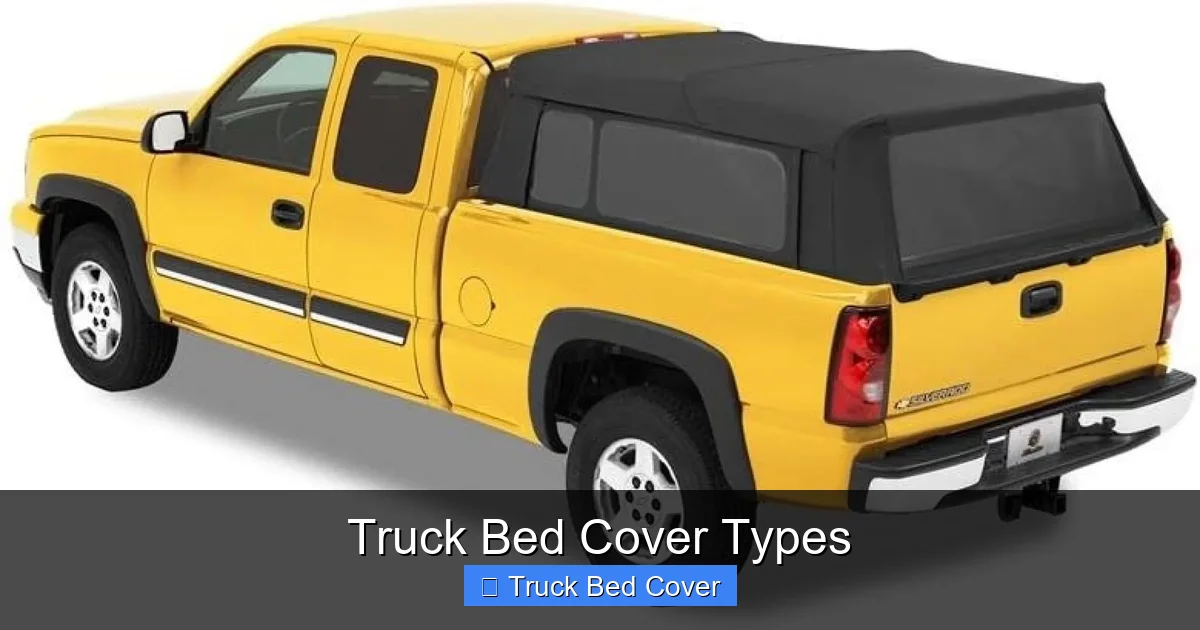
Choosing the right truck bed cover can transform how you use your truck—whether for work, adventure, or everyday hauling. From lightweight soft covers to heavy-duty hard shells, each type offers unique benefits in terms of security, weather protection, and cargo access. This guide walks you through the most popular truck bed cover types, helping you make an informed decision based on your needs, budget, and truck model.
Truck bed covers aren’t just accessories—they’re essential tools for protecting your cargo, improving fuel efficiency, and enhancing your truck’s appearance. Whether you’re a tradesperson hauling gear daily or an outdoor enthusiast loading camping gear for weekend trips, the right cover makes all the difference. With so many options available, it’s easy to feel overwhelmed. That’s why we’ve broken down every major truck bed cover type in one comprehensive guide.
From the budget-friendly soft roll-up to the sleek retractable models, each cover serves a different purpose. Some prioritize security, others value convenience, and a few balance both. In this article, we’ll walk you through the pros, cons, and real-world uses of each cover type. By the end, you’ll know exactly which truck bed cover fits your lifestyle, truck model, and hauling habits.
Key Takeaways
- Soft covers are affordable and easy to install but offer less security than hard covers.
- Hard covers provide superior protection and durability, ideal for tools and equipment.
- Retractable covers combine convenience with full bed access, perfect for frequent loading.
- Folding covers allow partial bed use and are great for mixed-use trucks.
- Roll-up covers are simple to use and offer quick access to cargo.
- Material matters: Vinyl, aluminum, fiberglass, and polycarbonate all impact performance and longevity.
- Installation ease varies: Some covers snap on in minutes, while others require professional help.
Quick Answers to Common Questions
Which cover is best for heavy-duty use?
A hard truck bed cover made of aluminum or fiberglass offers the best durability and security for heavy or frequent use.
Can I install a bed cover myself?
Yes! Soft and roll-up covers are designed for DIY installation, usually taking under an hour. Harder models may require professional help.
Do bed covers improve gas mileage?
Yes, a tight-fitting cover reduces wind resistance, potentially improving fuel efficiency by 5–10%.
Are soft covers waterproof?
Most high-quality soft covers are water-resistant, but prolonged exposure to rain may allow some seepage at seams.
Will a bed cover fit my truck?
Always check compatibility with your make, model, year, and bed length. Brands like Tonno Pro and TruXedo offer vehicle-specific kits.
📑 Table of Contents
- Why Invest in a Truck Bed Cover?
- Soft Truck Bed Covers: The Budget-Friendly Choice
- Hard Truck Bed Covers: Maximum Protection
- Retractable Truck Bed Covers: The Best of Both Worlds
- Folding Truck Bed Covers: Flexibility Meets Function
- Roll-Up Truck Bed Covers: Simple and Reliable
- Specialty and Hybrid Covers
Why Invest in a Truck Bed Cover?
Before diving into specific types, let’s talk about why you should even consider getting a cover. A quality truck bed cover does more than look good—it protects your cargo from rain, sun, theft, and general wear. For example, if you transport tools or electronics, a secure cover prevents prying eyes and keeps your items dry during storms. Even if you don’t carry valuable items, a cover improves aerodynamics, which can boost gas mileage by up to 10%.
Beyond function, covers also add style. A well-fitted cover gives your truck a polished, finished look that stands out in parking lots and job sites. Plus, they help regulate interior temperature—keeping the bed cooler in summer and warmer in winter. Whether you’re using your truck for work or play, a bed cover is a smart investment.
Soft Truck Bed Covers: The Budget-Friendly Choice
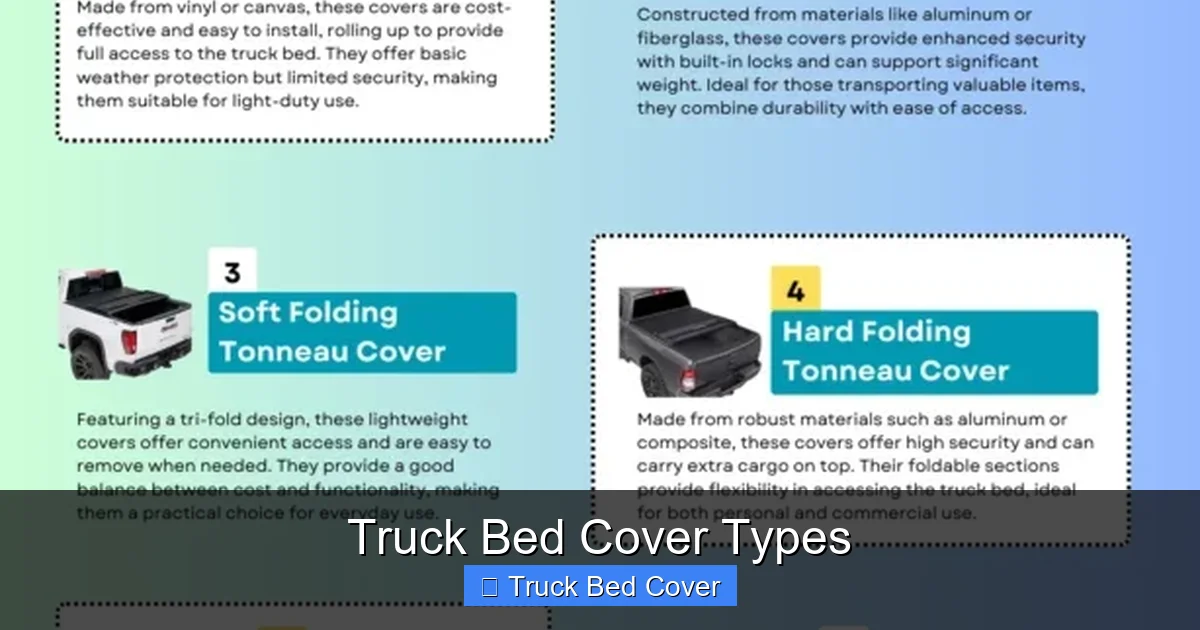
Visual guide about Truck Bed Cover Types
Image source: tonneauguide.com
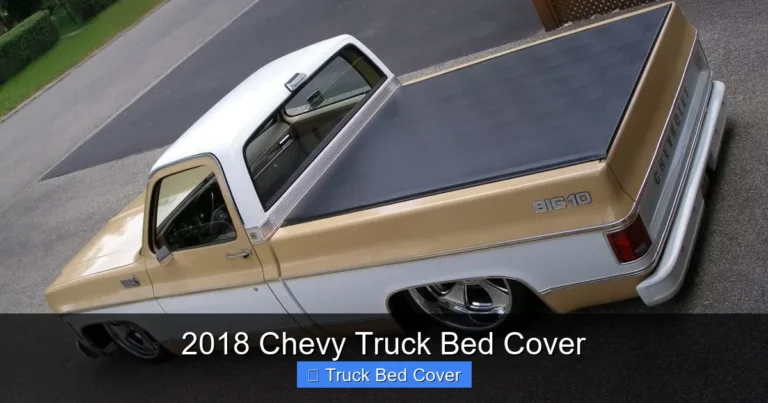
When it comes to affordability and simplicity, soft truck bed covers are hard to beat. These covers are made from heavy-duty vinyl stretched over a flexible frame, usually aluminum or steel. They’re designed to roll up and store in the front of the bed, giving you instant access when needed.
How Soft Covers Work
Most soft covers come with side rails or tailgate rails that attach to the inside of the bed. Once installed, the cover rolls forward like a window blind, exposing as much or as little of the bed as you need. Some models feature a locking mechanism at the cab wall to keep the cover secure when closed.
Pros and Cons
Soft covers are lightweight—usually under 50 pounds—making them easy to install and remove. They’re also inexpensive, with prices starting around $100. However, because they’re made of fabric, they’re less durable than hard covers and can tear under sharp loads or harsh weather. They also don’t lock securely, making them less ideal for high-theft areas.
Best For
If you drive in mild climates, haul light loads, and want a no-hassle solution, a soft roll-up cover is a solid pick. They’re especially popular among farmers, contractors, and DIYers who need quick access to their beds without sacrificing protection.
Hard Truck Bed Covers: Maximum Protection
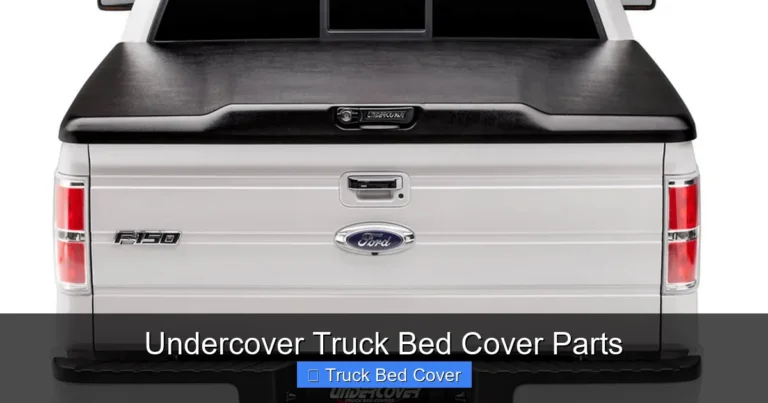
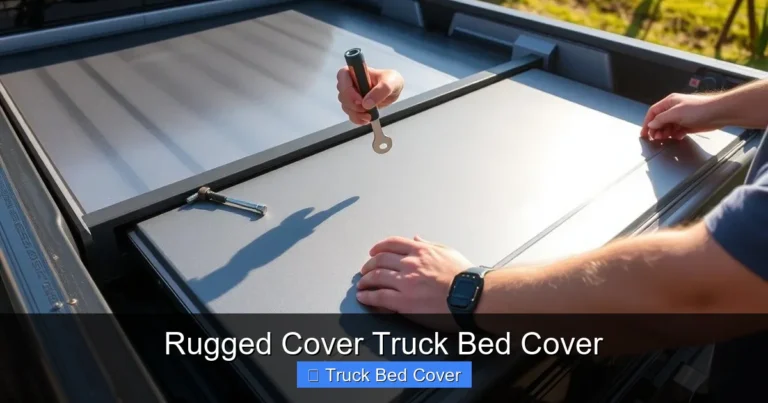
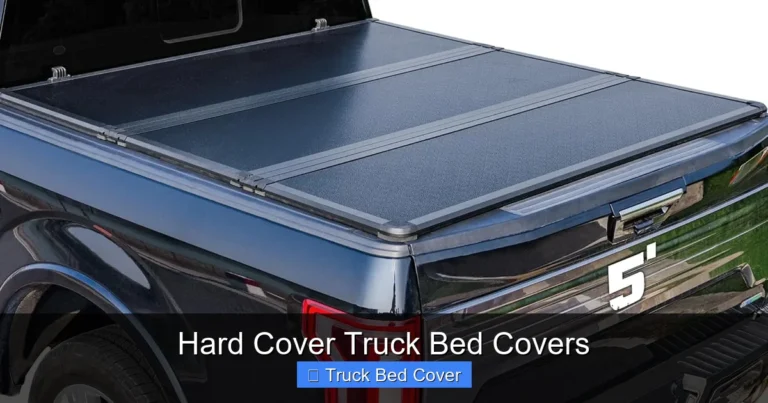
For those who demand top-tier security and durability, hard truck bed covers are the gold standard. These covers are constructed from rigid materials like aluminum, fiberglass, or reinforced plastic, offering a flat, flush surface over the entire bed.
Types of Hard Covers
There are two main styles: **lid-style** and **rack-mounted**. Lid-style covers sit directly on top of the bed rails and lock into place, creating a seamless look. Rack-mounted models attach to existing bed racks and offer additional storage space above the cover.
Advantages
Hard covers provide excellent theft deterrence, weather resistance, and structural support. They protect cargo from hail, snow, and UV rays while keeping prying eyes away. Many models also integrate with toolboxes or tie-down systems, maximizing utility.
Downsides
These covers are heavier—often over 100 pounds—and can be tricky to install. Fiberglass models may require professional installation due to weight and fragility. Prices range from $500 to $2,000+, depending on material and features.
Best For
If you transport expensive tools, equipment, or sensitive items, a hard cover is worth the investment. They’re ideal for fleet vehicles, construction sites, and anyone who values security and longevity.
Retractable Truck Bed Covers: The Best of Both Worlds
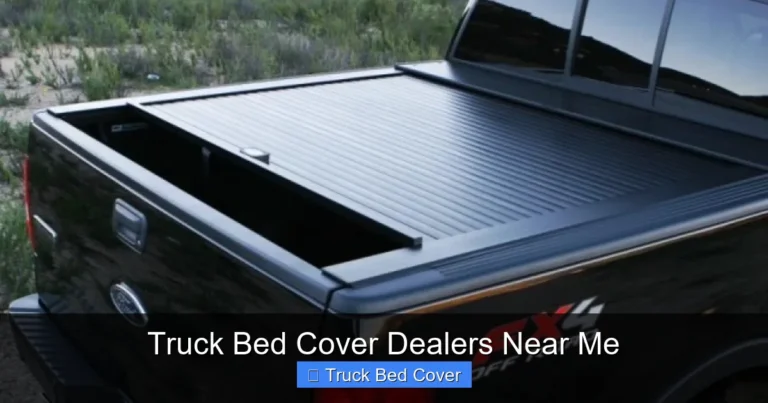
Imagine opening your truck bed like a garage door—smoothly, quietly, and completely. That’s what retractable covers offer. These motorized systems roll back into a compact drum mounted near the cab, allowing full bed access with the push of a button or manual crank.
How Retractables Operate
Retractable covers use tracks along the bed sides and a central drum to wind the fabric tightly. They often include remote controls, automatic locks, and weather seals. High-end models offer smartphone integration and battery backup.
Benefits
They provide full bed exposure, superior weather sealing, and a modern, tech-forward look. Unlike roll-ups, retractables stay neatly contained and don’t interfere with tailgate operation.
Considerations
These are the most expensive option—typically $1,000 to $3,000. Installation is complex and usually requires professional service. Also, if the motor fails, repairs can be costly.
Best For
Retractables suit drivers who frequently load large items, value convenience, and have the budget for premium features. They’re common among luxury truck owners and commercial users who prioritize efficiency.
Folding Truck Bed Covers: Flexibility Meets Function
Folding covers, also known as tri-fold or dual-fold models, consist of multiple panels connected by hinges. They fold forward in sections, allowing partial bed access without removing the entire cover.
Design and Use
Each panel folds flat against the next, stacking neatly in the cab area. This design means you can open just one section for small items or fully extend the cover for complete closure.
Strengths
They offer a middle ground between soft and hard covers—more secure than roll-ups but lighter and easier to install than lids. Most folding covers use aluminum frames with vinyl or canvas tops.
Weaknesses
Because they’re not fully flush, they don’t offer the same aerodynamic advantage as hard lids. Hinges can collect dirt and debris, requiring occasional maintenance.
Best For
Folding covers are great for mixed-use trucks—think landscapers who need to carry mulch one day and tools the next. They’re user-friendly and widely compatible with most bed lengths.
Roll-Up Truck Bed Covers: Simple and Reliable
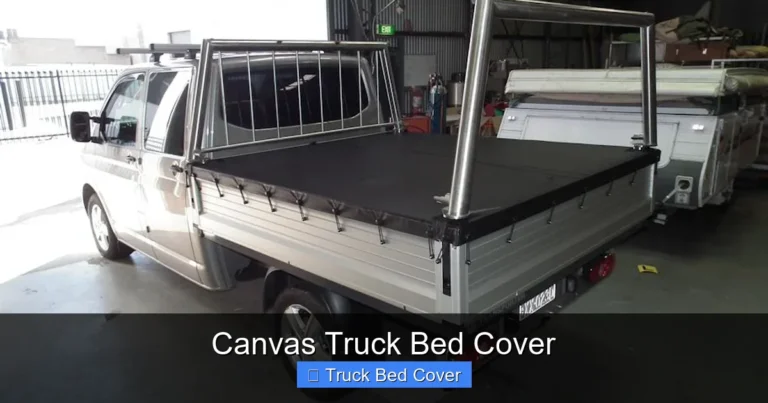
You might hear “roll-up” and “soft cover” used interchangeably, but there’s a slight distinction. Roll-ups are typically soft covers that roll forward and secure with straps or latches at the cab end. They’re among the most popular choices due to their balance of price, ease of use, and functionality.
Features to Look For
Quality roll-ups include reinforced stitching, UV-resistant vinyl, and sturdy side rails. Some models feature a built-in strap system that locks the cover in place without needing additional hardware.
Performance
While not as secure as hard covers, modern roll-ups offer decent weather protection and are quick to deploy. They’re less likely to snag or jam than older models.
Best For
If you want a dependable, low-maintenance cover that works well for everyday use, a roll-up is a smart choice. They’re especially popular among pickup truck owners who value versatility without overspending.
Specialty and Hybrid Covers
Not all covers fit neatly into one category. Some manufacturers offer hybrid designs that blend features from multiple types.
Hybrid Examples
– **Hard Tri-Fold Covers**: Combine a hard shell with folding mechanics.
– **Soft Roll-Up with Hard Top Panel**: Offers a hard front section for added rigidity.
– **Retractable with Hard Panels**: Uses durable materials in the rolling drum.
Customization Options
Many brands now offer customization—adding toolboxes, LED lighting, or pre-drilled holes for accessories. These options let you tailor your cover to your exact needs.
Ideal Users
DIY enthusiasts and professionals who want maximum flexibility often choose hybrid models. They’re perfect for trucks used in unpredictable conditions or for specialized tasks.
Frequently Asked Questions
What’s the difference between a soft and hard cover?
Soft covers are made of flexible vinyl over a metal frame and roll up easily. Hard covers use rigid materials like aluminum or fiberglass for maximum protection and security.
Can I add a bed liner with a cover?
Yes, many drivers install rubber or spray-on liners before adding a cover for extra bed protection and easier cleaning.
Do retractable covers require batteries?
Most retractable covers use a 12-volt power source from your truck’s battery, though some include backup batteries for emergencies.
How do I clean my bed cover?
Use mild soap and water with a soft cloth. Avoid abrasive cleaners that can damage vinyl or fabric surfaces.
Are there eco-friendly cover options?
Some companies now offer recycled materials in their cover fabrics and frames, reducing environmental impact without sacrificing performance.
Can I paint my hard bed cover?
Aluminum covers can be painted, but fiberglass and plastic ones usually cannot. Always follow manufacturer guidelines for finishing.