Truck Bed Cargo Cover
A truck bed cargo cover keeps your belongings safe from weather, theft, and dirt while extending your truck’s functionality. Whether you’re hauling tools, groceries, or outdoor gear, a durable cover ensures your load stays secure and protected. With so many styles available—soft roll-up, hard tri-fold, retractable, and tonneau covers—there’s a perfect option for every truck owner.
Key Takeaways
- Weather Protection: A truck bed cargo cover shields your items from rain, snow, dust, and UV rays, preventing damage and mold.
- Theft Deterrence: Covers hide valuable cargo, making it less visible to thieves and increasing security during stops or overnight storage.
- Improved Fuel Efficiency: Streamlined covers reduce wind resistance, slightly improving aerodynamics and fuel economy.
- Enhanced Truck Aesthetics: A well-fitted cover gives your truck a clean, finished look that boosts curb appeal.
- Easy Installation: Most covers are bolt-on or clamp-in systems that don’t require drilling or complex tools.
- Versatile Use Cases: Ideal for contractors, campers, farmers, and everyday drivers who need reliable cargo protection.
- Durability Matters: Choose materials like vinyl, aluminum, or canvas based on climate, usage, and budget.
Let’s face it: your truck is more than just a vehicle—it’s a mobile workspace, a camping basecamp, and sometimes even a storage locker on wheels. But what happens when you load up your bed with tools, equipment, or weekend gear and hit the open road? Without proper protection, everything can get soaked in a sudden downpour, damaged by shifting loads, or stolen from a roadside rest stop. That’s where a truck bed cargo cover comes in.
A quality cargo cover isn’t just an accessory—it’s a smart investment that protects your belongings, enhances your truck’s functionality, and even improves its resale value. From keeping dry during cross-country trips to hiding expensive equipment at job sites, these covers do it all. In this guide, we’ll walk you through everything you need to know about truck bed cargo covers: how they work, which type is right for you, installation tips, maintenance advice, and much more. Let’s dive in!
Key Takeaways
- Understanding truck bed cargo cover: Provides essential knowledge
Quick Answers to Common Questions
Can a truck bed cargo cover really improve gas mileage?
Yes! By smoothing airflow over your truck bed, a well-designed cover reduces aerodynamic drag. Studies show gains of 2–5% in highway fuel efficiency, especially on long trips.
Will a cargo cover damage my truck’s finish?
No—most modern covers use non-abrasive materials and clamp-on systems that don’t scratch paint or dent metal. Just avoid dragging sharp objects under the cover.
Are soft or hard covers better for heavy loads?
Hard covers win for heavy or bulky items because they distribute weight evenly and resist compression. Soft covers work well for light to moderate loads.
Do I need special tools to install a cargo cover?
Usually not! Most kits include basic hardware and instructions. Clamp-style installs require only a socket wrench or screwdriver. Professional help is optional.
How do I clean my cargo cover without damaging it?
Wipe with a damp cloth and mild soap weekly. For deep cleaning, use a soft brush and lukewarm water. Never use bleach or abrasive scrubbers—they degrade fabric and seals.
📑 Table of Contents
- What Is a Truck Bed Cargo Cover?
- Types of Truck Bed Cargo Covers Explained
- How a Truck Bed Cargo Cover Works
- Benefits of Using a Truck Bed Cargo Cover
- Choosing the Right Truck Bed Cargo Cover
- Installation & Maintenance Guide
- Top Brands & Models to Consider
- Real-Life Applications
- Final Thoughts: Why Every Truck Needs One
What Is a Truck Bed Cargo Cover?
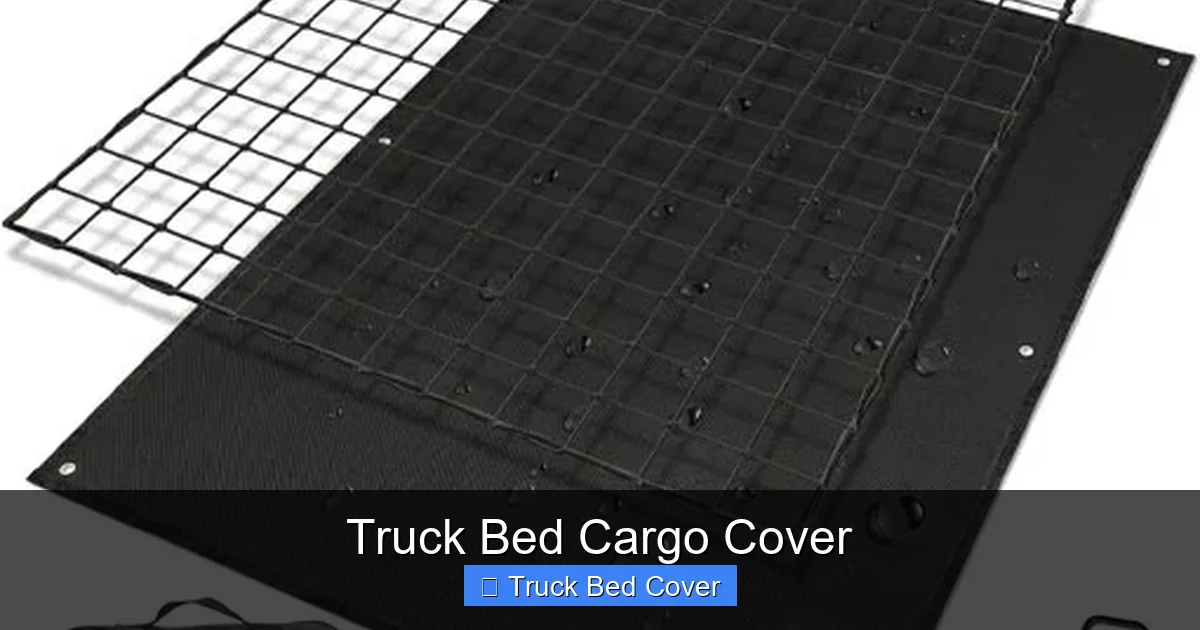
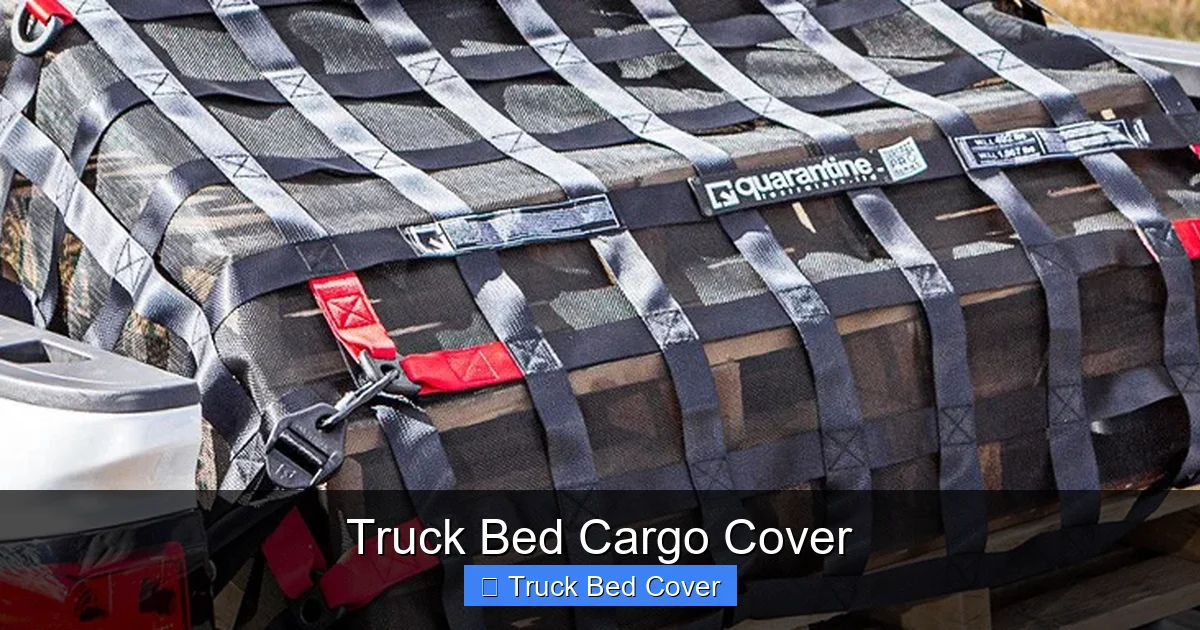
At its core, a truck bed cargo cover is a protective tarp-like system installed over the open area of your truck bed. It serves as a barrier between your cargo and the outside elements—whether that’s harsh sunlight, heavy rain, blowing sand, or curious eyes. These covers come in various designs, each tailored to different needs and truck models.
There are two main categories: soft and hard covers. Soft covers typically use fabric materials like vinyl or canvas, offering flexibility and affordability. Hard covers, such as aluminum or fiberglass panels, provide maximum security and durability but are often heavier and pricier. Some modern systems even combine both approaches—like retractable covers that offer soft convenience with hard-shell strength.
No matter the style, the goal remains the same: keep your stuff safe, secure, and out of sight. And thanks to advancements in design and materials, today’s covers are sleeker, lighter, and easier to use than ever before.
Types of Truck Bed Cargo Covers Explained
Visual guide about Truck Bed Cargo Cover
Image source: carid.com
Not all cargo covers are created equal. The best one for you depends on how you drive, what you carry, and where you live. Here are the most common types:
1. Soft Roll-Up Covers (Tonneau Covers)
These are the most popular choice among truck owners. Made from durable fabric stretched over an aluminum frame, soft roll-ups fold back toward the cab when not in use. They’re lightweight, easy to operate, and usually cost between $200 and $500.
Pros:
– Affordable and widely available
– Simple one-handed operation
– Doesn’t block rearview visibility much
– Easy to access cargo quickly
Cons:
– Less rigid than hard covers
– Can sag under heavy loads or strong winds
– Fabric may wear over time
Best for: Daily drivers, city commuters, and light-duty hauling.
2. Hard Tri-Fold Covers
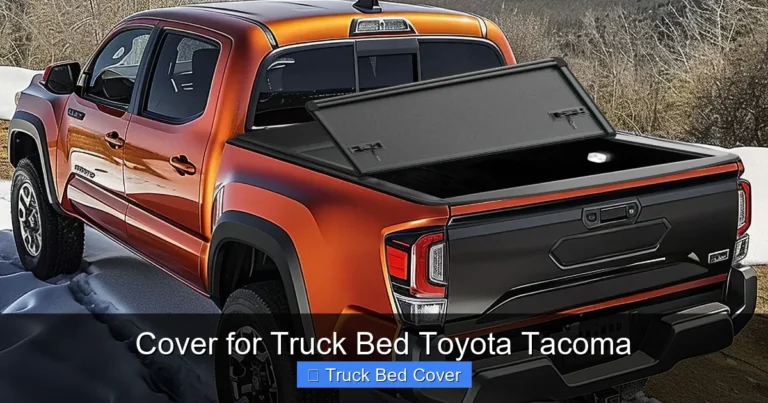
Hard tri-fold covers are made from solid materials—usually aluminum or fiberglass—and fold into three sections across the bed. They lock securely into place and often include built-in latches or straps.
Pros:
– Extremely durable and weather-resistant
– Excellent theft deterrent
– Maintains a low profile
– Long lifespan (8–10+ years)
Cons:
– Heavier than soft covers
– More expensive ($600–$1,500)
– May limit tailgate access
Best for: Contractors, hunters, and those carrying high-value items.
3. Retractable Hard Covers
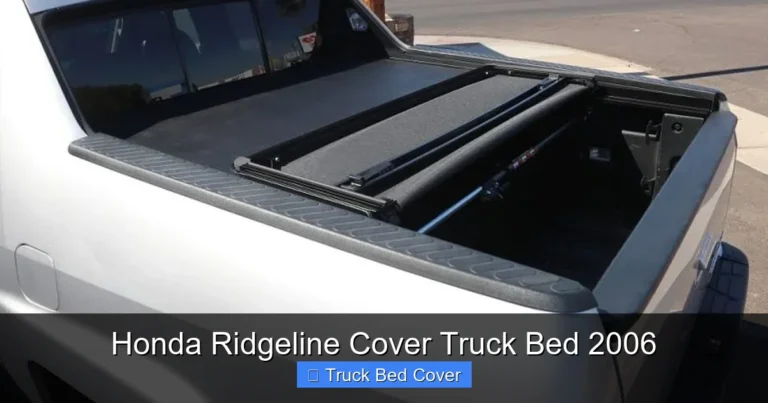
Retractables are premium covers that slide open and closed along rails mounted inside the bed. When fully retracted, they lie flat against the cab; when extended, they form a tight seal over the entire bed.
Pros:
– Sleek, flush-mounted design
– Full bed access when retracted
– Superior wind and water resistance
– High-end look and feel
Cons:
– Expensive ($1,200–$2,500+)
– Requires professional installation
– Slightly longer setup time
Best for: Long-haul truckers, luxury truck owners, and anyone wanting maximum protection with minimal hassle.
4. Folding Tonneau Covers
Similar to tri-folds but with two or more panels instead of three, folding covers offer a middle ground between soft and hard systems. They’re sturdy, relatively affordable, and provide good coverage.
Pros:
– Good balance of price and performance
– Multiple panel options for custom fit
– Easy to remove entirely if needed
Cons:
– Panels can trap moisture if not sealed properly
– May require occasional adjustments
Best for: Mixed-use drivers who want versatility without breaking the bank.
5. Accessory Covers & Tailgate Seals
For those who already have a basic tonneau but want extra protection, accessory kits add side and front seals. These prevent wind, rain, and debris from sneaking in around the edges.
Pros:
– Enhances existing cover performance
– Low-cost upgrade
– Quick DIY install
Cons:
– Adds complexity
– Not always compatible with all models
Best for: Upgrading older or cheaper covers for better sealing.
How a Truck Bed Cargo Cover Works
Understanding how your cover functions helps you choose the right one and use it effectively. Let’s break down the mechanics:
Installation Process
Most covers attach directly to your truck’s bed rails using clamps, bolts, or screws. No drilling is required on most modern systems. Clamp-style covers simply squeeze onto the rail; bolt-on versions use pre-drilled holes in the bed frame. Once mounted, you unfold, roll, fold, or retract the cover to expose or protect your cargo.
Sealing & Security Features
Quality covers include rubber gaskets, Velcro strips, twist locks, or magnetic seals to prevent water intrusion. Many also feature locking mechanisms—either integrated latches or external padlock-compatible designs—to deter theft.
Material Performance
Vinyl-coated polyester resists UV degradation and mildew. Aluminum extrusions won’t rust. Canvas blends durability with breathability. The right material depends on your environment: coastal areas demand salt-resistant coatings; mountainous regions need wind-tested rigidity.
Daily Operation Tips
– Always close the cover completely after loading.
– Use tie-down points to secure loose items underneath.
– Clean the cover monthly with mild soap and water.
– Check seals seasonally—replace worn gaskets promptly.
Benefits of Using a Truck Bed Cargo Cover
Beyond basic protection, there are several compelling reasons to install one:
1. Weatherproof Storage
Rain turns your bed into a swimming pool. Snow compacts into ice. Sun bleaches electronics and fades fabrics. A cargo cover creates a dry, shaded space that keeps contents intact year-round.
2. Theft Prevention
Visible cargo invites opportunistic thieves. By covering your load, you eliminate visual temptation. Even if someone tries to cut the cover, the effort required deters casual vandals.
3. Improved Aerodynamics
Flaps and uneven surfaces create drag. Smooth, low-profile covers slice through air more efficiently, reducing engine strain and boosting highway mileage by 2–5%.
4. Noise Reduction
Wind whipping around uncovered beds creates drone and vibration. A sealed cover dampens noise, making rides quieter and more comfortable.
5. Resale Value Preservation
Trucks with factory or aftermarket covers sell faster and at higher prices. Buyers see added value, functionality, and care in your listing.
6. Multi-Purpose Utility
Use your covered bed as a makeshift shelter, picnic table, or even a sunshade for passengers. Some owners convert covers into pop-up tents using poles and clips.
Choosing the Right Truck Bed Cargo Cover
With so many options, picking the best cover feels overwhelming. Follow this checklist:
Step 1: Know Your Truck Model
Covers aren’t universal. Measure your bed length (short, standard, long), width, and whether you have a step-side or flare-side bed. Compatibility charts are available on manufacturer websites.
Step 2: Define Your Needs
Ask yourself:
– Do I transport sensitive gear (electronics, documents)?
– Will I park outdoors frequently?
– Am I concerned about break-ins?
– How often will I open/close the cover?
Answering these guides your material and style choices.
Step 3: Set a Budget
– Entry-level: $150–$300 (soft roll-up)
– Mid-range: $400–$800 (folding or tri-fold)
– Premium: $1,000+ (retractable or custom-fit)
Remember: cheaper doesn’t always mean worse—but durability matters.
Step 4: Consider Climate
– Hot/dry climates: UV-resistant vinyl prevents cracking.
– Cold/wet climates: Look for reinforced stitching and waterproof liners.
– Coastal areas: Salt-resistant coatings extend life.
Step 5: Test Ease of Use
Visit an auto store, ask friends, or read reviews. Can you open/close it with one hand? Does it stay secure in 40 mph winds? Is it heavy to lift alone?
Step 6: Check Warranty & Support
Reputable brands offer 2–5 year warranties. Read fine print—some exclude seam tears or zipper failures.
Installation & Maintenance Guide
DIY Installation Basics
Most covers take under an hour. Steps typically include:
1. Unpack and lay out all parts.
2. Position rails or mounting brackets.
3. Secure using included hardware (clamps or bolts).
4. Attach cover mechanism.
5. Test operation and adjust tension.
Pro tip: Have a friend help hold the cover while you fasten latches—it makes alignment easier.
Common Installation Mistakes
– Over-tightening clamps (causes rail bending)
– Skipping torque specs (leads to loose fittings)
– Installing backward (cover won’t function)
– Ignoring clearance near tailgate (limits full closure)
Always follow the manual—even if it seems obvious.
Maintenance Routine
– Weekly: Wipe down surface with damp cloth.
– Monthly: Inspect seals and latches for wear.
– Seasonally: Apply silicone spray to moving parts.
– Annually: Deep-clean with mild detergent; avoid harsh chemicals.
Store the cover rolled loosely—don’t fold tightly or leave creases.
Troubleshooting Tips
– Cover sags? Adjust tension knobs or add support bars.
– Water leaks? Replace rubber seals or reseal seams.
– Difficult to open? Lubricate hinges with WD-40 or specialized spray.
Top Brands & Models to Consider
While we can’t endorse specific products here’s what experts consistently recommend:
– BakFlip MX4: Best hard tri-fold for value and durability.
– UnderCover Ultra Flex: Top-rated soft roll-up with excellent UV protection.
– TruXedo TruXport: Reliable soft cover trusted by millions.
– BakBox: Premium retractable with flush mount design.
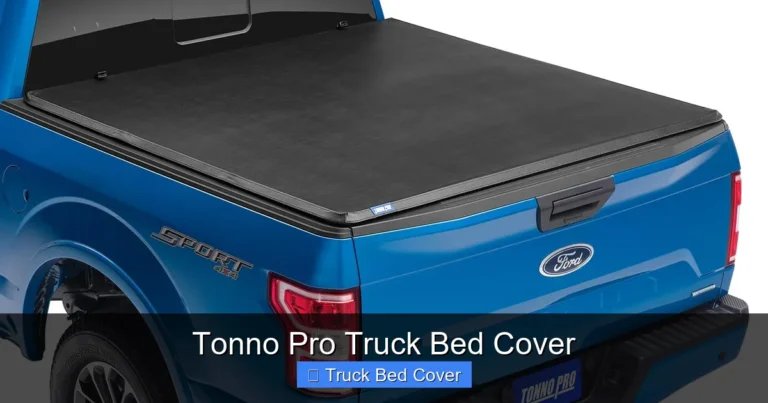
– Tonno Pro: Budget-friendly folding cover with strong build.
Compare warranties, customer ratings, and local availability before buying.
Real-Life Applications
Imagine you’re a contractor running errands between jobsites. Without a cover, your drill bits, saw blades, and extension cords get rained on, tangled, or stolen. With a tri-fold cover, everything stays dry, organized, and invisible to passersby.
Or picture a family road trip to the mountains. Their cooler, sleeping bags, and hiking gear are protected from dust and sun. The kids play games under the covered bed while parents relax knowing their stuff is safe.
Even everyday errands benefit: groceries stay fresh, pet supplies don’t smell like wet dog, and lawn mowers remain rust-free.
These aren’t edge cases—they’re real scenarios where a cargo cover makes life simpler, safer, and smarter.
Final Thoughts: Why Every Truck Needs One
A truck bed cargo cover isn’t just a nice-to-have—it’s a practical necessity for anyone who values their belongings, time, and peace of mind. Whether you drive a daily commuter, a workhorse pickup, or a weekend adventure rig, protecting your cargo pays dividends in reliability, security, and comfort.
From beginner buyers to seasoned truck enthusiasts, investing in the right cover means fewer headaches, less stress, and more enjoyment behind the wheel. And with technology advancing rapidly, today’s covers are sleeker, smarter, and more accessible than ever.
So next time you load up your bed, ask yourself: am I ready for anything? With a quality truck bed cargo cover, the answer is yes.
Frequently Asked Questions
What’s the difference between a tonneau cover and a cargo cover?
A tonneau cover is a type of cargo cover designed specifically for truck beds. All tonneau covers are cargo covers, but not all cargo covers are called tonneau covers. The term “tonneau” refers to the folding or rolling design.
Can I install a cargo cover myself?
Yes! Most covers are designed for DIY installation and take less than an hour. Clamp-on systems require no drilling, and detailed manuals guide you through each step.
Will a cargo cover fit any truck?
No—covers are made for specific truck models and bed sizes (short, standard, long). Always verify compatibility using your VIN or bed dimensions before purchasing.
How do I prevent mold on my cargo cover?
Ensure the cover dries completely after rain. Store it rolled loosely, not folded. Use a UV-protective cleaner annually and avoid leaving moisture trapped underneath.
Are cargo covers legal everywhere?
In most U.S. states and Canada, covers are legal as long as they don’t obstruct license plates, headlights, or taillights. Check local regulations—some rural areas restrict cover height.
Should I get a cover if I rarely use my truck bed?
Absolutely. Even unused beds collect dust, moisture, and debris. A cover preserves your truck’s resale value and keeps the bed looking new.