Tonneau Truck Bed Cover
A tonneau truck bed cover is a protective lid that fits over your truck bed, shielding cargo from weather, theft, and wear. Whether you’re hauling gear, tools, or groceries, the right cover keeps everything safe and secure while improving your truck’s fuel efficiency and appearance. From roll-up designs to hard folding models, there’s a tonneau cover for every need and budget.
Have you ever struggled with keeping your truck bed organized? Maybe it rains on your tools mid-haul, or someone tries to grab your gear when you’re not looking. If so, you’re not alone. That’s where a tonneau truck bed cover comes in—your new best friend for protecting, securing, and upgrading your ride. Think of it as a flexible, stylish, and practical upgrade that turns your truck bed into a sealed, protected space.
Whether you use your truck for work, weekend adventures, or just daily errands, a tonneau cover adds value in more ways than one. It’s not just about looks—it’s about function, safety, and peace of mind. In this guide, we’ll walk you through everything you need to know about tonneau truck bed covers: what they are, why they matter, how to choose the right one, and even how to install and maintain them. Let’s dive in!
Key Takeaways
- Protection: Tonneau covers guard your truck bed from rain, snow, dirt, and UV rays, keeping cargo dry and undamaged.
- Security: They deter theft by covering valuable items, especially important for work trucks carrying tools or equipment.
- Aerodynamics: Streamlined designs reduce drag, improving fuel economy and making long drives more efficient.
- Versatility: Available in soft roll-up, hard fold, retractable, and removable styles to suit different driving needs.
- Ease of Use: Most modern tonneau covers offer simple installation and operation without permanent modifications.
- Style: A well-chosen cover enhances your truck’s look, giving it a clean, professional appearance.
- Budget Options: Prices range widely—from affordable vinyl covers to premium aluminum models—so you can find one that fits your budget.
Quick Answers to Common Questions
Can a tonneau cover really improve gas mileage?
Yes! By reducing wind resistance, a well-designed tonneau cover can improve fuel efficiency by up to 10%, especially at highway speeds.
Are tonneau covers waterproof?
Most high-quality covers are designed to be water-resistant or waterproof, but no cover is 100% leak-proof in extreme storms. Proper sealing and maintenance help minimize issues.
Do I need special tools to install a tonneau cover?
Usually not. Most covers use simple clamps, bolts, or snap-on systems. Basic tools like a screwdriver or wrench are sufficient for DIY installation.
Will a tonneau cover work with a bed liner?
It depends. Some covers are designed to work with spray-in or drop-in liners, while others may interfere. Always check compatibility before buying.
How long do tonneau covers last?
With proper care, soft covers last 3–7 years, while hard covers can last 8–15 years. Exposure to harsh weather and rough handling affects lifespan.
📑 Table of Contents
What Is a Tonneau Truck Bed Cover?
At its core, a tonneau cover is a lid or panel system installed over the open bed of a pickup truck. The word “tonneau” comes from French and means “small barrel,” which gives you a hint about its purpose—to hold things safely. These covers come in various materials, styles, and mechanisms, but their main goal is the same: keep your cargo secure and protected.
There are two main types of tonneau covers: soft and hard. Soft covers are typically made of vinyl or canvas stretched over an aluminum frame. They’re lightweight, affordable, and easy to roll up or remove. Hard covers, on the other hand, use solid materials like fiberglass, ABS plastic, or aluminum panels. They offer better security and durability but may be heavier and more expensive.
Beyond basic protection, many tonneau covers are designed to be aerodynamic. This means they help reduce wind resistance at highway speeds, which can improve your truck’s gas mileage. For example, a study by the Department of Energy found that adding a well-designed tonneau cover could improve fuel economy by up to 10% in certain conditions.
Why Do You Need One?
Let’s face it—truck beds are open invitations for rain, dust, and prying eyes. Without a cover, your belongings get soaked during storms, your gear gets dirty, and opportunistic thieves can easily access what’s inside. A tonneau cover solves all these problems in one go.
Imagine loading up your truck with expensive camping gear, construction tools, or even groceries. Now imagine driving home in a sudden downpour—without a cover, everything gets wet and ruined. With a tonneau truck bed cover, you can rest easy knowing your cargo stays dry.
Plus, the added security makes a big difference. Many covers lock or latch tightly, requiring tools or effort to open. This discourages casual thieves and gives you peace of mind when parked in public places or job sites.
And let’s not forget aesthetics. A sleek, low-profile cover gives your truck a polished, factory-like look. It’s like adding a custom touch without breaking the bank.
Types of Tonneau Covers
Visual guide about Tonneau Truck Bed Cover
Image source: peragon.com
Not all tonneau covers are created equal. Choosing the right one depends on your needs, budget, and how you use your truck. Here’s a breakdown of the most popular types:
1. Roll-Up Covers (Soft)
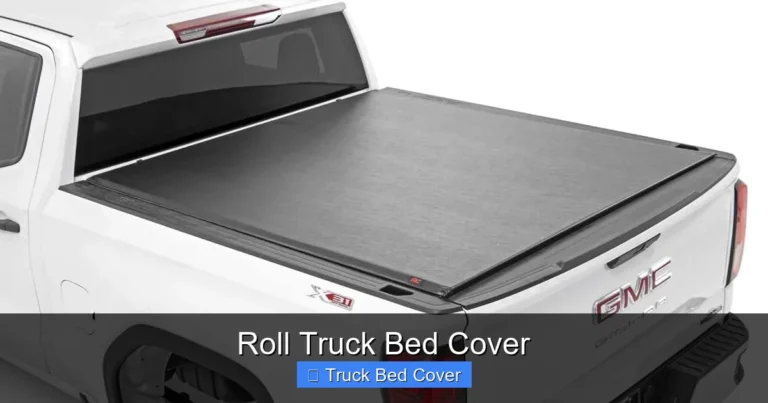
Roll-up tonneau covers are among the most common and affordable options. Made of heavy-duty vinyl stretched over a lightweight aluminum frame, they roll up toward the cab and secure with Velcro or latches. These are perfect if you want full bed access quickly and don’t mind a slightly less rigid structure.
Pros:
– Easy to install and remove
– Affordable (starting around $150)
– Allows full bed access when rolled back
– Lightweight
Cons:
– Less secure than hard covers
– Vinyl can stretch or tear over time
– May not handle heavy loads well
Ideal for: Everyday drivers, light-duty users, and those who need quick access to the bed.
2. Hard Folding Covers
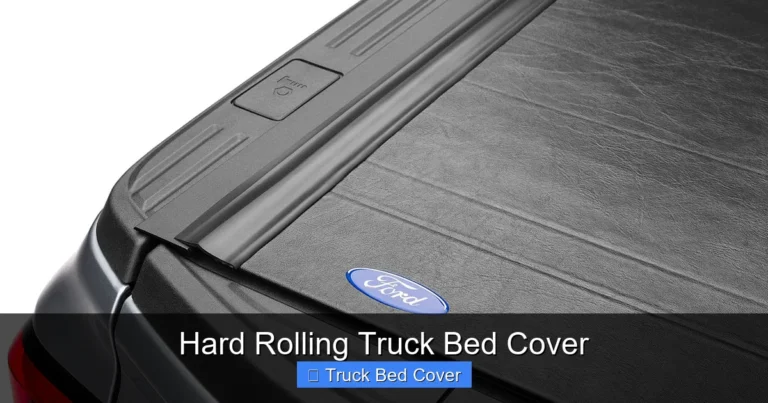
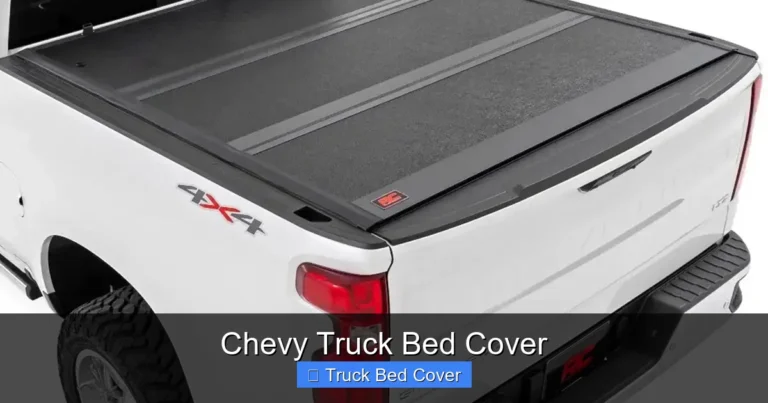
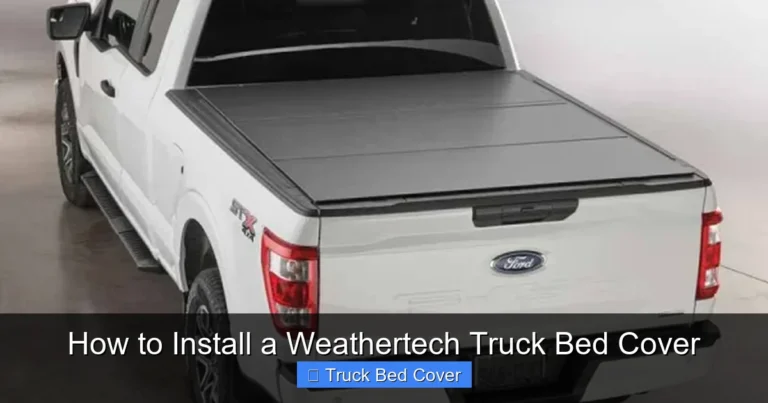
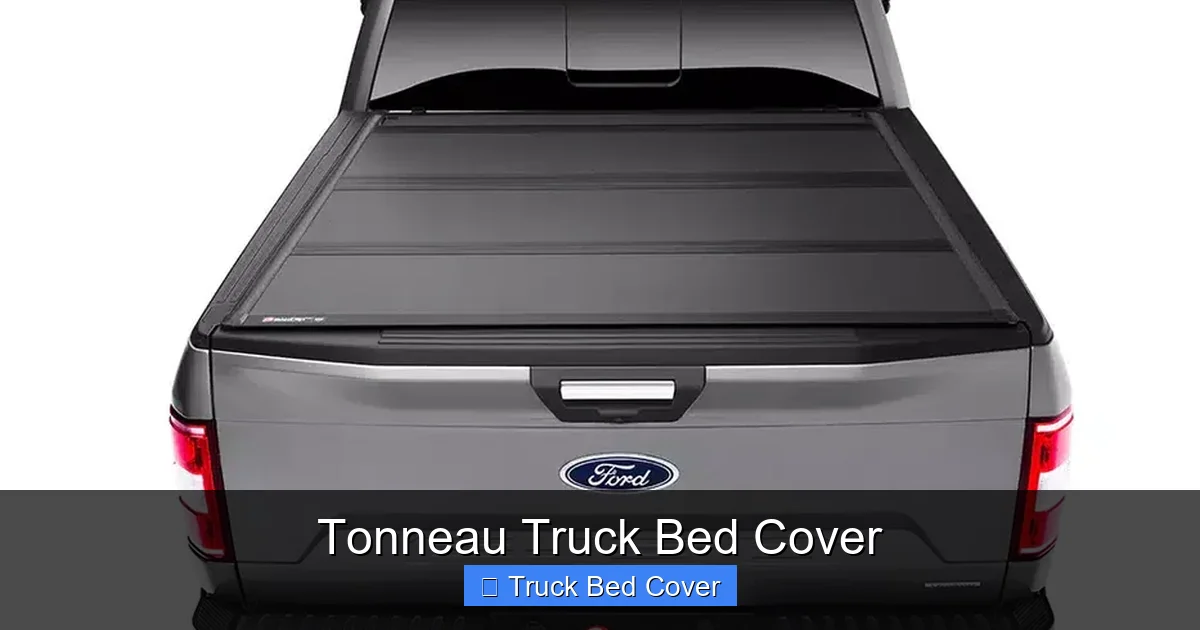
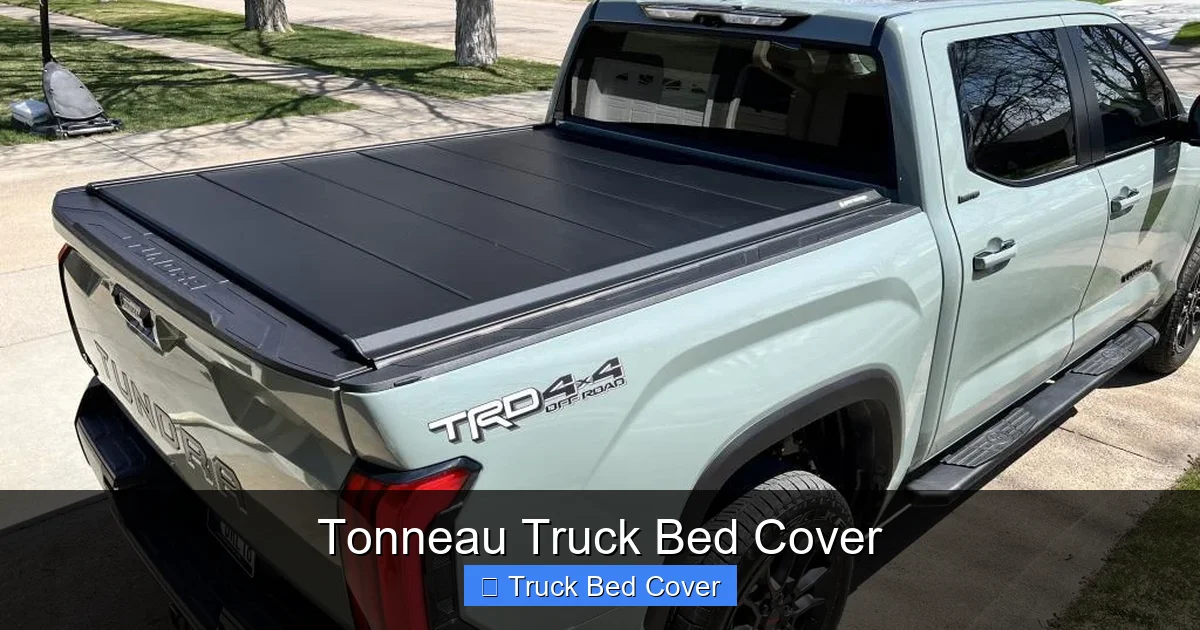
Hard folding covers consist of multiple rigid panels connected by hinges. When opened, they fold up against the cab like an accordion. These offer a balance between security and convenience.
Pros:
– Strong and durable
– Good security features (often lockable)
– Maintains a low profile
– Better weather sealing than soft covers
Cons:
– More expensive (typically $400–$800)
– Heavier than soft covers
– Slightly bulkier when folded
Ideal for: Tradespeople, off-roaders, and anyone needing both protection and partial bed access.
3. Retractable Covers
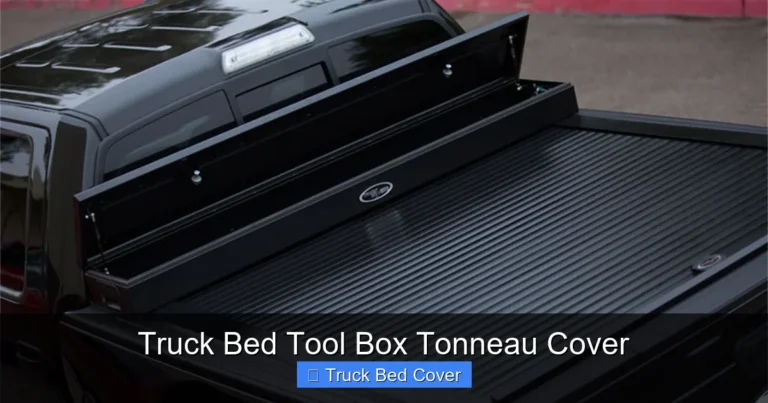
Retractable covers slide open using a motorized or manual mechanism. You can leave them fully closed, partially open, or completely retracted. These are often mounted on top rails and provide seamless access.
Pros:
– Smooth, tool-free operation
– Full bed access when needed
– Clean, integrated look
– Often compatible with accessories like racks
Cons:
– Higher cost (usually $800–$1,500+)
– Requires installation and maintenance
– Can be sensitive to moisture if seals fail
Ideal for: High-end users, frequent haulers, and those who want a premium experience.
4. Removable Covers
As the name suggests, these covers snap or bolt onto the truck bed and can be removed entirely when not needed. They’re usually made of solid materials like aluminum or fiberglass.
Pros:
– Maximum bed access
– Very sturdy and secure
– Easy to clean and maintain
Cons:
– Not always weathertight when removed
– Can be pricey
– May require drilling for installation
Ideal for: Users who rarely need coverage but want the option to add it when necessary.
5. Tri-Fold vs. Dual-Panel Covers
Within hard folding covers, you’ll see tri-fold (three panels) and dual-panel (two panels) designs. Tri-folds offer more flexibility in accessing different sections of the bed. Dual-panels are simpler and often lighter, but limit access to the front or rear only.
Benefits of Installing a Tonneau Cover
Investing in a tonneau truck bed cover isn’t just about aesthetics—it’s a smart move for functionality, safety, and even finances.
Weather Protection
One of the biggest advantages is keeping your cargo dry. Rain, snow, and dust can ruin electronics, documents, and tools. A quality cover creates a watertight seal that shields everything underneath. Even in light drizzle, your bed stays dry—thanks to overlapping panels and rubber gaskets.
Enhanced Security
Thieves target truck beds because they’re easy to access. A locked tonneau cover raises the barrier to entry. Unlike an open bed, a covered one requires effort to breach. Many models include side-mounted locks or central locking systems for added peace of mind.
Improved Fuel Efficiency
Did you know that a poorly sealed truck bed can increase drag? According to the U.S. Department of Energy, a tonneau cover can improve fuel economy by up to 10%. That’s because the cover smooths airflow over the bed, reducing turbulence and wind noise. Over thousands of miles, this adds up to real savings at the pump.
Better Cargo Management
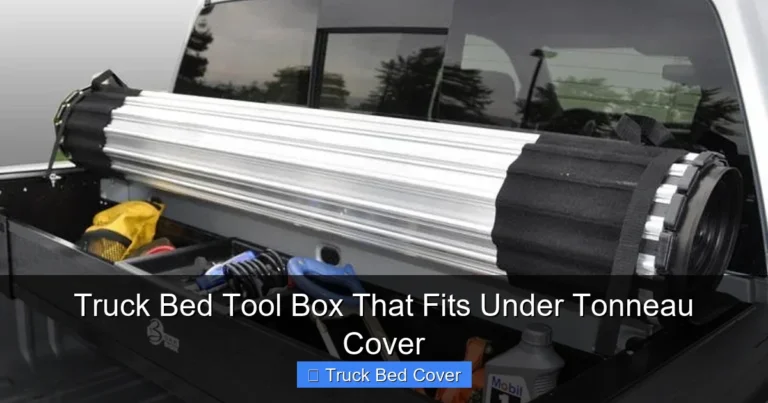
With a cover, you can organize your bed more effectively. Use bed dividers, bins, or tie-down points without worrying about items shifting or getting wet. Some covers even have built-in storage compartments or compatibility with bed liners.
Increased Resale Value
Trucks with tonneau covers often sell faster and at higher prices. Buyers appreciate the added protection and style. It’s a visible upgrade that signals care and attention to detail.
How to Choose the Right Tonneau Cover
With so many options out there, picking the right tonneau truck bed cover can feel overwhelming. But don’t worry—we’ve got you covered (pun intended).
Step 1: Determine Your Needs
Ask yourself:
– How often do I carry large or fragile items?
– Do I need full bed access regularly?
– Am I concerned about theft or weather?
– What’s my budget?
If you frequently transport long items like lumber or pipes, a retractable or removable cover might be best. If you mostly drive solo and carry small loads, a roll-up or tri-fold cover could suffice.
Step 2: Consider Your Truck Model
Tonneau covers are vehicle-specific. Always check compatibility before purchasing. Most brands list fitments by make, model, year, and bed length (short, standard, or long). Measure your bed carefully—even a half-inch difference can mean no fit.
Step 3: Evaluate Material and Build Quality
Cheap covers made of thin vinyl or flimsy frames won’t last. Look for reinforced edges, corrosion-resistant hardware, and UV-treated fabrics. Hard covers should feel solid and well-sealed.
Step 4: Think About Installation
Some covers snap on without tools; others require drilling or bolting. If you’re not handy, opt for plug-and-play models. Many retailers offer professional installation services for an extra fee.
Step 5: Check for Extras
Features like:
– Locking mechanisms
– Weatherstripping
– Drainage channels
– Compatibility with bed rails or racks
These add value and improve performance. Also, consider whether the cover works with a spray-in bed liner or drop-in bed mat.
Installation Tips and Maintenance
Installing a tonneau cover doesn’t require a degree in engineering—but it does need patience and the right tools. Here’s how to do it like a pro.
Tools You’ll Need
– Socket wrench or screwdriver set
– Measuring tape
– Level (optional but helpful)
– Lubricant (for moving parts)
– Cleaning cloth
Step-by-Step Installation Guide
- Clean the truck bed surface thoroughly.
- Unpack the cover and lay out all parts.
- Attach side rails (if included) using provided brackets.
- Align the cover over the bed and secure it according to instructions.
- Test the opening/closing mechanism.
- Check for gaps or misalignments and adjust as needed.
Pro Tip: Follow the manufacturer’s video tutorial if available. Visual guides save time and prevent mistakes.
Maintenance Best Practices
– Wipe down the cover monthly with mild soap and water.
– Lubricate hinges and moving parts annually.
– Inspect seals for cracks or wear.
– Avoid dragging heavy objects across the surface.
– Store soft covers indoors during harsh winters.
With proper care, your tonneau cover can last 5–10 years or more.
Top Brands and Recommendations
Not all tonneau covers are equal. Here are some trusted brands known for quality and reliability:
– BakFlip: Famous for durable hard folding and retractable models.
– UnderCover: Offers premium retractables with advanced locking systems.
– TruXedo: Popular roll-up covers with sleek designs.
– Tonno Pro: Budget-friendly roll-ups with good value.
– Leer: High-end removable caps for luxury trucks.
When reading reviews, pay attention to:
– Ease of installation
– Longevity
– Customer service
– Warranty terms
Many brands offer 2–5 year warranties, which is a good sign of confidence in their product.
Common Misconceptions About Tonneau Covers
Let’s clear up some myths.
Myth 1: “They block all bed access.”
False. Most modern covers allow full or partial access. Roll-ups and foldables give you instant access when needed.
Myth 2: “They’re too expensive.”
While high-end models cost more, basic roll-up covers start under $200. The ROI comes from protected cargo and better fuel economy.
Myth 3: “They’re hard to install.”
Most take less than two hours. DIY kits include everything you need—and detailed instructions.
Myth 4: “They’ll scratch my truck.”
Reputable covers use non-abrasive materials and soft-touch clamps. Just avoid dragging sharp tools over the surface.
Myth 5: “Only big trucks need them.”
Even compact pickups benefit. Every inch of exposed bed counts when it comes to weather and security.
Frequently Asked Questions
===
Do tonneau covers affect my truck’s warranty?
No. Installing a tonneau cover typically doesn’t void your factory warranty, especially if it’s bolted on properly. However, always consult your dealer if unsure.
Can I install a tonneau cover myself?
Yes, most tonneau covers are designed for DIY installation and come with step-by-step instructions. Professional help is optional but recommended for complex models.
Are tonneau covers compatible with all truck bed lengths?
No. Covers are made for specific bed sizes (short, standard, long). Measure your bed and check the product specifications before purchasing.
How do I clean my tonneau cover?
Use mild soap and water with a soft cloth. Avoid harsh chemicals or abrasive scrubbers. Dry thoroughly after cleaning to prevent mold or mildew.
Will a tonneau cover prevent condensation in the bed?
Partially. While it reduces moisture entry, trapped humidity can still cause condensation. Ventilated or hybrid models help improve airflow.
Can I add a tonneau cover to an older truck?
Absolutely. As long as your truck has a standard bed configuration, most covers will fit. Retrofit kits are available for older models.