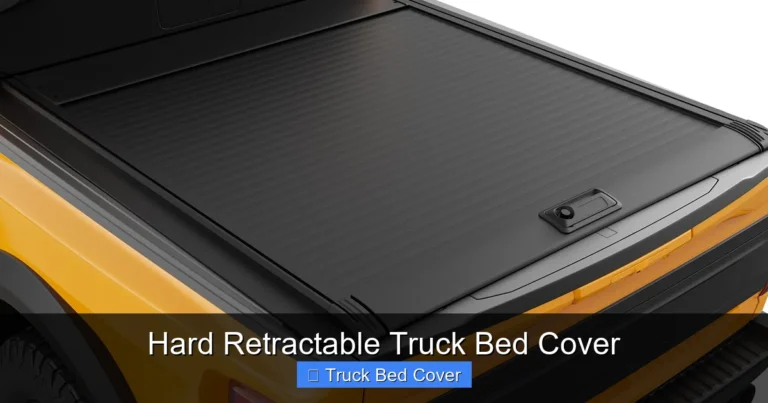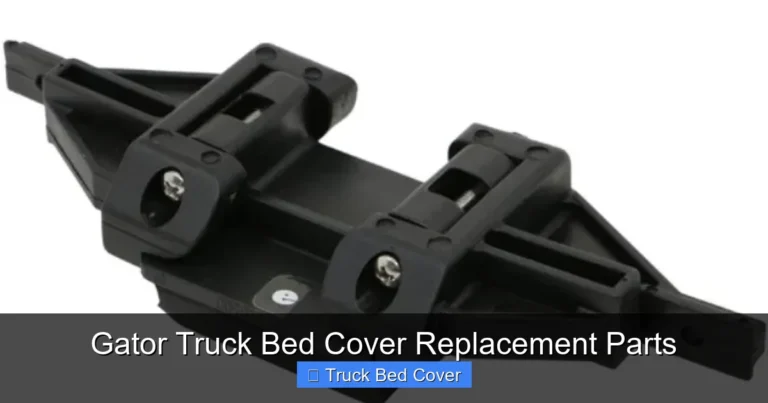
Roller Truck Bed Cover
A roller truck bed cover is a roll-up accessory that shields your cargo from weather, theft, and wear while offering quick access. Perfect for work trucks or daily drivers, it combines security with convenience in one sleek design.
Key Takeaways
- Easy Operation: A roller truck bed cover unrolls smoothly with minimal effort, letting you access your truck bed quickly.
- Weather Protection: Keeps tools, equipment, and supplies dry during rain, snow, or harsh sun exposure.
- Security Boost: Adds a layer of protection against theft and prying eyes when parked in public spaces.
- Versatile Use: Great for contractors, farmers, campers, and anyone who needs secure, covered cargo space.
- Low Maintenance: Most models require little upkeep—just occasional cleaning and lubrication at the rails.
- Custom Fit: Designed to match specific truck makes and model years for a snug, reliable seal.
- Cost-Effective: Offers excellent value compared to hard-top covers or full enclosures.
Quick Answers to Common Questions
How do I choose the right size roller truck bed cover?
Measure your truck bed carefully—length, width, and cab style matter. Most manufacturers list exact fitments by year, make, and model. Always double-check compatibility before purchasing.
Can I install a roller truck bed cover myself?
Yes! Most kits include detailed instructions and require only basic tools like wrenches and screwdrivers. Installation takes about 1–2 hours for beginners. No drilling or permanent changes are needed.
Will a roller cover protect my cargo from heavy rain?
Absolutely. High-quality roller truck bed covers feature water-repellent fabrics and sealed edges. They keep most rain out, though extreme downpours may require extra caution or supplemental tarps for very valuable items.
Are roller covers noisy on the highway?
Modern designs minimize wind noise. Properly installed covers with tensioned fabric and sealed edges create little drag. At speeds below 60 mph, airflow is smooth and quiet.
Can I add a lock to my roller truck bed cover?
Many models come with built-in locking mechanisms or allow aftermarket locks. Check your cover’s specs—some include tailgate locks, while others have keyed latches on the canister.
📑 Table of Contents
- What Is a Roller Truck Bed Cover?
- Why Choose a Roller Truck Bed Cover?
- Types of Roller Truck Bed Covers
- How to Install a Roller Truck Bed Cover
- Maintenance and Care
- Best Uses for a Roller Truck Bed Cover
- Comparing Roller Covers to Other Tonneau Types
- Choosing the Right Roller Truck Bed Cover
- Top Brands and Models to Consider
- Troubleshooting Common Issues
- Final Thoughts: Is a Roller Truck Bed Cover Worth It?
What Is a Roller Truck Bed Cover?
A roller truck bed cover is a type of tonneau cover designed for pickup trucks. Unlike fixed hard covers that permanently shield the entire bed, a roller cover rolls open like a window blind or garage door. It consists of a heavy-duty vinyl or canvas material stretched over a metal or aluminum frame mounted along the inside of the truck bed rails.
When you need to load or unload items, simply pull the cover back to roll it into a compact storage canister located near the cab. This design keeps your cargo protected when rolled closed and gives you full access when rolled open. Whether you’re heading to a job site with power tools or loading camping gear, a roller truck bed cover offers both convenience and protection in one package.
Why Choose a Roller Truck Bed Cover?
If you drive a pickup truck regularly, you know how exposed your bed can be. Rain turns tools into rusty messes, strong winds knock over loose items, and curious eyes can spot expensive equipment. A roller truck bed cover addresses all these issues with practical simplicity.
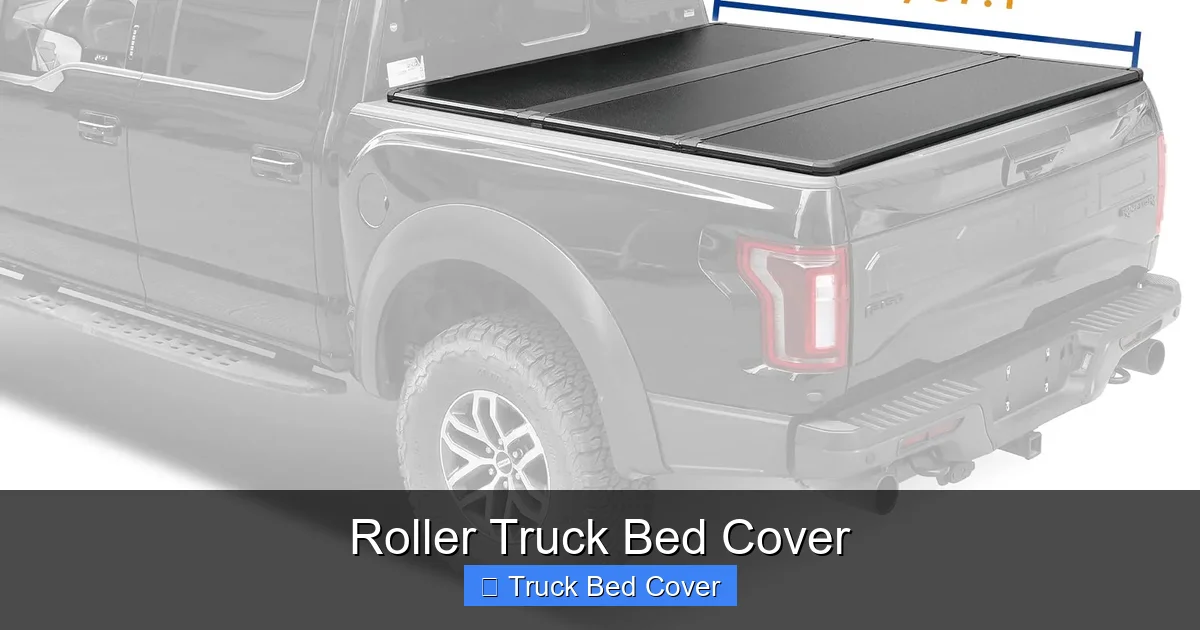
Visual guide about Roller Truck Bed Cover
Image source: precisionequipmfg.com
These covers are especially popular among professionals who use their trucks for work. Electricians, plumbers, landscapers, and contractors rely on secure, weatherproof storage for sensitive tools and materials. But even weekend warriors benefit from having a covered bed—think campers storing coolers or boaters keeping gear safe from salt spray.
Top Benefits at a Glance
- Full Bed Access: No obstructions—load from side or rear without removing the cover.
- Quick Deployment: Roll open in seconds using a manual crank or spring-assisted mechanism.
- Durable Materials: Rated for UV resistance, water repellency, and tear strength.
- Affordable Security: More budget-friendly than full cab-over enclosures.
Types of Roller Truck Bed Covers
Not all roller truck bed covers are built the same. Manufacturers offer several variations based on material, mounting system, and intended use. Understanding the differences helps you pick the right one for your truck and lifestyle.
Manual vs. Motorized Roll-Up Covers
The biggest decision comes down to operation style. Manual roller truck bed covers rely on human power—you crank or push the cover back into its canister. These are lighter, quieter, and less expensive. They’re ideal if you don’t mind a little physical effort or park in areas where noise matters (like neighborhoods or hospitals).
Motorized roller truck bed covers use an electric motor powered by your truck’s battery. With the push of a button, the cover rolls up automatically. This is perfect if you frequently carry heavy loads or have limited mobility. Just note: motorized systems cost more and may require professional installation.
Material Choices: Vinyl, Canvas, and Polyester
Each material brings unique strengths:
- Vinyl: Water-resistant, easy to clean, and budget-friendly. Best for mild climates.
- Canvas: Breathable, quieter than vinyl, and better at resisting UV fade. Slightly heavier.
- Polyester: High tensile strength, tear-resistant, and often treated for water and UV protection. Premium choice.
Canister Location: Under-Cab vs. Rear-Mounted
Roller truck bed covers store their rolled-up material either under the cab (closest to the windshield) or at the tailgate end. Under-cab designs keep the bed clear and allow easier access when parked close to walls or fences. Rear-mounted canisters take up space in the bed but may be simpler to install on older truck models.
How to Install a Roller Truck Bed Cover
Most roller truck bed covers come as complete kits with step-by-step instructions. Installation typically takes 1–2 hours and requires basic tools like a socket wrench and screwdriver. No welding or permanent modifications are needed—these covers bolt directly to existing bed rails.
Step-by-Step Installation Guide
- Prepare Your Truck: Clean the bed rails thoroughly. Remove any debris or old hardware.
- Mount the Canister: Secure the front canister near the cab using provided brackets. Tighten bolts evenly.
- Attach Side Rails: Slide the side rail assemblies along the bed sides. Ensure they align perfectly with the cab and tailgate.
- Install the Cover Panel: Feed the fabric through the side rails and attach the rear end to the tailgate bracket.
- Test the Mechanism: Roll the cover open and closed a few times to check smoothness. Adjust tension if needed.
Pro Tips for Success
- Use thread-locking compound on bolts to prevent loosening from road vibrations.
- Lubricate track rollers every 6 months with silicone spray for smoother operation.
- Double-check alignment before fully tightening bolts—misaligned tracks cause binding.
Maintenance and Care
A roller truck bed cover is built to last, but proper care extends its life significantly. The good news? Maintenance is simple and doesn’t take much time.
Cleaning Routine
Wipe down the cover weekly with a damp cloth and mild soap. Avoid abrasive cleaners or high-pressure washes, which can damage the fabric coating. For stubborn stains, use a soft brush with soapy water, then rinse immediately.
Winter Care
In snowy regions, remove accumulated ice and snow after each trip. Never pry off ice with metal tools—this can scratch the surface. Instead, gently brush it away or let it melt naturally.
Storage Tips
If you won’t use your truck for an extended period, roll the cover fully closed and secure it tightly. This prevents stretching and keeps rodents out. Also, park in a garage whenever possible to reduce UV exposure.
Best Uses for a Roller Truck Bed Cover
This isn’t just another accessory—it’s a functional upgrade that adapts to your needs. Here’s where roller truck bed covers shine:
For Contractors and Tradespeople
Imagine arriving at a construction site with wet paint cans, electrical panels, or delicate instruments. Without a cover, everything risks water damage. With a roller truck bed cover, your gear stays dry and secure until you’re ready to use it. Plus, the low profile doesn’t block rearview visibility like taller hard tops might.
Outdoor Enthusiasts
Camping trips, fishing excursions, or hunting adventures demand reliable storage. Keep coolers, tents, and firearms protected from rain and animals. Many roller covers include tie-down points for straps or bungee cords—perfect for securing bulky gear.
Everyday Commuting
Even if you don’t haul tools every day, a covered bed adds peace of mind. Groceries stay dry, kids’ sports equipment doesn’t blow away, and personal items aren’t visible to passersby. It’s a small change that makes driving safer and more comfortable.
Rural and Farm Use
Farmers and ranchers often transport feed, hay bales, or livestock supplies. A roller truck bed cover prevents spoilage from morning dew or afternoon showers. Its roll-up feature also lets you drop off items directly beside barns or silos without unloading the whole bed.
Comparing Roller Covers to Other Tonneau Types
You might wonder why choose a roller truck bed cover over other tonneau options like retractable, tri-fold, or solid hard shells. Each has pros and cons depending on your priorities.
Roller vs. Retractable Covers
Both roll open, but retractables store the cover under the bed—giving you 100% bed access. However, they’re heavier, more complex, and pricier. Roller covers sit on top, making them lighter and easier to maintain. If you don’t need every inch of floor space, a roller cover wins for simplicity and affordability.
Roller vs. Hard Shell Covers
Hard shells (fiberglass, aluminum, or plastic) offer maximum security and weather sealing but block full bed access. You must remove them entirely to use the bed. Roller covers give instant access while still protecting contents—ideal if you switch between loaded and empty beds often.
Roller vs. Soft Tri-Fold Covers
Tri-folds are cheaper and lighter than rollers, but they fold into three sections, creating height bumps. They also offer less weather resistance and weaker theft deterrence. For frequent use and durability, roller truck bed covers outperform tri-folds.
Choosing the Right Roller Truck Bed Cover
With dozens of models available, narrowing your options starts with matching the cover to your truck and habits.
Match Your Truck Model
Always verify compatibility before ordering. Measure your bed length, width, and cab style (standard vs. crew cab). Some covers fit only short beds or extended cabs. Brands like TruXedo, UnderCover, and BAK Mileage provide detailed fit guides online.
Consider Climate Conditions
If you live in a hot, sunny area, prioritize UV-treated fabrics. In cold climates, ensure the cover doesn’t stiffen in freezing temperatures. Canvas and polyester handle temperature swings better than standard vinyl.
Evaluate Security Needs
For high-value tools or electronics, look for covers with reinforced latches, lockable canisters, or integrated tailgate locks. These add layers of protection beyond what fabric alone provides.
Budget Wisely
Entry-level roller covers start around $200. Mid-range models ($350–$600) offer better materials and warranties. Top-tier motorized versions exceed $1,000. Decide how much you’re willing to spend based on frequency of use and cargo value.
Top Brands and Models to Consider
While there are many quality roller truck bed covers on the market, a few brands consistently earn praise for reliability and customer service.
TruXedo TruRamper
Known for smooth operation and rugged construction, the TruRamper uses marine-grade vinyl and aluminum rails. It’s a favorite among contractors due to its balance of price and performance. Easy to install and backed by a 3-year warranty.
UnderCover FlexRoll
This premium option features a dual-tension system for extra tightness and quiet operation. The FlexRoll includes a built-in LED light strip and optional remote control. Ideal for luxury trucks or those who want top-of-the-line features.
BAK Flip EZ
Though technically a hybrid, the BAK Flip EZ combines roll-up convenience with the security of a hard shell. It rolls into a low-profile canister but locks like a traditional tonneau. Great compromise between accessibility and protection.
BedRug Roll-Up
Unique among roller covers, BedRug uses carpeted fabric for added cushioning and noise reduction. Perfect for hauling fragile items or protecting vehicle finishes when sliding objects in and out.
Troubleshooting Common Issues
Even the best roller truck bed cover can develop minor problems over time. Knowing how to fix them saves frustration and repair costs.
Cover Won’t Roll Smoothly
This usually means dirt or debris has jammed the tracks. Open the cover partially, then clean the side rails with compressed air or a soft brush. Apply silicone lubricant sparingly to moving parts.
Fabric Sags or Stretches
Over time, fabric loses tension. Most kits include adjustment screws at the tailgate. Loosen the screws, reposition the fabric tautly, then retighten. Don’t overtighten—this strains the material.
Water Leaks Around Edges
Check the rubber seals at the cab and tailgate. Replace worn gaskets if necessary. Ensure the cover rolls completely flush against the rails—gaps invite moisture.
Canister Won’t Hold Cover Closed
Inspect the latch mechanism. Sometimes dust builds up, preventing a firm seal. Clean the latch and apply light grease. If the spring inside is weak, contact the manufacturer—most warranties cover defects.
Final Thoughts: Is a Roller Truck Bed Cover Worth It?
If you own a pickup truck, chances are you’ve dealt with rain-slicked tools, wind-blown trash, or unwanted glances at your belongings. A roller truck bed cover solves these everyday frustrations with a clever blend of protection and accessibility.
Yes, there’s an upfront cost—but think of it as investing in peace of mind. Whether you’re a tradesperson needing reliable storage or a family man wanting to protect weekend gear, this accessory delivers real value. And because it’s so easy to use, you’ll actually remember to deploy it every time you park.
With proper care, a quality roller truck bed cover lasts 5–10 years. That’s decades of dry, secure cargo space. When you factor in the convenience, safety, and resale value boost it provides, it’s not just worth it—it’s essential.
Frequently Asked Questions
Do roller truck bed covers work in snowy climates?
Yes, but with some precautions. Remove snow buildup regularly to avoid strain on the fabric and tracks. Use covers with cold-weather-rated materials to prevent cracking or stiffness in freezing temperatures.
Can I wash my roller truck bed cover with a pressure washer?
It’s not recommended. High-pressure water can force moisture into seams and damage adhesives. Instead, wipe the cover with a damp sponge and mild soap, then rinse gently with a hose.
How long does it take to roll up a roller truck bed cover?
Manual covers typically take 10–30 seconds to roll open or closed. Motorized versions do it instantly with a button press. Speed depends on cover size and mechanism condition.
Are roller covers compatible with bed liners?
Most roller truck bed covers work with spray-on or drop-in liners. However, always confirm compatibility with your specific liner brand and model before installing both together.
Can I leave my roller cover partially rolled back overnight?
It’s generally safe for short periods (a few hours), but prolonged exposure to sun and rain weakens fabric over time. For long-term storage, always roll the cover completely closed and secured.
What’s the difference between a roller cover and a retractable cover?
Retractables store the cover under the bed, giving full access but adding weight and complexity. Roller truck bed covers sit on top, offering easier maintenance and quicker deployment without sacrificing bed space.