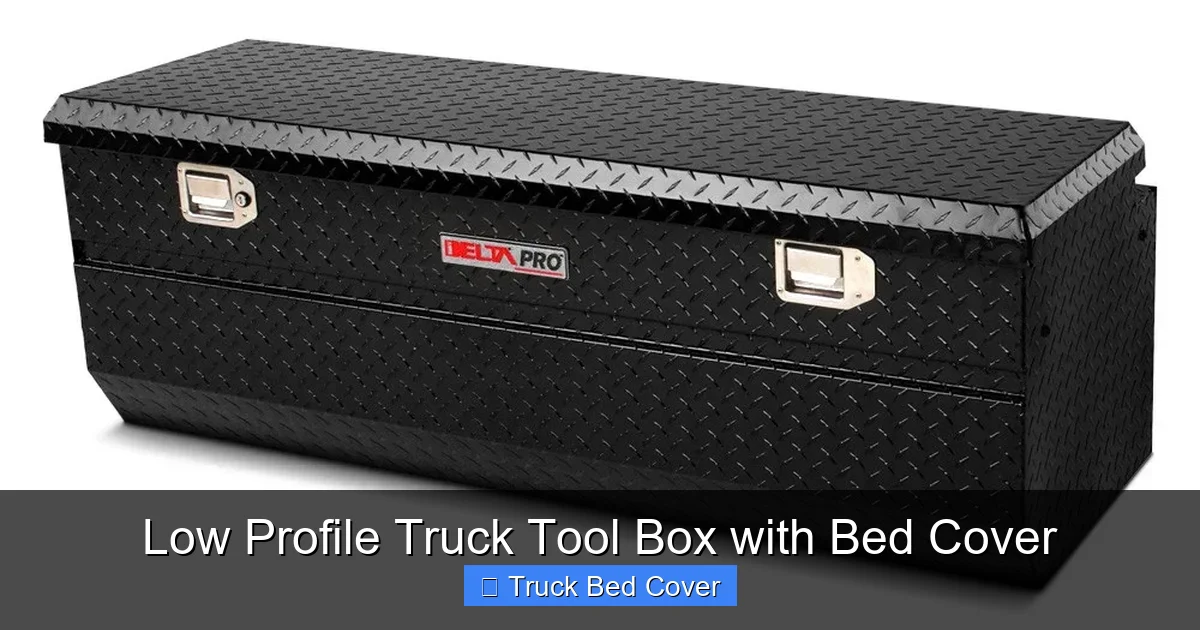
Low Profile Truck Tool Box with Bed Cover
A low profile truck tool box with bed cover combines secure storage with a streamlined design, ideal for truck owners who need both functionality and style. These boxes sit closer to the truck bed floor, offering easy access without sacrificing cargo space or aerodynamics. Whether you’re hauling gear for work or weekend adventures, this setup keeps your tools organized and protected from weather, theft, and damage.
If you own a truck, you know how valuable that bed space is—especially when it comes to transporting tools, equipment, or even camping gear. But let’s be honest: traditional high-profile tool boxes can eat up a lot of real estate and create unnecessary drag, not to mention they often clash with modern truck aesthetics. That’s where a low profile truck tool box with bed cover comes in. It’s the smart upgrade you didn’t know you needed—combining compact storage with weatherproof protection in one elegant package.
Imagine this: You’re heading to a remote jobsite, and every inch of your truck bed counts. You need your wrenches, drill batteries, and safety gear within reach—but you also don’t want your expensive tools getting soaked in a sudden rainstorm or stolen overnight. Enter the low profile tool box. Positioned close to the truck bed floor, it sits just above the tailgate, leaving more vertical room for tall items like paint cans or lumber. And when paired with a roll-up, tri-fold, or retractable bed cover, your entire setup becomes a fortress of organization and security.
But what exactly makes a low profile truck tool box with bed cover so special? Why do professionals, contractors, and outdoor adventurers swear by them? Let’s dive into everything you need to know—from how they work and why they matter, to how to choose the right one for your rig.
Key Takeaways
- Space-Saving Design: Low profile tool boxes are built to sit flush with the truck bed rails, maximizing usable bed space and reducing wind resistance.
- Enhanced Security: When paired with a bed cover, tools and valuables stay locked down, protected from rain, snow, and opportunistic thieves.
- Easy Access: Most models feature dual-locking lids, smooth-opening mechanisms, and internal trays for quick organization during roadside repairs or job sites.
- Weather Resistance: High-quality materials like aluminum or reinforced polycarbonate ensure durability against rust, UV rays, and extreme temperatures.
- Compatibility & Installation: Designed to fit most mid-size and full-size truck beds, these tool boxes install in under an hour using included hardware and no drilling.
- Aesthetic Appeal: Sleek lines and matte finishes blend seamlessly with modern truck designs, avoiding the bulky look of older models.
- Versatile Use Cases: Perfect for contractors, tradespeople, outdoor enthusiasts, and anyone needing reliable on-the-go storage.
Quick Answers to Common Questions
Can a low profile tool box work with any bed cover?
Yes, but always check compatibility. Most low profile boxes (under 8 inches tall) fit standard roll-up, tri-fold, and retractable covers. Confirm height clearance and mounting points before buying.
Are low profile tool boxes more expensive?
They’re often comparable in price to high-profile models, sometimes slightly higher due to premium materials and engineering. However, the added benefits usually justify the cost.
Do I need to drill to install one?
Most require minor drilling for rail brackets, but no-drill clamp-on options exist. Choose based on your comfort level and bed liner type.
Will it fit my truck?
Check your bed length (e.g., 5.5′, 6.5′, 8′) and rail height. Reputable brands list exact fitments by year/make/model on their websites.
How do I keep my tools dry inside?
Ensure the tool box has a tight lid seal and place waterproof pouches or dry bags inside. Pair it with a bed cover for maximum protection.
📑 Table of Contents
What Is a Low Profile Truck Tool Box?
Unlike classic “big box” models that tower over your truck bed rails, a low profile tool box is engineered to sit closer to the ground—typically within 4 to 6 inches of the bed floor. This design doesn’t just save space; it also improves aerodynamics, reduces wind noise, and gives your truck a cleaner, more aggressive stance. Think of it as the difference between a bulky SUV and a sporty coupe—same purpose, dramatically improved efficiency.
These boxes usually feature a single or double lid configuration, often made from heavy-duty aluminum or reinforced polymer. The lids lock securely (many use keyed locks or push-button latches), and interior trays help keep small parts sorted. Some even come with built-in dividers, foam inserts, or power strip compatibility for charging devices on the go.
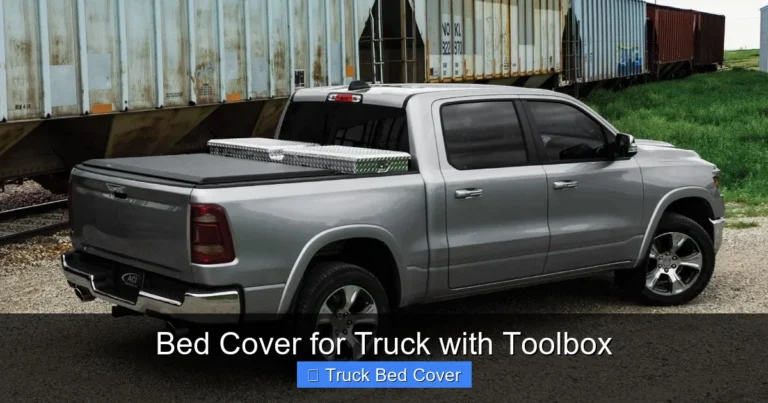
One of the biggest advantages? They integrate seamlessly with most truck bed covers. Whether you prefer a soft roll-up, a hard tri-fold, or a sleek retractable model, a low profile box won’t interfere with the cover’s operation—and vice versa.
The Evolution of Truck Storage
Back in the day, truck tool boxes were all about maximum capacity, even if it meant sacrificing looks and practicality. High-mounted boxes were common, but they created serious blind spots, blocked rearview visibility, and made loading tall items a hassle. Over time, manufacturers realized there was a better way—one that balanced utility with usability.
Today’s low profile designs reflect decades of refinement. Advances in materials science mean lighter yet stronger construction, while smarter engineering allows for easier installation and better sealing against moisture. Plus, with more people customizing their trucks for work and lifestyle, aesthetics matter just as much as function.
Why Pair It With a Bed Cover?
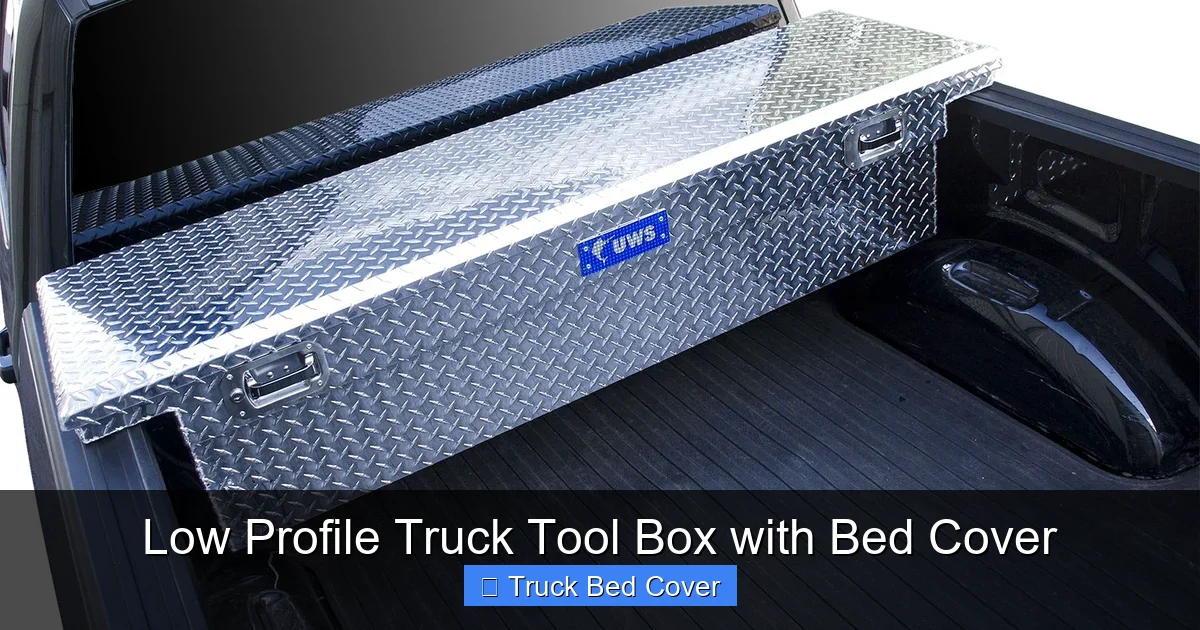
Visual guide about Low Profile Truck Tool Box with Bed Cover
Image source: autoaccessoriesgarage.com
Now, here’s where things get really smart: combining your low profile tool box with a truck bed cover isn’t just convenient—it’s essential. A bed cover acts as a second layer of defense, shielding your tools from rain, snow, dirt, and prying eyes. Without it, even the sturdiest tool box can’t fully protect its contents during long trips or overnight storage.
Consider this scenario: You’ve loaded up your toolbox with expensive cordless drills, impact drivers, and precision instruments. You park at a job site after dark, unzip your bed cover, and leave everything exposed. In a few hours, a thief might notice the open cover and swipe your gear. Or worse—a storm rolls in, and your tools are ruined by water damage.
With a low profile tool box and bed cover combo, you eliminate those risks. The bed cover seals shut over the top of the box, creating a nearly airtight barrier. Many modern covers even feature integrated locking systems that sync with the tool box latch, giving you peace of mind wherever you drive.
Types of Bed Covers That Work Best
Not all bed covers are created equal—and some play nicer with low profile tool boxes than others:
- Roll-Up Covers: Lightweight and affordable, these unfold across the bed like a canvas tarp. Look for models with reinforced edges that accommodate tool box height.
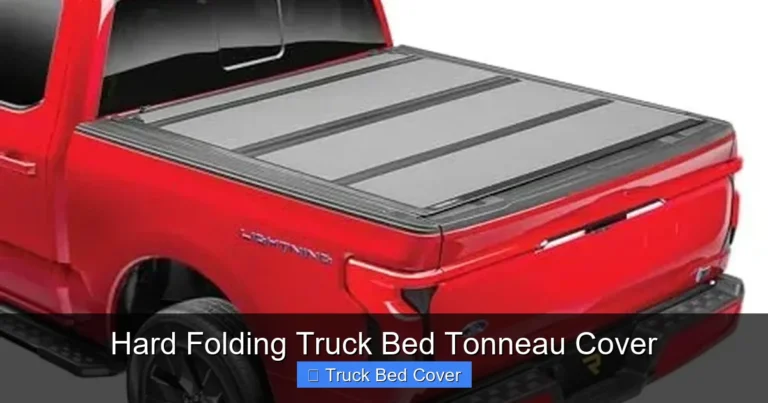
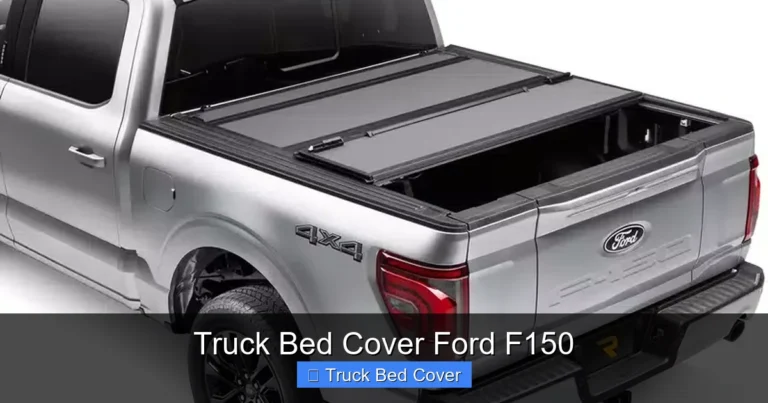
- Tri-Fold Hard Covers: Durable and stylish, they fold into thirds and store neatly behind the cab. Ideal for frequent access without compromising security.
- Retractable Covers: Motorized or manual sliders that roll back like garage doors. Great for full-bed access while keeping everything protected when closed.
- Hybrid Soft-Hard Covers: Combine fabric with rigid panels for balanced performance and versatility.
When shopping, check compatibility charts—some covers list specific tool box heights they support. A true low profile box (under 8 inches tall) will work with almost any standard bed cover.
Top Benefits of a Low Profile Tool Box + Bed Cover Setup
So why go through the trouble of upgrading? Here’s what you gain:
1. More Usable Bed Space
Every extra inch counts when you’re loading pallets, coolers, or kayaks. A high-profile box can take up 8–10 inches of vertical clearance—enough to block large items like 5-gallon buckets or folding tables. A low profile model uses only 4–6 inches, freeing up that crucial headroom.
2. Improved Fuel Efficiency
Bulky accessories increase drag. Studies show that aerodynamic truck modifications—like streamlined tool boxes and tight-fitting bed covers—can improve highway fuel economy by up to 5%. That’s not nothing, especially if you drive long distances for work.
3. Better Visibility and Safety
Taller boxes obstruct your view out the back window. With a low profile design, you maintain clear sightlines, which is especially important when reversing or navigating tight spaces.
4. Easier Loading and Unloading
No more wrestling with oversized boxes or struggling to reach underneath them. Side-opening lids and shallow depths make it simple to grab what you need—even when wearing gloves.
5. Enhanced Theft Protection
Pairing a locked tool box with a sealed bed cover creates a two-point security system. Thieves would need to cut through metal AND break the cover seal—a major deterrent.
6. Professional Appearance
Whether you’re a contractor showing off your company vehicle or an enthusiast personalizing your ride, a sleek, integrated setup looks intentional and well-maintained.
How to Choose the Right Low Profile Tool Box
With dozens of options on the market, picking the best one requires knowing what matters most to you. Start with these factors:
Size and Fit
Measure your truck bed carefully—length, width, and rail height. Most low profile boxes are designed for standard full-size (6.5′ or 8′) or mid-size (5.5′) beds. Double-check manufacturer specs to ensure compatibility with your year, make, and model.
Material Quality
Avoid cheap plastic or thin-gauge steel. Opt for:
- Aluminum: Lightweight, corrosion-resistant, and strong enough for daily use.
- Polyethylene: Impact-resistant and fade-proof, though slightly heavier.
- Galvanized Steel: Heavy-duty but prone to rust unless properly coated.
Locking Mechanism
Look for dual locks—either two separate keys or a keyed-and-push-button system. Side-mounted or top-hinged lids offer different access styles; choose based on your workflow.
Internal Organization
Built-in trays, adjustable dividers, and removable bins help prevent tools from shifting during transit. Some even include foam inserts shaped to fit specific wrenches or screwdrivers.
Weather Sealing
Gaskets around the lid and along the base should create a watertight seal. Test by pouring water into the bed near the box—if it soaks in, the seal isn’t good enough.
Mounting System
Most low profile boxes clamp onto the bed rails using U-bolts or bolt-through brackets. No-drill options exist but may lack stability for heavy loads. Always follow torque specifications!
Installation Tips and Tricks
You don’t need to be a mechanic to install a low profile tool box—but doing it right makes a big difference. Here’s how to do it like a pro:
Step 1: Clean and Prep the Bed Rails
Wipe down the area where the box will sit. Remove any debris, rust, or old adhesive. If your rails are dirty, sand lightly and apply anti-seize compound to bolts later.
Step 2: Dry Fit Before Drilling
Place the box on the bed without tightening anything. Check alignment, clearance around tail lights, and ease of bed cover operation. Adjust as needed.
Step 3: Secure Firmly but Gently
Use provided hardware to attach brackets. Tighten bolts evenly—don’t overtighten or you’ll warp the box or damage the bed liner. For rubberized bed liners, consider using spacer shims to avoid cracking.
Step 4: Test the Lid and Lock
Open and close the lid several times to ensure smooth operation. Try the lock mechanism with the key or button. Make sure it engages fully.
Step 5: Integrate the Bed Cover
Install your chosen bed cover according to its instructions. Most low profile boxes won’t interfere, but test the cover’s opening/closing motion first.
Pro tip: If you’re unsure about drilling into your truck bed, consult a local installer—they often provide lifetime warranties and professional fitting.
Maintenance and Longevity
Like any investment, your low profile tool box deserves regular care. Here’s how to keep it in peak condition:
CLEANING
Rinse with fresh water after salt exposure or muddy conditions. Avoid harsh chemicals that could degrade rubber seals. Wipe dry with a microfiber cloth.
LUBRICATION
Apply silicone spray to hinges and latches once every 6 months to prevent sticking.
SEAL INSPECTION
Check gaskets annually for cracks or compression loss. Replace if they no longer form a tight seal.
SECURITY CHECKS
Test locks monthly to ensure they haven’t been tampered with. Consider adding a secondary cable lock for high-risk areas.
INTERIOR ORGANIZATION
Reassess your tool layout seasonally. Rotate seasonal items in/out to prevent clutter buildup.
By following these steps, your tool box can last 10+ years—even under tough conditions.
Real-World Applications
Who actually benefits from this setup? Plenty of folks, actually:
- Contractors: Electricians, plumbers, and HVAC technicians carry delicate electronics and precision tools that demand protection.
- Landscapers: Need to transport shovels, rakes, and fertilizer without mixing them up or getting soaked mid-job.
- RV Enthusiasts: Store cooking utensils, first-aid kits, and spare parts safely during road trips.
- Mechanics: Keep diagnostic scanners, torque wrenches, and specialty sockets secure at remote repair sites.
- Outdoor Adventurers: Safely carry fishing gear, camping tools, or hunting accessories without fear of theft or weather damage.
In short, if your truck doubles as your mobile office, workshop, or adventure rig, this combo is a game-changer.
Final Thoughts: Is It Worth the Investment?
At first glance, a low profile truck tool box with bed cover might seem pricey—but think long-term. You’re paying for:
– Reduced wear on your tools (thanks to climate control)
– Lower insurance claims (due to theft prevention)
– Fewer headaches at job sites
– A truck that actually functions how you need it to
Plus, resale value often increases with quality upgrades like this. Potential buyers notice the attention to detail.
Ultimately, the best setup depends on your lifestyle. But if you value organization, security, and efficiency—both on and off the clock—this investment pays for itself many times over.
Whether you’re replacing an old, clunky box or building your dream truck from scratch, going low profile with a matching bed cover is one of the smartest moves you can make.
Frequently Asked Questions
What height qualifies as “low profile”?
Typically 4 to 6 inches tall—measured from the truck bed floor to the top of the tool box lid. Anything taller may interfere with bed covers or reduce cargo space.
Can I add a bed cover later?
Absolutely! Just measure your tool box height and compare it to bed cover compatibility charts. Most modern covers support low profile setups.
Are these boxes rust-proof?
High-quality models use corrosion-resistant materials like powder-coated aluminum or thick polyethylene. Avoid thin galvanized steel unless treated regularly.
Do they come with warranties?
Yes—most reputable brands offer 1- to 5-year limited warranties covering defects in materials and workmanship. Always register your purchase.
Can I customize the interior?
Some boxes allow removable trays or foam inserts. For full customization, consider modular organizers sold separately.
Will it affect my truck’s warranty?
Installing aftermarket accessories rarely voids warranties if done correctly. Follow manufacturer guidelines and avoid modifying structural components.