How to Measure a Truck Bed for a Cover
Measuring your truck bed correctly is the most important step before buying a cover. Get it wrong, and you’ll end up with a cover that doesn’t fit—or worse, no return policy. This guide walks you through every detail: length, width, height, rail types, and even how to measure if you have a camper shell or tailgate lift. Follow these simple steps, and you’ll be ready to order the perfect fit.
Getting the right truck bed cover isn’t just about picking the coolest style—it’s about making sure it actually fits your truck. Whether you’re looking for a soft roll-up, a hard tri-fold, or a retractable cover, accurate measurements are the foundation of a secure, weatherproof installation. A poorly measured bed leads to gaps, poor sealing, and even damage over time. That’s why learning how to measure a truck bed for a cover is one of the smartest moves you can make as a truck owner.
Truck beds come in all shapes and sizes, and even slight variations between models, years, or trims can throw off your fit. For example, a 2015 Ford F-150 short bed won’t match the exact same dimensions as a 2023 version. Add in options like extended cabs, different rail systems, or aftermarket modifications, and things get complicated fast. But don’t worry—this guide breaks it all down into simple, repeatable steps anyone can follow. By the end, you’ll know exactly how to measure your truck bed for any cover, ensuring a perfect match every time.
Key Takeaways
- Measure from inside edge to inside edge: Always use the interior dimensions of your truck bed for the most accurate fit.
- Include rail depth and height: Standard rails are about 2–3 inches tall; knowing this helps when choosing a low-profile vs. high-profile cover.
- Account for tailgate style: Flat, folding, or swing-up tailgates affect which type of cover will work best.
- Double-check with a tape measure: Use a metal tape for precision and avoid relying on guesswork.
- Consider accessories and modifications: Toolboxes, bed liners, or aftermarket racks can change your measurements.
- Take photos during measurement: Visual records help confirm accuracy and aid customer service if needed.
- Know your truck model year and trim: Even small changes between years can alter bed dimensions slightly.
Quick Answers to Common Questions
Can I measure my truck bed without removing the cover?
Yes, but only if it’s already installed. Otherwise, remove any existing cover first to access the bed interior accurately.
Do I need to measure if my truck has a factory bedliner?
Yes. Spray-in liners add thickness, and drop-in liners can alter width slightly. Measure over the liner for true interior dimensions.
What if my truck bed is uneven?
Measure at multiple points and use the smallest dimension. Uneven floors may require a flexible cover or professional installation.
Are digital measuring apps better than tape measures?
No. While apps exist, physical tape measures offer precision and reliability. Avoid guesswork—stick with metal tapes.
How do I measure for a retractable cover?
Retractables need extra length at the front for the mechanism. Measure total bed length plus 12–18 inches for smooth operation.
📑 Table of Contents
- Why Accurate Measurements Matter
- What You’ll Need Before Starting
- Step 1: Measure the Length of Your Truck Bed
- Step 2: Measure the Width at Different Points
- Step 3: Measure Height Inside the Bed Rails
- Step 4: Check Your Tailgate Style
- Step 5: Account for Modifications and Accessories
- Pro Tips for Perfect Measurements
- Common Mistakes to Avoid
- Final Thoughts: Measure Smart, Install Easily
Why Accurate Measurements Matter
Before we dive into the how-to, let’s talk about why this matters so much. A truck bed cover protects your cargo from rain, snow, theft, and sun exposure. But if the cover doesn’t fit tightly, water can seep in, tools can shift around, and wind can lift the edges. Over time, loose seals lead to rust and premature wear. Manufacturers design their covers to match precise dimensions, so getting those numbers right ensures compatibility, longevity, and performance.
Also, many covers ship directly from the manufacturer and aren’t returnable once opened. Measure once, measure right—and you’ll avoid costly mistakes and shipping headaches. Plus, knowing your exact bed specs helps you compare models and features more effectively. Want a specific brand? Need a cover that works with a toolbox? These details start with solid measurements.
What You’ll Need Before Starting
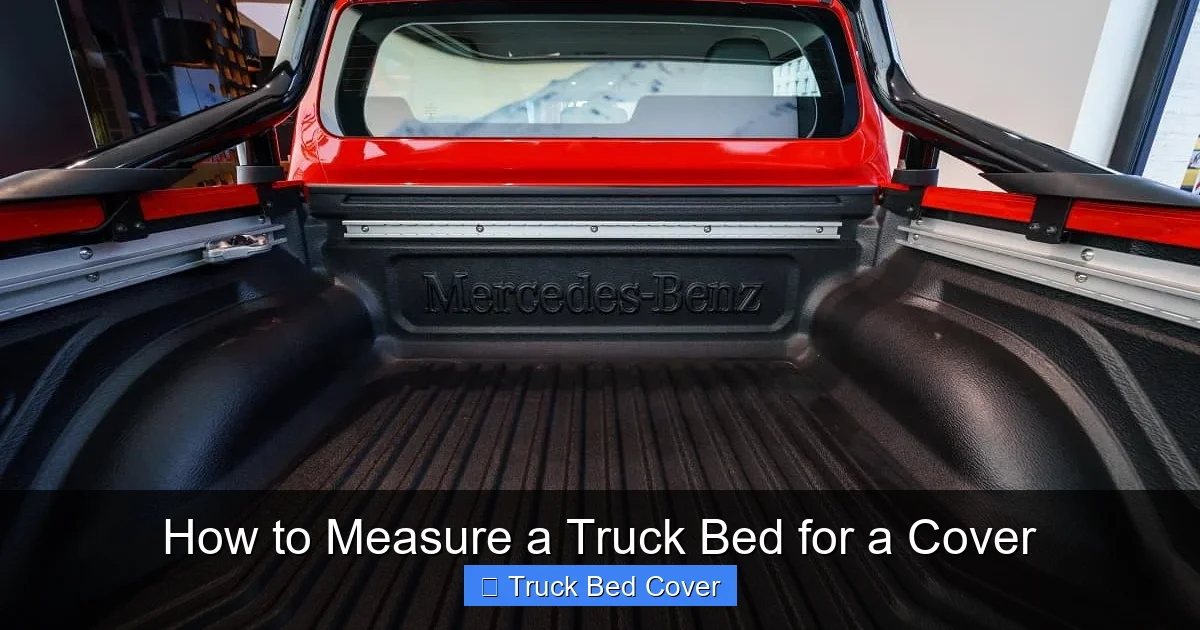
Visual guide about How to Measure a Truck Bed for a Cover
Image source: sharptruck.blob.core.windows.net
Gather your tools before you begin. You don’t need anything fancy—just a few basics:
– A metal tape measure (at least 25 feet long)
– A notepad or phone to record numbers
– A friend (optional but helpful)
– A flashlight (in case lighting is poor)
– Camera (smartphone works great)
Avoid using yardsticks or cheap plastic tapes—they stretch and give inaccurate readings. Metal tapes are stiff, reliable, and built for this kind of job. Also, take measurements in good daylight if possible. Shadows and cramped spaces can make guessing easier than measuring accurately.
Step 1: Measure the Length of Your Truck Bed
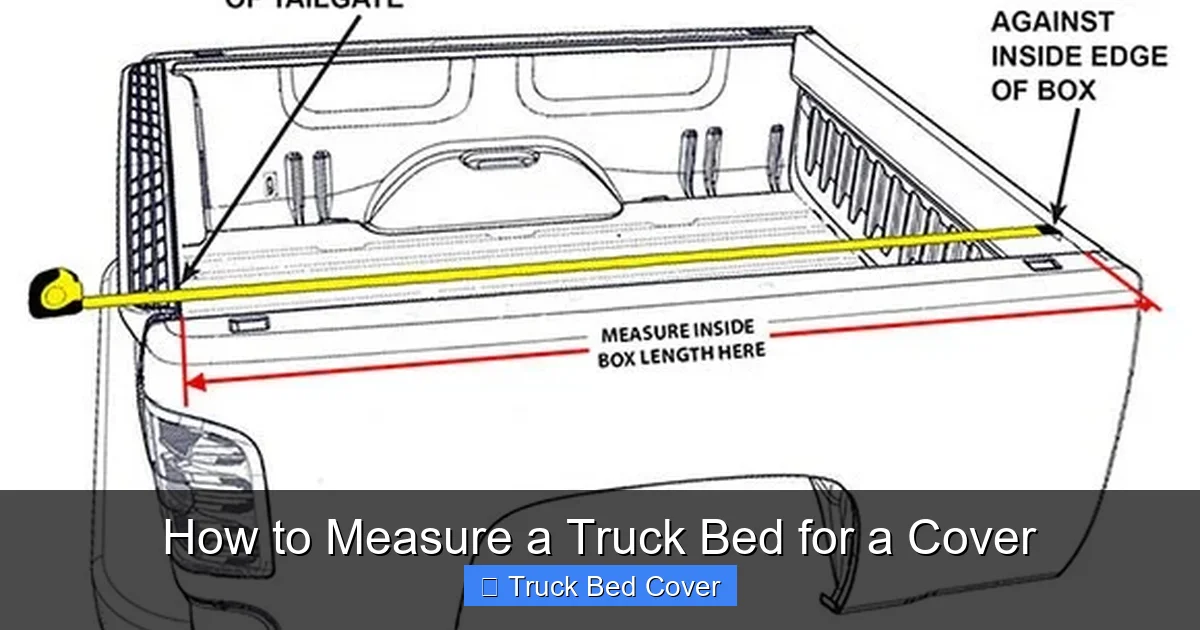
Start by measuring from the inside front wall to the inside rear wall of the bed. This gives you the internal length, which is what matters most for cover compatibility.
How to Do It
Place one end of your tape measure against the inside of the front bulkhead (the vertical wall at the cab). Stretch it straight back toward the tailgate, keeping it parallel to the floor. Read where it meets the inside of the tailgate frame. Write down that number immediately—measurements fade quickly in your memory.
For example:
– If your measurement reads 65.5 inches, note it as “Length: 65.5””
– Round to the nearest half-inch unless the manufacturer specifies otherwise
Common Lengths by Bed Type
- Short Bed: 5.5 to 6.5 feet (66–78 inches)
- Standard Bed: 6.5 to 7.5 feet (78–90 inches)
- Long Bed: 8+ feet (96+ inches)
If your truck has a camper shell or bed cap, subtract the shell’s length from the total bed length to find usable space for the cover. Some shells extend past the tailgate, reducing coverage area.
Step 2: Measure the Width at Different Points
Truck beds aren’t perfectly rectangular—they often taper slightly from front to back due to wheel wells and structural supports. That’s why you need multiple width measurements.
Where to Measure
Take three width readings:
1. At the front of the bed (near the cab)
2. In the middle of the bed
3. Near the tailgate
Use your tape measure across the widest part of the interior floor, avoiding obstructions like tie-down rings or fuel doors.
Example Widths
– Front width: 58 inches
– Middle width: 60 inches
– Tailgate width: 59 inches
Many manufacturers use the average or the narrowest point for sizing. Soft roll-up covers usually require only the front and rear measurements. Hard covers may specify front, middle, and rear widths. When in doubt, provide all three to customer service.
Step 3: Measure Height Inside the Bed Rails
The height of your bed rails determines which type of cover you can install. Most standard rails sit 2–3 inches above the bed floor. Low-profile rails are under 2 inches; high-profile rails are over 3 inches.
How to Measure Rail Height
Measure vertically from the top edge of the rail to the bottom. Do this at several points along both sides. Note the tallest measurement—that’s your limiting factor.
For example:
– Left side: 2.75 inches
– Right side: 2.5 inches
– Average: 2.6 inches
Low-profile covers (like fiberglass caps) require minimal clearance. High-profile covers (such as certain retractables) need more room. If your rails are too tall for a low-profile option, consider trimming them (only if experienced) or choosing a taller cover.
Step 4: Check Your Tailgate Style
Your tailgate type affects which cover styles are compatible. There are three main types:
- Flat Tailgate: Common on newer trucks. Best for roll-up and tri-fold covers.
- Folding Tailgate: Found on some heavy-duty models. Often requires a custom-fit cover or one designed for folding gates.
- Swing-Up or Side-Opening: Rare but possible. Needs specialized hardware and may limit cover options.
When measuring, observe how the tailgate operates. Does it open flat against the bed? Can it fold down completely? This info helps you choose between roll-ups, retractables, or fixed lids.
Step 5: Account for Modifications and Accessories
If you’ve added anything to your truck bed—toolboxes, bed liners, spray-in coatings, or aftermarket racks—these can interfere with cover installation. Measure around or over these items to determine usable space.
For instance:
– A center-mounted toolbox might reduce usable width by 12 inches.
– A spray-in liner adds 1/4 inch to all interior dimensions—important if precision matters.
– Roof racks don’t affect bed measurements but may require a taller cover if mounted near the cab.
Always inform the cover supplier about any modifications. Some brands offer custom solutions for modified beds.
Pro Tips for Perfect Measurements
Accuracy comes from consistency and attention to detail. Here are some pro tips to nail it every time:
- Measure twice, write it down once: Don’t rely on memory. Write numbers immediately.
- Use a level surface: Ensure your tape is flat and straight—slopes throw off readings.
- Check for debris or dents: Clean the bed floor before measuring to avoid false readings.
- Compare with factory specs: Look up your truck’s manual or online specs for reference.
- Ask for help: Two sets of eyes catch errors faster than one.
If you’re unsure about any dimension, take photos alongside your measurements. These visuals help customer support verify your truck model and guide you to the right product.
Common Mistakes to Avoid
Even experienced truck owners make these errors:
- Using exterior dimensions: Always measure internally—exterior includes fenders and walls.
- Ignoring rail height differences: One side might be higher due to wear or installation.
- Overlooking camper shells: They block full bed coverage unless removed.
- Assuming all short beds are equal: Even “short” beds vary by make and year.
- Not noting units: Always specify inches or centimeters.
Avoiding these pitfalls saves time, money, and frustration.
Final Thoughts: Measure Smart, Install Easily
Learning how to measure a truck bed for a cover doesn’t have to be intimidating. With the right tools and focus, it’s a quick, straightforward process. Once you have your numbers, matching them to a cover becomes easy. And when the cover arrives, you’ll already know if it’s the right size—no surprises.
Remember, the goal isn’t just to get a cover that fits—it’s to protect your investment, keep your cargo safe, and enjoy peace of mind. Whether you drive a daily commuter or a weekend adventurer, the right cover makes all the difference.
Now grab your tape measure, head to your truck, and take control of the process. You’ve got this!
Frequently Asked Questions
How precise do I need to be when measuring my truck bed?
Round to the nearest half-inch. Most manufacturers accept measurements within 1/4 inch of actual size. Accuracy within 1/2 inch is typically sufficient.
Can I use my truck’s manual to find bed dimensions?
Yes. Owner’s manuals often list cargo bed dimensions. However, always double-check with your own measurements, as aftermarket mods can change specs.
What happens if my cover doesn’t fit?
Many reputable brands allow returns within 30 days if unopened. Always check the return policy before purchasing and keep packaging until confirmed fit.
Should I include the tailgate in my length measurement?
No. Measure only the usable bed space—from front bulkhead to the inside of the tailgate frame. The tailgate itself isn’t part of the coverable area.
Do different truck brands have unique measurement requirements?
While overall principles apply universally, brands like Ford, Chevy, Dodge, and Toyota may have slight variations. Always verify with the manufacturer’s specifications for your exact model and year.
Can I install a cover on a truck with a camper shell?
Only if the shell is removed. Most camper shells block full bed coverage. Some covers are designed specifically for shelled beds, but they’re rare and expensive.