How to Make Bed Cover for Truck
Making a bed cover for your truck is a smart DIY project that protects your gear from weather, theft, and wear. With basic tools and materials, you can build a custom fit that boosts your truck’s value and functionality. Whether you’re covering a short or long bed, this guide walks you through every step—from measuring to installation—so you can save money and enjoy a personalized solution.
Key Takeaways
- Measure accurately: Proper measurements ensure your bed cover fits snugly and functions as intended without gaps or sagging.
- Choose the right material: Options like vinyl, canvas, fiberglass, or aluminum each offer different benefits in durability, weight, and cost.
- Prep the truck bed: Clean, dry, and level surfaces improve adhesion and prevent moisture buildup underneath the cover.
- Use quality adhesives and sealants: Strong bonding agents and weatherproof sealants protect against leaks and extend the life of your cover.
- Install securely: Clamps, bolts, or Velcro systems must be strong enough to withstand wind, snow, and heavy use.
- Customize for function: Add features like toolboxes, tie-down points, or roll-up designs based on your hauling needs.
- Maintain regularly: Wipe down and inspect your cover periodically to catch wear early and keep it looking new.
Quick Answers to Common Questions
Can I make a bed cover for my truck without special tools?
Yes, basic tools like a tape measure, utility knife, drill, and clamps are sufficient for most DIY bed covers. You don’t need professional machinery unless building a hard-shell version.
How long does it take to build a truck bed cover?
A simple vinyl roll-up cover takes 4–8 hours. More complex designs like tri-folds or hardtops may require a full weekend or two, depending on skill level and material prep.
Will a homemade cover void my truck’s warranty?
Generally no—if installed correctly and not altering structural components. However, always consult your dealer before major modifications.
What’s the cheapest material for a DIY bed cover?
Heavy-duty blackout tarps or canvas drop cloths are affordable options (under $20), though they lack longevity. Marine-grade vinyl offers better value over time.
Do I need to remove the bedliner before installing a cover?
Not necessarily. Some covers are designed to work over liners. However, removing it allows better adhesion and easier cleaning underneath. Check your cover type first.
📑 Table of Contents
How to Make Bed Cover for Truck: A Complete DIY Guide
If you’ve ever loaded up your truck bed with lumber, tools, or camping gear only to watch it get soaked in rain or pelted by dirt during a drive, you know how frustrating it can be. A truck bed cover isn’t just about looks—it’s a practical upgrade that protects your cargo, improves fuel efficiency, and adds resale value to your vehicle. While buying a pre-made cover is an option, making your own gives you full control over size, style, and functionality. Plus, it’s a satisfying project that saves money and lets you customize exactly what you need.
In this detailed guide, we’ll walk you through everything you need to know about how to make bed cover for truck, whether you’re a beginner or a seasoned DIYer. From choosing the right materials to final installation, we’ve got you covered. Let’s get started!
Why Make Your Own Truck Bed Cover?
Before diving into the “how,” let’s talk about the “why.” There are several compelling reasons to build your own bed cover instead of buying one off the shelf:
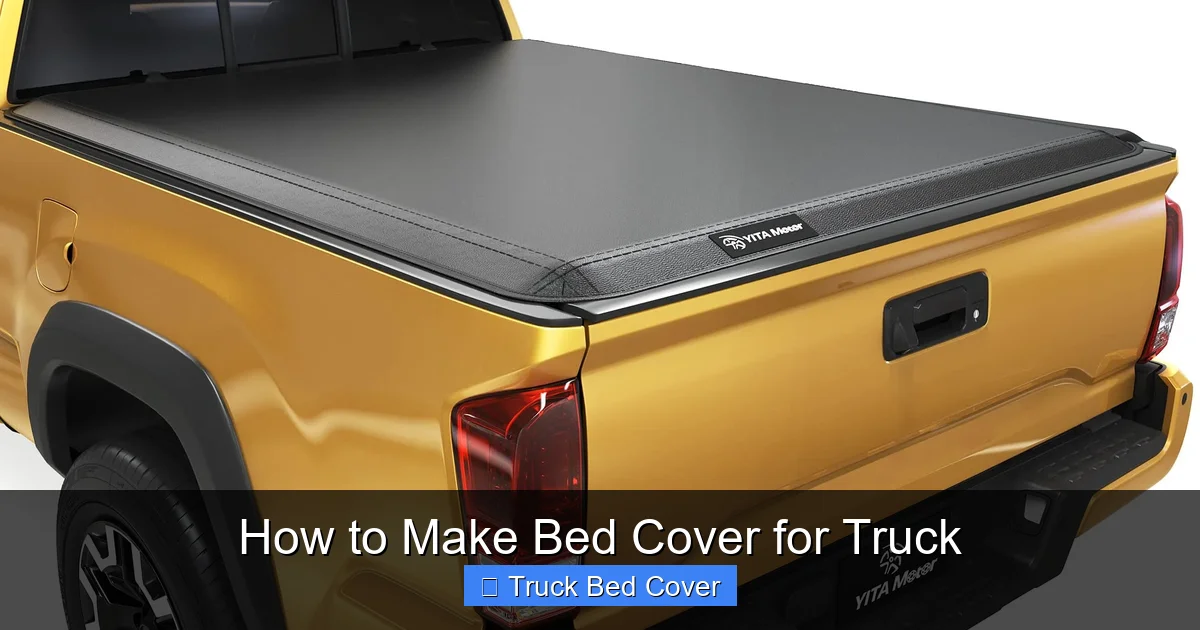
Visual guide about How to Make Bed Cover for Truck
Image source: m.media-amazon.com
- Cost savings: Pre-made covers can cost hundreds of dollars. A DIY version uses materials you may already have or can buy at a fraction of the price.
- Perfect fit: Every truck model is slightly different. A custom-built cover ensures a tight, secure fit that works with your bed rails, tailgate, and any accessories.
- Personalization: Want a roll-up design? A hard tri-fold? Integrated lighting? You decide—no compromises.
- Durability options: You can choose premium materials like marine-grade vinyl or reinforced aluminum that outlast commercial versions.
- Skill-building: This project teaches valuable skills in measurement, cutting, sealing, and automotive customization.
With these advantages in mind, let’s break down the process step by step.
Choosing the Right Materials
The foundation of any great bed cover starts with the materials. The choice depends on your budget, climate, and how you plan to use your truck.
Vinyl vs. Canvas vs. Hard Shell
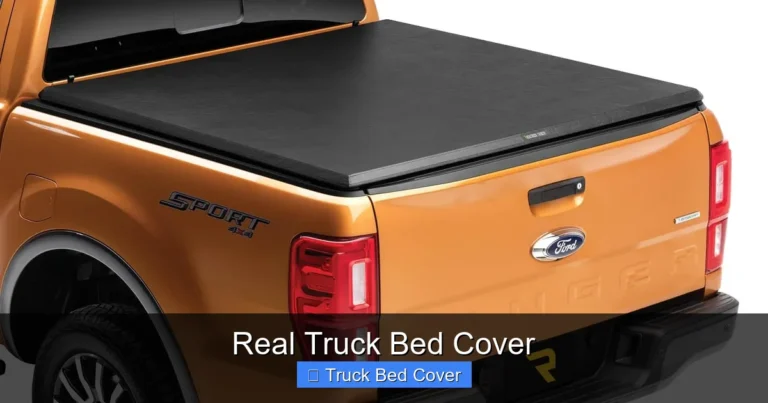
Vinyl covers are lightweight, water-resistant, and easy to clean—ideal for everyday use. Marine-grade vinyl, like Sunbrella, resists UV rays and tearing better than standard options.
Canvas covers offer breathability and are great for hot climates where condensation might form under a sealed cover. However, they’re less waterproof unless treated.
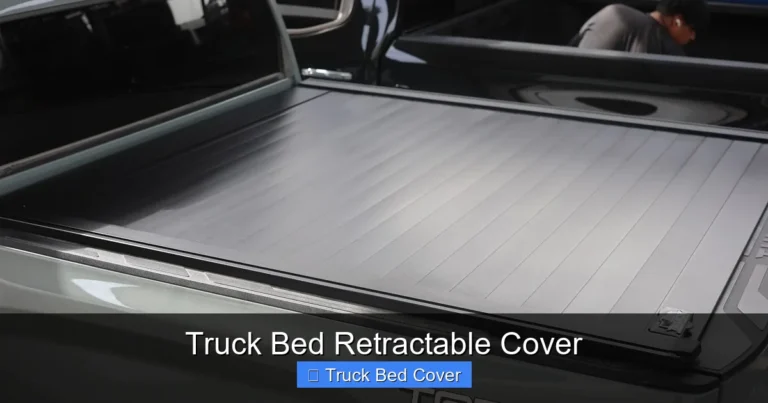
Hard shell covers made from fiberglass, ABS plastic, or aluminum provide maximum security and weather protection. They’re heavier but offer a sleek, factory-like appearance.
Framing and Support Structures
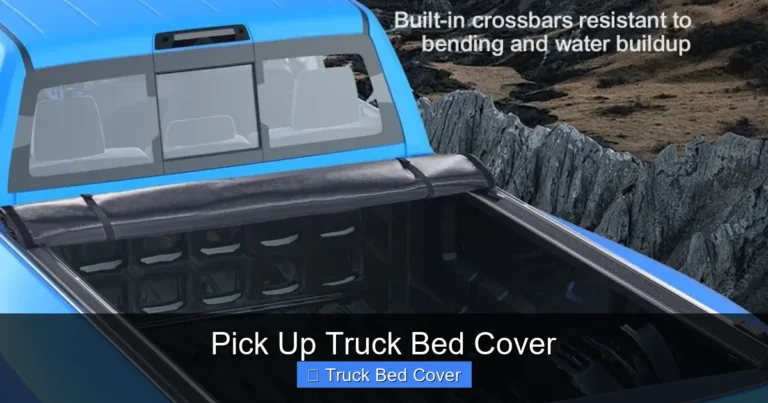
Even soft covers benefit from frames or bows to prevent sagging. Aluminum extrusions or PVC pipes work well for adjustable support systems. For hard covers, you’ll need a rigid base—often made from plywood or metal sheets—that attaches directly to the truck bed.
Adhesives and Sealants
Weatherproof adhesives like 3M VHB tape or marine silicone are essential for securing seams and edges. These prevent water from seeping in and reduce rattling during drives.
Step-by-Step: How to Make Bed Cover for Truck
Now comes the fun part—building your cover! Follow these steps carefully for best results.
1. Measure Your Truck Bed
Grab a tape measure and record the exact length, width, and height of your truck bed. Don’t forget to note the distance between bed rails and whether your bed has a lip or flush sides. If your truck has a bed liner, account for its thickness too.
For example, if your bed is 6 feet long and 5 feet wide with rails 4 inches high, your cover should extend 1–2 inches beyond the rails for a snug fit.
2. Design Your Cover Layout
Sketch a rough blueprint. Decide if you want:
- A full-bed tarp (simple and low-cost)
- A roll-up design (easy access)
- A tri-fold hardtop (secure and stylish)
Add details like rear windows, side vents, or built-in toolboxes if needed.
3. Cut the Material
Using your measurements, lay out your chosen fabric or panel material on a flat surface. Use a sharp utility knife or jigsaw for hard shells. Cut with extra material (about 2–3 inches) around the edges to allow for trimming and sealing.
Pro tip: Use chalk lines or rulers to mark straight cuts. Double-check angles before cutting!
4. Build the Frame (If Applicable)
For soft covers, install bows or supports across the bed. Slide aluminum tubes through pre-sewn channels in the fabric. For hard covers, construct a frame using 2x4s or angle iron, then attach your outer shell.
5. Attach the Cover to the Truck
Start at the front and work toward the back. Use clamps, bolts, or adhesive strips to secure the cover. Ensure tension is even—too loose causes flapping; too tight strains seams.
Seal all seams with silicone caulk or seam tape to block water and air.
6. Install Hardware Accessories
Add tie-down straps, latches, or locks if desired. For roll-up covers, mount side rails or brackets to hold the rolled section securely.
DIY Bed Cover Ideas Based on Use Case
Your truck’s purpose influences the best cover type. Here are three popular scenarios:
For Daily Commuters
If you drive to work every day, prioritize weather resistance and ease of use. A vinyl roll-up cover with UV protection and a quick-release system is ideal. It keeps tools dry without blocking visibility or requiring constant removal.
For Off-Road Enthusiasts
Rough terrain demands durability. Consider a hard tri-fold cover made from impact-resistant polymer. Add rubber gaskets around the edges to handle mud splatters and rocks.
For Construction Workers
You need secure storage for power tools and equipment. A custom hard top with lockable compartments built into the cover provides both protection and organization. Drill holes for internal shelving and label each section.
Tools and Supplies Checklist
Gather these items before starting:
- Tape measure and marker
- Utility knife or jigsaw
- Drill and screws/bolts
- Silicone sealant and applicator gun
- Fabric or panel material (vinyl, canvas, etc.)
- Clamps or zip ties
- Straight edge ruler
- Safety glasses and gloves
Having the right tools on hand prevents delays and ensures precision.
Common Mistakes to Avoid
Even experienced builders make errors. Watch out for these pitfalls:
- Skipping measurements: Always double-check dimensions before cutting.
- Using weak adhesives: Cheap glue won’t last in sun or rain.
- Over-tightening hardware: This can crack fiberglass or warp metal.
- Neglecting ventilation: Poor airflow leads to condensation and mildew.
- Ignoring maintenance: Even the best cover needs cleaning and inspection.
Maintenance Tips for Longevity
Once your cover is installed, keep it in top shape:
- Wipe down weekly with mild soap and water.
- Inspect seals and fasteners monthly for wear.
- Reapply sealant if you notice cracks or peeling.
- Store accessories like tie-downs indoors during winter.
A little care goes a long way in extending your cover’s lifespan by years.
Conclusion
Building your own truck bed cover is more than a weekend project—it’s an investment in convenience, security, and personal style. By following this guide on how to make bed cover for truck, you’ve learned the importance of accurate measurements, quality materials, and thoughtful design. Whether you opt for a simple tarp or a complex hardtop, the result will protect your gear and enhance your driving experience.
So grab your tools, measure twice, cut once, and start crafting a cover that’s uniquely yours. Your truck—and your wallet—will thank you.
Frequently Asked Questions
What is the best material for a DIY truck bed cover?
Marine-grade vinyl is highly recommended for its water resistance, UV protection, and flexibility. It’s durable, easy to clean, and ideal for most climates. Canvas is breathable but less waterproof, while hard shells offer maximum security.
Can I install a bed cover myself?
Absolutely! Installing a DIY bed cover is straightforward if you follow proper steps. Most designs use clamps, adhesives, or bolting systems that don’t require mechanical expertise.
How do I ensure my bed cover fits perfectly?
Take precise measurements of your truck bed—including rail height and tailgate clearance—before cutting materials. Add 1–2 inches of excess material for trimming and sealing. Test-fit pieces before final attachment.
Should I add ventilation to my bed cover?
Yes, especially in humid or hot regions. Small vents or breathable panels help prevent condensation buildup inside the covered area, which can damage stored items.
How often should I maintain my truck bed cover?
Clean your cover every 2–4 weeks with mild soap and water. Inspect seals and hardware monthly. Reapply sealant as needed to prevent leaks and extend lifespan.
Are there safety concerns when building a bed cover?
Always wear safety glasses and gloves when cutting materials or drilling. Work in a well-ventilated area when applying adhesives. Secure loose fabric to avoid accidental contact with moving parts during installation.