How to Make a Bed Cover for Truck
Making a truck bed cover is an easy and cost-effective way to protect your cargo, improve fuel efficiency, and enhance your truck’s appearance. With the right materials and a little patience, you can create a custom bed cover for truck that fits perfectly and lasts for years. This guide walks you through everything from design to installation, so you can roll out your finished cover with confidence.
Making a truck bed cover might sound intimidating at first, but with the right approach, it’s totally doable—even if you’re not a seasoned DIYer. Whether you’re looking to shield your gear from the elements, reduce wind resistance, or just give your truck a sleek new look, building your own bed cover for truck offers unmatched customization and savings. In this guide, we’ll walk you through every step, from choosing the right material to final assembly and installation. By the end, you’ll have a durable, stylish cover tailored specifically to your truck’s bed dimensions.
Why go the DIY route? Pre-made covers come in limited sizes and styles, and they can be pricey—especially high-end models with locking systems or built-in lighting. A handmade cover lets you choose the exact size, color, and features you want. Plus, it’s a rewarding project that adds personal flair to your ride. We’ll cover everything from measuring your truck bed accurately to selecting fabrics and hardware that stand up to sun, rain, and rough roads.
Key Takeaways
- Custom Fit: A homemade truck bed cover ensures a perfect fit for your specific truck model, unlike off-the-shelf options.
- Cost Savings: DIY covers are often cheaper than buying pre-made ones, especially when using recycled or surplus materials.
- Durability Options: Choose between soft canvas, hard fiberglass, or aluminum based on your needs for weather resistance and strength.
- Weather Protection: A well-made bed cover for truck shields your gear from rain, snow, UV rays, and theft.
- Fuel Efficiency Boost: Aerodynamic designs reduce wind drag, improving gas mileage by up to 10%.
- Easy Maintenance: Simple covers can be cleaned with soap and water, while hard covers may require occasional waxing.
- No Special Skills Needed: Basic tools like a staple gun, drill, and measuring tape are all you need to get started.
Quick Answers to Common Questions
Can I make a bed cover for my truck without welding?
Yes, most DIY covers use bolts, screws, and brackets instead of welding. For soft covers, aluminum channels attach with clamps. For hard covers, wood or plywood panels connect with wood screws or L-brackets.
How much does it cost to make a truck bed cover?
It typically costs $50–$200 depending on materials. Soft covers are cheaper ($50–$100), while hard covers range from $150–$300 due to plywood, hardware, and finishing supplies.
Will a homemade bed cover affect my truck’s warranty?
If installed correctly and doesn’t alter the vehicle structure, it usually won’t void the warranty. However, check your owner’s manual or contact the manufacturer—some warranties require factory-approved accessories.
How do I keep the cover from flapping in the wind?
Use strong side rails, secure Velcro or snaps along the sides, and add a center strap or bungee cord. Ensure the cover lies flat and isn’t too loose. Reinforce stress points with webbing.
Can I make a bed cover for a short bed truck?
Absolutely. Short beds are actually easier to cover since there’s less fabric needed. Just adjust your measurements and design accordingly. Many popular models like the Toyota Tacoma or Ford Ranger short beds work great with DIY covers.
📑 Table of Contents
Choosing the Right Type of Bed Cover
Before diving into measurements or materials, decide what kind of truck bed cover you want. There are three main types: soft, hard, and retractable. Each has pros and cons, and your choice depends on your budget, climate, and how you use your truck.
Soft Folding Covers
These are the most popular DIY option. Made from heavy-duty vinyl or canvas stretched over a frame of aluminum or steel poles, they fold up easily and lie flat against the truck bed. They’re lightweight, affordable, and great for quick access. Most people opt for a soft cover because they’re simple to install and repair.
Hard Tri-Fold or Roll-Up Covers
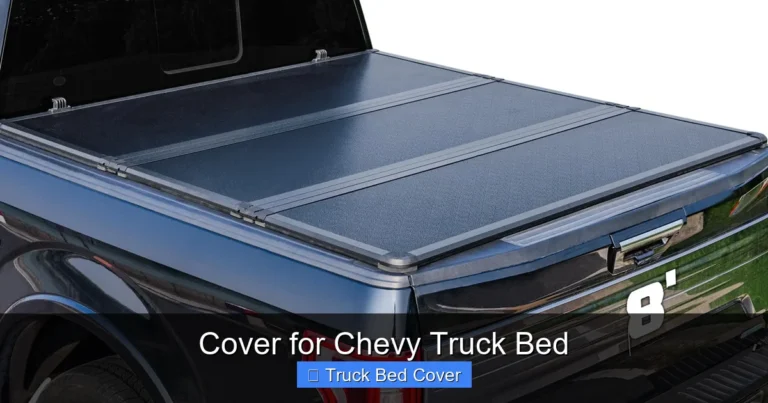
Hard covers provide maximum security and weatherproofing. A tri-fold design folds into thirds and sits flush with the tailgate, while roll-up covers unroll like a carpet. These require more material and labor but offer superior protection against theft and harsh weather.
Retractable Hard Covers
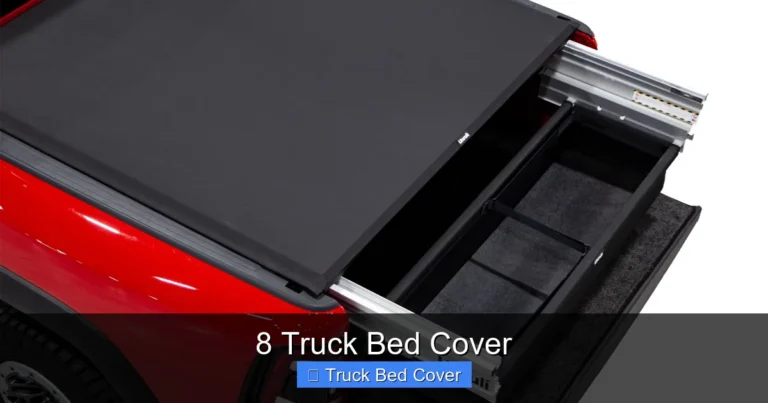
The most advanced option, retractables slide back into a compact track system. They’re sleek and allow full access to the bed, but they’re complex to build and expensive. Unless you’re experienced with metal fabrication, skip this unless you love a challenge.
For beginners, start with a soft folding or roll-up design. It’s forgiving, uses common materials, and delivers excellent results with minimal fuss.
Tools and Materials You’ll Need
Gather your supplies before starting. You don’t need fancy equipment—just basic tools and quality materials. Here’s what to stock up on:
Essential Tools
- Ruler or tape measure
- Staple gun (heavy-duty for fabric)
- Drill and screws
- Scissors or utility knife
- Measuring tape
- Clamps or weights (for holding fabric in place)
- Saw (hand saw or circular saw for cutting wood/plywood)
- Ladder or step stool (to reach the bed)
Materials for a Soft Cover
- Heavy-duty marine-grade vinyl or canvas (600–900 denier)
- Aluminum channel rails (for side tracks)
- Stainless steel bolts and brackets
- Velcro strips or snaps (for closure)
- Polyester rope or bungee cords (optional reinforcement)
Materials for a Hard Cover
- 1/8-inch thick plywood or MDF board
- Aluminum or steel angle brackets
- Silicone sealant
- Foam padding (for grip and insulation)
- Hardware cloth (for base layer)
- Paint or vinyl wrap (for finish)
TIP:
Buy extra material—measure twice, cut once! Fabric can fray, and mistakes are easier to fix with a little extra.
Measuring Your Truck Bed Accurately
Precision is key. An ill-fitting cover looks cheap and won’t seal properly. Measure your truck bed carefully:
Step 1: Measure Length, Width, and Height
– **Length:** From the inside edge of the tailgate to the front of the bed rails.
– **Width:** Measure across the widest part of the bed.
– **Height:** From the bottom of the bed to the top of the rail (this affects how tall your cover can be).
Write down all measurements in inches. For example: 60″ L × 48″ W × 18″ H.
Step 2: Account for Overlap
Add 2–3 inches to each dimension for overlap and stitching. So if your bed is 60″ long, plan for 63″.
Step 3: Note Tailgate Features
Check if your tailgate has:
– A handle or latch
– A locking mechanism
– A built-in step
This affects how the cover attaches and folds.
Step 4: Sketch a Layout
Draw a diagram showing how the cover will fold or roll. For a tri-fold, divide the length into thirds. For a roll-up, ensure the fabric is wide enough to cover the entire bed when rolled.
Accurate measurements prevent wasted material and ensure a snug fit. Double-check everything before cutting!
Cutting and Preparing the Fabric
Once you’ve measured and planned, it’s time to prepare the fabric. Use marine-grade vinyl or canvas—it resists mold, UV damage, and tearing better than regular fabric.
How to Cut the Fabric
1. Lay the fabric flat on a clean, smooth surface.
2. Mark your dimensions with a ruler and chalk line.
3. Use sharp scissors or a utility knife to cut along the lines.
4. Reinforce corners with double stitching or seam tape.
Reinforcing Stress Points
Areas where the cover bends or folds need extra support. Add:
– **Double layers** at fold lines
– **Webbing straps** at the center seam
– **Grommets or D-rings** at corners for tie-downs
TIP:
Iron the fabric before cutting to remove wrinkles—this helps ensure straight edges.
Building the Frame and Tracks
The frame gives your truck bed cover structure and allows it to fold or roll smoothly. For a soft cover, you’ll build side rails and a crossbar. For a hard cover, you’ll create a rigid panel system.
Soft Cover Frame Construction
Use aluminum U-channels as side rails. Cut them to match your bed length. Attach them to the inside of the bed rails using L-brackets and bolts. Drill pilot holes first to avoid splitting the metal.
For a roll-up cover, add a center crossbar made of PVC pipe or wooden dowel. Secure it near the front of the bed so the fabric rolls neatly.
Hard Cover Panel Assembly
Cut plywood to your bed dimensions. Sand edges smooth. Attach aluminum angle brackets along the back edge to reinforce the hinge points. Apply foam padding to the underside for grip and insulation.
Use silicone sealant around seams to prevent water leakage. Let dry completely before painting or wrapping.
Installing the Hardware
Attach grommets or snaps to the fabric at intervals (every 6–8 inches). These connect to the frame when the cover is closed. For soft covers, use Velcro strips along the sides for a tight seal.
Attaching the Cover to the Truck
Installation is where everything comes together. Follow these steps for a secure, weather-tight fit.
For Soft Covers:
1. Position the fabric over the bed.
2. Slide the side rails into the fabric channels.
3. Attach the crossbar to the front.
4. Secure the back edge with straps or buckles to the tailgate.
5. Test the fold—it should glide smoothly.
For Hard Covers:
1. Place the panel on the bed.
2. Attach hinges to the back edge and bed rails.
3. Install latches or locks at the tailgate.
4. Seal all joints with silicone.
5. Check for gaps—use foam tape if needed.
Final Touches
– Add rubber seals along the edges.
– Paint or wrap the hard cover to match your truck.
– Label the cover with your name or logo for fun.
Testing and Adjustments
After installation, test your bed cover for truck under real conditions.
What to Check:
– Does it stay closed in wind?
– Is there water leakage?
– Does it interfere with tailgate operation?
– Are the folds smooth?
Fixes:
– Tighten loose bolts
– Add extra Velcro or clips
– Trim excess fabric
– Reapply sealant
It’s normal to need tweaks. Don’t rush—take time to perfect it.
Maintenance Tips for Longevity
A well-maintained cover lasts longer and performs better.
Caring for Soft Covers
– Clean weekly with mild soap and water
– Rinse after salt exposure
– Dry completely to prevent mold
– Store indoors during winter
Caring for Hard Covers
– Wax monthly to protect paint
– Inspect seals for cracks
– Lubricate hinges lightly
– Avoid dragging heavy objects on the surface
Seasonal Checks
Every spring and fall, inspect for wear, rust, or loose hardware. Replace damaged parts promptly.
With proper care, your DIY truck bed cover can last 5–10 years or more.
Frequently Asked Questions
Do I need special skills to make a truck bed cover?
No advanced skills are required. Basic tools and handyman knowledge are enough. If you can measure, cut, and assemble, you can build a functional bed cover for truck. Start simple and upgrade as you gain confidence.
How long does it take to build a truck bed cover?
A beginner can finish a soft folding cover in one weekend (10–15 hours). Hard covers may take 2–3 days due to drying times and precision work. Plan for extra time if it’s your first project.
Can I customize the color and design?
Yes! You can dye canvas, wrap vinyl, or paint hard covers. Add graphics, logos, or contrasting trim for a personal touch. Use heat-shrink tape or adhesive vinyl letters for easy customization.
Is a DIY cover safer than a store-bought one?
Not inherently—but a well-made DIY cover is just as safe. The key is proper installation, secure latches, and quality materials. As long as it stays closed and doesn’t obstruct visibility, it’s equally safe.
What’s the best fabric for a truck bed cover?
Marine-grade vinyl or 900-denier canvas are ideal. They resist UV rays, mildew, and punctures. Avoid cheap polyester—it degrades quickly in sunlight and tears easily under load.
Can I install the cover myself?
Yes, most DIY covers are designed for self-installation. Follow the steps carefully, use a helper for lifting heavy panels, and double-check all connections. Watch video tutorials for visual guidance.