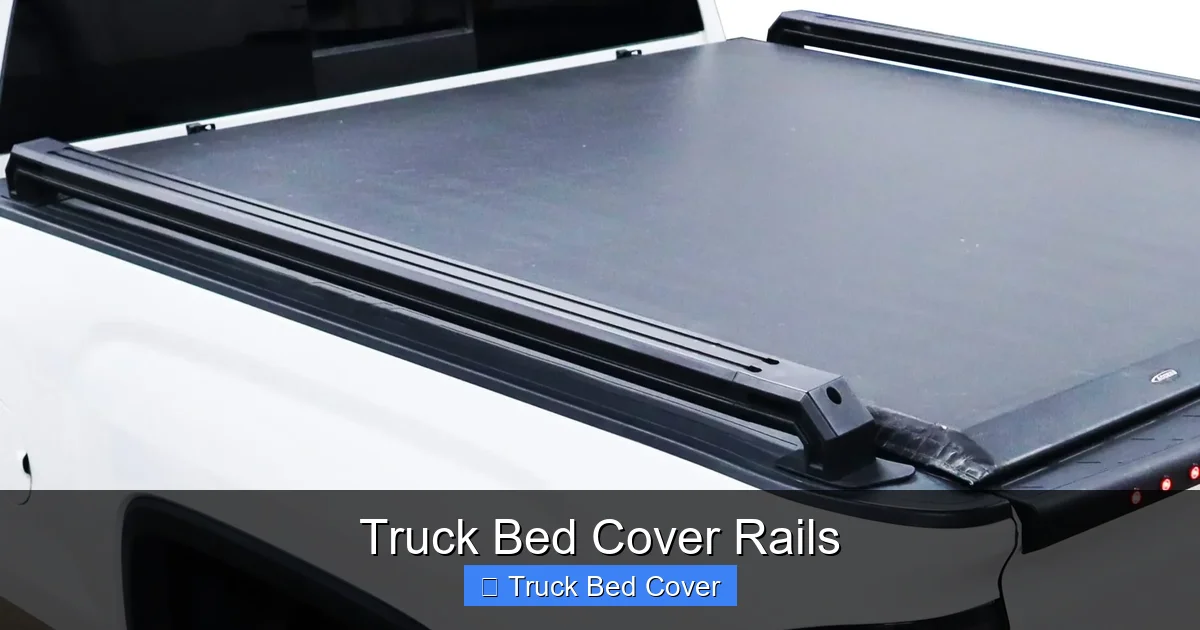
Truck Bed Cover Rails
Truck bed cover rails are crucial accessories that secure your tonneau cover while boosting your truck’s utility. They provide extra storage options, protect against weather damage, and support tools or gear with ease. Whether you’re hauling equipment or protecting valuables, these rails deliver both practicality and peace of mind.
Truck bed cover rails aren’t just metal bars—they’re the foundation of a smarter, safer, and more organized truck setup. Whether you’re a weekend warrior hauling gear, a tradesperson needing reliable storage, or someone who simply wants to protect their investment, these rails play a surprisingly big role. They anchor your tonneau cover, support additional accessories, and even help keep your truck bed looking clean and professional. In this guide, we’ll walk through everything you need to know about truck bed cover rails: what they do, why they matter, how to choose the right ones, and how to install them like a pro.
Let’s start with the basics. Your truck bed is one of its most valuable features—especially if you use it regularly. But over time, exposure to the elements, heavy loads, and everyday wear can take a toll. Without proper protection, your bed liner can crack, rust can set in, and your belongings get damaged. That’s where a tonneau cover comes in. It shields your cargo from wind, rain, sun, and prying eyes. But the cover alone isn’t enough. Enter truck bed cover rails—the unsung heroes that hold everything together.
These rails are installed along the inside edges of your truck bed, running parallel to the sides. They’re designed to securely fasten your tonneau cover in place, creating a tight, weather-resistant seal. Beyond that, they open up a world of possibilities. Want to mount a rack for kayaks or bikes? Need extra tie-down points for securing loads? Or maybe you just want to add side bins for tools? The rails make all of that possible. And because they’re built tough, they handle real-world use—whether you’re driving through mud, hauling lumber, or cruising on the highway.
Key Takeaways
- Enhanced Security: Truck bed cover rails lock in your tonneau cover tightly, preventing theft and unauthorized access.
- Weather Protection: They help seal the bed, keeping rain, snow, and dirt out of your cargo area.
- Versatile Storage: Add racks, bins, or tie-downs to create custom storage solutions directly on the rails.
- Easy Installation: Most rail systems bolt on without drilling, making them a DIY-friendly upgrade.
- Improved Aesthetics: Sleek, low-profile designs complement modern truck styling while staying functional.
- Increased Resale Value: Quality rails add value by protecting your truck bed and maintaining its appearance.
- Compatibility Matters: Always check fitment for your specific truck make, model, and bed size before purchasing.
Quick Answers to Common Questions
Do I need truck bed cover rails for every type of tonneau cover?
Not necessarily. Soft roll-up covers can sometimes function without rails, but they’re more stable and secure with rails in place. Hard covers almost always require rails for proper mounting and sealing.
Can I install truck bed cover rails myself?
Yes, most rail systems are designed for DIY installation. Clamp-style rails can go on in under an hour, while bolt-in systems may take 2–3 hours. Just follow the instructions and use the right tools.
Will rails damage my truck bed?
Quality rails shouldn’t damage your bed if installed correctly. Clamp-on systems leave no marks, and bolt-in kits use existing mounting points. Avoid drilling unless necessary, and use templates to minimize risk.
Are aluminum rails strong enough?
Yes, especially for light to moderate use. Aluminum rails are corrosion-resistant and lightweight, but may not support extremely heavy loads. Check the weight rating for your specific application.
Can I add rails later if I didn’t install them originally?
Absolutely. Most rail systems are compatible with a wide range of trucks. Just verify fitment for your make and model before purchasing.
📑 Table of Contents
What Are Truck Bed Cover Rails?
At their core, truck bed cover rails are structural components that attach directly to your truck’s bed frame. They typically run the length of the bed, from the cab to the tailgate, and serve multiple functions. First and foremost, they provide mounting points for your tonneau cover. Without rails, many covers would either float or sag, leading to poor sealing and potential damage.
But the benefits don’t stop there. These rails also act as reinforcement for your truck bed. By distributing weight evenly across the frame, they reduce stress on the bed walls and prevent warping. Many models include pre-drilled holes or slots that allow you to attach accessories like crossbars, storage boxes, or even ladder racks. Some even come with integrated LED lighting or tool organizers.
There are several types of rails available, each suited to different needs and budgets. For example, fixed rails offer maximum strength and durability, while adjustable rails give you flexibility for different bed sizes or aftermarket modifications. Low-profile rails are sleek and blend seamlessly with modern truck designs, whereas heavy-duty models are built for extreme conditions.
Types of Truck Bed Cover Rails
Not all rails are created equal. The type you choose depends on how you use your truck, the kind of cover you have, and your long-term goals.
Fixed Rails: As the name suggests, these are permanently mounted and offer the strongest connection. They’re ideal for heavy-duty applications like construction sites or off-road adventures. Fixed rails often come with reinforced brackets and corrosion-resistant coatings, making them last for years.
Adjustable Rails: These allow you to fine-tune the position of your cover or accessories. They’re perfect if you frequently switch between different types of cargo or need to accommodate a taller load. Adjustable rails usually feature sliding clamps or telescoping bars.
Low-Profile Rails: Designed for a clean, aerodynamic look, these rails sit close to the bed wall. They’re popular among drivers who prioritize aesthetics but still want full coverage. Low-profile models are lighter and easier to install but may not support as much weight as heavier alternatives.
Custom Rails: Some manufacturers offer rails tailored to specific truck models or cover brands. These often include unique features like built-in tie-downs, tool trays, or integrated lighting.
Benefits of Installing Truck Bed Cover Rails
Why go through the trouble of installing rails? The advantages are clear when you consider how much they improve daily truck use.
First, they secure your tonneau cover. A loose or improperly mounted cover can flap in the wind, letting water seep in or allowing someone to reach underneath and unlock it. Rails eliminate that risk by anchoring the cover firmly in place.
Second, they extend the life of your truck bed. By keeping moisture and debris out, rails help preserve your bed liner, paint, and undercarriage. This means fewer repairs and a higher resale value down the road.
Third, they increase storage versatility. With rails in place, you can easily add side-mounted cargo boxes, bike racks, or even solar panels. Many systems allow you to slide accessories along the rails for quick repositioning.
Finally, they improve safety and organization. Secure tie-down points mean your cargo stays put during sudden stops or rough terrain. Neatly stored tools and equipment reduce clutter and help you find what you need faster.
How to Choose the Right Truck Bed Cover Rails
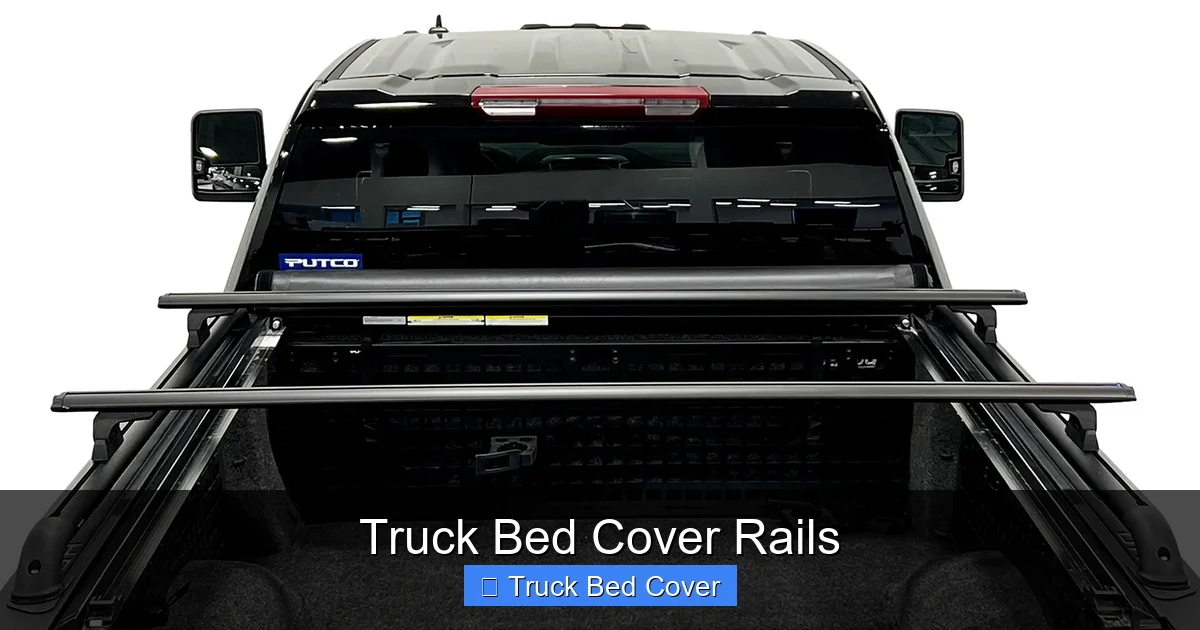
Visual guide about Truck Bed Cover Rails
Image source: putco.com
Picking the wrong rails can lead to installation headaches, poor performance, or even damage to your truck. So how do you choose?
Start by checking compatibility. Measure your truck bed and note the year, make, and model. Even small differences—like a short bed vs. a long bed or a crew cab vs. a regular cab—can affect fitment. Most manufacturers list compatible vehicles on their websites, so double-check before ordering.
Next, consider your intended use. If you frequently carry bulky or heavy items, go for heavy-duty rails with high weight ratings. For light-duty use—like occasional camping trips or grocery runs—low-profile or aluminum rails may be sufficient.
Material matters too. Aluminum rails are lightweight and rust-resistant, making them great for coastal areas or humid climates. Steel rails are stronger and more durable but heavier and prone to rust if not properly coated. Powder-coated finishes help prevent corrosion and add a polished look.
Don’t overlook accessory compatibility. If you plan to add crossbars or storage bins later, choose rails that support those features. Look for models with multiple mounting points or universal attachment systems.
Lastly, read reviews and buy from reputable brands. Trusted names like BakBox, Tonno Pro, and Leer offer reliable products backed by warranties and customer support.
Installation Tips for Beginners
You don’t need to be a mechanic to install truck bed cover rails. With the right tools and a little patience, most people can do it at home.
Begin by gathering your tools: a socket wrench, drill (if needed), measuring tape, and safety glasses. Read the instruction manual thoroughly—even if you’ve done similar projects before.
If your rails require drilling, mark the spots carefully using the provided template or measuring twice. Drill slowly and avoid cracking the truck bed material. Use a center punch to prevent bit slippage.
When tightening bolts, don’t overtighten. Over-torquing can strip threads or warp the rail. Hand-tighten first, then use a wrench just until snug.
After installation, test your cover by opening and closing it several times. Make sure it seals properly and doesn’t rattle. If it feels loose, double-check the rail alignment and re-tighten as needed.
Pro tip: Apply a thin layer of anti-seize compound to bolt threads. This prevents corrosion and makes future removal easier.
Common Misconceptions About Truck Bed Cover Rails
Despite their popularity, there are a few myths floating around about truck bed cover rails. Let’s clear them up.
Myth 1: Rails are only for hard tonneau covers.
False. While rails work best with hard covers, many soft roll-up or tri-fold covers also benefit from rail support. Some soft covers include rail adapters for better stability.
Myth 2: You must drill into your truck bed to install rails.
Not always. Many modern rail systems use clamp-on or bolt-in designs that don’t require drilling. Clamp-style rails are especially convenient for renters or those worried about damaging their vehicle.
Myth 3: All rails look the same.
Nope. From glossy black powder coat to matte silver aluminum, rails come in various finishes. Choose one that matches your truck’s color and overall aesthetic.
Myth 4: Rails reduce fuel efficiency.
In some cases, yes—but the impact is minimal. The added drag is far outweighed by the improved aerodynamics of a well-secured tonneau cover. Plus, many low-profile rails are designed to reduce wind resistance.
Myth 5: You can’t remove rails once installed.
Most rails are reversible and can be taken off without leaving permanent marks—especially clamp-type systems. However, drilled-in rails may require patching if removed.
Maintenance and Care
Once your rails are installed, they need minimal maintenance—but a little care goes a long way.
Clean them regularly with mild soap and water to remove dirt, salt, or grime. Avoid harsh chemicals or abrasive scrubbers that could scratch the finish.
Lubricate moving parts like sliding clamps or adjustable joints with silicone spray or dry lubricant. This keeps them operating smoothly and prevents sticking.
Inspect bolts and brackets every few months. Loose hardware is a common cause of rattling or misalignment. Tighten as needed.
If you notice rust forming, address it immediately. For steel rails, sand lightly and reapply touch-up paint. Aluminum rails are less prone to rust but can suffer from oxidation—wipe down regularly to maintain shine.
Finally, store accessories properly when not in use. Leaving heavy items on the rails for extended periods can cause bending or stress over time.
Real-World Examples: How Truckers Use Bed Cover Rails
To see the real power of bed cover rails, look no further than everyday truckers doing their jobs.
Meet Sarah, a contractor who uses her Ford F-150 to haul tools, ladders, and drywall. She installed heavy-duty rails with side-mounted bins. Now, she can organize her toolkit and secure materials without taking up cab space. Her tonneau cover stays sealed during rainstorms, and she’s never had a theft attempt thanks to the lockable system.
Then there’s Mike, an outdoor enthusiast who ferries kayaks and camping gear across the country. His rails support a roof rack system that slides forward and backward for easy loading. He even added LED strips for nighttime visibility. “It’s like having a mobile garage,” he says.
Even delivery drivers benefit. Lisa, who delivers furniture, uses rails to mount a fold-down ramp and tie-down straps. “It saves me time and keeps my truck looking professional,” she explains.
These stories show that rails aren’t just for show—they solve real problems.
Top Brands and Products to Consider
With so many options on the market, choosing a brand can feel overwhelming. Here are five trusted names known for quality truck bed cover rails:
Bak Industries: Known for durable aluminum rails with sleek designs. Their BedRack system integrates rails with overhead storage.
Tonno Pro: Offers affordable, easy-to-install rails with excellent customer support. Great for DIYers.
Leer: A premium brand favored by professionals. Their rails include built-in tie-downs and lighting options.
Rough Country: Perfect for off-roaders. Heavy-duty steel rails with rock guard protection.
UnderCover: Combines rails with their popular tonneau covers for a seamless look and secure fit.
When comparing products, look for features like corrosion resistance, weight capacity, and included hardware. Also, check whether the kit includes a tonneau cover or is sold separately.
Cost Breakdown: What to Expect
Truck bed cover rails vary widely in price. On average, you can expect to pay:
– Budget-friendly clamp-style rails: $150–$250
– Mid-range bolt-on aluminum rails: $250–$400
– Premium steel or custom-fit rails: $400–$600+
While cheaper options exist, investing in quality rails pays off in longevity and performance. Remember, rails are a one-time purchase that enhances your entire truck setup.
Final Thoughts
Truck bed cover rails are more than just hardware—they’re a smart upgrade that transforms how you use your truck. They protect your cargo, safeguard your investment, and unlock endless customization possibilities. Whether you’re a weekend adventurer, a busy tradesperson, or someone who just loves a clean, organized truck bed, rails deliver real value.
The key is choosing the right system for your needs and installing it correctly. Take time to measure, research, and compare options. Once you’ve got your rails in place, you’ll wonder how you ever drove without them.
So next time you’re thinking about upgrading your truck, don’t overlook the humble rail. It might just be the simplest, most effective change you can make.
Frequently Asked Questions
What are truck bed cover rails used for?
Truck bed cover rails securely mount and seal tonneau covers while providing attachment points for accessories like bins, racks, or tie-downs. They also help protect the truck bed from moisture and wear.
Do I need special tools to install truck bed cover rails?
Basic tools like a socket wrench and drill (if required) are usually sufficient. Many modern systems use clamp-on designs that don’t require drilling or specialized tools.
Can I use truck bed cover rails with a soft tonneau cover?
Yes, though hard covers typically rely more heavily on rails for structural support. Soft covers benefit from rails by reducing flapping and improving weather sealing.
How do I know if the rails will fit my truck?
Check the manufacturer’s website or product listing for a list of compatible truck makes, models, and bed lengths. Measuring your bed width and length helps confirm fit.
Are truck bed cover rails worth the investment?
Yes, especially if you regularly use your truck bed for storage or transport. They enhance security, protect your cargo, and increase resale value by preserving your truck bed’s condition.
Can I add accessories to truck bed cover rails later?
Most rails include multiple mounting points and are compatible with third-party accessories like crossbars, storage boxes, or bike racks. Always verify compatibility before purchasing add-ons.