How to Fix Truck Bed Cover
Your truck bed cover is essential for protecting your cargo and maintaining your vehicle’s value. Whether it’s a hard or soft roll-up cover, knowing how to fix truck bed cover problems can save you time and money. This guide walks you through diagnosing, repairing, and preventing common truck bed cover issues so your truck stays secure and looks great.
How to Fix Truck Bed Cover
You just loaded up your truck with gear for the weekend camping trip—tools, coolers, and all your outdoor essentials. But as you drive, you notice the tailgate won’t latch properly, or worse, the cover sags in the middle, letting rain sneak in. Frustrating? Absolutely. The good news? Most truck bed cover issues aren’t as complicated as they seem—and many can be fixed quickly with the right knowledge and a few basic tools.
Truck bed covers come in all shapes and sizes: hard covers that look like a solid lid, retractable models that slide back smoothly, and soft roll-ups that are lightweight and easy to operate. No matter which one you have, they all face similar wear and tear over time. From misaligned rails to leaking seams, these problems can compromise your cargo’s safety and your truck’s appearance. That’s where this guide comes in.
Whether you’re a weekend warrior or a daily commuter, understanding how to fix truck bed cover issues empowers you to handle repairs confidently. In this comprehensive article, we’ll walk through the most common problems, show you exactly how to diagnose and fix them, and share pro tips to keep your cover functioning like new. Let’s get started.
Understanding Your Truck Bed Cover Types
Before diving into repairs, it’s important to know what kind of cover you’re working with. Different types require different approaches. Let’s break them down.
Hard Truck Bed Covers
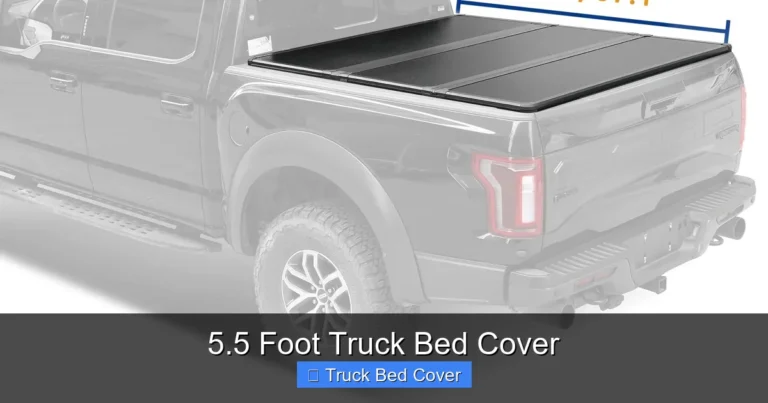
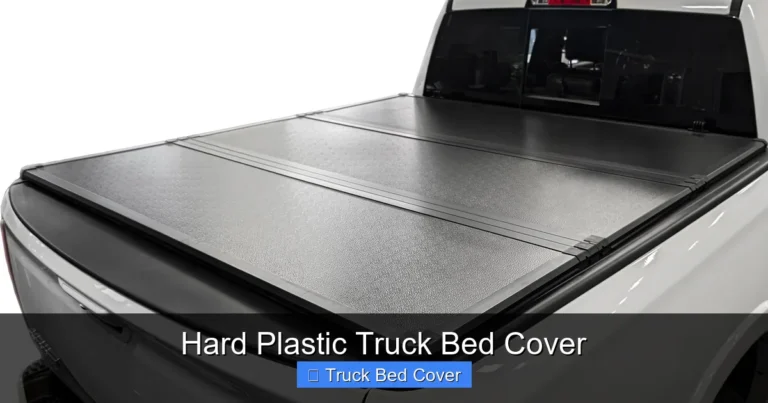
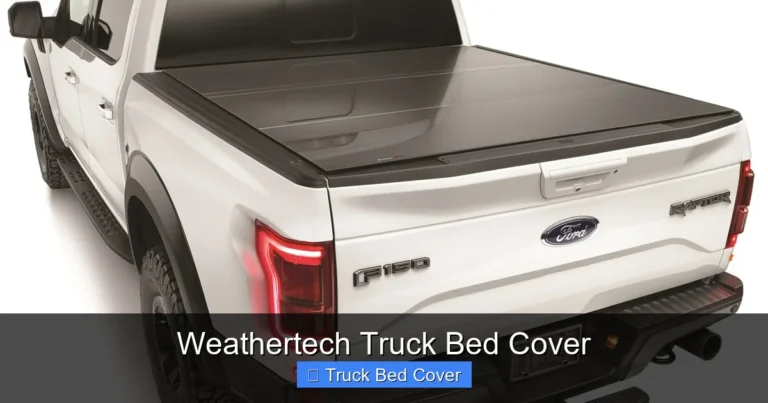
These are the most durable and secure options, made from materials like fiberglass, aluminum, or composite plastic. They sit flush over the bed and lock tightly, offering excellent protection against theft and weather. Common models include tri-fold, dual-latch, and retractable hard covers.
Because they’re rigid, hard covers don’t flex or stretch, but they do rely heavily on alignment and sealing. Over time, the mounting brackets can loosen, causing the cover to shift or rattle. Also, the rubber seals around the edges can crack or degrade, leading to water leaks.
Soft Roll-Up Covers
Made from vinyl or canvas, these are lighter and more affordable than hard covers. They roll up along tracks on either side of the bed and are secured with a central latch or straps. While convenient, soft covers are more prone to stretching, fraying, and UV damage.
The biggest issues with soft covers usually involve the rolling mechanism, torn fabric, or broken latches. Since they’re less rigid, improper installation or shifting can also cause them to sag or not close fully.
Retractable Hard Covers
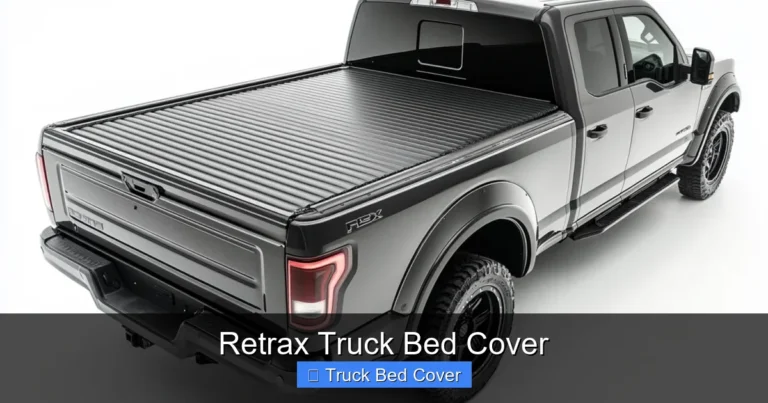
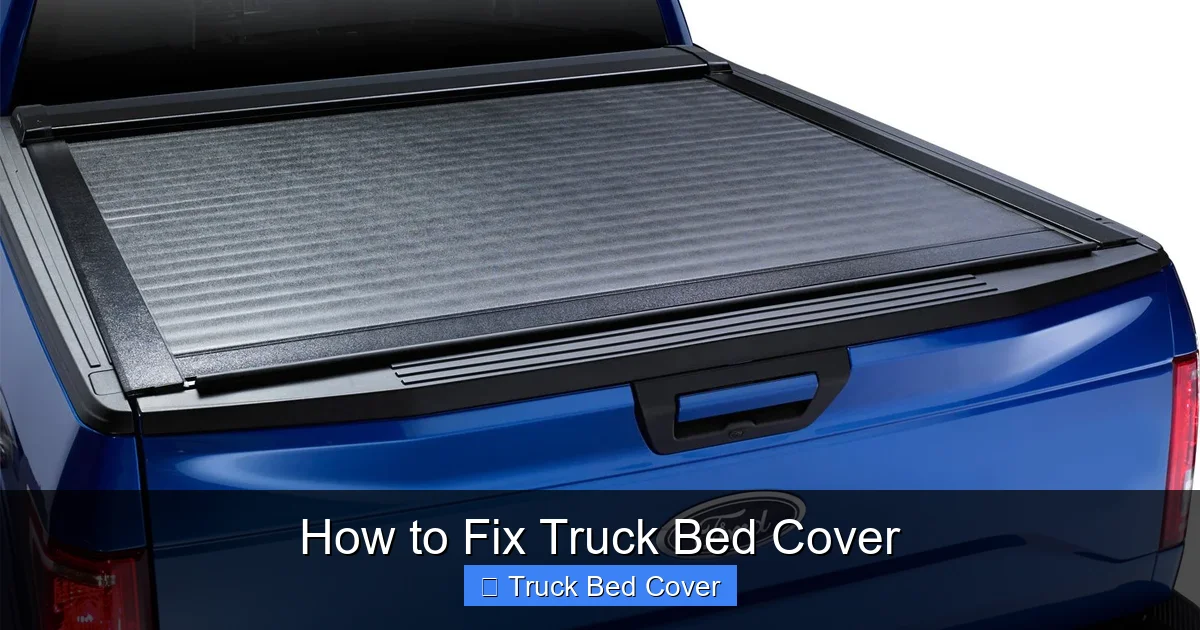
These are sleek, motorized covers that slide open using an electric or manual system. They offer the security of a hard cover with the convenience of easy access. However, they’re also the most complex and expensive to repair.
Problems with retractable covers often involve electrical faults, misaligned tracks, or motor failure. Because they’re integrated with your truck’s power system, diagnosing issues requires patience and sometimes professional tools.
Knowing your cover type helps you choose the right repair method. For example, fixing a leaky seal on a hard cover is different from replacing a torn strap on a soft cover. Let’s explore common problems and their solutions next.
Common Truck Bed Cover Issues and How to Fix Them
Every truck owner will eventually face a bed cover issue. But before you panic, take a deep breath. Many problems are simple to fix once you identify the root cause. Here are the most frequent issues and how to tackle them.
Misaligned or Loose Mounting Brackets
If your cover rattles or doesn’t close properly, the mounting brackets might be loose or shifted. This is especially common after off-roading or heavy loads.
Start by opening the cover fully. Inspect the bolts securing the brackets to the bed rails. Use a socket wrench to tighten any loose bolts. If the brackets are bent, gently tap them back into place with a rubber mallet—never use metal tools directly, as you could dent the bed.
For retractable covers, check if the sliding rails are level. Uneven rails cause the cover to bind or not retract fully. Adjust the rail mounts using shims if necessary.
Leaking Seals and Weatherstripping
Water intrusion is a top concern. Leaks usually happen at the front edge, sides, or corners. Over time, rubber seals dry out and lose flexibility.
First, clean the sealing area with soap and water. Dry thoroughly. Then apply a high-quality automotive-grade silicone sealant along the edges. Avoid using duct tape—it traps moisture and peels off.
If the seal itself is cracked or missing, replace it. Most manufacturers sell replacement weatherstripping kits. Measure carefully and cut the new strip to size before attaching with adhesive.
Damaged Latches and Hinges
Latches are under constant stress. A broken latch prevents the cover from closing, while worn hinges can cause the cover to droop.
Inspect the latch mechanism for cracks or stripped threads. Replace the entire latch assembly if it’s beyond repair. For soft covers, check the Velcro or buckle straps—replace any torn sections with heavy-duty alternatives.
Hinges on hard covers may develop play. Tighten the hinge pins or replace them if they’re corroded. Lubricate with white lithium grease to prevent future rust.
Stiff or Jammed Roll-Up Mechanism (Soft Covers)
If your soft cover won’t roll up or feels stiff, the problem is likely dirt buildup or dry rollers.
Remove the cover completely and lay it flat. Clean the roller tubes and tracks with compressed air and a damp cloth. Apply a silicone-based lubricant to the rollers—not oil, which attracts dirt.
Also, check the cord or strap used to secure the rolled cover. Replace frayed cords immediately to prevent sudden unrolling while driving.
Sagging or Uneven Hard Covers
A sagging hard cover often means the center support rod is bent or the cover isn’t seated evenly.
Locate the center brace and inspect it for bends. If it’s warped, remove it and straighten it gently. Reinstall and test the fit. If the cover still sags, adjust the mounting brackets by loosening them slightly, repositioning the cover, and retightening.
For retractable covers, a sagging issue might indicate misaligned track brackets. Use a level to ensure both sides are even, then adjust the bracket positions accordingly.
Electrical Problems in Retractable Covers
If your retractable cover won’t move at all, the issue could be electrical.
Begin by checking the fuse box. Locate the cover’s fuse—usually labeled “Bed Cover” or “Retractable.” Replace any blown fuse with one of the same rating.
Next, test the motor. With the key in the “ON” position and the cover closed, try operating it. If it doesn’t respond, there may be a wiring fault. Inspect connectors for corrosion or loose wires. Clean terminals with electrical contact cleaner.
If the motor runs but the cover jams, the problem is mechanical—likely misaligned tracks or debris in the rails.
DIY vs. Professional Repair: When to Call a Pro
While many truck bed cover repairs are DIY-friendly, some situations demand professional help.
DIY repairs are ideal for:
– Tightening loose bolts
– Replacing weatherstripping
– Cleaning and lubricating mechanisms
– Adjusting mounting brackets
However, consider a professional if:
– The cover has electrical issues you can’t diagnose
– There’s significant structural damage (e.g., cracked fiberglass)
– You lack confidence in handling complex systems
– Your warranty would be voided by self-repair
Many auto shops specialize in tonneau covers and can perform advanced diagnostics. It’s better to spend $100 now than $500 later on a botched job.
Preventative Maintenance Tips
The best way to avoid repairs is regular maintenance. Here’s how to keep your truck bed cover in top shape:
Clean Weekly
Wipe down the cover with mild soap and water to remove dirt, salt, and grime. Pay attention to the seals and latches.
Lubricate Monthly
Use silicone spray or white lithium grease on moving parts—rollers, hinges, and tracks—to reduce friction and prevent rust.
Inspect Before Storage
At season’s end, check for damage, cracks, or worn parts. Address issues before storing to prevent mold or warping.
Avoid Overloading
Don’t stack heavy items directly on the cover. Use a bed liner instead to distribute weight and protect the surface.
Check Alignment After Load Shifts
If you frequently haul heavy gear, re-tighten brackets occasionally to maintain proper alignment.
With consistent care, your truck bed cover can last 10 years or more—even with daily use.
Advanced Repairs: Replacing a Retractable Cover Motor
If your retractable cover’s motor fails, it’s often due to overheating or electrical wear. Replacing it is a mid-level DIY project.
Gather tools: socket set, multimeter, replacement motor, dielectric grease.
Disconnect the battery to avoid short circuits.
Access the motor compartment (usually behind the cab or under the bed). Remove panels carefully.
Test the old motor with a multimeter to confirm failure.
Install the new motor, reconnect wiring, and apply dielectric grease to connectors.
Reassemble and test. Most motors come with instructions—follow them precisely.
This repair can cost $200–$400 in parts and labor if done professionally, but DIY saves hundreds.
Upgrading Your Truck Bed Cover
Sometimes, fixing an old cover isn’t enough. If yours is outdated or repeatedly problematic, consider an upgrade.
Modern covers offer better sealing, easier operation, and enhanced aesthetics. Popular upgrades include:
– Switchblade retractables with remote control
– Aluminum tri-folds with dual-locking systems
– Soft covers with reinforced rails and anti-theft straps
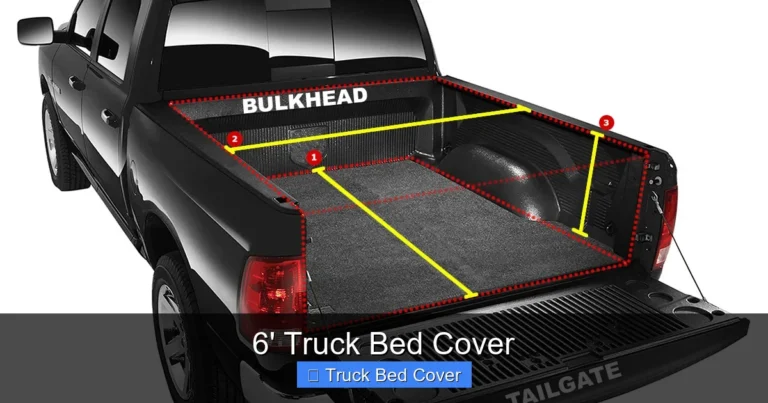
Research models compatible with your truck year and bed length. Brands like BakBox, TruXedo, and UnderCover lead the market.
Final Thoughts
Fixing your truck bed cover doesn’t have to be overwhelming. By understanding the type of cover you own and addressing issues early, you can avoid major damage and keep your truck protected. From tightening bolts to replacing seals, most fixes are straightforward with the right approach.
Remember: prevention is cheaper than repair. A few minutes of cleaning and inspection each month can save you hours of frustration later.
Whether you’re fixing a leaky seal or upgrading to a smart retractable cover, you’re investing in your truck’s durability and value. And the best part? You’re doing it yourself—saving money and gaining confidence in your mechanical skills.
So the next time your cover acts up, don’t reach for the phone. Grab your tools and take charge. You’ve got this.
Key Takeaways
- Understanding how to fix truck bed cover: Provides essential knowledge
Quick Answers to Common Questions
Can I fix a leaking truck bed cover myself?
Yes, most leaks are caused by dried-out seals. Clean the area, apply silicone sealant, and replace damaged weatherstripping to stop water intrusion.
Why won’t my soft roll-up cover roll up smoothly?
Dirt and lack of lubrication are common causes. Clean the tracks and rollers, then apply silicone spray to restore smooth operation.
How do I align a misaligned hard truck bed cover?
Loosen the mounting bolts, adjust the cover position, and retighten. Use a level to ensure both sides are even, and check rail alignment for retractable models.
What should I do if my retractable cover motor isn’t working?
Check the fuse first. If it’s fine, test the motor with a multimeter. If faulty, replace it following the manufacturer’s instructions and reconnect wiring securely.
How often should I lubricate my truck bed cover?
Monthly is ideal. Use silicone-based lubricant on rollers, hinges, and tracks to prevent stiffness and prolong the mechanism’s life.
Frequently Asked Questions
Can I use WD-40 on my truck bed cover?
No, WD-40 isn’t a lubricant and can attract dirt. Use silicone spray or white lithium grease instead for long-lasting protection.
How do I replace a broken latch on a soft roll-up cover?
Remove the old latch with a screwdriver, measure the new one, and install it using the same screws. Ensure it locks securely before reattaching the cover.
Is it safe to leave a soft cover rolled up for long periods?
Yes, but only if it’s completely dry and free of moisture. Dampness trapped inside can lead to mold and fabric damage over time.
What causes a hard cover to sag in the middle?
A bent center support rod or misaligned mounting brackets are usually the cause. Inspect and straighten the rod or adjust the brackets as needed.
How do I prevent my truck bed cover from fading?
Park in the shade when possible, use a sunshade, and clean regularly with pH-balanced soap. UV protectant sprays can also extend fabric life.
Do I need to remove the entire cover to fix small issues?
Not always. For latch repairs or seal replacements, you may only need to partially remove the cover. Check the manual for access points.