How to Install a Bed Cover for a Truck
Installing a truck bed cover is easier than you think—and it makes a big difference in protecting your cargo and improving your truck’s look. Whether you’re installing a soft roll-up, hard folding, or retractable cover, this guide walks you through every step with clear instructions and helpful tips.
Installing a bed cover for your truck isn’t just about looks—it’s about protection, security, and peace of mind. Whether you haul tools, gear, or groceries, a well-fitted truck bed cover keeps your items safe from rain, dust, theft, and sun damage. Plus, it gives your truck a sleek, finished appearance that turns heads on the road.
But let’s be honest—installing a bed cover can feel intimidating if you’ve never done it before. You might worry about drilling into your truck, misaligning panels, or damaging the bed rails. The good news? Most modern bed covers are designed for easy, tool-free or minimal-tool installation. With the right preparation, patience, and this step-by-step guide, you’ll have your cover up in under an hour.
In this article, we’ll walk you through everything you need to know about how to install a bed cover for a truck. From choosing the right model to troubleshooting common issues, we’ve got you covered. Let’s get started!
Key Takeaways
- Understanding how to install a bed cover for a truck: Provides essential knowledge
Quick Answers to Common Questions
How long does it take to install a truck bed cover?
Most soft roll-up or folding covers take 30–60 minutes for DIY installation. Retractable models may take 2–3 hours due to rail alignment.
Can I install a bed cover myself?
Yes! Most covers are designed for DIY installation. Just read the manual, prepare your tools, and take your time with alignment.
Do I need to drill holes for installation?
It depends on the cover type. Bolt-on models require drilling, while clamp-on or snap-in designs don’t. Always check your kit’s requirements.
Will a bed cover improve my gas mileage?
Yes—aerodynamic covers reduce wind resistance, potentially improving fuel economy by up to 10%, especially on highway driving.
Can I remove and reinstall the cover easily?
Absolutely. Most removable covers (like soft roll-ups) allow quick detachment for full bed access. Hard covers may require more effort.
📑 Table of Contents
Understanding Your Truck Bed Cover Options
Before diving into installation, it’s important to understand the different types of bed covers available. Each style offers unique features, so choosing the right one depends on your needs—whether you prioritize security, convenience, or fuel efficiency.
Soft Roll-Up Covers
These are lightweight, affordable, and easy to install. Made of vinyl or canvas, they roll up and store inside the cab. Ideal for occasional use, they offer basic protection but aren’t as durable or secure as hard covers.
Hard Folding Covers
Popular among truck owners, these feature rigid panels that fold back in sections. They provide excellent security and weather resistance while allowing partial access to the bed. Installation usually involves bolting onto existing bed rails.
Retractable (Sliding) Covers
Designed for full-bed coverage, retractable covers slide open like a garage door. They’re sleek, secure, and great for large loads. However, they require more complex installation and higher cost.
Tonneau Covers
This is a broad category that includes both soft and hard styles. A tonneau cover is simply a cap over the truck bed—most are clamp-on or bolt-on designs. They’re known for improving aerodynamics, which can boost fuel economy by up to 10%.
No matter which type you choose, the installation process shares many common steps. Now, let’s break down the prep work.
Preparing for Installation
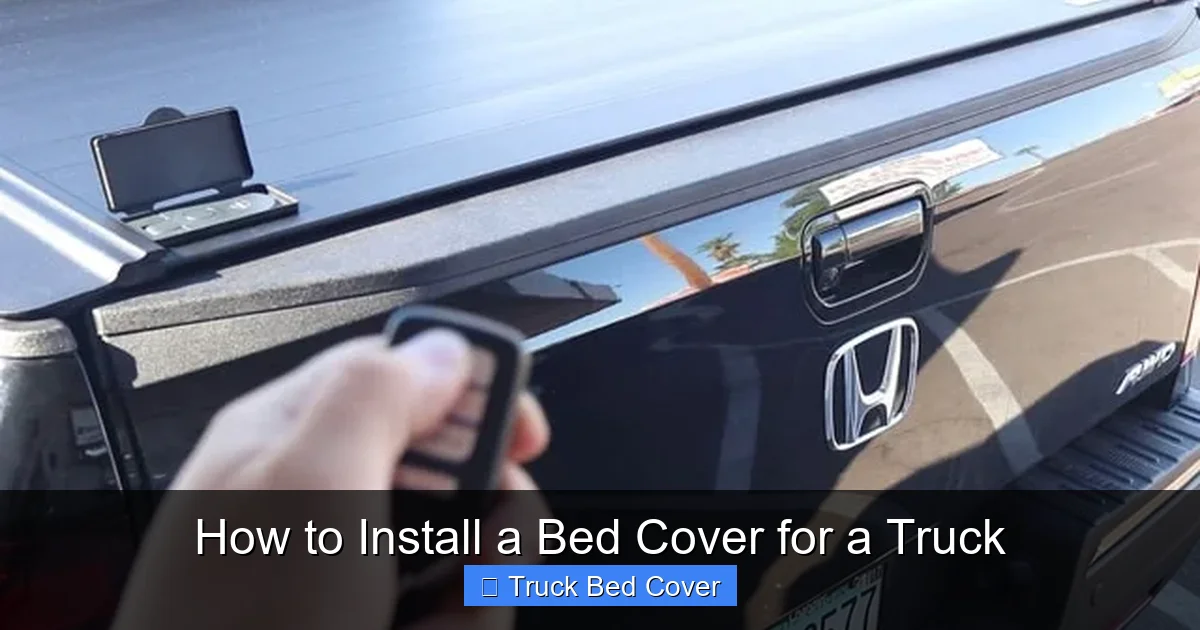
Visual guide about How to Install a Bed Cover for a Truck
Image source: ecodrivingusa.com
The secret to a successful bed cover installation? Preparation. Rushing into it without the right setup often leads to misalignment, loose fittings, or even damage to your truck bed.
1. Choose the Right Cover for Your Truck Model
Not all covers fit every truck. Measure your bed length, width, and rail type (whether you have factory or aftermarket rails). Check the manufacturer’s compatibility list before purchasing. For example, a 2020 Ford F-150 with short bed rails won’t accept a standard long-bed cover.
2. Gather Your Tools and Supplies
You’ll typically need:
– Socket wrench or impact driver
– Drill (if required)
– Clamps (included with most kits)
– Tape measure
– Cleaning supplies (soap, water, microfiber cloth)
– Lubricant (silicone-based spray)
Avoid using WD-49 or oil-based lubricants—they attract dirt. Silicone spray keeps moving parts smooth without buildup.
3. Clean the Truck Bed Thoroughly
Dirt, rust, or debris can interfere with seal integrity and cause scratches during installation. Wash the entire bed area, dry it completely, and inspect for dents or uneven surfaces. If there’s rust, sand it lightly and apply touch-up paint.
4. Remove Any Obstructions
Take out bed liners, tie-down brackets, or toolboxes temporarily. Some covers require removal of the tailgate handle or license plate. Note where everything goes so you can reinstall it later.
Once your truck bed is ready, it’s time to begin the actual installation.
Step-by-Step Installation Process
While exact steps vary by brand and model, here’s a general guide that applies to most truck bed covers, including hard folding and soft roll-up varieties.
Step 1: Unbox and Inspect the Kit
Open the packaging and verify all parts are present. Most kits include:
– Main cover panel(s)
– Side rails or mounting brackets
– Bolts, washers, and clamps
– Weather stripping or rubber seals
– Instruction manual
If anything is missing, contact the manufacturer immediately.
Step 2: Install the Side Rails (If Applicable)
Many hard folding and tonneau covers require side rails to support the cover and create a tight seal. Position the rails along the sides of the bed, ensuring they’re level. Use a level tool to confirm alignment.
Secure the rails using provided bolts or clamps. Don’t overtighten—just enough to hold firm. Loose rails lead to rattling; too tight and you risk bending the frame.
Step 3: Attach the Cover Panels
For folding covers, start at the front of the bed. Slide the first panel into the side rail grooves. Repeat for additional panels, making sure joints interlock properly.
For retractable covers, mount the rail system along the bed walls first, then attach the cover mechanism.
Always follow the manufacturer’s torque specifications if using a drill.
Step 4: Install the Tailgate Seal
This is crucial for weatherproofing. Apply adhesive-backed rubber seals along the top edge of the tailgate where it meets the cover. Press firmly to ensure no gaps.
Some covers come with pre-installed seals—just peel and stick.
Step 5: Test the Mechanism
Open and close the cover several times to check for smooth operation. Adjust tension if needed. For rolling covers, ensure the strap locks securely.
Now that it’s installed, let’s talk maintenance.
Tips for a Smooth and Secure Installation
Even experienced DIYers run into hiccups. Here are some pro tips to avoid common mistakes:
Work in Good Lighting
Install during daylight with clear visibility. It helps spot misaligned parts and ensures precise measurements.
Don’t Rush the Alignment
Take your time positioning each component. A crooked cover looks unprofessional and may not seal properly.
Use Thread Locker on Bolts
Apply a small drop of blue thread locker to bolts to prevent loosening from road vibrations.
Lubricate Moving Parts
Spray silicone lubricant on hinges and sliding tracks to reduce friction and noise.
Double-Check Compatibility
If you bought a universal cover, test-fit it before finalizing installation. Some require adapters for non-standard beds.
After installation, always do a final test drive in light rain to check for leaks.
Maintenance and Care After Installation
A properly installed truck bed cover should last 5–10 years with minimal care. But neglect can shorten its life significantly.
Clean Regularly
Wipe down the cover monthly with mild soap and water. Avoid harsh chemicals that can degrade vinyl or rubber seals.
Inspect for Damage
Look for cracks, tears, or loose fasteners during routine checks. Replace damaged seals immediately to maintain waterproofing.
Store Properly When Not in Use
If you remove the cover seasonally, clean it first and store it in a cool, dry place away from direct sunlight.
Avoid Sharp Objects
Never drag heavy tools across the cover. Use a bed mat underneath sharp loads.
With consistent care, your bed cover will continue to protect your cargo and enhance your truck’s value.
Common Installation Mistakes to Avoid
Even with the best intentions, mistakes happen. Here’s what NOT to do:
Skipping the Manual
Each cover has unique requirements. Ignoring the instructions can void your warranty and lead to improper fit.
Using the Wrong Tools
Using pliers instead of a socket wrench can strip bolts. Always use recommended tools.
Over-Tightening Hardware
This can warp aluminum rails or crack fiberglass panels. Follow torque specs.
Ignoring Weather Conditions
Installing in extreme heat or cold can make materials brittle or sticky. Work in moderate temperatures when possible.
Not Testing Before Full Loads
Run the cover through its paces with empty bed before transporting valuable items.
By avoiding these pitfalls, your installation will go smoothly from start to finish.
When to Call a Professional
While most truck owners can install a bed cover themselves, some situations call for professional help:
– Retractable covers requiring rail alignment across the entire bed
– Complex electrical components (like remote controls)
– Trucks with custom modifications or non-standard bed sizes
– Lack of confidence in drilling or structural integrity concerns
A certified installer ensures precision and often provides a warranty-backed job. It’s worth the investment if you’re unsure.
Frequently Asked Questions
What type of bed cover is best for security?
Hard folding and retractable covers offer the highest level of security since they lock in place and resist being lifted or cut. They’re ideal for protecting valuables.
Can I wash my truck with a bed cover installed?
Yes, but avoid high-pressure washers directly on seams or seals. Use low pressure and direct the stream away from connection points.
Are bed covers compatible with bed liners?
Most covers work with spray-on or drop-in liners, but tray liners may require adapter kits. Check compatibility before buying.
How do I fix a rattling bed cover?
Rattling usually comes from loose bolts or misaligned rails. Tighten all hardware and add foam padding where panels meet to dampen noise.
Can I install a bed cover on a truck without rails?
Some covers use clamp systems that attach directly to the bed walls. Others require aftermarket rails. Verify compatibility before purchasing.
Will a bed cover affect my truck’s resale value?
Yes—especially if professionally installed and maintained. A quality cover enhances appearance and functionality, increasing appeal to buyers.