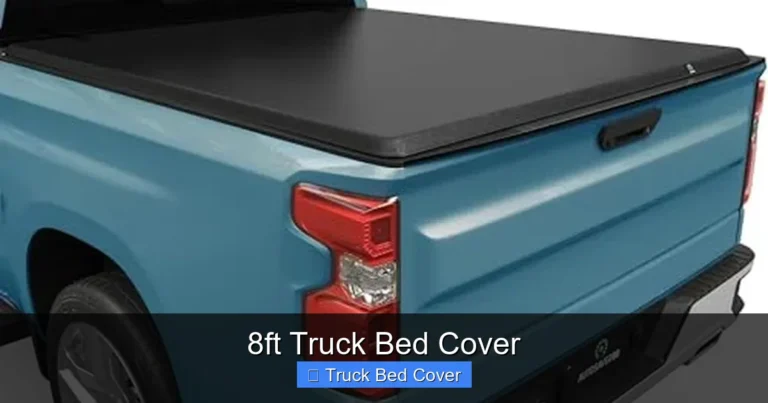
How to Close Truck Bed Cover
Closing your truck bed cover is simple but crucial for protecting your cargo and maintaining security. Whether you have a soft roll-up, hard folding, retractable, or retractable tonneau cover, knowing the proper technique ensures longevity and performance. This guide walks you through every step, from preparation to final checks, so you can drive with confidence.
Key Takeaways
- Know Your Cover Type: Different covers (roll-up, folding, retractable) require slightly different closing procedures to avoid damage.
- Prepare Before Closing: Remove loose items, ensure the bed is clean, and check that the cover isn’t caught on anything.
- Follow Manufacturer Guidelines: Always refer to your owner’s manual for model-specific instructions and torque settings.
- Use Proper Tools: A soft cloth, gloves, and sometimes a socket wrench can help prevent scratches and speed up the process.
- Maintain Regularly: Lubricate hinges and latches, inspect seals, and clean tracks to keep your cover operating smoothly.
- Safety First: Never force a stuck cover—identify the blockage before applying pressure to avoid breaking mechanisms.
- Weather Matters: Close your cover in dry conditions when possible; moisture can warp materials or freeze moving parts.
Quick Answers to Common Questions
Can I leave my truck bed cover open overnight?
It’s generally safe to leave most covers open briefly, but prolonged exposure to rain, sun, or animals can damage materials or allow theft. For extended periods, close and lock the cover.
Why won’t my retractable cover close all the way?
This could be due to obstructions in the track, low battery (for electric models), or misaligned guides. Inspect the bed and consult your manual for reset procedures.
Do I need special tools to close my cover?
No—most covers close by hand. However, having a soft cloth and gloves helps protect both your hands and the cover surface during handling.
Is it okay to close the cover in wet weather?
Yes, but avoid forcing it if ice or snow blocks movement. Moisture usually dries quickly on modern cover materials without harm.
How often should I inspect my cover?
At least once per month. Check for wear, proper latch function, and cleanliness. Annual deep cleaning and lubrication are also recommended.
📑 Table of Contents
- How to Close Truck Bed Cover: A Complete Step-by-Step Guide
- Understanding Different Types of Truck Bed Covers
- General Preparation Tips Before Closing Your Truck Bed Cover
- How to Close a Soft Roll-Up Truck Bed Cover
- How to Close a Hard Folding Truck Bed Cover
- How to Close a Retractable Truck Bed Cover
- How to Close a Toolbox-Style Hard Cover
- Common Mistakes People Make When Closing Their Truck Bed Cover
- Maintenance Tips to Keep Your Truck Bed Cover Working Smoothly
- When to Call a Professional for Help
- Conclusion: Close Smart, Drive Confidently
How to Close Truck Bed Cover: A Complete Step-by-Step Guide
If you’re like most truck owners, you rely on your vehicle’s bed cover for protection, security, and style. But if you’re not sure how to properly close your truck bed cover, you might be missing out on key benefits—or worse, damaging your investment. Whether you’ve just unloaded gear from your pickup or are preparing for a long drive, knowing exactly how to close your truck bed cover is essential.
In this detailed guide, we’ll walk you through everything you need to know about closing your truck bed cover—no matter what type you own. From soft roll-up covers to heavy-duty retractables, we’ll break down each method clearly and simply. You’ll learn best practices, troubleshooting tips, and maintenance advice so your cover stays secure, watertight, and functional for years. Let’s get started!
Understanding Different Types of Truck Bed Covers
Before diving into the “how-to,” it helps to understand the variety of covers available. Each design has its own closing mechanism and care requirements. Here are the most common types:
Soft Roll-Up Covers
These are lightweight, fabric-based covers that roll up toward the cab side of the truck bed. They’re popular for their affordability and ease of use. Most feature a Velcro or buckle system at the front to secure the rolled portion.
Hard Folding Covers
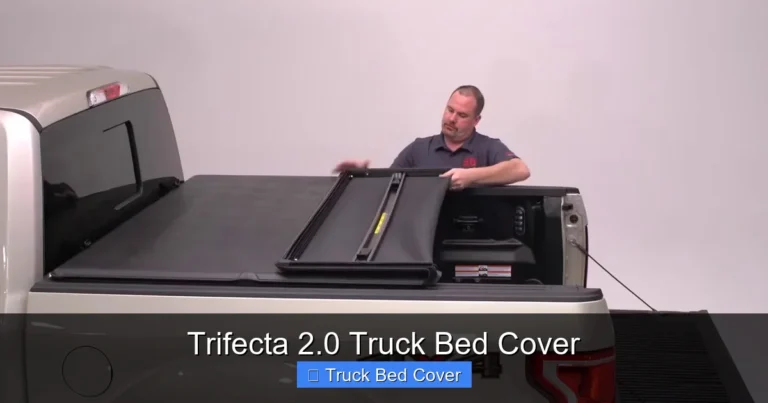
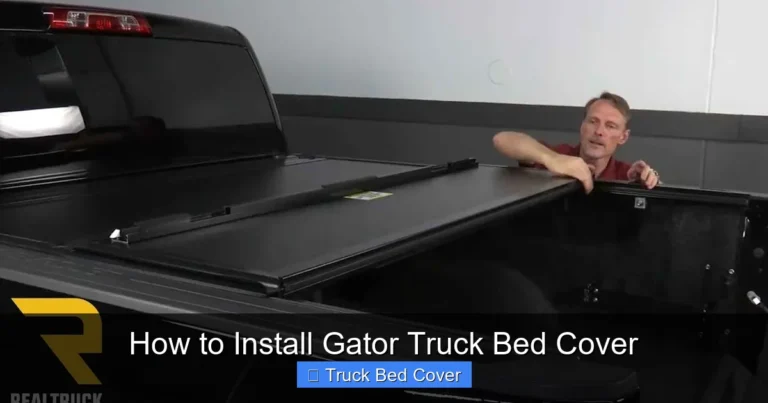
Made from durable materials like aluminum or fiberglass, these fold into sections across the bed. They offer superior security and weather resistance compared to soft covers.
Retractable Covers
Also called rolling or sliding covers, these unroll along internal tracks inside the truck bed. They provide full-bed coverage and are ideal for those who want maximum protection without sacrificing access.
Retractable Tonneau Covers
A hybrid between folding and rolling designs, retractables slide open using a handle or remote control. They’re sleek, modern, and often include locking features.
Toolbox-Style Hard Covers
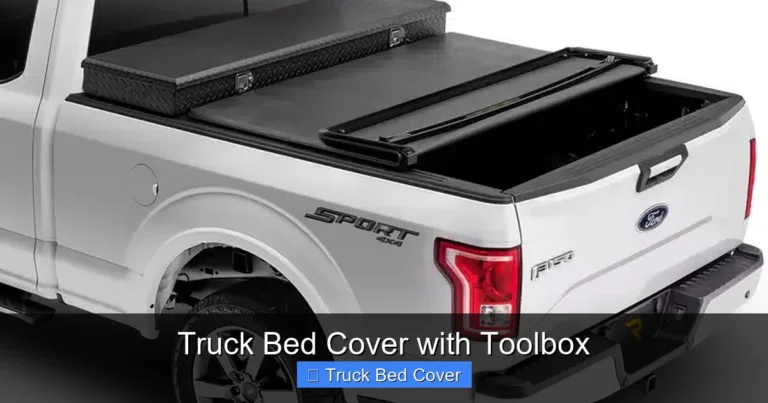
These integrate a built-in storage compartment into the cover itself. Closing them usually involves securing latches on both sides after lowering the lid.
Now that you know the basics, let’s go through the general steps for closing each major category—plus some universal tips that apply to all covers.
General Preparation Tips Before Closing Your Truck Bed Cover
Getting ready before you close your cover saves time and prevents accidents. Follow these simple prep steps no matter which type you have:
- Clear the bed: Remove any tools, equipment, or debris that could interfere with the cover.
- Check alignment: Make sure the tailgate is fully closed and flush with the bed rails.
- Inspect for obstructions: Look for branches, rocks, or other objects that might snag the cover during closure.
- Clean if needed: Dirt or moisture can stick to the cover material and cause wear over time.
- Wear gloves: Protect your hands from sharp edges or dirt while handling the cover.
Taking five minutes to prepare makes closing your truck bed cover faster, safer, and smoother.
How to Close a Soft Roll-Up Truck Bed Cover
Soft roll-up covers are among the easiest to operate, but improper handling can lead to tearing or misalignment. Here’s how to do it right:
Step 1: Lower the Cover Gently
Start by slowly guiding the rolled-up section toward the front of the bed. Avoid yanking or jerking the fabric—this can stretch the material or damage the rail system underneath.
Step 2: Align the Front Edge
Ensure the front edge of the cover sits flat against the bulkhead (the wall between the cab and bed). Use your hand to smooth out wrinkles as you go.
Step 3: Secure the Roll
Most soft covers come with a strap or Velcro flap at the front. Pull this over the rolled portion and fasten it securely. Double-check that it’s tight enough to stay put but not so tight that it strains the fabric.
Step 4: Test the Seal
Gently press around the edges to confirm there are no gaps where water or dust could enter. If your cover has rubber seals along the sides or tailgate, make sure they’re compressed evenly.
Pro Tip: If your soft cover tends to sag in the middle, consider adding support bars or upgrading to reinforced rails for better stability.
How to Close a Hard Folding Truck Bed Cover
Hard folding covers require more attention to detail due to their weight and multiple panels. Follow these steps carefully:
Step 1: Fold Panels Sequentially
Unfold the cover panel by panel, starting from the back and working forward. Keep each section aligned with the previous one to maintain balance.
Step 2: Lock Each Section
Most folding covers have individual latches or clips per panel. Engage them firmly but gently. Listen for a satisfying “click” to confirm they’re seated.
Step 3: Tighten Side Rails (if applicable)
Some models include adjustable side rails that tighten with knobs or bolts. Turn these clockwise until the cover sits flush against the bed walls—but don’t overtighten, or you risk warping the panels.
Step 4: Inspect Latches
Walk around the bed and test each latch by pulling outward. It should resist movement without excessive force. Loose latches indicate a need for adjustment or lubrication.
Example: If your cover won’t stay closed overnight, check whether the tailgate latch is fully engaged. Sometimes the issue isn’t the cover—it’s the tailgate itself.
How to Close a Retractable Truck Bed Cover
Retractable covers are convenient but require careful operation to avoid track damage. Here’s how to close them safely:
Step 1: Locate the Release Handle
Find the release lever or button—usually near the front corner of the bed. Pull or push it to initiate retraction.
Step 2: Guide the Cover Smoothly
As the cover begins to roll back into the canister, use both hands to steady it. Don’t let it snap shut—controlled motion is key.
Step 3: Stop at Full Closure
The cover should stop automatically once it reaches the end of the bed. If it doesn’t, disengage the motor briefly and manually guide it the rest of the way.
Step 4: Engage the Locking Mechanism
Many retractables lock into place with a simple flip or twist. Confirm it’s secure by trying to pull the cover forward slightly.
Note: Electric retractables may take 30–60 seconds to fully close. Be patient—rushing can overload the motor.
How to Close a Toolbox-Style Hard Cover
These covers combine storage and protection in one unit. Closing them involves two main actions:
Step 1: Lift the Lid Carefully
Use both hands to lift the hinged lid upward until it rests flat on top of the toolbox. Avoid slamming it—use slow, steady pressure.
Step 2: Secure Both Side Latches
Each side typically has a cam-style latch. Turn the knob clockwise or flip the lever until it locks audibly. Test by gently rocking the lid.
Step 3: Check Weather Stripping
Ensure the rubber seal around the lid compresses evenly when closed. Replace worn strips promptly to maintain a watertight seal.
Troubleshooting Tip: If the lid won’t close completely, the toolbox may be overloaded. Reduce contents until the lid sits level.
Common Mistakes People Make When Closing Their Truck Bed Cover
Even experienced truck owners occasionally skip steps or rush through the process. Here are frequent errors—and how to avoid them:
- Rushing the process: Taking 30 extra seconds to align the cover prevents costly repairs.
- Forcing a stuck cover: This can strip gears in retractables or bend frames in folding models.
- Ignoring maintenance: Dirty tracks or dry hinges lead to stiff operation over time.
- Not checking weather conditions: Ice or snow buildup can jam mechanisms.
- Using harsh chemicals: Solvents can degrade rubber seals and vinyl fabrics.
By avoiding these pitfalls, you’ll extend your cover’s lifespan and maintain optimal performance.
Maintenance Tips to Keep Your Truck Bed Cover Working Smoothly
A well-maintained cover closes easier, lasts longer, and protects better. Follow these routine care steps:
- Lubricate monthly: Apply silicone spray to hinges, latches, and tracks to reduce friction.
- Clean regularly: Wipe down with mild soap and water; rinse thoroughly and air-dry.
- Inspect seals annually: Look for cracks, dry rot, or gaps that compromise weather resistance.
- Store properly in winter: In extreme cold, remove soft covers to prevent cracking.
- Tighten hardware seasonally: Vibration from driving can loosen bolts—check every few months.
Small efforts add up. A quick 5-minute inspection each month keeps your cover in peak condition.
When to Call a Professional for Help
While most cover issues are DIY-friendly, some situations call for expert assistance:
- The cover won’t retract or unfold at all
- Latches break or become permanently jammed
- There’s visible frame damage from an accident
- Water leaks persist despite proper sealing
- The electric motor fails to engage
Manufacturers often warranty professional service for complex repairs. Don’t risk voiding your warranty by attempting unsafe fixes.
Conclusion: Close Smart, Drive Confidently
Closing your truck bed cover may seem like a minor task, but doing it correctly matters. A properly secured cover protects your belongings, improves fuel efficiency, and enhances your truck’s appearance. By following the steps outlined here—tailored to your cover type—you’ll ensure smooth operation and long-term durability.
Remember: preparation, patience, and regular maintenance go a long way. Whether you’re rolling up a soft cover before a rainstorm or locking down a hard folding model after a muddy job, take pride in knowing you’ve done it right. Your truck bed cover is more than just a accessory—it’s part of your daily routine. Treat it well, and it’ll serve you faithfully for years to come.
Frequently Asked Questions
What happens if I force my truck bed cover closed?
Forcing a stuck cover can damage latches, warp frames, or tear fabric. Always identify and remove the obstruction first before attempting to close it.
Can I wash my truck bed cover with a power washer?
Soft covers: Use low-pressure settings only. Hard covers: High-pressure washing is usually fine, but avoid spraying directly into seams or electrical components.
Will closing my cover improve gas mileage?
Yes! Aerodynamic covers reduce drag by up to 8%, improving fuel efficiency—especially at highway speeds. That adds up over time.
Are all truck bed covers compatible with tailgate locks?
Most modern covers work with standard tailgate handles, but some custom or older models may require adapters. Check compatibility before purchase.
How do I fix a loose latch on my folding cover?
Tighten the mounting bolts first. If the latch still feels flimsy, replace it with a new one matching your cover model. Refer to the manufacturer’s parts list.
Can I install a new cover myself?
Yes, many truck owners successfully install covers themselves using basic tools and the provided instructions. Watch tutorial videos for visual guidance specific to your model.