How to Choose a Truck Bed Cover
Choosing the right truck bed cover can make a big difference in protecting your gear, improving fuel efficiency, and boosting your truck’s appearance. With so many options—like tonneau covers, retractable models, and soft roll-up covers—it’s important to pick one that matches your driving habits, budget, and storage needs. Whether you’re hauling tools, groceries, or camping gear, the right cover keeps everything safe from rain, sun, and theft.
If you own a pickup truck, you know how useful that open bed can be. Whether you’re using it to carry firewood, move furniture, or transport equipment for work, your truck bed is more than just space—it’s part of your daily routine. But that open design also means your belongings are exposed to the elements: rain, snow, dirt, dust, and even curious passersby who might spot valuable items. That’s where a truck bed cover comes in.
A quality truck bed cover not only protects your cargo but can also improve your truck’s aerodynamics, giving you better gas mileage. Plus, let’s be honest—a well-fitted cover makes your truck look sharper and more put-together. With so many styles, materials, and price points available, choosing the right one might feel overwhelming. But don’t worry. This guide will walk you through everything you need to know to make an informed decision.
From understanding the different types of covers to evaluating materials and installation, we’ll break it all down in simple terms. By the end, you’ll know exactly which truck bed cover fits your lifestyle, vehicle, and wallet.
Key Takeaways
- Know Your Needs: Determine how much protection you need—weather resistance, security, or just a sleek look.
- Choose the Right Type: Soft covers are affordable and easy to use; hard covers offer better security and durability.
- Consider Material & Durability: Aluminum and fiberglass are strong; vinyl and canvas are lighter but less rugged.
- Think About Climate: Hot climates need UV-resistant materials; cold areas require covers that don’t crack in freezing temps.
- Check Installation & Maintenance: Some covers snap on fast; others need professional help. Maintenance-free options save time.
- Match Your Truck’s Bed Size: Measure carefully—even small gaps can compromise fit and function.
- Budget Smartly: Balance cost with long-term value. A $500 hard cover may last longer than a $200 soft cover.
Quick Answers to Common Questions
Can a truck bed cover improve gas mileage?
Yes! A well-designed truck bed cover reduces wind resistance at the tailgate, which can improve fuel efficiency by up to 10%. The smoother airflow helps your truck cut through the air more efficiently.
Are soft covers worth it?
Absolutely, if you’re on a budget or only need occasional protection. Soft truck bed covers like roll-ups are easy to use and install, making them great for casual drivers or those who don’t haul frequently.
Do I need to drill into my truck for a cover?
Not always. Many modern truck bed covers, especially snap-ons and roll-ups, use clamp-on systems that don’t require drilling. However, hard covers often need minor modifications for a secure fit.
How do I clean my truck bed cover?
Wipe down with mild soap and water. Avoid harsh chemicals that can damage vinyl or fabric. For hard covers, use a soft cloth and check manufacturer recommendations for lubricating moving parts.
Can I install a cover myself?
Yes, many truck bed covers are designed for DIY installation. Soft models usually take 30–60 minutes, while hard covers may require more time and tools. Follow the instructions carefully or consider professional help.
📑 Table of Contents
- Understanding the Purpose of a Truck Bed Cover
- Types of Truck Bed Covers Explained
- Materials Matter: What’s Under the Surface?
- Climate Considerations: How Weather Affects Your Choice
- Installation & Maintenance: DIY or Professional?
- Security Features: Keep Your Gear Safe
- Matching Your Cover to Your Truck Model
- Cost vs. Value: Where to Spend (and Save)
- Final Thoughts: Making the Right Choice
Understanding the Purpose of a Truck Bed Cover
Before diving into styles and brands, it helps to understand why you’re getting a cover in the first place. Are you trying to keep your tools dry during a cross-country job site tour? Or maybe you just want to prevent your dog from jumping out while driving? Whatever your reason, knowing your goals will guide your choice.
Most people choose a truck bed cover for three main reasons:
– **Weather Protection:** Rain, snow, and UV rays can damage or ruin cargo. A cover keeps things dry and prevents fading.
– **Security & Theft Deterrence:** A locked or secured cover makes it harder for thieves to access your gear.
– **Improved Aesthetics & Aerodynamics:** A clean, covered bed looks professional and reduces drag, which can boost fuel efficiency by up to 10%.
Some drivers also use their truck beds for tailgating or outdoor adventures. In those cases, a cover that’s easy to remove or open quickly becomes essential.
Types of Truck Bed Covers Explained
Not all truck bed covers are created equal. They come in several categories, each with unique features and benefits. Let’s explore the most popular types so you can see which one aligns with your needs.
Soft Roll-Up Covers
These are the most common and affordable type. Made from heavy-duty vinyl or canvas, they roll up toward the cab and are secured with straps or latches. They’re lightweight, easy to install, and great for quick access.
– **Pros:** Low cost, simple operation, good for occasional use.
– **Cons:** Less secure than hard covers; vinyl can tear over time.
– **Best For:** Casual users, light-duty hauling, and those on a budget.
Example: If you’re a weekend warrior who loads a cooler or lawn mower once a month, a roll-up cover gives you protection without breaking the bank.
Hard Folding Covers
Also known as tri-fold covers, these feature rigid panels that fold over the bed in sections. They’re made of aluminum, fiberglass, or composite materials.
– **Pros:** Strong, secure, and weatherproof. Easy to open and close.
– **Cons:** Heavier than soft covers; slightly higher price.
– **Best For:** Drivers who need consistent access and moderate security.
Tip: Look for models with reinforced hinges and rubber seals to prevent water intrusion.
Retractable (Rolling) Hard Covers
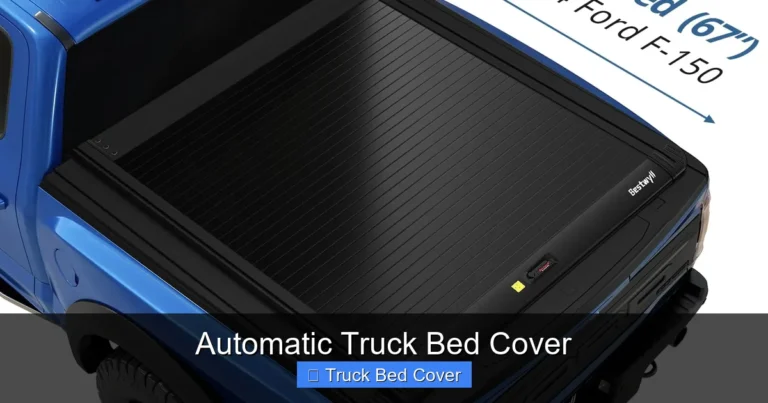
These slide open like a garage door, allowing full access to the entire bed. Most are made of aluminum with a powder-coated finish.
– **Pros:** Full bed access, sleek look, excellent security.
– **Cons:** Expensive; can be bulky when retracted.
– **Best For:** Daily drivers who frequently access their bed and want top-tier protection.
Example: A contractor who carries tools daily would benefit from a retractable cover’s durability and ease of use.
Retention Systems & Tonneau Covers
Tonneau covers are a broad category that includes folding, rolling, and retractable models. They’re named for the French word for “deck,” referring to the truck bed.
– **Pros:** Wide range of options; many integrate with bed rails.
– **Cons:** Installation can vary in difficulty.
– **Best For:** Anyone wanting a custom-fit solution.
Pro Tip: Choose a tonneau cover with built-in locking mechanisms for added security.
Snap-On Covers
These are soft covers that attach with clamps or snaps along the bed rails. No drilling required!
– **Pros:** Quick installation, no permanent modifications.
– **Cons:** May not fit perfectly on older trucks; less durable.
– **Best For:** Renters or those who want a temporary solution.
Top-Mount Hard Covers
These sit flush on top of the bed rails and are permanently mounted. They’re often used on commercial vehicles.
– **Pros:** Extremely secure and aerodynamic.
– **Cons:** Not removable; blocks rear visibility.
– **Best For:** Fleet owners or delivery drivers.
Materials Matter: What’s Under the Surface?
The material of your truck bed cover affects its durability, weight, and performance. Here’s a breakdown of the most common options:
Vinyl
Lightweight and flexible, vinyl is ideal for soft roll-up and snap-on covers. It’s resistant to moisture but can crack in extreme cold or fade under prolonged sun exposure.
– **Best For:** Mild climates and short-term use.
Canvas
More breathable than vinyl, canvas absorbs moisture rather than repelling it. It’s heavier and less water-resistant but offers better insulation.
– **Best For:** Humid or rainy regions where breathability matters.
Aluminum
Used in hard covers, aluminum is lightweight yet strong. It resists rust and dents well and is often powder-coated for extra protection.
– **Best For:** Daily drivers needing a balance of strength and weight savings.
Fiberglass & Composite Materials
These are used in high-end hard covers. They’re lightweight, UV-resistant, and won’t warp or corrode.
– **Best For:** Extreme weather and luxury truck owners.
Plastic (ABS or Polycarbonate)
Found in some mid-range hard covers, plastic is affordable but can scratch easily and become brittle over time.
– **Best For:** Budget-conscious buyers who don’t mind replacing it sooner.
When choosing a material, ask yourself:
– How harsh is the climate where I live?
– Do I need the cover to resist scratches or impacts?
– Am I okay with a little maintenance, or do I want something maintenance-free?
Climate Considerations: How Weather Affects Your Choice
Your environment plays a huge role in selecting the right truck bed cover. A cover that works perfectly in Florida might fail in Alaska.
Hot & Sunny Climates
In places like Arizona or Nevada, UV radiation is intense. Look for covers with UV inhibitors or reflective coatings. Vinyl and plastic can warp or crack without proper protection.
– **Tip:** Choose a dark-colored cover—they absorb heat but stay cooler than white ones due to material composition.
Cold & Snowy Regions
In northern states, temperatures drop below freezing. Flexible materials like vinyl may become brittle and crack.
– **Solution:** Opt for aluminum or fiberglass covers, which handle cold better. Also, ensure the cover has a tight seal to prevent snow and ice buildup.
Rainy or Humid Areas
High humidity and frequent rain demand water-resistant materials. Canvas breathes well but isn’t fully waterproof. Vinyl and hard covers with rubber seals are better choices.
– **Pro Tip:** Check if the cover includes drain tubes or gaskets to channel water away.
Windy or Sandy Conditions
Strong winds can lift soft covers. A loose roll-up cover may flap and wear out faster.
– **Fix:** Use a cover with side rails or tension systems to keep it snug.
Installation & Maintenance: DIY or Professional?
One of the biggest decisions is whether to install the truck bed cover yourself or hire a pro. Each option has pros and cons.
DIY Installation
Many modern covers are designed for easy self-installation. Snap-on and roll-up models typically take 30–60 minutes.
– **Pros:** Saves money; you control the process.
– **Cons:** Mistakes can lead to poor fit or leaks.
– **Tip:** Watch video tutorials and read reviews before starting.
Professional Installation
For hard covers, especially retractables, professional installers ensure perfect alignment and sealing.
– **Pros:** Guaranteed fit; warranty often requires professional setup.
– **Cons:** Adds $100–$300 to the total cost.
Recommendation: If you’re not confident with tools, go professional. A poorly installed cover defeats the purpose.
Maintenance Tips
Even the best truck bed cover needs care:
– Clean regularly with mild soap and water.
– Lubricate moving parts (hinges, latches) annually.
– Inspect seals for cracks or wear.
– Store soft covers indoors during winter if possible.
Security Features: Keep Your Gear Safe
If you carry expensive tools, electronics, or equipment, security is key. Not all truck bed covers offer the same level of protection.
Locks & Latches
Look for covers with integrated locks. Retractable and hard folding models usually include this feature.
– **Tip:** Choose double-locking systems for added peace of mind.
Side Rails & Clamping Systems
Covers that attach to side rails prevent tampering from underneath.
Alarm Integration
Some high-end models sync with alarm systems that trigger if someone opens the cover.
Tamper-Resistant Fasteners
Avoid covers with exposed screws or bolts that can be easily removed.
Example: A plumber carrying expensive pipe fittings would benefit from a locked, hard cover with side rail mounting.
Matching Your Cover to Your Truck Model
Not every truck bed cover fits every truck. Bed sizes vary—short, standard, and long—and so do cab styles (regular, crew, extended). Always verify compatibility before buying.
Measure Twice
Use a tape measure to confirm your bed length and width. Also note:
– Distance between bed rails
– Presence of toolboxes or racks
– Tailgate style (swing-up, roll-up, etc.)
Brand-Specific Models
Brands like BakBox, TruXedo, and UnderCover offer models tailored to specific truck years and trims. Their websites usually have fit guides.
Universal vs. Custom Fit
Universal covers are cheaper but may leave gaps. Custom-fit models offer a tighter seal and better appearance.
– **Recommendation:** Invest in a custom-fit cover for long-term satisfaction.
Cost vs. Value: Where to Spend (and Save)
You’ll find truck bed covers ranging from $100 to $1,500+. While price matters, focus on value.
Low-Cost Options ($100–$300)
Great for occasional use. Soft roll-ups and basic snap-ons fall here. Expect shorter lifespans and lower security.
Mid-Range ($300–$800)
Offers a good balance. Hard folding and quality retractables are in this range. Often include better seals and locks.
Premium ($800+)
Top-tier materials, advanced features, and long warranties. Ideal for daily drivers and commercial use.
Smart Shopping Tip: Read customer reviews. A $900 cover with 4.8 stars is often smarter than a $400 one with complaints about leaks.
Final Thoughts: Making the Right Choice
Choosing the right truck bed cover doesn’t have to be complicated. Start by asking yourself:
– How often do I use my truck bed?
– What kind of weather do I face?
– Do I prioritize security, convenience, or aesthetics?
– What’s my budget?
Once you answer these, narrow down your options by type, material, and fit. Don’t rush—take time to compare models, read reviews, and maybe even test drive with a sample cover if possible.
Remember, the best cover is the one that fits your truck, your lifestyle, and your needs. With the right choice, your truck bed stays protected, organized, and looking sharp—whether you’re heading to the job site or hitting the highway for a weekend getaway.
Frequently Asked Questions
What’s the difference between a tonneau cover and a truck bed cover?
A tonneau cover is a type of truck bed cover that covers the top of the bed. The term “tonneau” refers to the deck of the truck. So, all tonneau covers are truck bed covers, but not all truck bed covers are tonneau-style.
Will a cover fit my truck if I add a bed liner?
It depends. Some truck bed covers are designed to work with bed liners, but others may not sit flush. Check the product specifications or contact the manufacturer to confirm compatibility.
Can I leave my soft cover rolled up all the time?
It’s not recommended. Leaving a soft truck bed cover rolled up can trap moisture, cause mold, or weaken the material over time. Store it flat or remove it when not needed.
Are retractable covers worth the cost?
If you frequently access your entire bed, yes. Retractable truck bed covers offer full coverage when closed and instant full access when open, making them ideal for daily use.
How long do truck bed covers last?
Soft covers: 3–7 years. Hard covers: 5–10+ years. Lifespan depends on material, climate, and maintenance. Regular cleaning and inspections extend longevity.
Can I paint my truck bed cover?
Only certain materials, like aluminum, can be painted. Most truck bed covers are pre-finished and not designed for painting. Consult the manufacturer before attempting any modification.