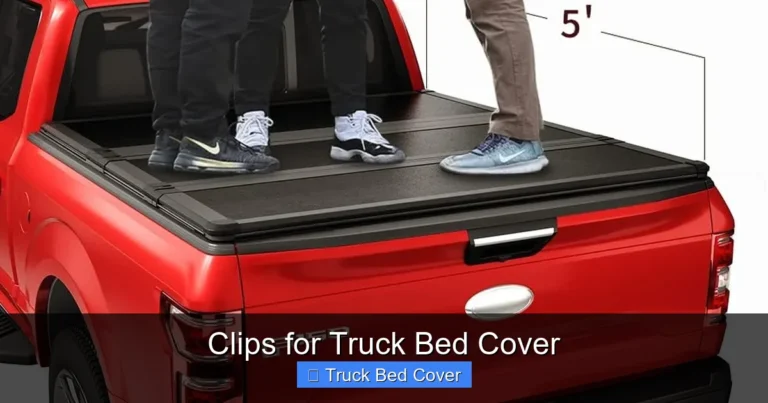
How to Build a Truck Bed Cover Plywood
Building a truck bed cover plywood is an affordable and customizable way to protect your cargo from the elements while adding style to your vehicle. With the right tools, materials, and a bit of planning, you can create a sturdy, weather-resistant cover using simple woodworking techniques. This project not only saves money compared to store-bought covers but also allows full control over size, design, and functionality—perfect for hauling gear, tools, or anything else you need covered.
Have you ever struggled to keep your truck bed dry, secure, or organized? Whether you’re hauling tools, camping gear, or groceries, exposure to rain, dirt, and sun can ruin your belongings. Instead of spending hundreds on a commercial tonneau cover, consider building your own truck bed cover plywood. It’s a practical, budget-friendly solution that gives you complete control over design, durability, and functionality.
This guide walks you through every step of creating a sturdy, weather-resistant truck bed cover using plywood—something you can customize to match your truck’s exact dimensions and your personal needs. From measuring your bed to sealing the wood and installing hinges, we’ll cover everything you need to know. Plus, we’ll share pro tips to make your cover last for years without breaking the bank.
Key Takeaways
- Custom Fit: A hand-built truck bed cover plywood ensures a perfect fit for your specific truck model, unlike off-the-shelf options that may require adjustments.
- Cost-Effective: Using plywood and common hardware reduces overall cost significantly—often under $100 for materials depending on size and finish.
- Durable Protection: Properly sealed and reinforced plywood provides excellent protection against rain, snow, sun, and debris.
- Easy to Modify: You can easily add features like latches, hinges, or even integrate a tailgate lock system for enhanced security.
- DIY Satisfaction: Completing this project boosts confidence in your woodworking skills and results in a unique accessory tailored to your needs.
- Safety First: Always measure twice, use proper safety gear, and secure the cover tightly to prevent shifting during transport.
Quick Answers to Common Questions
How much does it cost to build a truck bed cover plywood?
You can build a basic truck bed cover plywood for under $100 using standard materials like 3/4-inch exterior plywood, screws, hinges, and sealant. Costs increase slightly with premium finishes or add-ons like latches and reflective tape.
Can I use regular plywood for a truck bed cover?
No—regular interior plywood absorbs moisture, warps, and delaminates quickly. Always use exterior or marine-grade plywood rated for outdoor exposure to ensure durability and longevity.
Will a plywood cover hold up in bad weather?
Yes, if properly sealed and maintained. Apply multiple coats of polyurethane, install rubber gaskets, and use rust-proof hardware. With care, your cover can withstand rain, snow, and sun without damage.
Do I need special tools to build the cover?
Basic tools like a saw, drill, and measuring tape are sufficient. You don’t need advanced equipment—just precision and patience. A circular saw works fine for most cuts.
Can I make the cover removable?
Absolutely. Add quick-release pins or magnetic latches at the front corners. This lets you remove the cover entirely when you need full access to the bed.
📑 Table of Contents
Gathering Materials and Tools
Before you start cutting or nailing, it’s essential to gather all your materials and tools. A well-prepared workspace makes the process smoother and safer. Here’s what you’ll need:
Plywood Selection: Choose exterior-grade plywood (typically 3/4 inch thick) rated for outdoor use. Look for marine-grade or CDX plywood with at least five plies. Avoid cheaper interior types that warp or delaminate when exposed to moisture.
Hardware: You’ll need galvanized or stainless steel screws, corner braces, hinges (if opening one side), latches, and possibly bolts for added strength. For a removable cover, consider quick-release pins.
Tools: A circular saw or table saw, drill/driver, measuring tape, level, clamps, sandpaper (medium and fine grit), and a paintbrush or sprayer for sealing.
Optional Add-Ons: Consider adding rubber gaskets around the edges for a tighter seal against water, and reflective tape if you drive at night often.
Having everything ready before you begin prevents mid-project interruptions and keeps your workflow efficient.
Measuring Your Truck Bed

Visual guide about How to Build a Truck Bed Cover Plywood
Image source: i.ytimg.com
Accuracy is key when building a truck bed cover plywood. Even a small measurement error can lead to gaps, poor fit, or a cover that won’t close properly. Start by removing any existing accessories like toolboxes or bed liners temporarily.
Use a flexible measuring tape to record:
– Length (from front cab wall to tailgate)
– Width (inside rails of the bed)
– Height (distance from bed floor to top of rail)
Don’t forget to measure at multiple points—truck beds can be slightly uneven due to wear or factory variations. Mark these measurements on scrap paper and double-check them before ordering or cutting plywood.
If your truck has a camper shell or bed liner, measure over those surfaces since your cover will sit above them. Also, note where the tailgate sits when closed—this affects hinge placement if you want a rear-opening design.
Pro Tip: Take photos of your truck bed from different angles to visualize the layout before cutting.
Cutting the Plywood Panels
Once you have your measurements, it’s time to cut the plywood. Most truck bed covers are built with three main panels:
– The main deck (covers the entire bed)
– Side rails (flange along the sides)
– Tailgate flap (optional, for full closure)
Start by laying out the full sheet of plywood on a flat surface. Use a straightedge and pencil to mark your cut lines. Cut the main deck first, then the side rails using a circular saw. Be careful around corners—use a jigsaw for tight curves if needed.
For a flush fit, leave about 1/8 inch gap between panels to allow for expansion due to temperature changes. Sand all edges smooth to prevent splinters and improve appearance.
If you’re making a two-piece cover (split in the middle), ensure both halves align perfectly when assembled. Clamp and test-fit everything before final assembly.
Assembling the Frame and Panels
Now comes the fun part—putting it all together. Begin by attaching the side rails to the main deck using wood glue and screws. Pre-drill holes to prevent splitting, especially near corners.
For extra rigidity, add cross supports underneath the deck spaced every 16–24 inches. These help distribute weight and prevent sagging, especially if you plan to carry heavy loads.
Use corner braces to reinforce joints. These metal L-brackets provide strong, permanent connections and are ideal for high-stress areas. Make sure they’re flush with the surface so they don’t interfere with closing the tailgate.
If you’re including a tailgate flap, attach it with hinges so it opens upward. Position hinges so the flap clears the bed rails when opened fully.
Test the fit inside the truck bed before finalizing any glue or screws. Adjust as needed—better now than after painting!
Sealing and Finishing the Cover
Plywood is porous and vulnerable to moisture, so sealing is non-negotiable for a long-lasting truck bed cover plywood. Start by sanding the entire surface with medium-grit sandpaper, then wipe away dust.
Apply a high-quality exterior primer first—it helps the sealant adhere better and adds an extra layer of protection. Let it dry completely according to manufacturer instructions.
Next, apply two coats of polyurethane or marine varnish. Use a brush for edges and corners, and a roller for large flat areas. Allow each coat to dry fully before lightly sanding with fine-grit paper between coats.
For added waterproofing, install rubber weather stripping around the perimeter. This creates a watertight seal when the tailgate is down.
Finish with a final coat of clear sealant. Optional: Paint the top surface with UV-resistant paint to prevent fading from sun exposure.
Installing Hinges, Latches, and Hardware
The way your cover opens and closes determines its usability. Common configurations include:
– Rear-opening with hinges
– Roll-up or folding (requires additional hardware)
– Full removal (with latches and pins)
For simplicity and reliability, start with a rear-opening design using heavy-duty hinges. Attach them to the side rails near the back of the bed. Test the swing path to ensure nothing gets caught.
Install latches or buckles on the front edge to secure the cover when closed. Magnetic latches are easy to use, while spring-loaded ones offer automatic closure.
If you want a removable cover, add quick-release pins at the front corners. These let you lift the cover off entirely when not in use.
Always use corrosion-resistant hardware—especially near wheel wells or splash zones where road salt and water accumulate.
Final Testing and Adjustments
Before declaring your project complete, do a full test drive. Load some weight onto the cover (like sandbags or boxes) and drive over bumpy roads or hills. Check for:
– Any movement or rattling
– Water seepage during light rain
– Clearance when turning or braking
Make minor adjustments—tighten screws, reposition hinges, or reapply sealant if needed. Over time, you might notice slight settling; periodic maintenance ensures continued performance.
With proper care, your homemade truck bed cover plywood can last five years or more. Regular cleaning, resealing every 1–2 years, and checking hardware tightness go a long way.
Frequently Asked Questions
Is building a truck bed cover plywood harder than buying one?
Not necessarily. While store-bought covers come pre-assembled, building your own requires more time upfront but offers customization and lower cost. If you enjoy DIY projects, it’s a rewarding challenge.
How thick should the plywood be?
At least 3/4 inch thick is recommended for strength and stability. Thinner sheets may sag under load or over time due to environmental stress.
What type of sealant works best?
Polyurethane is ideal for most users—it’s durable, water-resistant, and easy to apply. Marine varnish offers superior protection for frequent outdoor use.
Can I paint my truck bed cover?
Yes! After sealing, you can paint the top surface with UV-resistant automotive paint. Choose colors that match your truck or stand out for visibility.
How often should I maintain the cover?
Inspect annually for loose screws or worn seals. Reapply sealant every 1–2 years depending on climate and usage. Clean with mild soap and water to remove grime.
Will the cover affect fuel efficiency?
A well-designed truck bed cover plywood actually improves aerodynamics slightly by smoothing airflow over the bed, potentially saving a few miles per gallon compared to an open bed.