Homemade Diy Truck Bed Cover
Want to protect your truck bed without spending hundreds? A homemade DIY truck bed cover gives you full control over materials, design, and budget. Whether you’re hauling gear, groceries, or tools, a custom cover keeps everything dry and secure.
Have you ever loaded up your truck bed with camping gear, furniture, or tools, only to come back and find everything soaked from a surprise rain shower? Or worse—your belongings scattered by strong winds? If so, you’re not alone. Many truck owners face this frustration every day. The good news? You can build your own homemade DIY truck bed cover that solves these problems without breaking the bank.
A DIY truck bed cover isn’t just about keeping things dry—it’s about peace of mind. It protects your investment, secures loose items, and even improves your truck’s fuel efficiency by reducing wind resistance. Plus, building it yourself means you get exactly what you want: size, material, color, and style. In this guide, we’ll walk you through everything you need to know—from choosing the right materials to step-by-step assembly instructions. By the end, you’ll be ready to roll out your custom cover and say goodbye to cargo chaos.
Whether you’re a weekend warrior, a DIY enthusiast, or someone who just wants a practical solution, this article will show you how to make a reliable, weather-resistant truck bed cover at home. Let’s get started!
Key Takeaways
- Understanding homemade diy truck bed cover: Provides essential knowledge
Quick Answers to Common Questions
How much does it cost to build a DIY truck bed cover?
On average, a homemade DIY truck bed cover costs between $75 and $150, depending on materials. This includes fabric, frame tubing, hardware, and optional sealants.
Can I build a cover for any truck model?
Yes, but you must measure your specific truck bed dimensions. Most DIY covers are adaptable, but custom fittings may be needed for unique models.
Will a DIY cover work in heavy rain?
Absolutely. Using waterproof materials like vinyl-coated polyester and proper sealing ensures your cargo stays dry during storms.
Do I need special tools to build a truck bed cover?
Basic tools are enough: measuring tape, saw, drill, staple gun, and clamps. Advanced builds may require welding gear, but many projects use bolt-on parts.
How long does it take to build a DIY cover?
Most people finish in 4–8 hours, depending on complexity. A simple roll-up cover can be done in under 3 hours.
📑 Table of Contents
- Why Choose a Homemade DIY Truck Bed Cover?
- Choosing the Right Materials for Your DIY Truck Bed Cover
- Step-by-Step Guide to Building Your DIY Truck Bed Cover
- Popular DIY Truck Bed Cover Designs
- Tips for Maintaining Your DIY Truck Bed Cover
- Common Mistakes to Avoid When Building a DIY Truck Bed Cover
- Where to Buy Supplies for Your DIY Truck Bed Cover
Why Choose a Homemade DIY Truck Bed Cover?
You might wonder why go the DIY route when pre-made truck bed covers are widely available. The answer is simple: customization, cost savings, and satisfaction. While store-bought covers offer convenience, they often come with limitations—limited sizes, generic designs, and high prices. A homemade cover lets you tailor every detail to your truck and lifestyle.
First, consider the financial benefit. A quality commercial tonneau cover can cost $500–$800. With a DIY approach, you can build a similar cover for $75–$150, depending on materials. That’s a savings of hundreds of dollars. And because you choose the fabric and frame, you get a product built to your exact specifications.
Second, DIY covers allow for personalization. Want a black canvas look but need a roll-up feature? You can design it. Prefer aluminum rails but a soft top? No problem. This flexibility isn’t always possible with off-the-shelf options. Plus, building it yourself gives you a sense of pride and ownership—something no store-bought item can match.
Finally, many DIY covers are easier to install than you’d think. With basic tools and clear instructions, you can have your cover on in a few hours. And if something breaks or wears out, you can repair or replace parts yourself—no need to buy an entire new system.
Choosing the Right Materials for Your DIY Truck Bed Cover
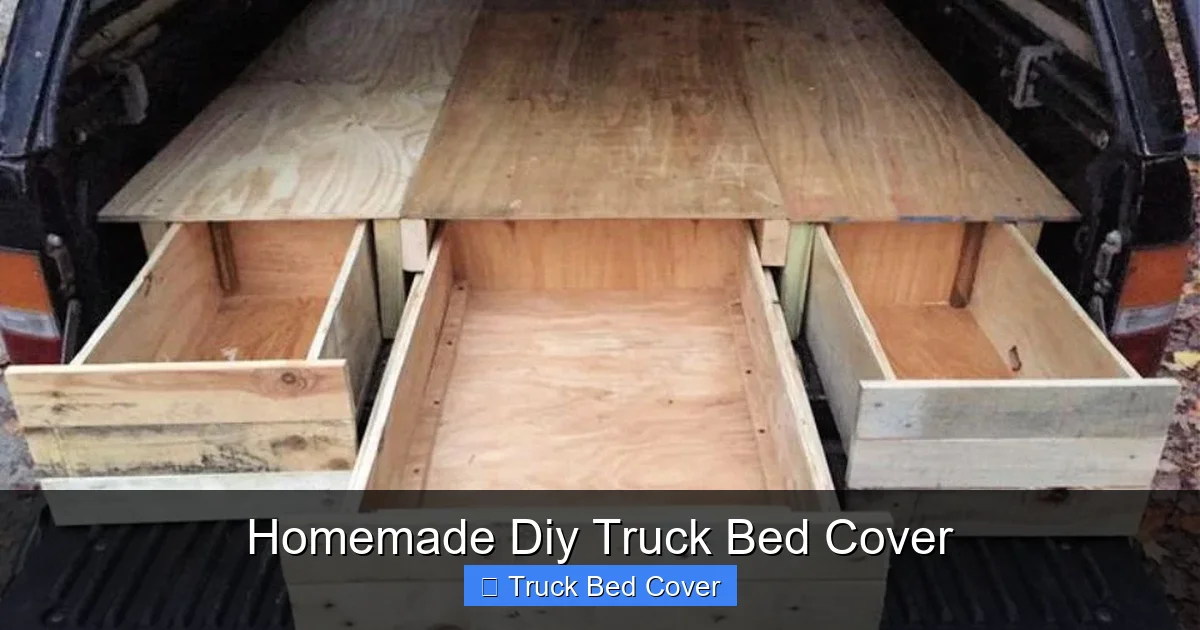
Visual guide about Homemade Diy Truck Bed Cover
Image source: i.pinimg.com
The foundation of a great truck bed cover lies in the materials you choose. Every component—frame, fabric, hardware—plays a role in durability, weight, and performance. Let’s break down the most important choices.
Frame Material: Aluminum vs. Steel
Your frame supports the entire cover, so it must be strong yet lightweight. Two common options are aluminum and steel.
Aluminum is corrosion-resistant, rust-proof, and easy to work with. It’s ideal for those living in humid or coastal areas. However, it’s softer than steel and may dent under heavy loads. For a typical DIY project, aluminum tubing (such as 1-inch square or round) works perfectly.
Steel, especially powder-coated steel, is stronger and more rigid. It handles heavier items better but can rust if not properly treated. If you plan to carry bulky equipment regularly, steel might be worth the extra effort to protect against corrosion.
Most DIYers opt for aluminum because it’s lighter, cheaper, and requires less maintenance. You can find aluminum tubing at hardware stores or online retailers like Amazon or Home Depot.
Fabric Options: Canvas, Vinyl, and Polyester
The fabric is what keeps your cargo safe from the elements. Here are three popular choices:
Canvas: Breathable and durable, canvas absorbs water rather than repelling it. This means it stays lighter when wet. It’s great for mild climates but may mold if left damp for too long. Look for waxed or waterproof-treated canvas for better performance.
Vinyl: Waterproof and easy to clean, vinyl is a top choice for harsh weather. It resists UV rays and won’t fade quickly. The downside? It’s less breathable and can crack over time in extreme heat. Still, it’s one of the most reliable fabrics for all-weather protection.
Polyester: Lightweight and resistant to mold, polyester dries quickly and holds up well under sunlight. It’s often used in combination with other materials for added strength.
For most DIY projects, a blend of vinyl-coated polyester offers the best balance of durability, weight, and cost.
Hardware: Clamps, Bolts, and Straps
You’ll need sturdy hardware to attach the cover to your truck bed. Common options include:
– Bed rail clamps: These slide onto your truck’s bed rails and lock in place. They’re adjustable and don’t require drilling.
– Bungee cords and ratchet straps: Great for securing the cover in place temporarily or for lighter loads.
– Zippers or Velcro flaps: Allow access to the bed without removing the entire cover.
Avoid cheap plastic parts—opt for stainless steel or powder-coated metal for longevity.
Step-by-Step Guide to Building Your DIY Truck Bed Cover
Ready to build? Follow these steps for a professional-looking result.
Measure Your Truck Bed Accurately
Start with precision. Use a tape measure to record:
– Length (from front to back)
– Width (inside the bed rails)
– Height (distance from bed floor to rail)
Write down these numbers and double-check them. A cover that’s an inch too short or wide won’t function properly.
Cut the Frame to Size
Using your measurements, cut aluminum or steel tubing into four pieces:
– Two side rails (width)
– Two crossbars (length)
If you’re making a tri-fold cover, you’ll need additional crossbars. Use a hacksaw or pipe cutter for clean edges. Sand any rough spots to prevent injury.
Assemble the Frame
Lay the side rails parallel to each other, then connect the crossbars with corner brackets or L-brackets. Drill holes if needed and secure everything with bolts. Make sure the frame is square—use a carpenter’s level to check.
For a roll-up cover, attach a roller mechanism at the cab end using U-bolts or clamps.
Attach the Fabric
Lay the fabric over the frame, ensuring it drapes evenly. Staple or sew it to the edges, leaving a little excess at the sides for tension. Pull it tight to avoid sagging.
If using zippers or flaps, sew them along the inside edge for easy access.
Install Hardware
Slide bed rail clamps onto your truck’s rails. Attach the frame to these clamps using bolts or set screws. Test the fit—the cover should sit flush and move smoothly.
Add bungee cords or straps at the tailgate end to secure the rear flap.
Final Touches and Testing
Check for gaps or loose areas. Adjust straps as needed. Open and close the cover several times to ensure smooth operation. Finally, test it in light rain (if possible) to see how it performs.
Congratulations—you’ve just built your own truck bed cover!
Popular DIY Truck Bed Cover Designs
Not all DIY covers are the same. Depending on your needs, you can build different types of systems.
Roll-Up Covers
These are among the most popular designs. The cover rolls up toward the cab, exposing the bed when needed. They’re easy to use, compact, and great for quick access.
To build one, install a roller bar near the cab and attach a strap to hold the rolled fabric in place. Use a waterproof zipper or flap at the tailgate.
Tonneau Covers (Soft Top)
Tonneau covers are sleek and low-profile. They typically span the entire bed width and fold down in sections.
For a DIY version, build two side panels connected by a center hinge. Use a single piece of fabric stretched over a rigid frame. Secure with quick-release latches for easy removal.
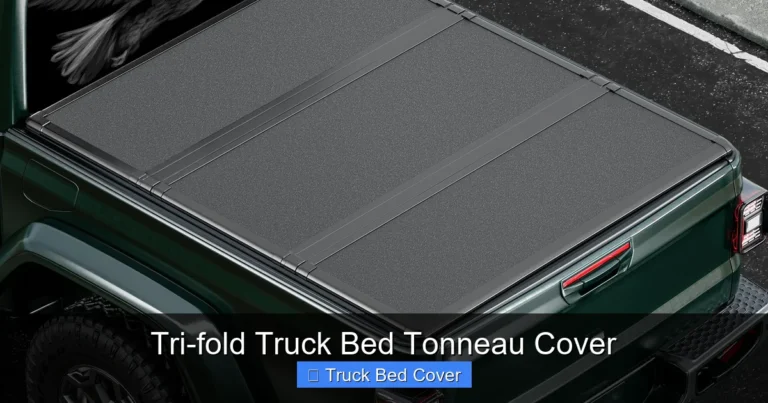
Tri-Fold Covers
This design folds into three sections, offering balanced weight distribution and easy access to the center of the bed.
Build three crossbars connected by hinges. Attach fabric panels between them. Use clamps at each joint to keep everything aligned.
Hard Shell or Fiberglass Covers
For a more permanent solution, consider building a hard shell. This requires fiberglass cloth, resin, and a mold—advanced skills, but very durable.
Alternatively, purchase a pre-cut fiberglass kit and follow assembly instructions.
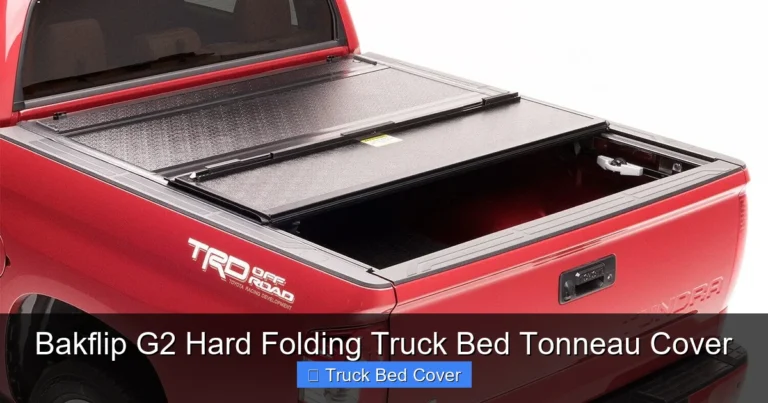
Folding Tonneau Covers
Similar to tri-folds but with a more compact folding mechanism. Ideal for trucks used frequently for hauling.
Use PVC pipes or aluminum bars as supports and stretch fabric over them. Add buckles or snaps for fast setup.
Tips for Maintaining Your DIY Truck Bed Cover
A well-maintained cover lasts longer and performs better. Here’s how to keep yours in top shape:
Clean Regularly: Wipe down the fabric monthly with mild soap and water. Avoid harsh chemicals that can degrade vinyl or canvas.
Store Properly: When not in use, roll or fold the cover loosely to prevent creases. Keep it out of direct sunlight when possible.
Lubricate Moving Parts: Apply silicone spray to rollers and hinges once a season to reduce friction.
Inspect for Damage: Check for tears, loose staples, or rust on frames. Repair small issues before they worsen.
Reinforce Stress Points: Sew extra stitching around corners and zippers. Add patches where wear is common.
With care, your DIY cover can last five years or more.
Common Mistakes to Avoid When Building a DIY Truck Bed Cover
Even experienced DIYers make errors. Watch out for these pitfalls:
Incorrect Measurements: Always measure twice—once you cut, there’s no going back.
Poor Fabric Tension: A sagging cover traps moisture and looks unprofessional. Stretch it firmly but not so tight that it wrinkles.
Weak Frame Joints: Use proper brackets and bolts. Loose joints lead to instability.
Ignoring Weather Resistance: Don’t skimp on waterproofing. Treat fabric with sealant if needed.
Overcomplicating the Design: Start simple. Master one type before moving to advanced builds.
Skipping Safety Gear: Wear gloves, goggles, and a mask when cutting metal or working with adhesives.
Learn from others’ mistakes—many online forums share real-world experiences.
Where to Buy Supplies for Your DIY Truck Bed Cover
You don’t need a full workshop to build a cover. Most supplies are available at local or online stores.
Hardware Stores: Home Depot, Lowe’s, and Ace Hardware carry aluminum tubing, brackets, and fasteners.
Online Retailers: Amazon, eBay, and specialized truck accessory sites offer fabric kits and installation hardware.
Fabric Stores: Visit a marine or upholstery supplier for high-quality canvas or vinyl.
Scrap Yards: Sometimes you can find used aluminum or steel at a discount.
Compare prices and read reviews before buying. Bulk purchases can save money.
Frequently Asked Questions
Is a DIY truck bed cover as strong as a store-bought one?
Yes, if made with quality materials and proper construction. Many DIY covers rival commercial products in durability and performance.
Can I install the cover myself?
Yes, most DIY covers use clamp-on or strap-based systems that don’t require drilling or welding, making installation straightforward.
What’s the best fabric for a DIY truck bed cover?
Vinyl-coated polyester is ideal—it’s waterproof, UV-resistant, and easy to clean. Canvas is good for milder climates, while canvas is breathable but slower to dry.
Do I need to treat the fabric for waterproofing?
If using untreated canvas or polyester, apply a waterproofing spray or seam sealer to prevent leaks. Vinyl is naturally water-resistant.
Can I add lights or accessories to my DIY cover?
Yes! You can mount LED strips, tie-down points, or even a small awning using zip ties, clamps, or drilled mounts (if allowed).
How do I fix a sagging DIY truck bed cover?
Stretch the fabric tighter and reinforce the frame. Add extra crossbars or use bungee cords to pull the cover taut from below.