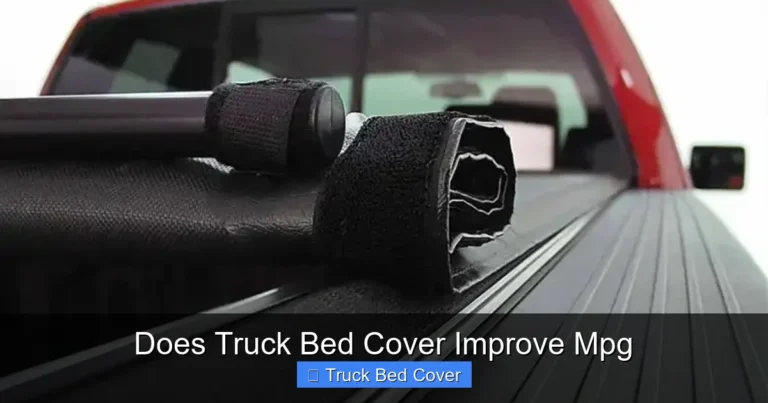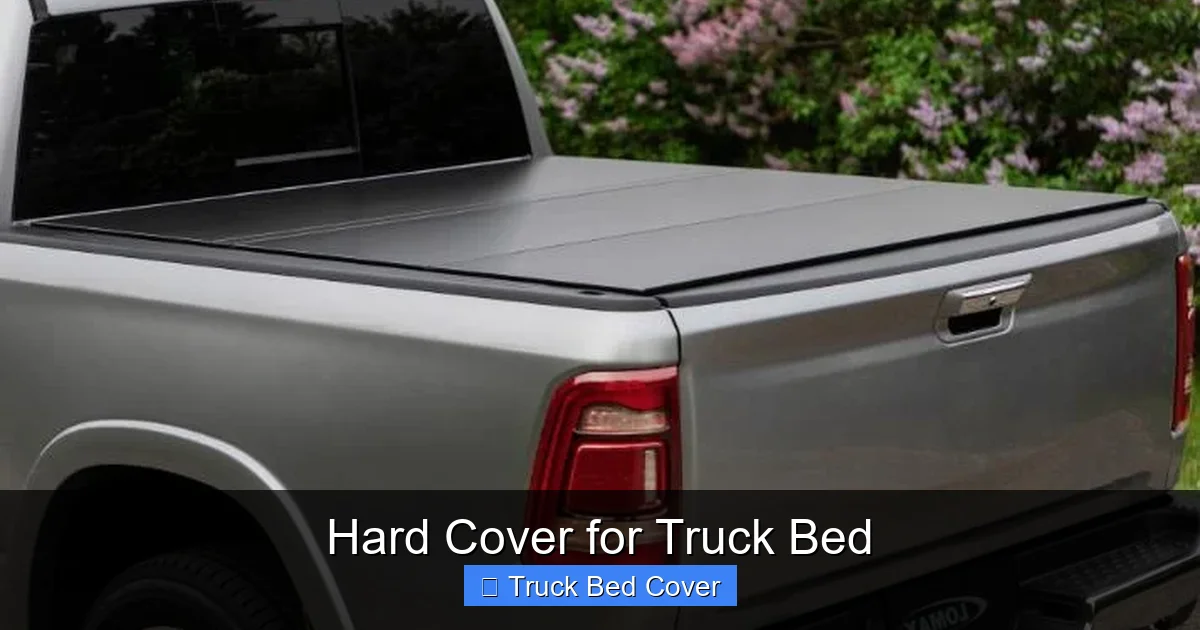
Hard Cover for Truck Bed
A hard cover for truck bed is more than just a lid—it’s a game-changer for truck owners who want to protect their cargo, boost fuel efficiency, and improve vehicle aesthetics. Whether you’re hauling gear for work or weekend adventures, a durable hard tonneau cover offers security, weather resistance, and sleek design all in one. In this guide, we break down everything you need to know to choose the best truck bed cover for your needs.
If you’ve ever unloaded groceries only to find them soaked from light drizzle, or if you’ve worried about tools or equipment being stolen from your open truck bed, you know how frustrating it can be. Enter the hard cover for truck bed—a simple yet powerful upgrade that transforms how you use your truck. Whether you drive a Ford F-150, Chevy Silverado, Ram 1500, or any other pickup, a quality tonneau cover delivers peace of mind, better fuel economy, and a more polished look. In this article, we’ll walk you through everything you need to know about hard truck bed covers: what they are, why they matter, how to pick the right one, and how to install them like a pro.
Truck beds are designed to carry heavy loads—but they weren’t built to be secure storage compartments. Without a cover, your belongings are exposed to the elements and vulnerable to prying eyes. A hard cover for truck bed solves both problems by creating a sealed, lockable compartment that’s also aerodynamic. Think of it as the SUV of truck accessories: practical, stylish, and functional. From construction workers transporting tools to families heading off-road, hard covers are becoming essential for anyone serious about protecting their investment.
Key Takeaways
- Durability & Protection: Hard covers shield your truck bed from rain, snow, UV rays, and theft.
- Security Enhancement: Lockable designs deter thieves and keep valuables safe inside.
- Fuel Efficiency: Aerodynamic profiles reduce drag, improving gas mileage by up to 10%.
- Easy Installation: Most models bolt on without drilling or permanent modifications.
- Style Upgrade: Sleek, low-profile designs enhance your truck’s appearance.
- Weather Resistance: Waterproof seals prevent leaks and protect cargo.
- Custom Fit Options: Choose from clamshell, retractable, or folding styles tailored to your truck model.
Quick Answers to Common Questions
What’s the difference between a soft and hard cover?
Soft covers use fabric or vinyl and roll up easily, offering quick access but less durability and weather resistance. Hard covers use rigid materials like aluminum or plastic, providing superior protection, security, and aerodynamics.
Can I install a hard cover myself?
Yes! Most hard covers come with detailed instructions and basic tools. DIY installation usually takes 1–3 hours, depending on the type. Just follow safety guidelines and watch tutorial videos for your specific model.
Do hard covers affect gas mileage?
Yes—aerodynamic hard covers can improve fuel efficiency by reducing drag. Some studies suggest gains of 5–10% on highway driving, especially with low-profile, flush-mounted designs.
Are hard covers waterproof?
High-quality hard covers are designed to be waterproof, but entry-level models may leak at seams in heavy rain. Look for overlapping panels, rubber gaskets, and tested sealing for full protection.
Will a hard cover fit my truck?
Covers are made for specific truck models and bed sizes. Always check the manufacturer’s fitment guide before purchasing. Universal-fit options exist but may compromise performance.
📑 Table of Contents
What Is a Hard Cover for Truck Bed?
At its core, a hard cover for truck bed (also called a tonneau cover) is a protective lid installed over the open area of a pickup truck’s cargo bed. Unlike soft roll-up or canvas covers, hard covers are made from solid materials like aluminum, fiberglass, or ABS plastic. These rigid panels form a flat or slightly curved surface that locks securely into place, covering the entire bed.
There are three main types of hard covers:
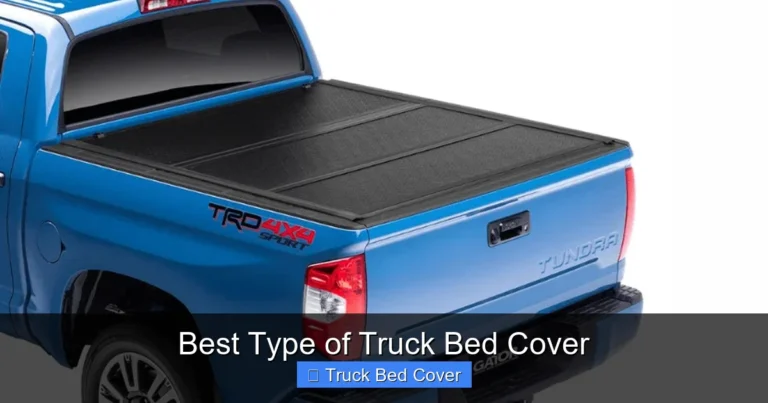
– **Hard Tri-Fold**: Three hinged sections fold forward, allowing access to the full bed without removing the cover.
– **Hard Roll-Up**: Panels roll tightly behind the cab, offering quick access and a low profile when closed.
– **Hard Retractable**: A single panel slides back along rails, retracting into a compact canister at the front of the bed.
Each type offers unique advantages depending on how you use your truck. For example, tri-folds are great for frequent partial access, while retractables offer full-bed visibility and a seamless look.
Why Upgrade to a Hard Cover?
Switching from an open bed to a hard cover for truck bed isn’t just about looks—it’s a smart move for safety, efficiency, and convenience.
Protection from Weather: Rain, snow, dust, and UV rays can damage sensitive items like electronics, furniture, or outdoor gear. A hard cover creates a waterproof seal, keeping your cargo dry even during storms.
Theft Deterrence: Thieves target trucks because the bed is easily accessible. With a locked hard cover, there’s no visible space to grab valuables, making your truck less appealing to criminals.
Better Fuel Economy: Studies show that aerodynamically designed hard covers can improve highway gas mileage by reducing wind resistance. That might not sound like much, but over long drives, it adds up.
Improved Resale Value: A clean, covered truck bed looks newer and well-maintained. When it’s time to sell, buyers often pay more for trucks with factory-installed or high-quality aftermarket covers.
Types of Hard Covers for Truck Beds
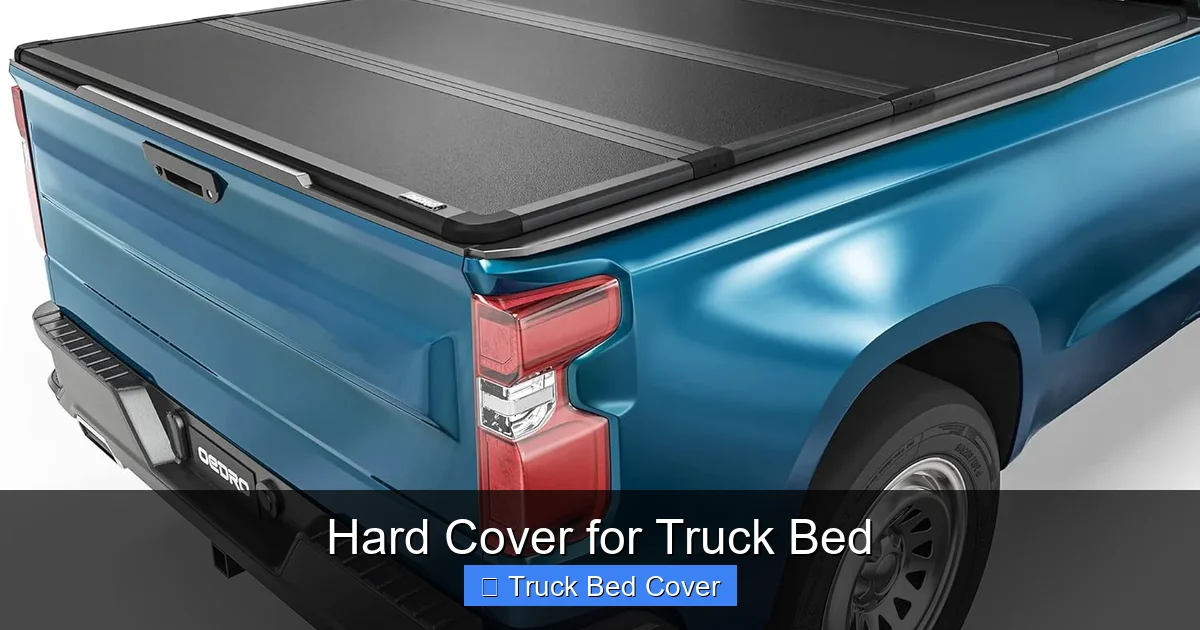
Visual guide about Hard Cover for Truck Bed
Image source: m.media-amazon.com
Not all hard covers for truck bed are created equal. Choosing the right style depends on your driving habits, budget, and aesthetic preferences.
Hard Tri-Fold Covers
The most popular choice among truck owners, tri-fold covers consist of three interlocking panels that hinge forward. You can fold them back individually or together, giving you flexible access to cargo.
Pros:
– Easy to use with one hand
– Affordable compared to other hard covers
– Doesn’t require drilling into the bed rails
– Lightweight and easy to remove
Cons:
– Slightly higher profile when folded
– May allow minor water seepage at joints in heavy rain
Ideal for: Daily commuters, small business owners, and DIYers who need occasional full bed access.
Hard Roll-Up Covers
Roll-ups feature rigid panels connected by metal or composite slats that roll smoothly along side rails. When rolled up, they store neatly behind the cab window.
Pros:
– Extremely low profile when closed
– Provides full bed access quickly
– Strong and durable
– Good airflow when partially open
Cons:
– Requires side rail installation (may involve drilling)
– Can be harder to operate in cold weather
– More expensive than tri-folds
Best for: Long-haul drivers, campers, and those who prioritize stealth and aerodynamics.
Hard Retractable Covers
Retractables are the Rolls-Royce of tonneau covers. A single panel slides back on smooth rails and locks into place, retracting into a slim canister mounted at the front of the bed.
Pros:
– Seamless, flush-mounted look
– Full bed access with no obstruction
– Excellent weather sealing
– Premium build quality
Cons:
– Higher price point
– Complex installation (professional help recommended)
– Heavier than other options
Perfect for: Luxury truck owners, professionals needing constant access, and anyone who wants the best performance.
How to Choose the Right Hard Cover for Your Truck Bed
With so many options, picking the ideal hard cover for truck bed can feel overwhelming. Here’s a step-by-step guide to help you decide.
Step 1: Match It to Your Truck Model
Hard covers are designed for specific truck makes and models—Ford, Toyota, Nissan, etc.—and even different bed lengths (short, standard, long). Always double-check compatibility before buying. Most manufacturers list fitment details clearly on their websites.
Tip: If you lease your truck or plan to trade it soon, consider universal-fit covers that work across multiple brands.
Step 2: Consider Your Usage Needs
Ask yourself:
– Do I mostly drive short distances or long highways?
– Will I be carrying sensitive equipment or bulky items?
– How often do I need full access to the bed?
For example:
– Daily city driver? → Go for a tri-fold or roll-up.
– Cross-country road tripper? → Opt for a retractable for max aerodynamics.
– Off-road enthusiast? → Choose a rugged, impact-resistant model.
Step 3: Evaluate Security Features
Look for covers with:
– Central locking systems (often key-operated)
– Reinforced latches
– Weather-resistant seals
Some premium models even include backup alarms or GPS trackers integrated into the cover itself.
Step 4: Check Material Quality
Common materials include:
– Aluminum: Lightweight, rust-proof, and strong. Great for salt-heavy areas.
– ABS Plastic: Impact-resistant and affordable. Less prone to dents than fiberglass.
– Fiberglass: Heavy-duty but can crack under extreme impact.
Pro tip: Avoid cheap particleboard or thin plastic—they won’t last.
Step 5: Factor in Climate Conditions
If you live in a rainy or snowy region, prioritize covers with:
– Overlapping panel designs
– Rubber gaskets around edges
– Drainage channels to shed water
In hot climates, look for UV-resistant coatings to prevent fading and warping.
Installation Tips for Hard Covers
Most hard covers for truck bed are designed for DIY installation, but success depends on preparation and attention to detail.
Tools You’ll Need
- Socket wrench set
- Torque wrench (optional but helpful)
- Rubber mallet
- Measuring tape
- Lubricant (silicone-based works best)
- Safety glasses and gloves
Step-by-Step Installation Guide
1. Clean the Bed Rails
Remove dirt, debris, and old adhesive residue. A clean surface ensures proper sealing.
2. Test Fit the Cover
Place the cover on the bed without tightening bolts. Make sure it sits flush and aligns evenly.
3. Attach Side Rails (if applicable)
For roll-up and retractable models, install side rails using provided brackets. Use a torque wrench to avoid over-tightening.
4. Secure the Panels
Start at the rear and work forward. Tighten bolts gradually in a crisscross pattern for even pressure.
5. Adjust the Tailgate Seal
Ensure the tailgate closes flush against the cover. Add foam padding if needed to prevent rattling.
6. Test Operation
Open and close the cover several times to check for smooth movement and proper alignment.
Pro Tip: Watch manufacturer-specific video tutorials—they often show common pitfalls and tricks.
Maintenance and Care
Even the best hard cover for truck bed needs regular care to stay effective.
Weekly Checks
- Inspect latches and locks for corrosion or stiffness
- Wipe down surfaces with mild soap and water
- Check rubber seals for cracks or wear
Monthly Tasks
- Lubricate hinges and moving parts with silicone spray
- Clean drainage channels to prevent clogging
- Re-tighten bolts if the cover feels loose
Avoid using harsh chemicals or abrasive sponges—they can damage coatings and seals.
Top Brands and Models to Consider
While we don’t endorse specific products, here are some highly rated categories based on customer reviews and expert testing:
– BakFlip MX4: Best overall tri-fold for durability and value.
– TruXedo TruXport: Reliable roll-up with smooth operation.
– Ranch Hand Monsoon: Premium retractable with excellent sealing.
– UnderCover Ultra Flex: Lightweight yet strong, ideal for daily use.
Always read recent buyer feedback and compare warranty terms—most reputable brands offer 3–5 years of coverage.
Cost Breakdown: What to Expect
Prices vary widely based on material, features, and brand:
| Type | Price Range |
|——|————-|
| Basic Aluminum Tri-Fold | $300–$600 |
| High-End Roll-Up | $700–$1,200 |
| Professional Retractable | $1,500–$3,000 |
Remember: Cheaper isn’t always better. Investing in a quality cover saves money long-term by preventing cargo damage and increasing resale value.
Final Thoughts
Adding a hard cover for truck bed is one of the most impactful upgrades you can make to your pickup. It’s not just about hiding your stuff—it’s about protecting your investments, saving on fuel, and driving with confidence. Whether you choose a simple tri-fold or a high-tech retractable, the right cover fits your lifestyle and enhances every mile.
So next time you load up the truck, ask yourself: Is my cargo safe? Is my truck efficient? Is it ready for anything? With the right truck bed cover, the answer is yes.
Frequently Asked Questions
How long does a hard cover last?
With proper maintenance, a high-quality hard cover can last 8–15 years. Factors like material, climate exposure, and frequency of use affect lifespan. Regular cleaning and lubrication extend longevity.
Can I paint my hard cover?
Yes, many hard covers accept custom paint jobs. Use automotive-grade spray paint designed for plastics or metals. Ensure the surface is clean and sanded first for best adhesion.
Do hard covers reduce truck bed height?
No—most hard covers add only 1.5 to 3 inches of height. Low-profile models minimize this, but they still create a slight increase compared to an open bed.
Are hard covers noisy on the highway?
Modern designs include vibration-dampening features and secure mounting systems. Well-installed covers rarely produce noise, though poorly sealed ones may rattle in strong winds.
Can I tow a trailer with a hard cover?
Yes, but remove the cover first. Most covers aren’t designed to handle the weight or stress of towing. Leaving it on can damage the mechanism or compromise safety.
Is insurance affected by having a hard cover?
In most cases, no—having a cover doesn’t change your insurance premiums. However, it can reduce claims risk by protecting cargo from weather damage, which indirectly lowers liability concerns.