Does Truck Bed Cover Improve Mpg
A truck bed cover can improve your MPG by reducing drag and improving aerodynamics, but the exact improvement depends on your truck’s design, driving conditions, and cover type. While some drivers see 2–10% better fuel efficiency, others notice little change—especially in city driving. For best results, choose a cover that’s secure, aerodynamic, and suited to your climate.
Does Truck Bed Cover Improve MPG?
If you’re like most truck owners, you care about both functionality and efficiency. You haul gear, protect your cargo, and want to keep gas costs down. But when it comes to fuel economy, one question keeps popping up: Does a truck bed cover actually improve MPG?
The short answer? Yes, it can—but not always by a huge amount. The real story is more nuanced. A properly installed, aerodynamic cover can reduce drag, protect your load, and help you squeeze a few extra miles out of every gallon. But the extent of the improvement depends on your driving style, truck model, and the type of cover you choose.
Let’s break it down so you can make an informed decision.
How Aerodynamics Affect Fuel Economy
Before we dive into covers, let’s talk about aerodynamics. At highway speeds, air resistance (drag) becomes the biggest factor in fuel consumption. When you hit 65 mph, more than half of your engine’s energy goes just to push the truck through the air.
Truck beds are notorious for creating turbulence. Without a cover, the open space behind the cab acts like a giant sail, catching wind and disrupting airflow. This creates a “turbulent wake” that forces your truck to work harder—wasting fuel.
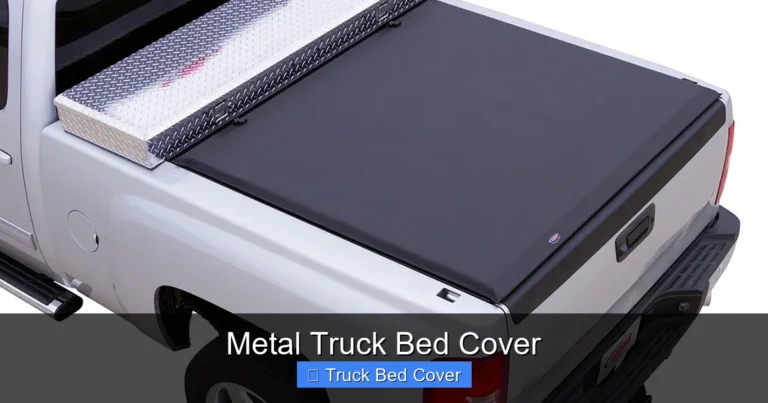
A tonneau cover fills that gap. It smooths the transition between the cab and bed, allowing air to flow more evenly over the truck. Think of it like a spoiler on a sports car—it doesn’t make the car faster, but it helps it cut through the air more efficiently.
Studies from the U.S. Department of Energy and independent tests by automotive journalists show that a well-designed cover can reduce drag by up to 10%. That might not sound dramatic, but at highway speeds, even a 5% reduction in drag translates to noticeable fuel savings.
Real-World MPG Improvements: What Do Numbers Say?
So how much better does your MPG get? The answer varies, but here’s what research and driver reports say:
– Highway Driving: Most drivers see 5–10% improvement in fuel economy on long trips. For example, if you normally get 18 mpg on the highway, a good cover might bump that to 19–20 mpg.
– City Driving: Little to no change. Stop-and-go traffic means aerodynamics matter less than acceleration and braking.
– Towing or Heavy Loads: Even more benefit. The added stability from a secure cover reduces wind lift, which helps maintain better control and efficiency.
– Light Use: If you rarely drive above 60 mph, the gain may be under 5%.
One owner in Texas reported going from 17.2 mpg to 18.9 mpg after installing a hard tri-fold cover. Another in Oregon saw a 3% improvement but noted it was worth it for the rain protection.
Keep in mind: These numbers assume the cover is properly installed, sealed, and maintained. A loose or damaged cover can negate all benefits.
Types of Truck Bed Covers and Their Impact on MPG
Not all covers are created equal when it comes to fuel efficiency. Here’s a quick look at the main types and how they perform:
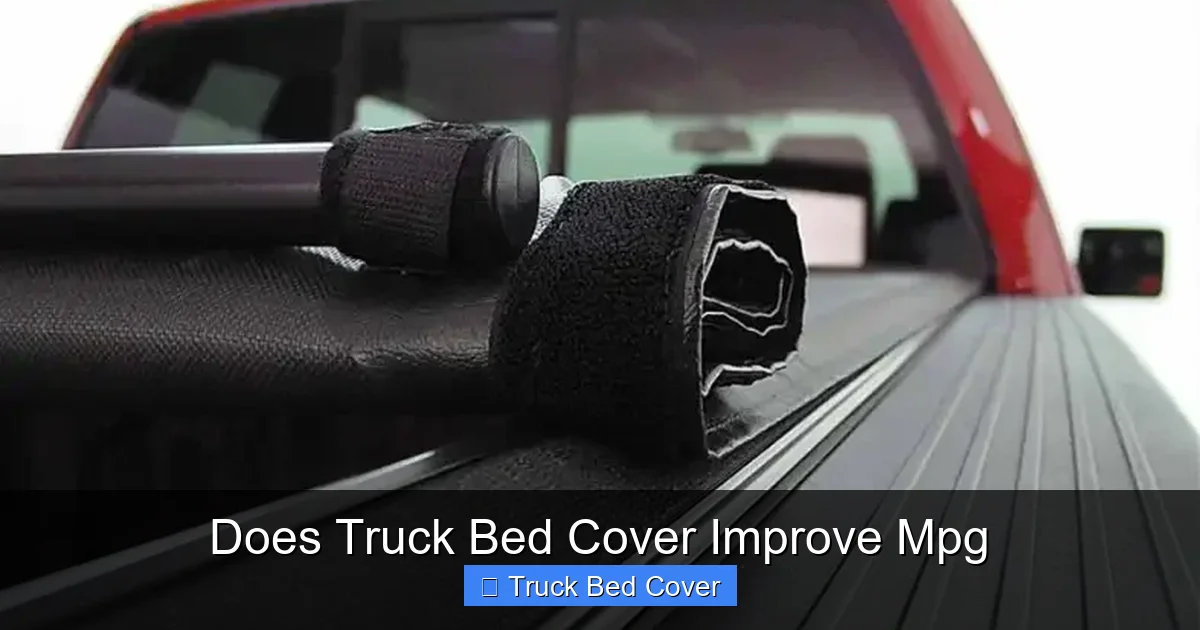
Soft Roll-Up Covers
– Pros: Affordable, easy to remove, lightweight.
– Cons: Can flap in wind, create uneven airflow, and trap debris.
– MPG Impact: Modest improvement—usually 3–7%, but only if securely latched and tensioned.
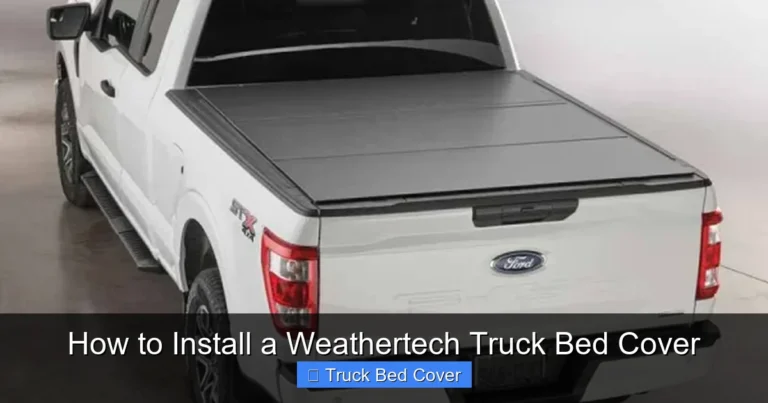
Hard Folding (Tri-Fold) Covers
– Pros: Durable, secure, sleek appearance.
– Cons: Slightly heavier, may require occasional tightening.
– MPG Impact: Best among soft options—up to 8–10% on highways due to better sealing and lower profile.
Retractable (Rolling) Covers
– Pros: Smooth operation, fully concealed when retracted.
– Cons: More expensive, complex mechanism.
– MPG Impact: Excellent—can achieve 8–12% improvement because they lie flat and seal tightly.
Low-Profile (Lid) Covers
– Pros: Flush with truck bed, minimal height.
– Cons: Often more costly, limited adjustability.
– MPG Impact: Highest potential—up to 10–12% due to superior aerodynamics.
Each type has trade-offs. A $200 soft cover might save you 4 mpg, while a $1,200 retractable could save 6–8. Over five years of driving, that extra efficiency adds up in fuel savings.
The Weight Factor: Does a Cover Hurt MPG?
You might think adding 30 pounds to your truck would hurt fuel economy. And yes, it does—slightly. Every pound matters, especially if your truck is already near its weight limit.
But here’s the balance: The aerodynamic benefit typically outweighs the small penalty from added weight.
For example:
– A 40-pound cover might reduce MPG by 1% due to extra mass.
– But if it cuts drag by 7%, you’ll likely still come out ahead—especially on highway trips.
Also, many covers are made of lightweight materials like fiberglass, aluminum, or reinforced vinyl. Some even weigh under 25 pounds.
So while weight plays a role, it’s rarely the deciding factor. Aerodynamics win.
Weather Protection: An Unexpected Bonus for MPG
Here’s a lesser-known benefit: a cover protects your cargo from rain, snow, and mud. And that matters for fuel economy.
Water in the bed increases weight and shifts around during turns or braking. Uneven weight distribution affects handling and can even trigger traction control systems, which use extra fuel.
In heavy rain, without a cover, water can pool and splash onto the rear wheels, increasing rolling resistance. A dry bed means consistent tire contact and smoother airflow underneath.
Plus, in cold climates, ice buildup in the bed can add significant weight. A cover prevents that.
So beyond aerodynamics, a cover improves real-world efficiency by keeping your load stable and dry.
When Does a Cover Make the Biggest Difference?
A truck bed cover shines in these scenarios:
1. You Drive Long Distances at High Speeds
If you regularly cruise at 70 mph or more, aerodynamics dominate fuel use. A cover will help significantly.
2. You Carry Large or Loose Cargo
Items like lumber, mulch, or tools can shift and create drag. A cover secures them and streamlines airflow.
3. You Live in Windy or Rainy Areas
Wind tunnel tests show that open beds lose 15–20% more fuel in strong crosswinds. A cover stabilizes the truck.
4. You Tow Occasionally
Wind lift from an uncovered bed can affect trailer sway. A cover improves rear-end stability.
5. You Want to Maintain Resale Value
Covered trucks look cleaner, stay in better condition, and often sell for more.
If you mostly drive short city trips and don’t care about aesthetics or weather, the MPG gain might not justify the cost.
Choosing the Right Cover for Maximum MPG Gain
Not all covers deliver equal efficiency. Here’s how to pick the best one for fuel savings:
1. Prioritize Low Profile
Look for covers that sit flush with the bed rails. Anything taller than 2 inches increases drag.
2. Check the Seal Quality
A tight seal at the sides and tailgate prevents wind from sneaking in. Look for rubber gaskets and adjustable clamps.
3. Consider Retractable or Tri-Fold
These offer the best balance of function, security, and aerodynamics.
4. Avoid Flapping Soft Covers
If your cover flops over the side in wind, replace it. Even a small flap creates turbulence.
5. Install Properly
Follow the manufacturer’s instructions. Use all mounting hardware and test for leaks or looseness.
6. Maintain Regularly
Clean the cover, check seals, and tighten bolts. A dirty or worn cover loses efficiency.
7. Match to Your Climate
In snowy areas, a rigid cover protects better than fabric. In hot climates, breathable materials prevent condensation.
Cost vs. Benefit: Is It Worth It?
Let’s do a quick cost analysis.
– Average Cover Price: $200–$1,200 depending on material and type.
– Annual Fuel Savings: Assuming 12,000 miles/year, 20 mpg baseline, and 7% improvement:
– Extra miles per gallon: 1.4
– Annual fuel saved: ~43 gallons
– At $3.50/gallon: $150–$180 saved per year
Over three years: $450–$540 in fuel savings.
Add resale value, cargo protection, and peace of mind, and most owners find the investment worthwhile—especially if they drive long distances.
Common Myths About Truck Bed Covers and MPG
Myth 1: Any Cover Improves MPG the Same Way
False. Soft covers flap and trap air. Hard covers flow smoothly. The difference is real.
Myth 2: MPG Gains Are Only for New Trucks
False. Older trucks benefit too—especially if they were built before aerodynamic designs became common.
Myth 3: A Cover Hurts MPG Because It Adds Weight
Partially true, but minor. The drag reduction usually offsets the weight penalty.
Myth 4: You Need a Premium Cover for Any Benefit
False. A decent soft cover still helps—just not as much as a high-end one.
Myth 5: MPG Improvements Happen Immediately
True, but subtle. Track your fuel logs before and after. Small changes are easy to miss otherwise.
Final Thoughts: Should You Get a Cover for Better MPG?
Yes—if you drive highway-heavy, carry cargo regularly, or live in a windy or wet area. A quality truck bed cover improves aerodynamics, protects your load, and can boost MPG by 5–10% on long trips.
It’s not a magic bullet, but it’s a smart upgrade for efficiency-minded truck owners. Pair it with good driving habits—like maintaining proper tire pressure and reducing idle time—and you’ll maximize fuel savings.
At the end of the day, a cover does more than just keep your stuff dry. It helps your truck glide through the air, one mile at a time.
Key Takeaways
- Reduced Drag = Better MPG: A well-fitted tonneau cover smooths airflow over the truck bed, cutting aerodynamic resistance and improving fuel economy, especially at highway speeds.
- Weight Matters: Most covers add only 20–50 pounds, which slightly reduces fuel efficiency—but the aerodynamic gains usually outweigh this small loss.
- Aerodynamic Design Is Key: Hard folding, retractable, and low-profile covers offer better airflow than soft roll-up models, leading to higher MPG improvements.
- Weather Protection Boosts Efficiency: By keeping cargo dry, covers prevent water from shifting or pooling, reducing weight imbalance and potential drag.
- MPG Gains Are Realistic: Most drivers see 5–10% better fuel economy on long highway trips, with minimal change in stop-and-go city driving.
- Installation & Maintenance Matter: A loose or poorly sealed cover creates gaps that increase drag—proper installation is essential for optimal performance.
- Consider Your Driving Habits: If you frequently drive at 70+ mph, a cover will have a noticeable impact. City drivers may see little difference.
Quick Answers to Common Questions
Do all truck bed covers improve MPG?
No—only well-designed, properly installed covers that reduce drag effectively. Poorly fitted or flimsy covers may create more turbulence than they prevent.
Can a soft roll-up cover improve fuel economy?
Yes, but less than hard covers. A secure soft cover can improve MPG by 3–7%, especially if kept taut and clean.
Will a cover help if I mostly drive in the city?
Minimal effect. City driving involves frequent stops and starts where aerodynamics play a smaller role than acceleration and braking.
How much does a typical cover weigh?
Most range from 20 to 50 pounds. Lightweight materials like aluminum or fiberglass help minimize the impact on fuel economy.
Is it worth paying more for a premium cover?
Often yes—especially if you drive long distances. Higher-end models offer better seals, durability, and aerodynamics, leading to greater MPG gains and longer lifespan.
Frequently Asked Questions
How much can a truck bed cover improve fuel economy?
Most drivers see 5–10% better MPG on highway driving, with little change in city conditions. The exact gain depends on cover type, driving speed, and truck model.
Does a tonneau cover help with fuel efficiency?
Yes, by smoothing airflow over the open bed and reducing drag. A secure, low-profile cover can significantly cut air resistance at high speeds.
What type of bed cover gives the best MPG improvement?
Retractable and low-profile hard covers generally offer the highest fuel efficiency gains due to their tight seals and aerodynamic shape.
Will a bed cover hurt my MPG due to added weight?
Slightly—every pound adds up—but the aerodynamic benefit usually outweighs the small penalty. Lightweight materials help minimize this effect.
Can a cover help in bad weather?
Absolutely. It keeps water out, preventing added weight and shifting loads, which improves stability and reduces rolling resistance.
How do I know if my cover is installed correctly?
Check for a tight seal at the edges, no sagging or flapping, and proper alignment with the tailgate. Follow the manufacturer’s installation guide closely.