Fabric Truck Bed Cover
A fabric truck bed cover offers lightweight protection against weather, theft, and dirt while maintaining full bed access. It’s an affordable, easy-to-install solution that enhances both functionality and style for everyday drivers and work trucks alike.
If you own a pickup truck, you know how valuable that open bed is—whether you’re hauling gear, groceries, or just heading out for a weekend adventure. But with great utility comes great vulnerability: rain, sun damage, dirt, and even curious passersby can all compromise your cargo. Enter the fabric truck bed cover—a simple yet powerful accessory that blends practicality, affordability, and style into one sleek package.
Unlike heavy-duty hard shells, fabric covers are designed to be flexible, portable, and user-friendly. They’re perfect for drivers who need quick access to their bed without sacrificing protection. Whether you’re commuting daily, running errands, or hitting the trails on weekends, a well-chosen fabric cover keeps your belongings safe while adding a polished look to your ride.
In this guide, we’ll walk through everything you need to know about fabric truck bed covers—from types and materials to installation tips and care instructions. By the end, you’ll have all the insights to pick the right cover for your truck and make it last for years.
Key Takeaways
- Lightweight & Easy to Install: Fabric covers are typically lighter than hard covers and can be installed in minutes without tools.
- Full Bed Access: Unlike tonneau covers that block rear visibility, fabric covers fold or roll up to allow unrestricted access to your cargo.
- Weather & Theft Protection: Keeps rain, snow, and dust out while deterring opportunistic thieves from accessing loose items.
- Cost-Effective Solution: More affordable than hard covers and requires less maintenance over time.
- Custom Fit Options: Available for most truck models with tailored fit kits and adjustable tension systems.
- Enhanced Fuel Efficiency: A properly sealed fabric cover reduces wind resistance slightly, improving gas mileage.
- DIY-Friendly Maintenance: Simple to clean and repair; many manufacturers offer replacement parts.
Quick Answers to Common Questions
Can a fabric cover really keep water out?
Yes, especially if it’s well-sealed and made with waterproof-treated fabric. While no cover is 100% leak-proof, quality models prevent most rain and snow from entering the bed.
Will a fabric cover scratch my truck bed?
No, if installed properly. Fabric covers sit above the bed rails and don’t touch the surface directly. However, avoid dragging sharp objects over the cover—use a tarp underneath heavy items.
Are fabric covers safe in high winds?
Generally yes. Modern designs use weighted edges and secure fasteners that resist flapping. Just ensure all latches are engaged before driving at speed.
Can I install a fabric cover myself?
Absolutely! Most kits include step-by-step instructions and require only basic hand tools. Installation takes 10–20 minutes for beginners.
Do fabric covers affect my truck’s resale value?
Yes—they add value by protecting the bed from rust, dents, and wear. Potential buyers appreciate the extra care and functionality.
📑 Table of Contents
What Is a Fabric Truck Bed Cover?
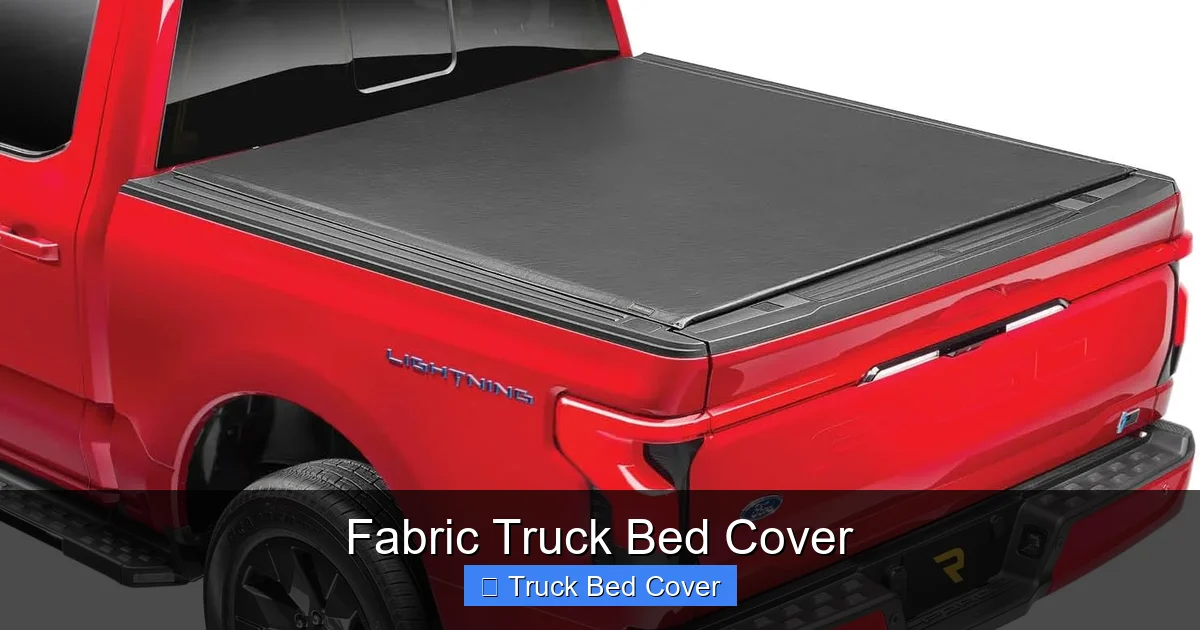
At its core, a fabric truck bed cover is a protective tarp-like layer stretched over the open bed of your pickup truck. Made primarily from durable polyester or canvas, these covers are engineered to shield your cargo from the elements while remaining lightweight and easy to manage. Unlike rigid tonneau covers, fabric versions don’t obstruct rear visibility or require complex mounting hardware.
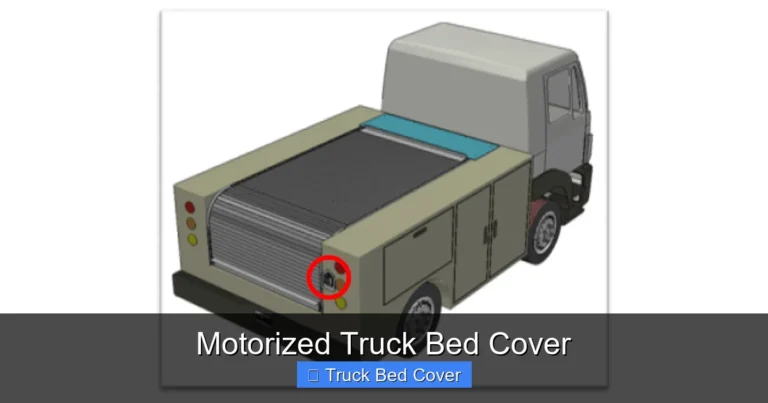
Most fabric covers feature a rolling, folding, or tri-fold design that allows you to open the entire bed when needed. For example, a tri-fold cover unfolds into three separate panels that lie flat along the cab wall when removed. Rolling models use a central drum mechanism to store the material neatly at the front of the bed. Both options give you instant access to your truck bed without lifting heavy lids.
The key advantage? You get the best of both worlds: full coverage when parked and full visibility when driving. That makes them ideal for contractors, campers, farmers, and anyone who needs flexibility in their daily routine.
How Do Fabric Covers Work?
Fabric covers operate using simple mechanical principles. When closed, they stretch taut across the truck bed, creating a waterproof barrier. Clamps, Velcro straps, or twist locks secure the edges to prevent flapping in strong winds. Some premium models include reinforced grommets and heavy-duty buckles for extra stability.
When you need to load something large—like furniture or a kayak—you simply unroll or unfold the cover. Most systems allow you to keep the cover partially open or fully retracted without removing it entirely. This means you never lose the security of having a cover back on later.
For added convenience, many modern designs come with integrated tie-down points or side rails that let you anchor loads securely. That’s especially useful if you’re transporting equipment during windy conditions.
Types of Fabric Truck Bed Covers
Not all fabric covers are created equal. There are several styles, each suited to different needs and budgets. Let’s break down the most popular options:
Tri-Fold Covers
These are among the most common fabric covers due to their balance of durability and ease of use. The cover splits into three sections that fold forward toward the cab when opened. Each panel rests flat against the bed rail, leaving the entire area accessible. Tri-folds are great for everyday drivers who want quick access and moderate weather protection.
Roll-Up Covers
As the name suggests, roll-up models gather the fabric into a tight cylinder stored at the front of the bed. To open, you pull the cover back manually or with a handle. These are excellent for long trips because they stay out of the way but remain close at hand. Roll-ups are also less likely to snag on obstructions since there are no folds or creases.
Folding Covers (Soft Folding)
Similar to tri-folds, but often made with heavier-duty fabric and reinforced stitching. Folding covers may have additional crossbars for sturdiness and can support light weights like coolers or toolboxes. They’re a solid middle-ground option between basic soft covers and full hard shells.
Replacement Tarp Covers
For those on a tight budget, replacement tarps are available as standalone solutions. You secure them with bungee cords or ratchet straps—no permanent installation required. While not as refined, they’re effective for temporary use or emergency situations.
Each type has pros and cons depending on your climate, truck model, and how much you drive. For instance, if you live in a rainy region, a well-sealed roll-up might outperform a tri-fold in keeping moisture out.
Materials Used in Fabric Covers
The performance of your fabric cover largely depends on the material it’s made from. Here’s what to look for:
Polyester vs. Canvas
– Polyester: Lightweight, UV-resistant, and water-repellent. Often treated with coatings like PVC or polyurethane for added durability. Ideal for dry climates or mild weather.
– Canvas: Heavier and more rugged, offering superior tear resistance. Naturally breathable, which helps prevent condensation buildup. Best for harsh environments or frequent heavy loading.
Many high-end covers blend both fabrics—using canvas in high-stress areas like corners and seams, and polyester elsewhere for weight savings.
Treatments and Coatings
Look for covers with:
– UV inhibitors to prevent fading and degradation from sunlight
– Waterproof coatings such as vinyl or PU laminate
– Mildew-resistant finishes, especially important in humid regions
These treatments extend the life of your cover and maintain its appearance year after year.
Reinforcements
Quality covers include double-stitched seams, heavy-duty corner brackets, and rust-proof hardware. Cheaper alternatives may skip these details, leading to premature wear.
When shopping, check customer reviews for mentions of “tear resistance,” “stitching quality,” and “weather performance.” Real-world feedback is invaluable.
Benefits of Installing a Fabric Truck Bed Cover
Why go with a fabric cover instead of a hard shell or nothing at all? The advantages are clear:
Protection from Weather
Rain, snow, sleet, and dust don’t stand a chance. A tightly secured fabric cover keeps your cargo dry and prevents grime from accumulating inside the bed. That’s especially helpful if you carry electronics, documents, or sensitive equipment.
Even in sunny conditions, the cover blocks harmful UV rays that can fade upholstery, warp plastics, or degrade rubber seals inside the cab.
Theft Deterrence
An uncovered truck bed invites opportunity. Thieves can easily grab loose items while you’re stopped at a red light or parked in a public lot. A visible cover signals that your bed isn’t an easy target. Plus, some models include lockable latches or tie-down anchors to secure valuables further.
Improved Fuel Economy
Believe it or not, covering your truck bed can save fuel. Without a cover, wind turbulence creates drag at the rear of the vehicle. A sealed fabric cover smooths airflow, reducing aerodynamic resistance by up to 5–10%. Over thousands of miles, that adds up to noticeable savings at the pump.
Enhanced Appearance
Let’s be honest—a clean, covered truck looks sharper than an exposed bed filled with clutter. Fabric covers come in neutral colors like black, gray, or tan that complement most truck styles. Some even feature branded logos or custom graphics for a personalized touch.
Easy Installation and Removal
No drilling. No welding. No professional help required. Most fabric covers snap on in under 15 minutes using clamps or bolts. And when winter arrives or you want to wash your truck, you can remove the entire cover in seconds.
Affordability
Compared to fiberglass or aluminum hard covers ($800–$2,000+), fabric options start as low as $150. Even mid-range models rarely exceed $400, making them one of the most cost-effective truck accessories available.
Installation Tips for Fabric Truck Bed Covers
Getting your cover installed correctly is crucial for performance and longevity. Follow these steps:
Gather Your Tools
You’ll usually need:
– Socket wrench or adjustable wrench
– Screwdriver (Phillips or flathead, depending on hardware)
– Measuring tape (to verify fit)
– Lubricant spray (for metal clamps, optional)
Some kits include pre-drilled holes; others require minor modifications. Always read the manufacturer’s instructions first.
Clean the Truck Bed
Remove debris, rust spots, or old adhesive residue. A clean surface ensures better seal and prevents scratches during installation.
Position the Cover
Lay the fabric flat over the bed rails. Make sure it’s centered and aligned with the tailgate. For rolling covers, attach the mounting bracket to the bulkhead (inside near the cab).
Secure the Edges
Use clamps or bolts to fasten the sides. Tighten evenly to avoid wrinkles or gaps. Avoid overtightening—this can stretch the fabric or damage clips.
Test the Mechanism
Open and close the cover multiple times to ensure smooth operation. Check for snagging or misalignment.
Pro tip: Install the cover during cooler hours to reduce fabric elasticity, which helps with precise fitting.
Once installed, periodically inspect hardware for looseness and re-tighten as needed. This simple habit prevents future issues.
Maintenance and Care Guide
With proper care, your fabric cover will last 5–10 years or more. Here’s how to keep it in top shape:
Cleaning Instructions
– Use mild soap and water (avoid harsh chemicals like bleach)
– Gently scrub with a soft brush or sponge
– Rinse thoroughly and air-dry completely before storing
Never machine-wash or dry-clean fabric covers—they’re not built for that
Storage Tips
When not in use, roll or fold the cover loosely and store it in a dry place. Don’t leave it crumpled in the bed for extended periods—this causes creases and weakens fibers.
Inspection Checklist
Every few months, check for:
– Frayed edges or loose threads
– Corroded brackets or broken snaps
– Stiffness or discoloration indicating UV damage
Replace damaged components immediately to prevent total failure
Winter Care
In snowy climates, remove ice buildup gently with a plastic scraper—never metal. Salt residue accelerates corrosion, so rinse the cover after winter storms.
By following these basics, you’ll maximize your investment and enjoy reliable protection season after season.
Choosing the Right Fabric Cover for Your Truck
With dozens of brands and models on the market, selecting the best fit can feel overwhelming. Start by asking yourself:
– What’s my primary use? (daily commute, off-roading, construction work?)
– How often do I need full bed access?
– What’s my average annual rainfall/snowfall?
– Do I tow frequently or carry heavy loads?
Then consider these factors:
Truck Model Compatibility
Measure your bed length (short, standard, long) and width. Most covers list compatible models—double-check before buying. If you’ve modified your truck (lift kit, bed liner), verify clearance.
Budget Range
– Entry-level: $100–$200 (basic polyester, limited features)
– Mid-tier: $200–$400 (canvas blend, better seals, smoother operation)
– Premium: $400+ (military-grade fabric, lifetime warranty, integrated locks)
Don’t skimp on quality if you rely on your truck for work. A $300 cover will outlast two $150 ones.
Brand Reputation
Stick with established names like UnderCover, Tonno Pro, TruXedo, or Extang. They offer customer support, replacement parts, and honest warranties.
Warranty Considerations
Look for at least a 1-year warranty—ideally 2–5 years. Read fine print: does it cover fading, seam separation, or zipper failure?
Finally, watch for seasonal sales (Black Friday, Memorial Day) and bundle deals that include installation guides or cleaning kits.
Frequently Asked Questions
How long do fabric truck bed covers last?
With proper care, high-quality fabric covers last 5–10 years. Factors like UV exposure, cleaning methods, and storage impact lifespan. Regular maintenance extends durability significantly.
Are fabric covers worth it compared to hard covers?
For most drivers, yes. Fabric covers offer easier access, lower cost, lighter weight, and sufficient protection for everyday use. Hard covers excel in extreme durability but lack flexibility.
Can I wash my fabric cover in a washing machine?
No. Machine washing damages fabric integrity and voids warranties. Hand wash with mild soap, rinse thoroughly, and air dry completely before reinstalling.
Do fabric covers work on trucks with bed liners?
Yes, but check compatibility. Some covers require trimming or special adapters. Brands often provide liner-specific kits for popular truck models.
Will a fabric cover prevent all condensation?
It reduces moisture buildup by allowing slight airflow, but doesn’t eliminate condensation entirely. Ventilated designs or occasional opening helps in humid climates.
Can I add tie-downs to my fabric cover?
Many modern covers include built-in D-rings or anchor points. If not, aftermarket strap kits are widely available and easy to install without drilling.