Does a Truck Bed Cover Increase Fuel Efficiency
Yes, a truck bed cover can increase fuel efficiency—but the improvement is modest, usually under 10%. By smoothing airflow over the bed and reducing drag, covers like tonneau or retractable models help your truck cut through the wind more efficiently. The savings come from reduced resistance, not magic—but for long hauls or frequent driving, every mile per gallon counts.
Does a Truck Bed Cover Increase Fuel Efficiency?
If you’ve ever driven behind a pickup truck with its bed full of loose tools, lumber, or a tarp flapping in the wind, you’ve felt it—that sudden dip in speed and surge of engine noise as the truck fights air resistance. Now imagine that same truck with a sleek, tight-fitting cover over the bed. Not only does it look cleaner, but it quietly helps the vehicle slice through the air more smoothly. So, does a truck bed cover really make a difference when it comes to fuel efficiency? The short answer: yes—but not as much as you might hope. Still, for many truck owners, especially those who drive long distances or carry loads regularly, the gains add up over time.
In this deep dive, we’ll explore how truck bed covers affect aerodynamics, what real-world fuel savings look like, which types work best, and whether the investment is worth it. Whether you’re hauling gear to the job site or commuting across the country, understanding the impact of a bed cover could help you save money and reduce emissions—without changing your entire lifestyle.
How Aerodynamics Work in Pickup Trucks
Before we talk about covers, let’s talk about why trucks aren’t exactly built for efficiency. Pickup trucks have a high ground clearance, boxy shapes, and open beds—all of which create what engineers call “aerodynamic drag.” Drag is the force air pushes against an object moving through it. The higher the drag, the harder the engine has to work to maintain speed, and the more fuel is burned.
When a truck bed is empty or loosely loaded, the open space at the back acts like a giant sail. Air rushes into the bed, hits the flat rear window (or tailgate), and then swirls wildly around the edges. This creates turbulence—a chaotic mix of fast and slow-moving air—that pulls the truck backward. It’s like trying to swim through soup instead of water. The rougher the flow, the more energy is wasted.
Now, picture covering that open bed with a smooth, rigid panel. Suddenly, the airflow follows the curve of the truck more naturally. There’s less separation, fewer eddies, and a quieter ride. That’s aerodynamics in action—and it’s where truck bed covers earn their place in the fuel-saving lineup.
Types of Truck Bed Covers and Their Impact
Not all covers are created equal when it comes to performance. The type you choose affects not only looks but also how well they reduce drag and protect your cargo. Let’s break down the most common options:
Soft Roll-Up Covers
These are made of vinyl or canvas and roll up toward the cab. They’re lightweight, affordable, and easy to remove. However, because they sit low on the bed rails, they don’t seal tightly and leave gaps at the sides and front. Those gaps mean air still gets in, creating some drag—though less than no cover at all. Soft covers are great for occasional use but offer limited aerodynamic benefit.
Tri-Fold Hard Covers
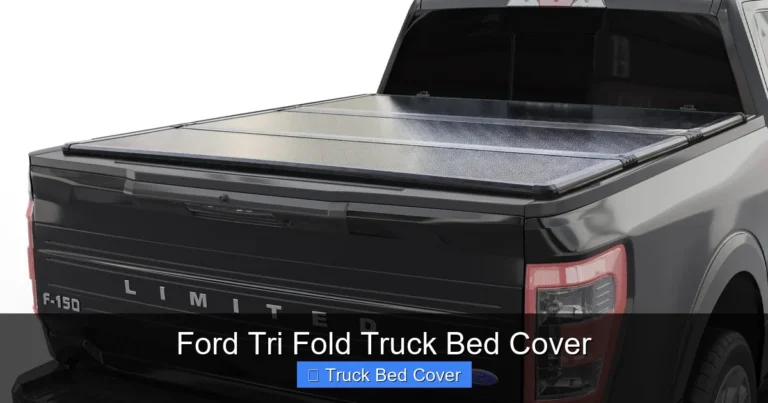
Made of reinforced fiberglass or aluminum, these fold into three sections. They sit flush with the bed rails and provide a near-tight seal, especially if you use weather stripping. Because they’re solid and low-profile, tri-folds reduce drag significantly compared to soft models. They’re popular among truck owners who want both security and style.
Retractable Hard Covers
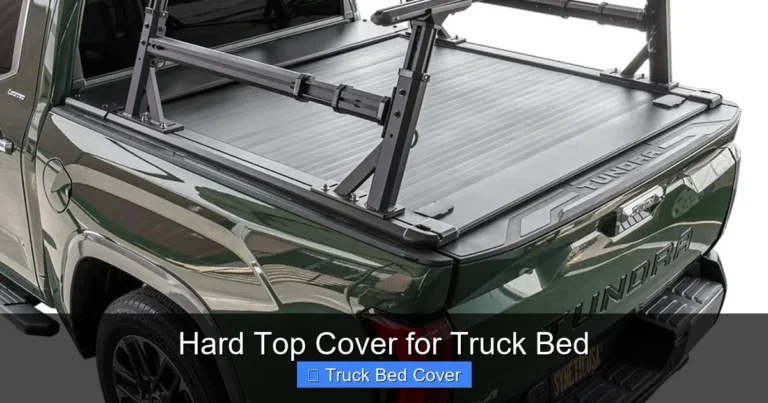
These slide open using a track system, allowing full access to the bed. High-end models feature smooth operation and excellent sealing. Retractables often have the lowest drag profile when closed because they lie flat and align perfectly with the truck bed. For highway drivers, this makes them one of the top choices for fuel efficiency.
Tonneau Covers (Soft or Hard)
The term “tonneau cover” is used broadly, but generally refers to any cover over the bed that replaces the open space. Hard tonneau covers (like aluminum or composite panels) typically offer the best balance of durability, aerodynamics, and affordability. When installed correctly, they can reduce drag by up to 20% compared to an uncovered bed.
Lidless or Low-Profile Options
Some modern designs are ultra-thin, sitting just above the bed rails. These minimize wind resistance even further because there’s less vertical height for air to push against. While not as sturdy as full-height hard covers, they’re ideal if your priority is aerodynamics over rugged protection.
Real-World Fuel Savings: What Numbers Look Like
So, how much fuel do you actually save? Studies and independent tests give us a range, but the truth is: it depends.
At highway speeds (say, 60–70 mph), a properly fitted hard tonneau or retractable cover can improve fuel economy by 3% to 8%. That might not sound like much—especially since gas prices fluctuate—but over thousands of miles, it adds up.
Let’s do the math. Suppose your truck gets 20 miles per gallon (mpg) normally. With a cover, you might bump that to 21.2 mpg—a gain of 1.2 mpg. If you drive 15,000 miles a year at $4.00 per gallon, that’s about 60 extra gallons saved annually, costing roughly $240 in fuel savings. Most quality covers cost between $300 and $800, so in under three years, you break even—even before factoring in reduced wear on tires and suspension from smoother airflow.
Of course, city driving sees fewer benefits. At lower speeds, aerodynamic forces are smaller, so the relative gain is less noticeable. But if you’re on the highway daily—whether for work, road trips, or commuting—the cover pays for itself.
Factors That Influence How Much You Save
Several variables affect how much your truck bed cover improves fuel efficiency:
Truck Model and Size
Larger trucks (like full-size Ford F-150s or Chevy Silverados) experience more drag, so even small improvements matter more. Compact trucks may see less dramatic gains simply because they’re already more aerodynamic.
Bed Length
Longer beds create more volume for air to enter, increasing turbulence. A 6.5-foot bed will always have more drag potential than a 5.5-foot one—even with a cover.
Cover Installation Quality
A poorly sealed cover defeats the purpose. Gaps at the front, sides, or corners let air sneak in, creating new sources of drag. Always choose reputable brands and consider professional installation.
Wind Conditions
Headwinds amplify the effect of drag. In calm conditions, the benefit is smaller; in strong winds, a good cover makes a bigger difference by stabilizing airflow.
Cargo Load
If you frequently carry heavy items in the bed, a cover prevents them from shifting and creating uneven surfaces. Loose cargo increases drag more than a covered bed with nothing inside.
Weather and Sealing
Waterproofing and UV protection matter less for fuel efficiency, but they ensure the cover stays intact and sealed over time. Cracked seals lead to air leaks and reduced performance.
Practical Tips to Maximize Fuel Savings
Want to get the most out of your truck bed cover? Here’s how:
Install a high-quality model with rubber gaskets and clamps.
Ensure the cover sits flush and closes tightly—no rattles or gaps.
Use a cover that matches your bed length and rail type (no-drill vs. bolt-on).
Avoid leaving the cover off during long trips if fuel efficiency is a priority.
Pair the cover with other efficiency upgrades like low rolling-resistance tires or tire pressure monitoring.
Regularly clean the cover and check for damage—wind erosion can weaken seals over time.
Consider a retractable or roll-up cover if you need frequent access without compromising performance.
Beyond Fuel: Other Benefits of a Truck Bed Cover
While fuel savings are compelling, truck bed covers offer advantages beyond the gas pump:
Security: Thieves can’t easily access your tools, equipment, or groceries.
Weather Protection: Rain, snow, and sun won’t ruin your belongings.
Cleaner Interior: No loose items sliding around or dirt blowing into the cab.
Better Resale Value: A covered truck often sells faster and for more money.
Quieter Ride: Reduced wind noise makes highway driving more comfortable.
Improved Towing Stability: Some drivers report better handling when the bed is covered and balanced.
Environmental Impact and Long-Term Thinking
Every gallon of gas saved means fewer greenhouse gases released into the atmosphere. According to the EPA, burning one gallon of gasoline produces about 8.9 kg of CO₂. Over five years of driving, a 5% fuel improvement from a bed cover could prevent nearly 3,000 pounds of carbon emissions—equivalent to planting over 40 trees.
For eco-conscious drivers, that’s meaningful progress—one cover at a time.
Common Myths About Truck Bed Covers
Let’s clear up some misconceptions:
Myth: A cover will double my fuel economy.
Reality: Even the best covers add only 3–8% to mpg. It’s not a magic fix.
Myth: Soft covers are just as efficient as hard ones.
Reality: Hard covers seal better and reduce drag more effectively.
Myth: I only drive in the city—so a cover doesn’t matter.
Reality: While gains are smaller, consistent highway driving makes the cover worthwhile.
Myth: All covers require drilling into the truck.
Reality: Many modern designs use clamp-on systems that don’t damage paint or warranty.
Conclusion: Is It Worth It?
So, does a truck bed cover increase fuel efficiency? Absolutely—but realistically, expect modest gains of 3% to 8%, primarily on the highway. For truck owners who spend hours behind the wheel each week, those extra miles per gallon translate into real dollars saved and less strain on the environment.
More importantly, a bed cover delivers value beyond fuel. It protects your stuff, deters theft, keeps your cab clean, and enhances your truck’s appearance. If you’re already considering a cover for practical reasons, the fuel savings are just icing on the cake.
Choose wisely: invest in a well-reviewed, properly installed cover that fits your needs. And remember—consistency matters. The longer you drive with it on, the more you’ll reap the rewards.
Key Takeaways
- Drag Reduction: A closed truck bed creates a smoother surface, reducing turbulence and aerodynamic drag.
- Fuel Savings Potential: Most studies show a 3–8% improvement in fuel economy with a properly installed cover.
- Cargo Protection Matters: Covers keep items secure and dry, preventing wind lift that increases fuel use.
- Type Impacts Performance: Hard covers offer better aerodynamics than soft ones; roll-up and retractable models vary in efficiency.
- Real-World Gains: At highway speeds (65 mph), you might save 0.2–0.5 mpg depending on your truck and cover.
- Cost vs. Benefit: Most covers pay for themselves in fuel savings within a few years for highway drivers.
- Installation Quality Counts: Poor seals or misalignment can negate benefits, so choose quality brands and professional installers.
Quick Answers to Common Questions
Do truck bed covers really improve fuel economy?
Yes, but only modestly. Most quality covers improve fuel economy by 3% to 8%, mainly due to reduced aerodynamic drag at highway speeds.
Which type of cover saves the most fuel?
Hard, flush-mounted covers like retractable or tri-fold models offer the best aerodynamic performance because they seal tightly and lie flat.
Will a bed cover help in stop-and-go traffic?
Limitedly. Aerodynamic benefits are minimal at low speeds, so city driving sees little fuel savings from a cover.
Can a poorly installed cover hurt fuel efficiency?
Yes. Gaps and misalignment create new drag points, sometimes making things worse than having no cover at all.
How long does it take for a cover to pay for itself?
Usually 2–3 years for highway drivers, depending on mileage, gas prices, and the cover’s upfront cost.
Frequently Asked Questions
How much fuel can a truck bed cover save?
Average savings are 3% to 8% in fuel economy, translating to 0.2–0.5 more miles per gallon at highway speeds. Over time, this adds up to significant cost savings.
Are soft or hard covers better for fuel efficiency?
Hard covers are superior. They seal better, reduce drag more effectively, and provide a smoother surface for airflow compared to soft roll-up models.
Does a bed cover help with gas mileage in the city?
Minimal benefit. Since city driving involves frequent stops and lower speeds, aerodynamic improvements have less impact on fuel consumption.
Can a bed cover improve my truck’s resale value?
Yes. A covered truck appears cleaner, more secure, and better maintained, often selling faster and for a higher price than uncovered models.
Do I need to drill into my truck to install a bed cover?
No. Many modern covers use clamp-on or no-drill systems that don’t damage paint or void warranties. Always check compatibility before purchasing.
Will a bed cover protect my cargo from wind?
Absolutely. By closing the bed, a cover prevents items from shifting or being blown around, improving stability and reducing unnecessary drag caused by loose loads.