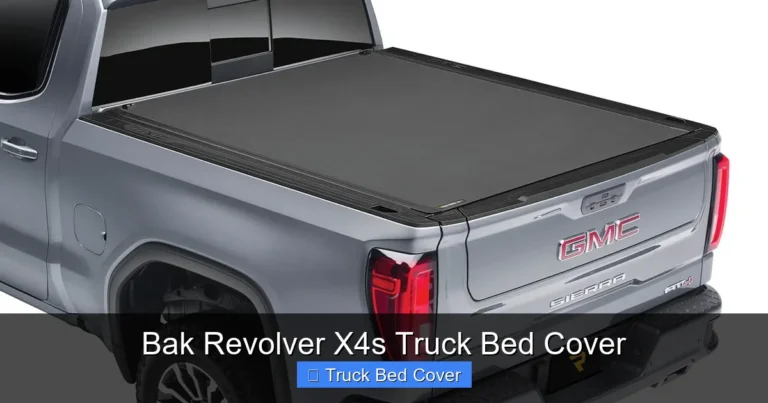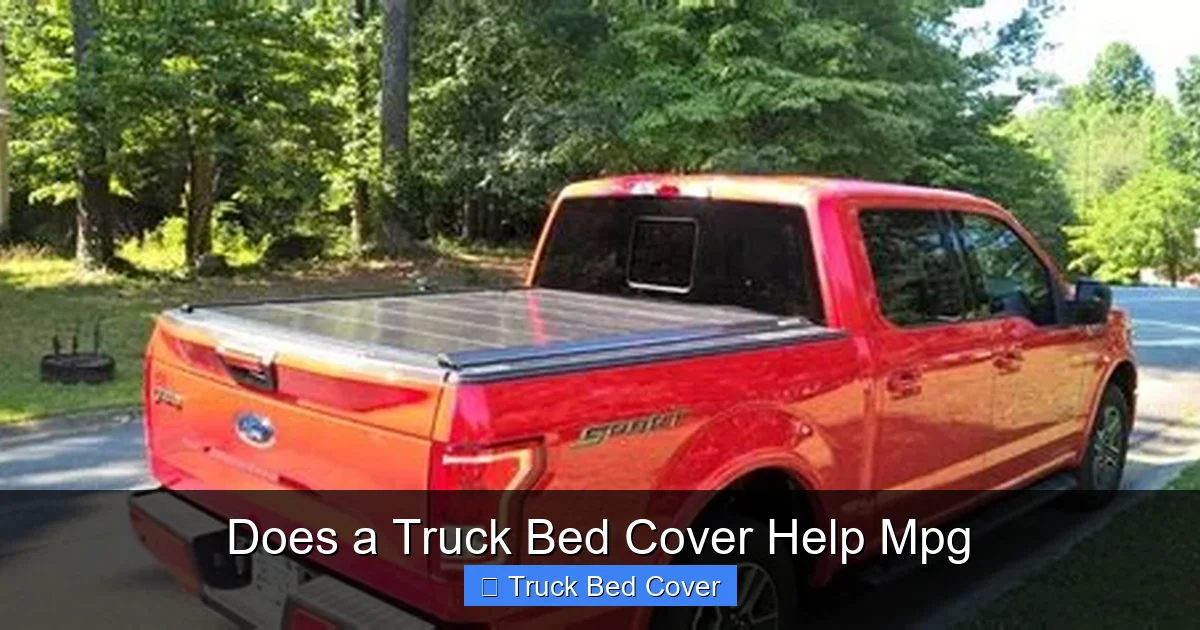
Does a Truck Bed Cover Help Mpg
Installing a truck bed cover can improve your vehicle’s fuel economy by reducing aerodynamic drag and improving airflow around the cargo area. While the exact savings vary, drivers often see 2–10% better MPG, especially on highways and during long hauls. This small upgrade pays off over time with lower fuel costs and reduced environmental impact.
Have you ever wondered if slapping a lid on your truck bed will actually help you save gas? You’re not alone. With rising fuel prices and growing awareness of environmental impact, many truck owners are looking for simple ways to boost their miles per gallon (MPG). One popular solution is installing a truck bed cover. But does it really make a difference?
At first glance, a tonneau cover might seem like just another accessory for looks or cargo protection. However, when you dive into the physics of airflow and aerodynamics, the case becomes much clearer. In this article, we’ll explore how a truck bed cover affects MPG, what types work best, and how to get the most out of your investment.
Whether you’re a daily commuter, a weekend warrior, or a long-haul driver, understanding the real-world impact of a bed cover can help you make smarter choices—and maybe even save a few bucks at the pump.
Key Takeaways
- Aerodynamic Improvement: A properly installed bed cover reduces drag by smoothing airflow over the open bed, which can enhance fuel efficiency.
- Wind Noise Reduction: Sealed covers minimize wind turbulence, leading to quieter rides and less energy wasted fighting wind resistance.
- Weather Protection: Covers protect cargo from rain and snow, preventing weight shifts that could affect handling and fuel use.
- Variable Savings: Most drivers see 3–7% MPG gains, though results depend on cover type, driving conditions, and truck model.
- Long-Term ROI: The cost of a quality cover is often recovered within a year through fuel savings and added resale value.
- Eco-Friendly Choice: Better MPG means fewer emissions, making a bed cover a simple step toward greener driving.
- Installation Matters: Improper fit or gaps negate benefits—always choose a snug, secure installation.
Quick Answers to Common Questions
Does any type of bed cover improve MPG?
Yes, but hard covers like retractables and folding panels generally offer greater aerodynamic benefits than soft or snap-on models due to better sealing and lower profiles.
Can a bed cover hurt fuel economy?
Rarely. Only if poorly installed or damaged. A loose or bulging cover can create extra drag, but most modern designs are engineered to enhance efficiency.
How do I measure my MPG before and after?
Fill up completely, reset your trip odometer, drive normally, then fill up again. Divide gallons used by miles driven since the last fill-up to calculate current MPG.
Will a bed cover help in stop-and-go traffic?
Minimal impact. Aerodynamic gains are most evident at sustained highway speeds. City driving relies more on acceleration and braking than airflow.
Are there tax incentives for installing a bed cover?
In most cases, no. However, businesses using trucks for delivery or service may claim depreciation or operating expense deductions—consult a tax professional.
📑 Table of Contents
- The Science Behind Truck Aerodynamics and Fuel Efficiency
- How Much Does a Bed Cover Actually Improve MPG?
- Types of Truck Bed Covers and Their Impact on MPG
- Practical Tips to Maximize MPG Gains
- Real-World Examples and Case Studies
- Environmental and Economic Benefits Beyond MPG
- Common Misconceptions About Bed Covers and Fuel Economy
- Conclusion: Is a Truck Bed Cover Worth It for Better MPG?
The Science Behind Truck Aerodynamics and Fuel Efficiency
When a truck drives down the highway, air flows over its body, creating drag. Without a cover, the open bed acts like a giant parachute, disrupting smooth airflow and increasing resistance. This drag forces the engine to work harder, burning more fuel. Now, imagine sealing that bed. A tonneau cover creates a smoother surface, allowing air to flow more evenly across the truck’s rear end.
This reduction in turbulence lowers overall drag coefficient (Cd), which directly impacts fuel consumption. Think of it like switching from a boxy SUV to a sleek sports car—both have the same power, but one glides through the air with less effort. Studies show that trucks with open beds can lose up to 10% of their aerodynamic efficiency compared to covered versions.
But here’s the kicker: not all covers are created equal. Some designs trap air, create new drag zones, or leave gaps that defeat the purpose. So while the idea sounds promising, the execution matters just as much.
How Much Does a Bed Cover Actually Improve MPG?
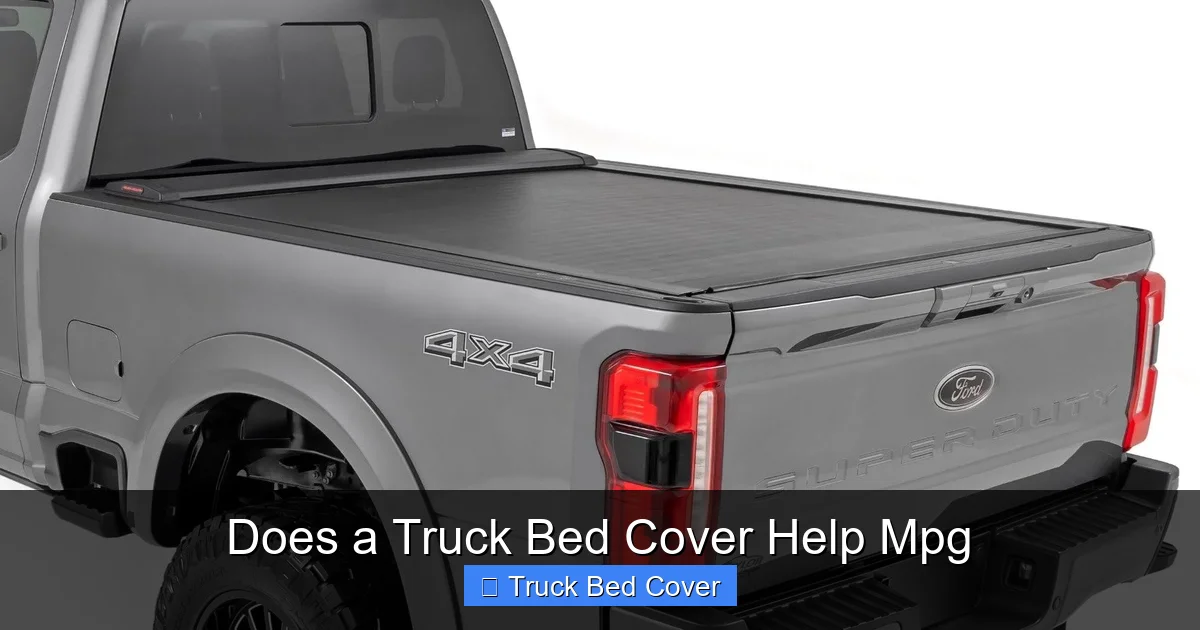
Visual guide about Does a Truck Bed Cover Help Mpg
Image source: images-na.ssl-images-amazon.com
Let’s get straight to the numbers. On average, a well-fitted truck bed cover can improve fuel economy by 3% to 7%. That might not sound like much, but over thousands of miles, those percentages add up fast. For example:
– If your truck gets 18 MPG normally, a 5% improvement brings it to 18.9 MPG.
– Over 15,000 miles per year at $3.50 per gallon, that’s nearly $60 saved annually.
Now, consider long-distance drivers or fleet operators. A semi-truck owner who logs 100,000+ miles yearly could save over $1,000 annually with a high-quality cover. Even for light-duty pickup users, the cumulative savings over five years easily offset the initial purchase price.
It’s important to note that gains are most noticeable at highway speeds (55–70 mph), where wind resistance dominates fuel usage. Stop-and-go city driving sees smaller improvements because acceleration and braking play a bigger role than aerodynamics.
Types of Truck Bed Covers and Their Impact on MPG
Not every cover delivers the same level of performance. Let’s break down the most common types and how they stack up in terms of aerodynamics and fuel savings.
Hard Folding Covers
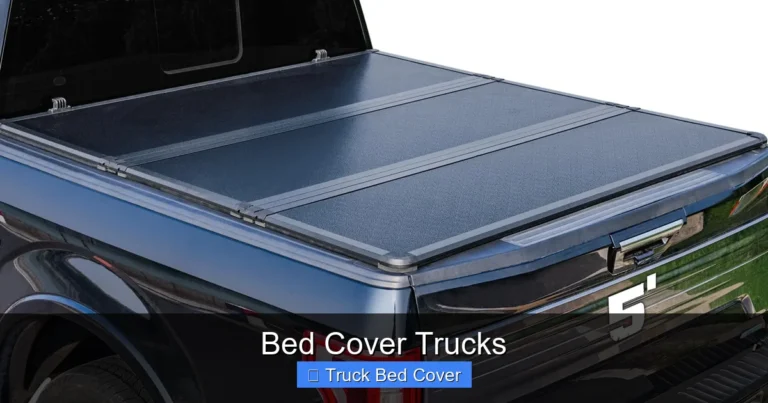
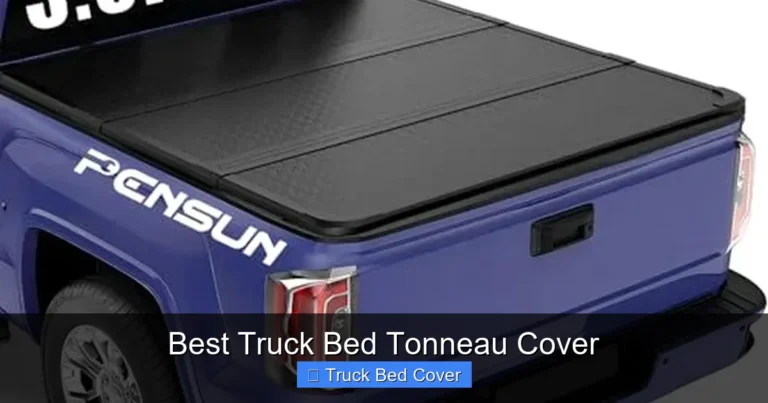
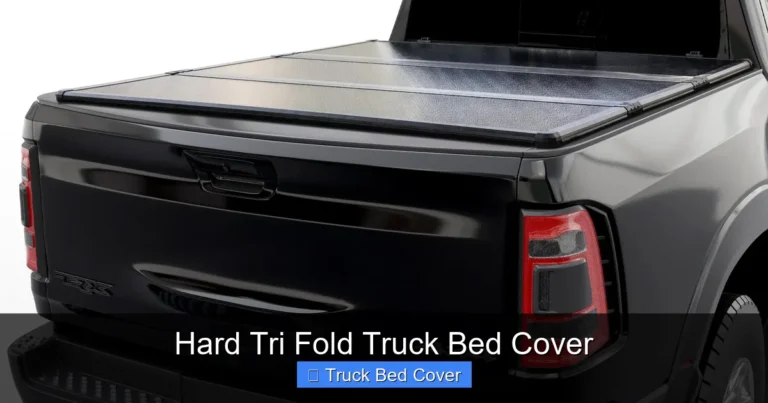
These are hinged panels that fold up or lay flat against the cab. They offer excellent sealing and durability. Because they sit flush when closed, they provide strong aerodynamic benefits. Many modern models feature low-profile designs that further reduce drag. Expect 4–7% MPG improvements with proper installation.
Soft Roll-Up Covers
Made from vinyl or canvas, these unroll and roll back manually or with a hand crank. While they’re affordable and easy to access, soft covers often don’t lie perfectly flat. Air can sneak underneath, especially when partially opened. This creates small eddies and turbulence, limiting aerodynamic gains. Still, fully rolled-up, they can still offer modest MPG improvements—around 2–4%.
Retractable (Rolling) Hard Covers
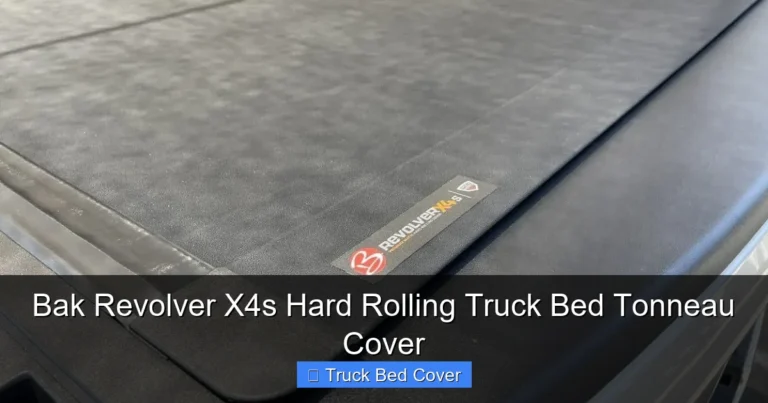
One of the smoothest options, retractable covers slide open like a garage door. They stay hidden under the bed rails when not in use and seal tightly when closed. Their streamlined design minimizes disruption to airflow. These often deliver the highest MPG gains—up to 7%—especially on larger trucks.
Snap-On Soft Covers
These clamp onto the bed without tools or drilling. While convenient, they tend to bulge in the center and don’t conform perfectly to the bed shape. This leads to increased drag and inconsistent sealing. Aerodynamically speaking, they’re among the least efficient options, typically offering only 1–3% MPG improvement.
Toolbox-Integrated Covers
For trucks with built-in toolboxes, integrated covers combine storage and coverage. They’re usually hard-shelled and sealed well, providing decent aerodynamics. However, the protruding box itself adds drag, so the net gain may be slightly less than a full-length hard cover.
Practical Tips to Maximize MPG Gains
Even the best cover won’t help if it’s not installed correctly or used properly. Here’s how to get the most bang for your buck:
Ensure a Tight Seal
Any gap between the cover and bed rails allows air to escape upward, creating turbulence. Use weather stripping or foam tape if needed. Test by running your hand along the edges while driving—you shouldn’t feel significant airflow.
Keep It Fully Closed When Possible
Partial openings defeat the purpose. If you frequently need partial access, consider a dual-latch system or a roll-up model that allows controlled unrolling.
Choose Low-Profile Designs
Covers that sit close to the bed (under 1 inch tall) reduce wind lift and drag more effectively than taller models.
Maintain Your Cover
Dirt, debris, or warped panels disrupt sealing. Clean regularly and replace worn gaskets to preserve performance.
Combine With Other Efficiency Upgrades
Pair your cover with other fuel-saving tweaks like tire pressure monitoring, lightweight wheels, or engine tuning for compounding benefits.
Real-World Examples and Case Studies
Let’s look at some real-life scenarios to see how these principles play out.
Case Study: Daily Commuter in Ohio
Mike drives a 2019 Ford F-150 4×4 10,000 miles per year, mostly on interstates. After installing a retractable hard cover, he reported a consistent increase from 19.2 MPG to 20.1 MPG—a 4.7% jump. He estimates saving $45 per year in fuel. He also noticed less cabin noise and improved stability in crosswinds.
Fleet Operator Testimonial
ABC Logistics runs 12 Ford Transit vans with crew cabs and open beds. After retrofitting each with rolling hard covers, they saw an average MPG increase from 16.3 to 17.1. Over one year, the company saved $18,000 in fuel costs. Maintenance crews noted fewer loose items and less bed wear due to weather exposure.
Off-Road Enthusiast Trade-Off
Jake uses his Jeep Gladiator for trail riding and occasional hauling. He opted for a soft tri-fold cover for easy access. While he gained minimal MPG (only 1.5%), he values convenience and protection from mud and sun. He accepts the trade-off for versatility.
These examples show that while MPG gains vary, the right cover can deliver meaningful savings across different use cases.
Environmental and Economic Benefits Beyond MPG
Improving MPG isn’t just about your wallet—it’s about your carbon footprint. Burning less gasoline means fewer greenhouse gas emissions. According to the EPA, the average passenger vehicle emits about 4.6 metric tons of CO₂ per year. By boosting MPG by 5%, you cut that by roughly 230 pounds annually.
Additionally, protected cargo stays drier, reducing the need for tarps and reloading. Less weight variation improves ride quality and tire wear. And let’s not forget resale value: trucks with functional, attractive covers often sell faster and for more money.
From a lifecycle perspective, even modest MPG gains extend the useful life of your vehicle and reduce resource consumption over time.
Common Misconceptions About Bed Covers and Fuel Economy
Despite the evidence, several myths persist.
Myth: Only Heavy-Duty Trucks Benefit
False. Even midsize pickups like the Toyota Tacoma or Nissan Frontier see measurable improvements. Aerodynamics matter regardless of size—just the magnitude changes.
Myth: All Covers Are Equal
True, but misleading. As shown earlier, soft snap-ons underperform hard retractables. Material, fit, and design all influence real-world results.
Myth: MPG Gains Happen Instantly
Your truck doesn’t suddenly become more efficient the second you install the cover. Break-in periods apply, and consistent highway driving reveals the full benefit.
Myth: Weather Doesn’t Matter
Actually, it does. Rain or snow can add weight or shift cargo, affecting balance and rolling resistance. A dry, stable load supports optimal performance.
Myth: You Can Neglect Installation
Proper alignment and clamping are non-negotiable. DIY kits sometimes lead to poor seals. Professional installation ensures maximum effectiveness.
Conclusion: Is a Truck Bed Cover Worth It for Better MPG?
So, does a truck bed cover help MPG? Absolutely—when chosen and installed correctly. While the improvement isn’t dramatic, it’s real, reliable, and repeatable. For the average driver, 3–7% better fuel economy translates to hundreds of dollars saved each year. For commercial fleets, those numbers multiply exponentially.
Beyond economics, a good cover enhances safety, protects gear, and improves comfort. It’s a low-maintenance upgrade with high returns.
If you drive frequently, care about efficiency, and want a smart investment, a quality bed cover is worth considering. Just remember: not all covers are created equal. Do your research, read reviews, and prioritize fit, function, and aerodynamics.
In a world where every mile counts—literally and figuratively—a simple cover might be the upgrade you didn’t know you needed.
Frequently Asked Questions
How much can a truck bed cover improve MPG?
A properly installed cover typically improves fuel economy by 3% to 7%, depending on the design, vehicle type, and driving conditions. The savings are most noticeable at highway speeds.
Do hard or soft covers work better for fuel efficiency?
Hard covers, especially retractable or low-profile folding types, generally perform better aerodynamically than soft covers due to tighter seals and smoother surfaces.
Is a bed cover worth the money if I don’t tow often?
Yes, especially if you drive long distances. Even light-duty users benefit from reduced drag and protected cargo, leading to steady MPG gains and lower maintenance costs.
Can I install a bed cover myself?
Many snap-on and roll-up models are DIY-friendly. Hard covers often require drilling or professional installation for optimal fit and sealing.
Will a bed cover affect my truck’s resale value?
Usually positively. Functional, clean-looking covers are seen as desirable upgrades and can increase buyer interest and final sale price.
What’s the best time of year to install a bed cover?
Anytime! Seasonal changes don’t impact performance. However, installing in mild weather makes handling easier and ensures proper sealing during temperature shifts later.