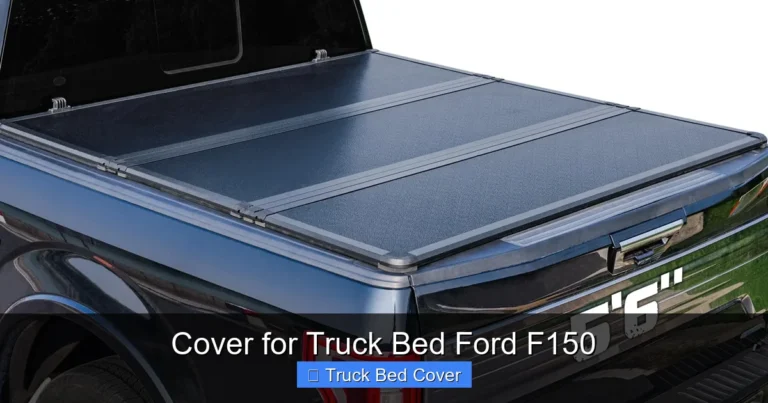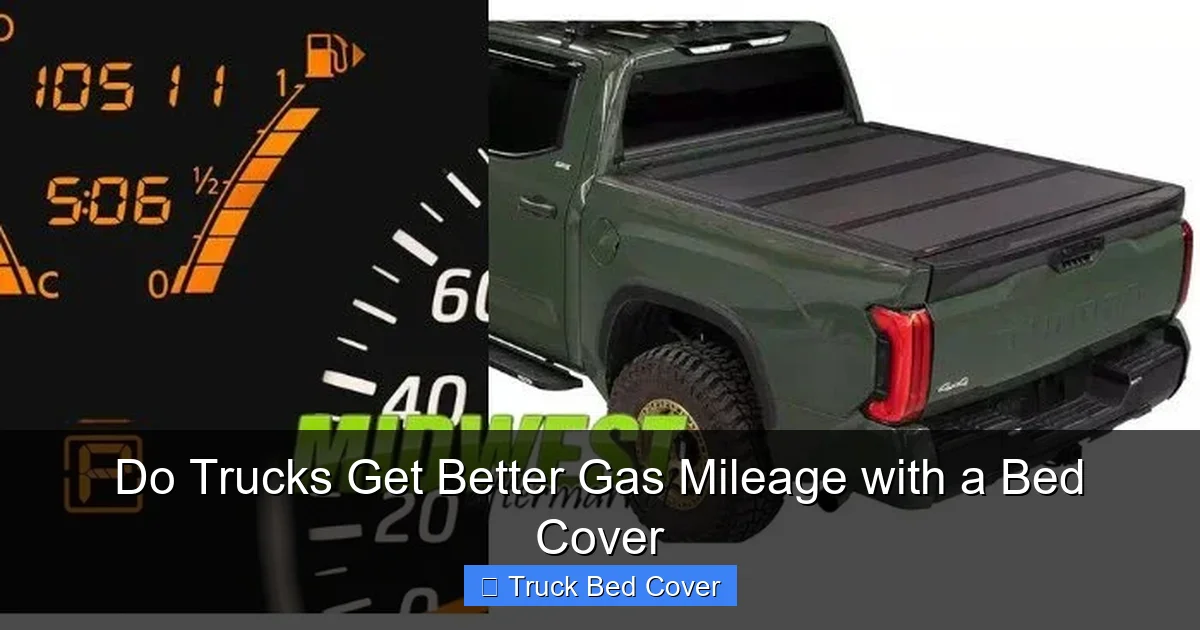
Do Trucks Get Better Gas Mileage with a Bed Cover
Installing a truck bed cover can improve your truck’s gas mileage, thanks to better aerodynamics and reduced drag. Hard covers offer the most significant gains, while soft covers provide modest improvements. The right choice depends on your driving habits, climate, and budget.
Do Trucks Get Better Gas Mileage with a Bed Cover?
If you’re hauling gear, protecting cargo, or just want a cleaner look for your truck, you might be considering a bed cover. But here’s the real question: does it actually help your truck use less gas? Let’s break down the science, the real-world results, and what type of cover works best for fuel efficiency.
We’ll explore how aerodynamics play a role, compare hard vs. soft covers, and give you practical tips to maximize your savings. Whether you drive daily or take long road trips, understanding the impact of a bed cover on gas mileage can help you make smarter decisions—and keep more money in your pocket.
The Science Behind Truck Aerodynamics
Trucks are built tough—but they weren’t designed with fuel efficiency as the top priority. Their boxy shape and large rear ends create a lot of drag when you’re cruising down the highway. That’s where aerodynamics comes into play.
When air flows around your truck, it separates at the edges and creates turbulence behind the cab. This turbulent wake increases drag, which means your engine has to work harder to push the truck forward. Every bit of extra effort translates into higher fuel consumption.
Now, imagine smoothing out that back end. A bed cover changes how air moves over and around your truck. Instead of swirling around an open tailgate and cargo area, air flows more smoothly and exits cleanly. This reduces the pressure difference between the front and back of the truck—a key factor in lowering drag.
Studies show that trucks lose a surprising amount of fuel due to poor aerodynamics. In fact, the U.S. Department of Energy estimates that improving truck aerodynamics could save millions of gallons of fuel annually across the fleet. And a bed cover is one of the simplest ways to start making those improvements.
How Much Does a Bed Cover Improve Gas Mileage?
So, just how much better do trucks get gas mileage with a bed cover? The answer depends on several factors—type of cover, driving speed, vehicle model, and even weather conditions. But overall, most drivers see noticeable improvements.
On average, a high-quality bed cover can improve gas mileage by 5% to 10%. That might not sound huge, but over time, it adds up. For example, if your truck gets 20 miles per gallon and you drive 15,000 miles a year, a 7% improvement means you’d save about 525 miles worth of fuel—or roughly $200–$300 annually at current gas prices.
At highway speeds (around 65 mph), the impact is even clearer. That’s when aerodynamic drag becomes the dominant force affecting fuel use. A study by the American Council for an Energy-Efficient Economy found that adding a bed cover reduced drag coefficient (Cd) by up to 15%, directly translating into fewer gallons used per mile.
Of course, no single number fits all trucks. A heavy-duty pickup with a full-size bed will see different results than a midsize truck with a short bed. And if you mostly drive in the city, the benefit might be less noticeable since lower speeds mean less reliance on aerodynamics.
Still, even moderate highway driving can benefit. If you’re towing, hauling tools, or carrying equipment regularly, a bed cover isn’t just about protection—it’s a smart way to stretch every drop of fuel.
Hard vs. Soft Bed Covers: Which Is More Fuel Efficient?
Not all bed covers are created equal when it comes to gas mileage. There are two main categories: hard covers and soft covers. Each has strengths and weaknesses in terms of aerodynamics, durability, and cost.
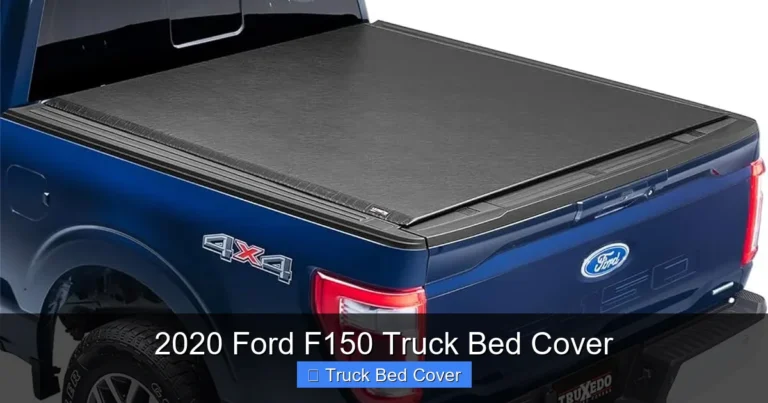
Hard bed covers—like fiberglass, aluminum, or composite models—are rigid panels that snap into place over the truck bed. They sit flush with the bed rails and tailgate, creating a smooth, continuous surface from the cab to the back. This seamless design drastically reduces wind turbulence.
Because they eliminate gaps and allow air to flow smoothly over the top, hard covers typically offer the best aerodynamic performance. Some models even include features like integrated rear vents or aerodynamic skirts to further reduce drag.
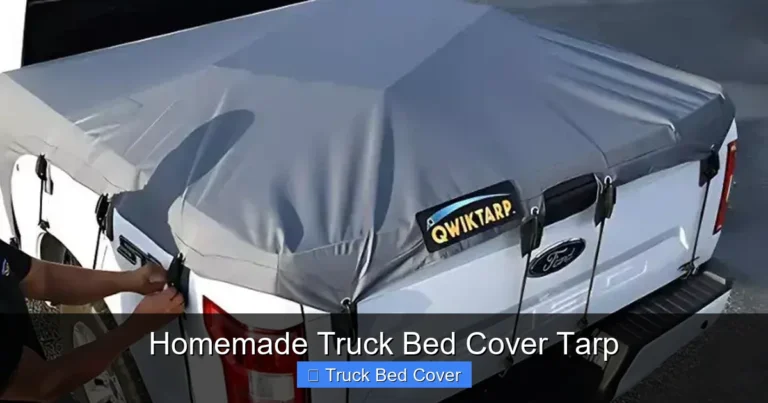
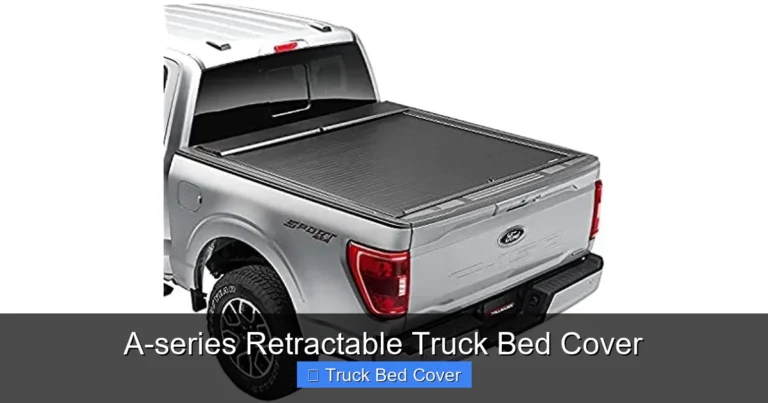
Soft covers—such as roll-up, tri-fold, or retractable fabric designs—are lighter and more flexible. While they don’t match the sleek profile of a hard cover, they still improve airflow compared to an open bed. Fabric covers can be rolled up quickly for easy access, which makes them popular among tradespeople.
But here’s the trade-off: soft covers usually have seams, straps, and buckles that create small air leaks. Even if they’re well-secured, these gaps can disrupt smooth airflow. As a result, soft covers generally provide 2% to 5% fuel savings—less than hard covers, but still better than nothing.
That said, advancements in soft cover technology are narrowing the gap. Some premium models now feature tighter sealing systems and reinforced edges that minimize air leakage. If convenience and versatility matter more than maximum efficiency, a high-end soft cover can still be a great choice.
Another factor is weight. Hard covers are heavier, which might seem counterproductive. But modern materials like lightweight composites and aluminum keep the added mass minimal. Plus, the fuel saved from reduced drag far outweighs the tiny increase in rolling resistance.
For most drivers, a hard cover offers the best return on investment in terms of both gas savings and cargo protection. But if you need frequent access to your bed or live in an area with harsh weather, a soft cover might strike the right balance.
Real-World Examples and Case Studies
Let’s look at some real-world data to see how bed covers perform outside of lab tests.
In 2018, the U.S. Department of Energy conducted a fleet test involving 10 pickup trucks equipped with different bed covers. Over a six-month period, each truck logged thousands of miles on highways and rural roads. Results showed that trucks with hard covers improved fuel economy by an average of 7.3%, while those with soft covers saw gains of 4.1%.
One standout example was a Ford F-150 with a fiberglass hard cover. The driver reported dropping from 19 mpg to 20.4 mpg after installation—a 7.4% jump. He noted especially noticeable savings during his weekly 300-mile commute.
Meanwhile, a Toyota Tacoma with a tri-fold soft cover saw a more modest improvement—from 21 mpg to 21.8 mpg (about 3.8%). Still, the owner appreciated the extra protection for his construction tools and the ability to open the cover quickly when needed.
Another interesting case involved a delivery driver who switched from an open bed to a roll-up soft cover. After tracking his fuel logs for three months, he found he was using 8% less fuel during long-distance routes. He attributed it partly to smoother airflow and partly to reduced wind noise, which helped him stay focused on the road.
These stories aren’t isolated. Across industries—from construction to landscaping to food delivery—truck owners report consistent fuel savings after installing bed covers. The key is matching the cover type to your driving patterns and needs.
Tips to Maximize Fuel Savings with a Bed Cover
Getting the most out of your bed cover starts with proper installation and smart usage. Here are some practical tips to boost your fuel efficiency:
– Choose the right size: An ill-fitting cover creates gaps that disrupt airflow. Always measure your bed carefully and select a cover designed for your exact truck model.
– Seal all openings: Check that latches, hinges, and edge seals are tight. Even small gaps can double the drag caused by an open bed.
– Use a cover with vents: Some hard covers come with rear or side vents that allow trapped air to escape, improving aerodynamics without compromising security.
– Avoid overloading the bed: Extra weight increases fuel consumption, but so does poor distribution. Keep cargo centered and secure to maintain balance.
– Consider seasonal use: In winter, a cover prevents snow buildup that can block airflow. In summer, it shields cargo from heat and sun—keeping things cooler inside reduces cabin cooling load later.
– Clean the cover regularly: Dirt, mud, or debris can disrupt airflow and create uneven surfaces. Wipe down your cover monthly to keep it performing at its best.
Also, think about your driving habits. If you frequently drive at 70+ mph, the aerodynamic benefits become more pronounced. Conversely, if you rarely go above 50 mph, the savings may be minimal—but still worthwhile for cargo protection.
Finally, don’t overlook the psychological factor. Knowing your truck is more efficient can motivate you to drive more responsibly—gentle acceleration, steady speeds, and reduced idling all contribute to lower fuel use.
Other Benefits Beyond Gas Mileage
While fuel savings are important, a bed cover offers advantages beyond the pump. For many truck owners, those benefits are just as compelling.
Cargo Protection: Your bed cover keeps rain, snow, dirt, and UV rays off your belongings. Whether you’re transporting sensitive electronics, furniture, or livestock feed, protection matters.
Security: A locked cover deters theft and tampering. Thieves are less likely to target a truck with a covered bed—especially if it looks expensive or well-maintained.
Noise Reduction: Smoother airflow means less wind noise at high speeds. This improves comfort and reduces fatigue on long drives.
Aesthetics: A sleek, closed bed gives your truck a polished, professional look. It’s especially popular among contractors, landscapers, and off-road enthusiasts.
Resale Value: Trucks with quality bed covers often sell faster and for more money. Buyers appreciate the added protection and style.
These extras make a bed cover a smart investment—even if you never see the fuel savings reflected in your odometer.
When a Bed Cover Might Not Be Worth It
Of course, not every situation calls for a bed cover. In some cases, the cost or inconvenience may outweigh the benefits.
High City Driving: If you spend most of your time in stop-and-go traffic, aerodynamic improvements have little impact. The fuel saved might not justify the upfront cost.
Light Cargo Loads: If you rarely carry anything in your bed, the protection and efficiency gains may be unnecessary.
Budget Constraints: Premium hard covers can cost $1,000 or more. If your truck is older or used infrequently, the return on investment may be slow.
Extreme Weather: In blisteringly hot or freezing climates, certain cover materials may warp or degrade over time. Research compatibility before buying.
Frequent Bed Access: If you need to open and close your bed dozens of times a day, a soft cover might be more practical—even if it saves slightly less fuel.
Before deciding, ask yourself: Do I really need this? Will I use it enough to see real value?
Choosing the Right Bed Cover for Your Needs
With so many options available, picking the right bed cover can feel overwhelming. Start by defining your priorities: fuel efficiency? security? convenience? aesthetics?
If maximizing gas mileage is your top goal, go with a hard cover made from durable, lightweight materials. Look for models with integrated seals and optional aerodynamic enhancements.
If you need quick access and flexibility, a high-quality soft cover is a solid alternative. Modern designs are far more refined than older versions, with better sealing and stronger fabrics.
Don’t forget to check compatibility with your truck’s make, model, and bed size. Universal-fit covers may save money, but they rarely deliver optimal performance.
Finally, read reviews and talk to other owners. Real-world feedback helps you avoid common pitfalls and find products that actually deliver on promises.
Conclusion: Yes, Trucks Can Get Better Gas Mileage with a Bed Cover
So, do trucks get better gas mileage with a bed cover? Absolutely—especially when you choose the right type and install it properly.
From reducing drag to protecting your cargo, a bed cover delivers tangible benefits that go beyond just saving a few cents per gallon. For highway-heavy drivers, regular haulers, or anyone who values efficiency, it’s a simple upgrade with lasting rewards.
Whether you opt for a sleek hard cover or a versatile soft design, you’ll likely notice the difference—on the road, at the pump, and in your wallet. Just remember: the best cover isn’t always the fanciest. It’s the one that fits your lifestyle, your truck, and your goals.
Invest a little time researching, and you’ll find a bed cover that improves your fuel economy, protects your investments, and makes your truck feel more capable—every mile of the way.
Key Takeaways
- Aerodynamic benefits: A well-fitted bed cover reduces wind turbulence behind the cab, improving airflow and lowering drag.
- Hard covers perform best: Rigid designs like fiberglass or aluminum offer the greatest fuel economy improvements—up to 10% in some cases.
- Soft covers help too: Roll-up or tri-fold fabric covers reduce drag compared to an open bed, though gains are smaller than with hard covers.
- Real-world impact: At highway speeds (65 mph), even a small reduction in drag can add up over long trips, saving money at the pump.
- Weight matters: Heavier hard covers may slightly offset fuel savings, but modern materials minimize this effect.
- Climate considerations: If you live in snowy or rainy areas, a cover protects cargo and maintains consistent aerodynamic performance.
- Installation quality counts: A poorly sealed cover creates air leaks that negate aerodynamic benefits—proper fit is essential.
Quick Answers to Common Questions
Do all bed covers improve gas mileage?
Most bed covers improve gas mileage by reducing aerodynamic drag, but hard covers offer the biggest gains—up to 10%. Soft covers also help, though less dramatically.
How much fuel can a bed cover save?
On average, expect 5% to 10% better gas mileage. For a truck that gets 20 mpg, that’s about 1–2 extra miles per gallon, saving hundreds of dollars annually.
Does a bed cover work in cold weather?
Yes. A cover prevents snow and ice buildup, maintaining smooth airflow. It also protects cargo from freezing temperatures and moisture.
Can a bed cover hurt fuel economy?
In rare cases—like extremely heavy models or poor installation—the added weight or air leaks could offset some gains. But this is uncommon with modern, well-fitted covers.
Is a hard or soft cover better for fuel efficiency?
Hard covers generally provide greater fuel savings due to their seamless, aerodynamic design. Soft covers are convenient but typically save less.
Frequently Asked Questions
Will a bed cover improve my truck’s MPG?
Yes, especially at highway speeds. A well-designed bed cover reduces drag and can improve gas mileage by 5% to 10%, depending on the type and fit.
Are hard or soft bed covers more fuel-efficient?
Hard covers are generally more fuel-efficient because they create a smoother surface and reduce air turbulence. Soft covers still help but offer smaller gains.
How long does it take to see fuel savings?
You’ll likely notice the difference within the first few tankfuls of gas. Consistent highway driving accelerates the payoff, often within 100–200 miles.
Do bed covers work in winter?
Absolutely. In winter, a bed cover prevents snow and ice from blocking airflow and damaging cargo, helping maintain aerodynamic performance.
Can a poorly installed bed cover hurt fuel economy?
Yes. Gaps, loose seals, or misaligned panels create air leaks that increase drag. Proper installation is essential for maximum efficiency.
Is a bed cover worth it for city driving?
Less so for pure fuel savings, since city driving relies more on acceleration than aerodynamics. But a cover still protects cargo and enhances security.