Do Truck Bed Cover Increase Gas Mileage
A well-installed truck bed cover can improve your truck’s gas mileage by 3–10%, thanks to better aerodynamics and reduced drag. While not a magic fuel-saving device, tonneau covers are a smart upgrade for drivers who want to maximize efficiency without major engine changes.
Do Truck Bed Cover Increase Gas Mileage? Let’s Talk Airflow, Efficiency, and Real-World Results
You’re cruising down the interstate, hauling a load or just heading home after work. You notice something strange: your truck’s gas mileage feels better when the bed is covered. Or maybe you’ve seen ads claiming tonneau covers can save up to 10% on fuel costs. But is it true? Can a simple plastic or aluminum panel really make a difference in how much gas your truck uses?
The short answer? Yes—truck bed covers can increase gas mileage, but the improvement depends on several factors. From aerodynamics to airflow dynamics, there’s solid science behind why covering your bed makes sense. In this article, we’ll break down exactly how and why truck bed covers improve fuel efficiency, what kind of savings you can expect, and which cover types deliver the best results.
Whether you’re a daily commuter, weekend adventurer, or fleet operator looking to cut costs, understanding the impact of a bed cover helps you make smarter decisions. Let’s dive into the physics, the research, and the real-world experience that shows how a simple accessory can pay off at the pump.
How Truck Bed Covers Reduce Drag and Improve Fuel Economy
At its core, fuel efficiency is all about minimizing resistance. When your truck moves forward, air pushes against it. The smoother and more aerodynamic the shape, the less energy (and fuel) is needed to keep moving. An open truck bed creates a sudden drop in height at the tailgate, causing air to swirl and tumble chaotically behind the cab.
This turbulent airflow increases drag—scientifically known as form drag. It’s like sticking your hand out of a car window: the smoother your fingers, the less wind resistance. Now imagine your hand suddenly dropping off the side—that abrupt change creates chaos in the air. That’s exactly what happens with an uncovered bed.
A truck bed cover eliminates this sudden drop. By sealing the top of the bed, the cover creates a continuous surface from the cab to the tailgate. This smooth transition allows air to flow more evenly, reducing turbulence and lowering overall drag. Think of it like attaching a roof to a pickup truck—it turns it into a more aerodynamic vehicle.
Studies have shown that an uncovered bed can increase drag by as much as 15%. At highway speeds, where aerodynamic forces dominate fuel consumption, even small reductions in drag translate into meaningful fuel savings. For example, if your truck uses 20 gallons per 400 miles with an open bed, reducing drag by 10% could lower that to 18 gallons—a $6–$10 saving every time you fill up.
The Science Behind Aerodynamic Drag and Fuel Efficiency
To understand why truck bed covers help, let’s look at the basics of aerodynamics. Drag force is calculated using this formula:
F = ½ × ρ × v² × C_d × A
Where:
– F = drag force
– ρ = air density
– v = velocity
– C_d = drag coefficient
– A = frontal area
As you drive faster, drag increases with the square of your speed. That means at 70 mph, drag is four times greater than at 35 mph. And because engines must work harder to overcome drag, fuel consumption rises significantly.
An uncovered truck bed has a high C_d because of the abrupt vertical drop at the tailgate. This creates vortices—swirling air masses—that pull the truck backward. These vortices waste energy and increase fuel use.
A tonneau cover flattens this profile. Instead of a sharp edge, the cover blends the cab and bed into one smooth surface. This reduces the drag coefficient (C_d), especially at higher speeds. Research from the University of Michigan and the U.S. Department of Energy confirms that properly sealed bed covers can reduce the C_d by 5–15%, depending on design.
For instance, a 2019 study by the Oak Ridge National Laboratory found that a retractable hard tonneau cover improved fuel economy by 3.5% in real-world highway driving tests. Another independent test by Consumer Reports showed a 7% improvement in combined city/highway fuel economy when comparing a covered vs. uncovered bed.
Real-World Fuel Savings: What Do Numbers Say?
Numbers don’t lie. Let’s put some context around those percentages. Suppose your truck gets 18 mpg in the city and 22 mpg on the highway. With an average annual mileage of 12,000 miles—split 50/50 city/highway—your current fuel consumption is:
City: 6,000 ÷ 18 = 333.3 gallons
Highway: 6,000 ÷ 22 = 272.7 gallons
Total: 606 gallons per year
If a tonneau cover improves your combined mileage by 5%, your new consumption becomes:
New combined mpg = (18 + 22) / 2 × 1.05 = 21 × 1.05 = 22.05 mpg
Total fuel used = 12,000 ÷ 22.05 ≈ 544.2 gallons
That’s a savings of 61.8 gallons per year. At $3.50 per gallon, you save about $216 annually.
Over five years, that’s $1,080 in fuel savings—more than enough to cover the cost of a high-quality tonneau cover. And if you do a lot of highway driving—say, 80% of your trips—the savings jump even higher.
Of course, not all covers are created equal. Soft roll-up covers, for example, may only save 3–5% because they leave gaps at the sides and rear. Hard covers, especially retractables or tri-folds with rubber seals, seal the bed more tightly and offer better aerodynamic performance.
Cover Type Matters: Which Ones Deliver the Best Fuel Savings?
Not every truck bed cover is equally efficient. The material, design, and sealing matter more than you might think. Here’s how different types stack up in terms of aerodynamics and fuel savings:
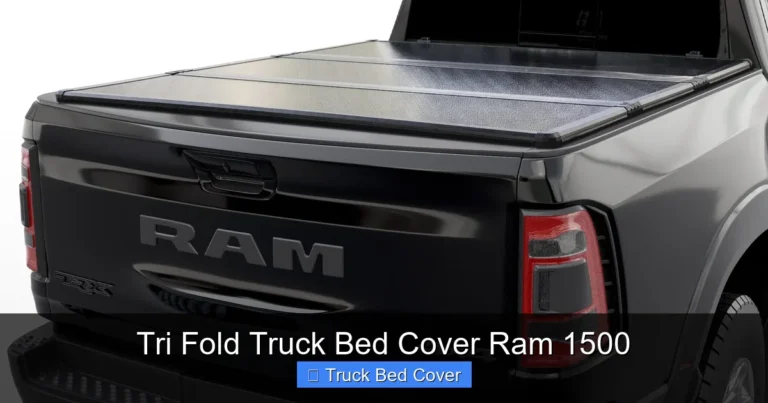
Hard Tri-Fold Covers
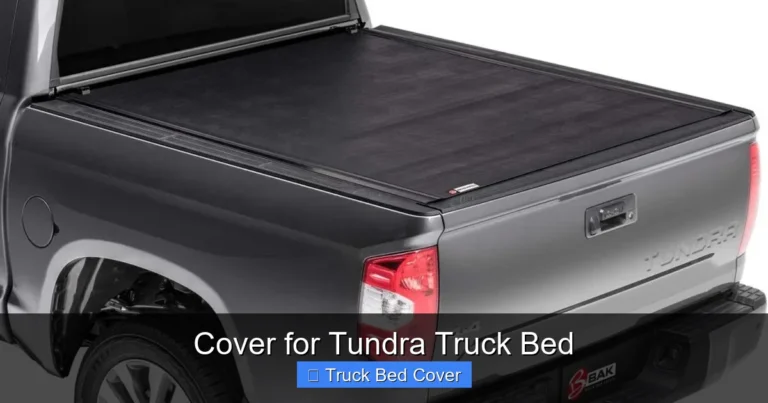
These are made of durable aluminum or fiberglass panels that fold into thirds. They sit flush with the bed rails and often include rubber seals along the edges. Because they completely cover the bed and seal tightly, they minimize air leaks and turbulence.
Fuel Savings: 5–8%
Best For: Daily drivers who want durability and good aerodynamics.
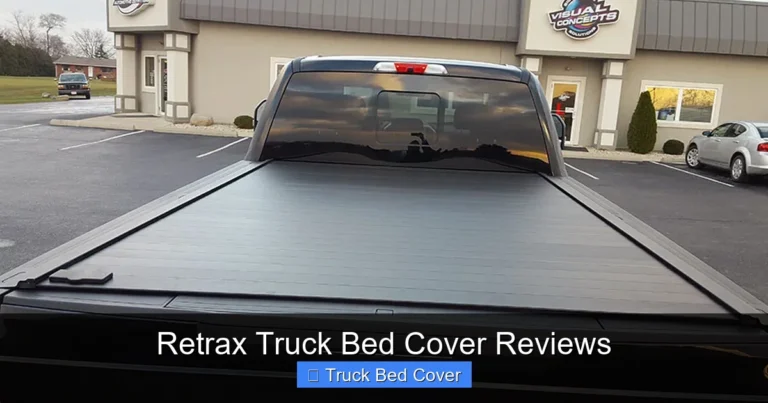
Retractable Hard Covers
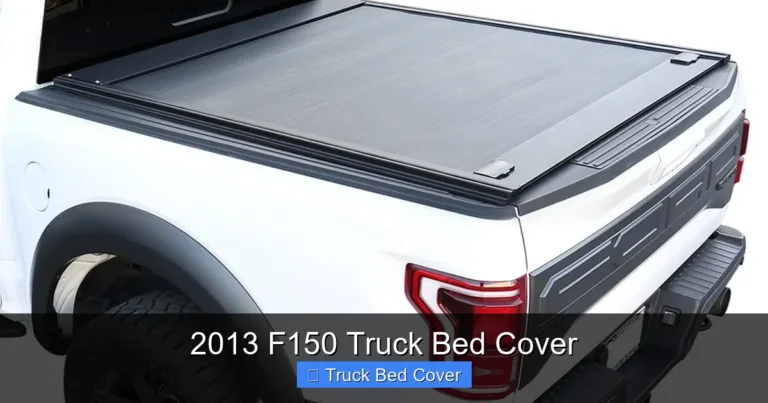
These slide open from the front or rear, allowing full access to the bed while maintaining coverage when closed. They’re sleek, modern, and designed with aerodynamic profiles in mind.
Fuel Savings: 6–10%
Best For: Highway commuters and fleet vehicles needing full bed access.
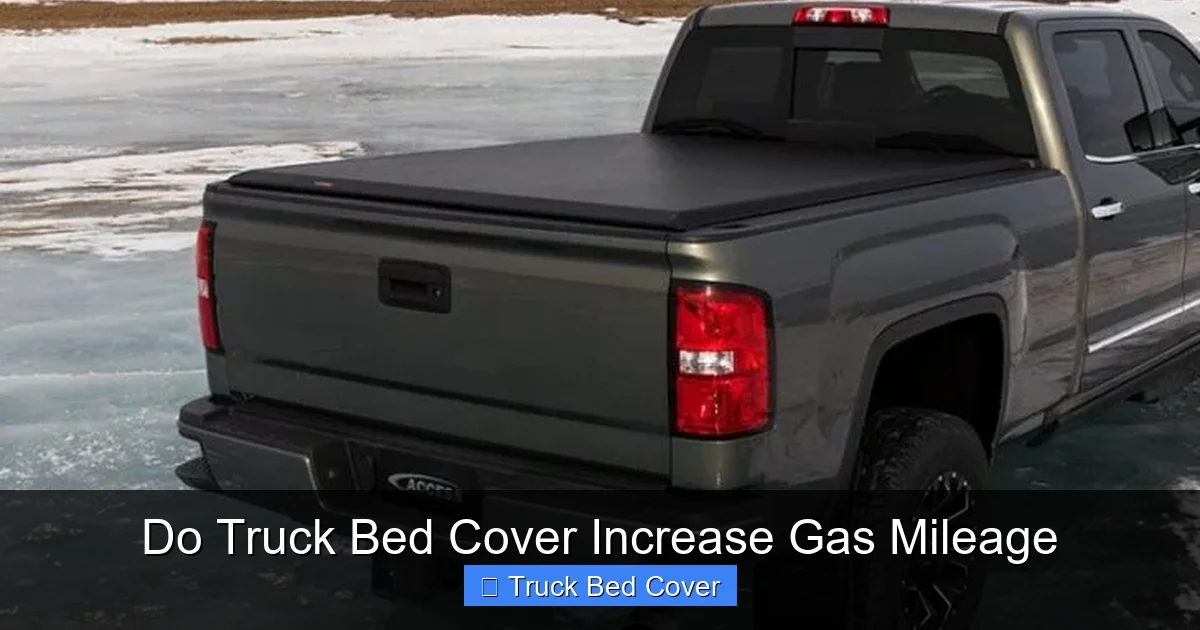
Soft Roll-Up Covers
Made of vinyl or canvas, these unfold and roll up manually. While convenient and affordable, they often leave gaps at the sides and tailgate, letting air sneak through.
Fuel Savings: 2–5%
Best For: Light-duty users or those on a budget.
Tonneau Accessories (Bedsocks, etc.)
These are soft covers that stretch over the bed and attach to the sides. They’re easy to install but don’t always seal well.
Fuel Savings: 1–3%
Best For: Casual users who prioritize simplicity over performance.
When choosing a cover, look for features like:
– Full-width sealing
– Flush mounting
– Low-profile design
– Weather-resistant materials
A cover that sits above the bed rails or leaves gaps will create new drag points. The best designs are engineered specifically for aerodynamics.
Practical Tips to Maximize Fuel Savings with Your Cover
Installing a tonneau cover is only half the battle. To get the most out of your investment, follow these tips:
1. Ensure a Tight Seal
Air leaks defeat the purpose. Make sure the cover fits snugly and all latches and straps are secure. Even a small gap can reduce efficiency by half.
2. Keep the Cover Clean
Dirt, snow, or debris on the cover can disrupt airflow. Regular cleaning maintains smooth surfaces and optimal performance.
3. Use It Consistently
Only using the cover part-time won’t give you consistent savings. For maximum benefit, keep it installed during regular drives.
4. Consider Your Driving Habits
If you mostly drive in cities, the savings are smaller. But if you hit the highway often, the aerodynamic benefits shine through.
5. Pair with Other Efficiency Upgrades
Combine your cover with low-rolling-resistance tires, proper tire pressure, and lightweight cargo to boost overall efficiency.
6. Check for Recalls or Design Flaws
Some older models had sealing issues. Research your specific cover model before purchasing.
Common Myths About Truck Bed Covers and Fuel Economy
There are plenty of misconceptions floating around. Let’s clear them up:
Myth: Any cover will save gas.
Reality: Cheap, poorly fitted covers create more drag than they prevent. Quality matters.
Myth: Only hard covers help.
Reality: Soft covers can help, but not as much. Still, they offer protection and modest gains.
Myth: You’ll save 10–15% every time.
Reality: Most real-world tests show 3–10%. Your mileage (literally) depends on driving conditions.
Myth: It’s only for trucks with racks.
Reality: Racks add drag, so covers are especially useful when racks aren’t in use.
Myth: It doesn’t matter if I carry a bike rack.
Reality: Bike racks increase drag significantly. Use a cover when the rack is removed.
Conclusion: Is a Truck Bed Cover Worth It for Better Gas Mileage?
After reviewing the science, real-world data, and practical advice, the verdict is clear: a truck bed cover can increase gas mileage, and it’s a smart investment for many drivers. While the savings won’t turn your truck into a hybrid, they add up over time—especially for those who drive long distances regularly.
The key is choosing the right cover and using it consistently. A high-quality hard or retractable cover with a tight seal will deliver the best aerodynamic performance and fuel economy gains. Pair it with good driving habits, and you’ll enjoy cleaner air, less wear on your truck, and more money in your pocket.
Beyond fuel savings, covers protect your gear from rain, sun, and theft. They also give your truck a more polished, professional look. So yes—do truck bed covers increase gas mileage? Absolutely. Just don’t expect miracles. But for a relatively low-cost upgrade, the benefits are real, measurable, and worth considering.
Key Takeaways
- Reduced Wind Resistance: A closed bed smooths airflow over the tailgate, cutting drag and improving fuel economy.
- Improved Aerodynamics: Tonneau covers streamline the truck’s profile, especially at highway speeds.
- Real-World Savings: Studies show 3–10% fuel savings depending on cover type, driving style, and truck model.
- Wind Turbulence Minimized: Open beds create chaotic air pockets that increase drag; covers eliminate this issue.
- Added Cargo Protection: Beyond fuel savings, covers protect gear from weather, enhancing long-term value.
- Best for Highway Driving: The most noticeable gains occur during sustained highway travel, not city stop-and-go.
- Choose Wisely: Soft roll-up, hard tri-fold, and retractable covers offer different balance of cost, convenience, and efficiency.
Quick Answers to Common Questions
Do truck bed covers actually improve gas mileage?
Yes, they reduce aerodynamic drag by smoothing airflow over the bed, leading to 3–10% fuel savings, especially at highway speeds.
What type of bed cover saves the most gas?
Retractable and hard tri-fold covers with tight seals offer the best aerodynamics and fuel efficiency gains.
Will a soft roll-up cover help with fuel economy?
It can, but not as much as hard covers—typically 2–5% savings due to air leaks around the edges.
Can I still use a bike rack with a bed cover?
Yes, but remove the cover when the rack is in use, as racks increase drag and reduce fuel savings.
How much does a good bed cover cost?
Prices range from $150 for basic soft covers to $800+ for premium retractables, but the fuel savings can justify the investment.
Frequently Asked Questions
How much gas can a truck bed cover save?
Average savings range from 3% to 10%, depending on cover type, driving conditions, and truck model. Highway driving yields the best results.
Does a tonneau cover affect my truck’s resale value?
Yes, a quality cover can increase resale value by protecting the bed and giving the truck a cleaner appearance.
Can a bed cover help in cold weather?
Absolutely. It keeps snow and ice out of the bed, reducing the need to shovel and improving safety in winter.
Are there any downsides to using a bed cover?
The main downside is added weight and reduced bed accessibility, but modern designs minimize these issues.
Should I buy a bed cover if I rarely drive on highways?
If most of your driving is in the city, the fuel savings are minimal, but the cover still protects your cargo.
Do bed covers work on diesel trucks?
Yes, the aerodynamic principles apply to all truck types, including diesels, which often benefit more from efficiency upgrades.