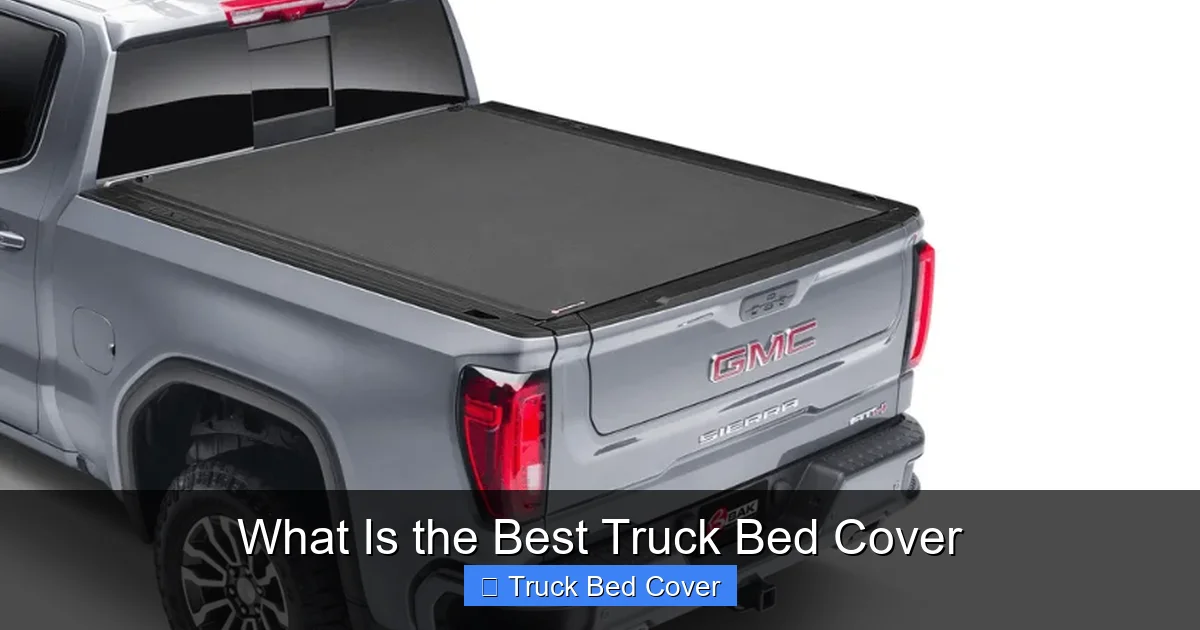
What Is the Best Truck Bed Cover
Choosing the best truck bed cover can transform your pickup’s utility, safety, and appearance. Whether you need weather protection, theft deterrence, or improved aerodynamics, a high-quality tonneau cover delivers unmatched value. We’ll walk you through everything from types and materials to installation tips and top brands so you make an informed decision.
Key Takeaways
- Material matters: Aluminum offers strength and durability, while vinyl is lightweight and affordable. Fiberglass adds a sleek look but can be pricey.
- Security features: Lockable latches, integrated tailgate locks, and reinforced frames help prevent unauthorized access to your cargo.
- Fuel efficiency: A well-fitted tonneau cover reduces drag, improving gas mileage by up to 10% on highway drives.
- Weather resistance: Look for watertight seals and UV-resistant coatings to keep contents dry and protected from sun damage.
- Easy installation: Bolt-on systems are DIY-friendly; roll-up or retractable models require minimal tools and time.
- Budget vs. performance: Higher-end covers last longer and offer better functionality—but entry-level options work well for light use.
- Brand reputation: Trusted names like BakBox, TruXedo, and UnderCover deliver reliable warranties and customer support.
Quick Answers to Common Questions
Which truck bed cover is easiest to install?
Soft roll-up covers are generally the easiest to install, often requiring no drilling and taking under an hour with basic tools.
Can I leave my tonneau cover on in the rain?
Yes! Most high-quality covers are designed to be watertight, keeping your cargo dry during moderate to heavy rainfall.
Do tonneau covers reduce gas mileage?
Absolutely. A well-fitted cover improves aerodynamics, potentially boosting fuel economy by 5–10% on highway driving.
Are hard covers worth the extra cost?
For frequent loading/unloading and added security, yes—hard covers offer superior durability and protection compared to soft options.
Will a tonneau cover fit any truck bed size?
Most covers are vehicle-specific or universal-fit, but exact measurements are crucial—check compatibility charts before purchasing.
📑 Table of Contents
What Is the Best Truck Bed Cover?
If you own a pickup truck, you know how valuable that open bed can be—whether you’re hauling gear, moving furniture, or just carrying everyday essentials. But that same open space also makes your cargo vulnerable to rain, wind, theft, and sun exposure. That’s where a truck bed cover, more commonly called a tonneau cover, comes in. It’s not just about looks (though many do look sharp), it’s about protecting what matters most.
The right cover can mean the difference between arriving dry at your campsite or showing up with soaked camping gear. It can stop someone from rifling through your tools while you’re at work. And it can even save you money at the pump by improving your truck’s aerodynamics. So what exactly makes one tonneau cover stand out from the rest? Let’s dive into the details.
Types of Truck Bed Covers: Which One Fits Your Needs?
Not all tonneau covers are created equal. In fact, there are several types, each designed for different lifestyles, budgets, and vehicle models. Understanding the differences will help you pick the best truck bed cover for your specific situation.
Soft Roll-Up Covers
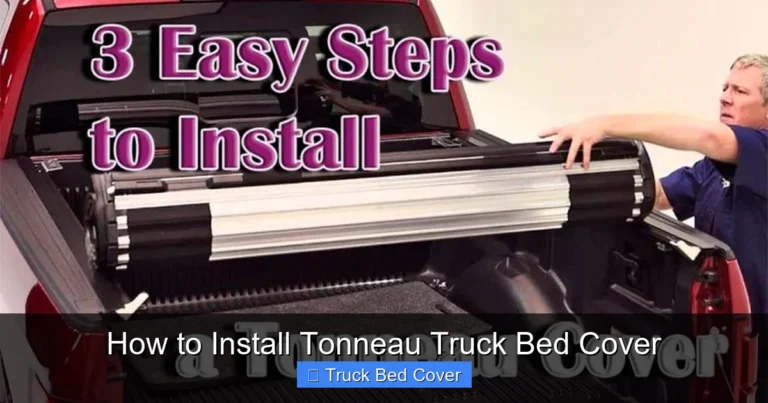
These are among the most popular and affordable options. Made from heavy-duty vinyl stretched over a series of cross rails, soft roll-ups unroll and roll back smoothly along a spring-loaded drum mounted inside the bed. They’re easy to install—usually requiring no drilling—and offer decent water resistance. Brands like TruXedo and BAKFlip make reliable models that last years with proper care.
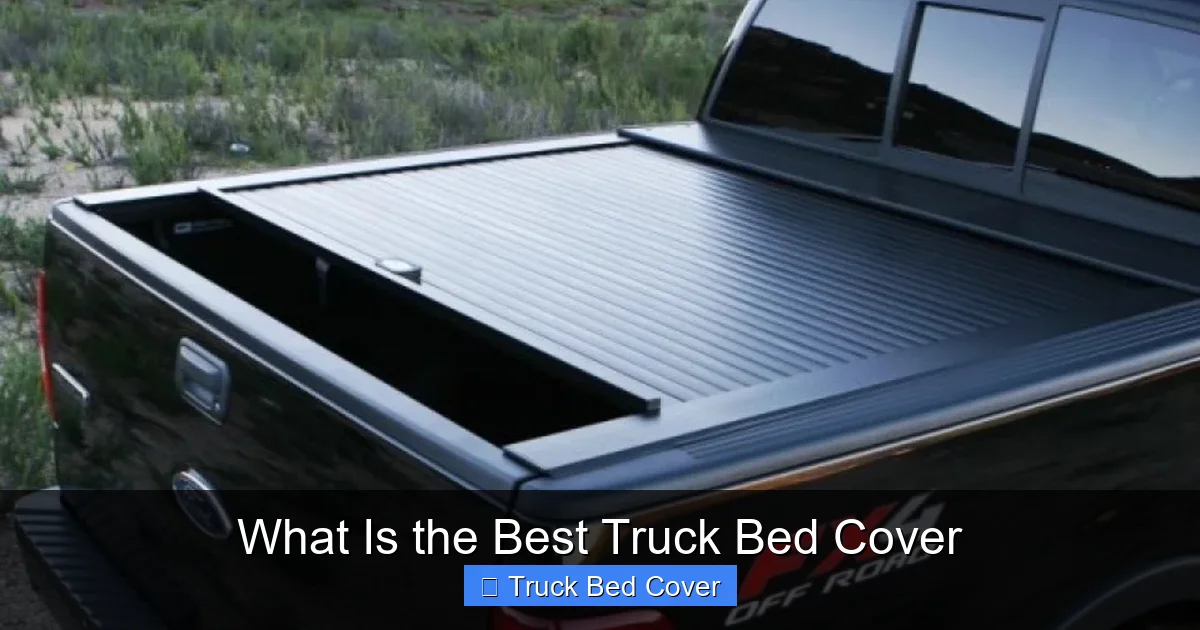
Visual guide about What Is the Best Truck Bed Cover
Image source: mytruckneedsthis.com
A major advantage? You can access your entire bed quickly by rolling the cover to the front. This is great if you frequently load large items or need full bed access without removing the cover. Just keep in mind that exposed rails can allow some dust and moisture in during heavy rain or off-road conditions.
Hard Folding Covers (Tri-Fold)
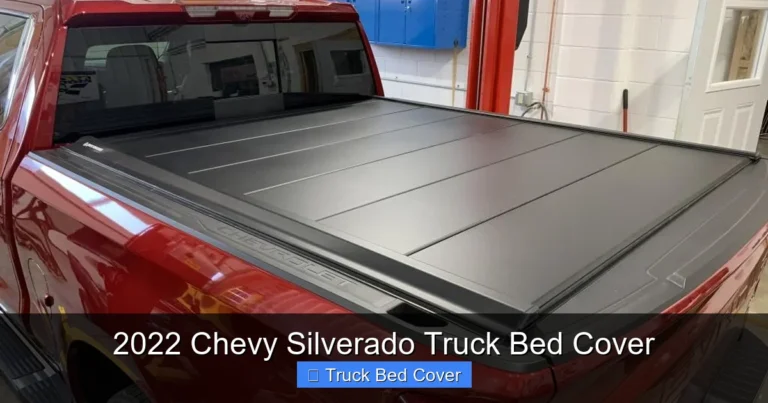
If you want something sturdier than a soft roll-up, consider a tri-fold hard cover. These consist of three rigid panels hinged together, allowing you to fold them back in sections as needed. The BakBox series, for example, uses aerospace-grade aluminum for a lightweight yet strong build.
They offer excellent security since the panels lock in place when closed, and they provide near-total bed coverage when installed. However, folding them repeatedly may wear out hinges over time. Also, accessing the rear of the bed requires unfolding each panel—which takes a few extra seconds compared to a roll-up.
Retractable Hard Covers
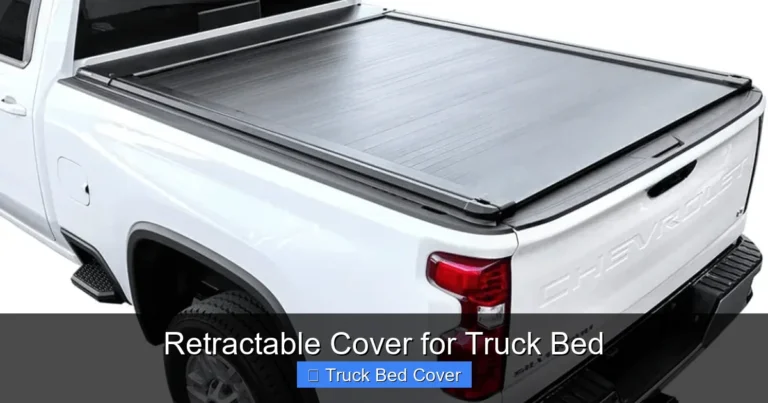
For maximum convenience and protection, retractable covers are hard to beat. These slide open like a garage door, revealing the full bed with one pull. Models from UnderCover or DeerBed feature durable aluminum slats that glide along tracks, offering smooth operation and a flush-mounted look.
Their biggest selling point? Full bed access with zero obstruction. You don’t have to remove or fold anything—just retract the cover and go. They’re ideal for people who drive long distances with sensitive cargo or need frequent bed access without compromising security.
Toolbox-Integrated Covers
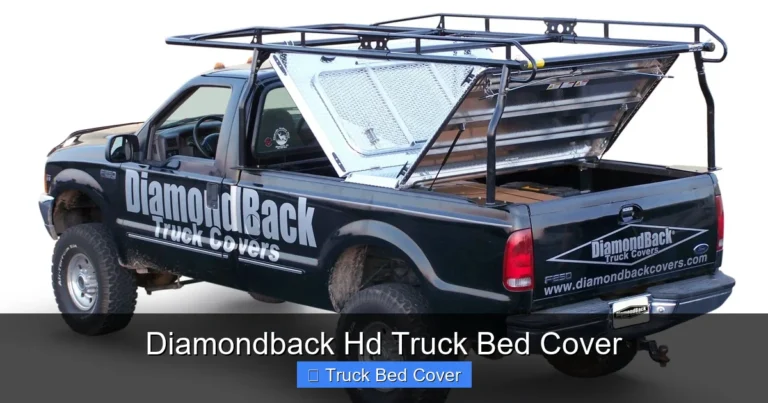
Some drivers prefer combining storage and protection by installing a built-in toolbox under the cover. These hybrid systems eliminate the need for a separate chest and give you secure, lockable storage right in the bed. While heavier and more expensive, they’re perfect for contractors or outdoor enthusiasts who carry power tools regularly.
Materials That Matter: What Are You Really Buying?
The material your tonneau cover is made from plays a huge role in its performance, lifespan, and price. Let’s break down the most common options:
Aluminum
Lightweight, rust-proof, and extremely durable, aluminum is the gold standard for hard covers. It resists dents from dropped items and holds up well in extreme temperatures. The downside? It’s pricier than other materials, but worth it for heavy-duty use.
Fiberglass
Offers a sleek, OEM-like finish and excellent impact resistance. Fiberglass covers tend to be bulkier and heavier than aluminum, though. They’re less flexible in cold weather and can crack if struck hard enough. Still, brands like Leer offer stylish fiberglass models that blend seamlessly with factory beds.
Vinyl
Used primarily in soft covers, vinyl is flexible, affordable, and surprisingly tough. High-quality marine-grade vinyl resists UV rays and tearing. Just avoid cheap versions that yellow or peel after a season or two.
Polycarbonate
Less common but growing in popularity, polycarbonate provides crystal-clear visibility and shatter resistance. Some premium retractable covers use this material for added peace of mind—especially useful if you park in areas with high theft risk.
Top Features to Look For in the Best Truck Bed Cover
Not every cover is built the same. When shopping for the best truck bed cover, keep an eye out for these key features:
Watertight Sealing System
Even the flimsiest-looking cover can leak if the seals aren’t tight. Look for multi-directional rubber gaskets that run along the sides and rails. Double-check reviews mentioning “no leaks” after heavy rainstorms.
Locking Mechanism
A simple latch isn’t always enough. Top-tier covers come with dual-locking systems—one at the cab end and another near the tailgate—plus optional tailgate locks. Some even integrate with your truck’s existing key fob system.
Low Profile Design
A cover that sits too high creates drag and affects ground clearance. The best truck bed covers are engineered to sit within the bed rails or flush with the cab roof, maintaining your truck’s original silhouette and aerodynamics.
UV Protection
Prolonged sun exposure degrades vinyl and plastic components. Premium covers include UV inhibitors in their materials to prevent fading, cracking, and brittleness over time.
Compatibility & Fitment
Measure your bed carefully—length, width, and whether you have rail holes already drilled. Universal-fit covers exist, but vehicle-specific designs ensure a snug, professional installation without gaps or misalignment.
Installation Tips: Do It Yourself or Hire a Pro?
Most tonneau covers claim “easy bolt-on installation” in under an hour. And for basic models—especially soft roll-ups—this is often true. Here’s how to decide whether to tackle it yourself:
DIY Installation Pros:
- Saves $50–$150 in labor fees
- You control quality and alignment
- Great confidence booster!
When to Call a Professional:
- Your truck has custom bed liners or spray-on coatings
- You’re installing a retractable or folding hard cover (more complex)
- You lack tools like torque wrenches or impact drivers
Pro tip: Watch detailed YouTube tutorials before starting. Many brands post step-by-step videos showing real-world installations. And always double-check fitment specs—some newer trucks require adapter kits.
Maintenance & Longevity: Keep Your Cover Working Like New
A good tonneau cover should last 5–10 years with proper care. Here’s how to extend its life:
Clean Regularly
Wipe down the surface monthly with mild soap and water. Avoid harsh chemicals that strip protective coatings. For stubborn grime, use a soft-bristle brush.
Lubricate Moving Parts
Apply silicone-based lubricant to rollers, latches, and hinges every 6 months. Never use oil-based lubes—they attract dirt and gum up mechanisms.
Store Properly in Winter
If you live in snowy climates, fully retract or remove the cover during winter to prevent ice buildup and potential damage from heavy snowfall.
Inspect for Wear
Check seals annually for cracks or compression loss. Replace worn gaskets immediately to maintain waterproof integrity.
By following these simple steps, your best truck bed cover will continue performing reliably year after year.
Frequently Asked Questions
What is the best truck bed cover for fuel efficiency?
A low-profile, aerodynamic tonneau cover—especially a retractable or tri-fold hard cover—can improve fuel economy by reducing drag. Look for models designed to sit flush with the cab for optimal airflow.
How much does a good tonneau cover cost?
Prices range from $150 for basic soft roll-ups to over $1,000 for premium retractable hard covers. Mid-range options ($400–$700) often offer the best balance of features, durability, and value.
Can I install a tonneau cover myself?
Yes! Most bolt-on covers are DIY-friendly, especially soft roll-ups. Follow manufacturer instructions, use proper tools, and watch tutorial videos to ensure a secure, leak-free fit.
Do tonneau covers prevent theft?
They significantly deter casual thieves by hiding contents from view and adding physical barriers. Pair your cover with a lockable tailgate and consider additional security measures like motion-sensor lights.
Will a tonneau cover damage my truck bed?
No—when installed correctly using included hardware, tonneau covers don’t scratch or dent factory bed finishes. Always use protective pads under clamps and avoid overtightening bolts.
Are soft or hard covers better for cold weather?
Hard covers generally perform better in freezing temps—they resist flexing, cracking, and ice accumulation. Soft covers can stiffen and lose elasticity in sub-zero conditions.