Diy Tarp Truck Bed Cover
A DIY tarp truck bed cover is an affordable, customizable solution for protecting your cargo from rain, snow, and dirt. With just a few materials and basic tools, you can create a secure, breathable cover that fits your truck perfectly. Whether you’re hauling gear, groceries, or tools, this project saves you money compared to expensive commercial covers.
Have you ever loaded up your truck with camping gear, lumber, or furniture, only to find it soaked after a sudden rainstorm? Or worse—your belongings scattered across the driveway because the bed cover blew off? If so, you’re not alone. Truck owners across the country face this same frustration every time they hit the road. Enter the DIY tarp truck bed cover: a practical, budget-friendly alternative to expensive commercial covers. With a little creativity and some basic materials, you can build a custom cover that keeps your cargo dry, secure, and protected from the elements. In this guide, we’ll walk you through everything you need to know—from choosing the right tarp to installation tips—so you can make a cover that works like a pro.
Why go DIY when there are so many pre-made truck bed covers on the market? The answer lies in flexibility and savings. Commercial covers often come in standard sizes that don’t fit all trucks, especially older models or lifted rigs. They may also lack features you actually need—like reinforced corners or quick-release systems. On the other hand, a DIY tarp truck bed cover lets you design exactly what you want: durable fabric, perfect sizing, and attachment methods that suit your driving style. Plus, the total cost rarely exceeds $50, making it a smart investment for anyone who uses their truck regularly.
Key Takeaways
- Understanding diy tarp truck bed cover: Provides essential knowledge
Quick Answers to Common Questions
Can I use any type of tarp for my truck bed?
No, avoid thin vinyl or low-grade plastic tarps. Opt for thick polyethylene (10 mil or more) with UV treatment for durability and weather resistance.
How do I keep the tarp from blowing off in strong winds?
Use multiple anchor points, add weighted edges, and secure the front with poles or sandbags. Ensure the tarp is taut but not overly stretched.
Is it safe to drive with a tarp covering my bed?
Yes, as long as the cover is securely fastened and doesn’t obstruct rearview visibility. Always double-check straps before hitting the highway.
How often should I replace my tarp?
Every 2–5 years depending on usage and sun exposure. Look for brittleness, fading, or holes—signs it’s time for a new one.
Can I make the cover removable?
Absolutely. Design it with quick-release straps or magnetic closures so you can remove it when not needed.
📑 Table of Contents
What Is a DIY Tarp Truck Bed Cover?
At its core, a DIY tarp truck bed cover is simply a waterproof sheet stretched over your truck bed and secured at the sides and tailgate. Unlike rigid tonneau covers or hard shells, it’s lightweight, foldable, and doesn’t require permanent installation. Think of it as a flexible, washable version of a canvas canopy. Most people use heavy-duty polyethylene tarps, which are tough, water-resistant, and surprisingly affordable. When combined with strong bungee cords, ratchet straps, or even homemade clips, these tarps form a snug, weatherproof seal that protects your load from rain, dust, and sun exposure.
The beauty of this setup is its simplicity. No welding, no complicated brackets—just stretch, clip, and go. And because it’s modular, you can upgrade individual parts as needed. Want more ventilation? Add mesh panels. Need extra height for tall items? Use adjustable poles. The DIY approach means you’re never stuck with something that doesn’t quite fit or function as expected.
Benefits of Choosing a DIY Approach
Going the DIY route isn’t just about cutting costs—it’s about control. Here’s why more truck owners are opting for custom tarp covers:
- Tailored Fit: Measure your bed precisely and cut or fold the tarp to match. No more guessing or modifying ill-fitting covers.
- Portability: Lightweight tarps roll up small enough to store in your cab or trunk when not in use.
- Quick Setup: Spend minutes instead of hours assembling complex hardware.
- Eco-Friendly: Reuse old sheets, repurpose materials, and reduce plastic waste from disposable covers.
- Skill Development: Learn basic sewing, measuring, and knot-tying skills that come in handy around the garage.
Of course, there are trade-offs. A DIY cover won’t look as polished as a factory-installed tonneau, and it may not offer the same level of theft deterrence. But for most everyday drivers—campers, contractors, weekend warriors—the benefits far outweigh the drawbacks.
Choosing the Right Materials
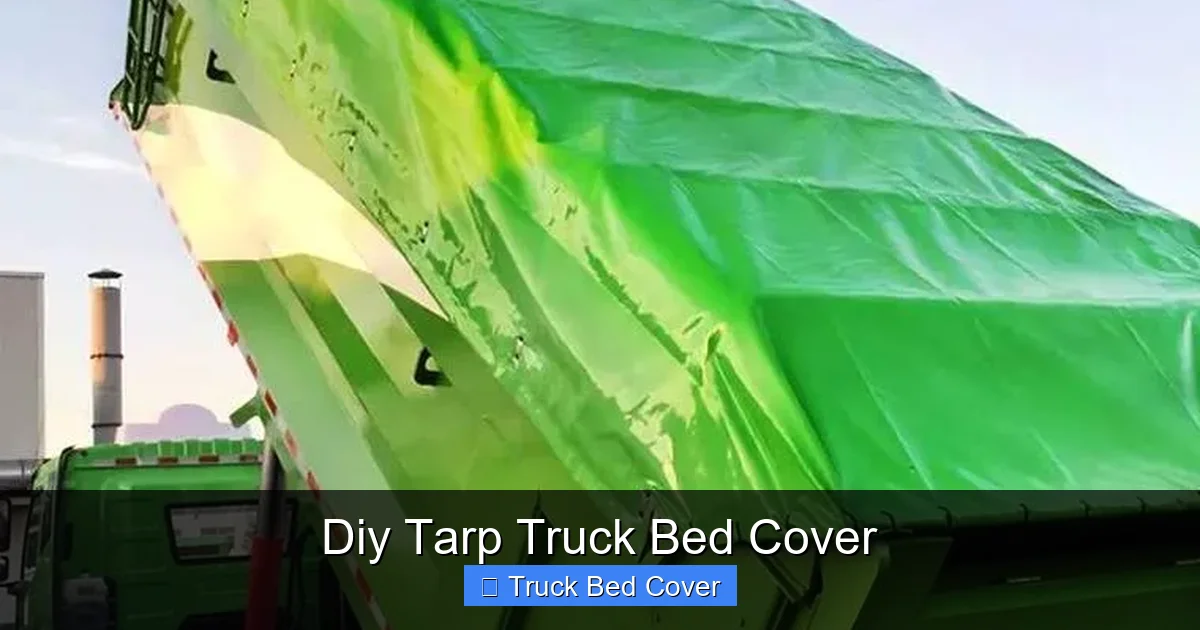
Visual guide about Diy Tarp Truck Bed Cover
Image source: made-tent.com
Not all tarps are created equal. The success of your DIY tarp truck bed cover hinges on picking the right kind of material. Start by looking for polyethylene (PE) tarps rated 10 mil or thicker. These are thick enough to handle rough handling but still flexible. Avoid thin vinyl tarps—they tear easily and degrade quickly in sunlight. Look for UV-treated tarps if you live in a sunny climate; otherwise, consider adding a UV-resistant spray later.
Next, think about attachments. Bungee cords are cheap and effective for light loads, but they can snap under tension. Ratchet straps provide stronger hold-downs and are ideal for heavy or bulky cargo. For a more permanent feel, explore options like D-rings sewn into the tarp edges or magnetic snaps along the sides. Don’t forget corner grommets—sturdy metal rings sewn into each corner prevent tearing when pulling tight.
If you want added durability, consider reinforcing high-stress areas with ripstop nylon patches or adding double stitching along seams. Some DIYers even line the underside with reflective material to improve visibility at night.
Recommended Supplies List
Before you head to the store, gather these essentials:
- Heavy-duty polyethylene tarp (at least 10′ x 16′ for most full-size trucks)
- Metal grommets and installation tool
- Bungee cords or ratchet straps (length depends on bed width)
- Sewing machine or heavy-duty needle/thread (for custom repairs)
- Measuring tape and marker
- Scissors or utility knife
- Optional: Duct tape, zip ties, or Velcro strips for extra security
Buying in bulk or repurposing old tarps from moving boxes or construction sites can further cut costs. Just make sure they’re clean and free of holes before using them.
Step-by-Step Construction Guide
Building your own DIY tarp truck bed cover doesn’t require advanced carpentry—just patience and precision. Follow these steps to create a reliable, long-lasting system:
Step 1: Measure Your Truck Bed
Start by measuring the length, width, and height of your bed from bumper to tailgate. Add 12–18 inches to the length to allow for overlap and tie-down points. Note whether your bed has rails, stakes, or a camper shell—this affects how you’ll anchor the tarp.
Step 2: Cut or Fold the Tarp
Most tarps come in standard rolls. Lay it out flat and mark your measurements. Use a straightedge and sharp utility knife to trim excess material. If you’re not cutting, simply fold the edges inward for a cleaner look and easier tying.
Step 3: Install Grommets
Sew or staple a grommet into each corner and every 12–18 inches along the perimeter. This prevents fraying and gives you secure points for straps. Pro tip: Space them evenly but leave room near corners to avoid weak spots.
Step 4: Create Attachment Points
Attach bungee cords, ratchet straps, or rope loops at each grommet. For extra stability, add side flaps that drape over the truck rails. These act like makeshift pockets when cinched down.
Step 5: Test the Fit
Lay the tarp over your empty bed and adjust as needed. Make sure there’s enough slack to cover tall items but no excess that flaps in the wind. Mark any adjustments before finalizing.
Once assembled, your cover should look like a tailored blanket draped over your truck—snug, professional, and ready for action.
Installation Tips for Maximum Security
Even the best-designed DIY tarp truck bed cover can fail if installed improperly. Wind, heavy loads, and rough roads demand reliability. Here’s how to lock it down:
Use Multiple Anchor Points
Don’t rely on just four corners. Spread out your straps across the entire perimeter. Full-size trucks benefit from eight or more tie-down points for balanced tension.
Prevent Flapping with Weights or Poles
Wind is the enemy of loose covers. Add sandbags, rocks, or telescoping fiberglass poles along the front edge to weigh it down. Alternatively, use inflatable rafts or foam blocks to fill gaps.
Cinch Down Evenly
Pull each strap gradually until taut—but not so tight that the tarp wrinkles or strains. Over-tightening can tear grommets or warp your truck bed.
Check Before Every Trip
Secure loads properly inside the bed. Unstable cargo shifts weight and loosens the cover. Use wooden stakes, cargo nets, or bungee cords inside to keep things in place.
For added peace of mind, consider adding a secondary layer—like a fitted tarp liner—underneath to catch drips or debris.
Maintenance and Longevity
Like any outdoor equipment, your DIY tarp truck bed cover needs care to last years. After each use, rinse off salt, mud, or chemical residue with fresh water. Let it air-dry completely before storing to prevent mold. Inspect grommets and seams monthly for wear—replace anything cracked or frayed immediately.
Avoid dragging the tarp on rough surfaces, which wears out the surface faster. Store it rolled with silica gel packets to absorb moisture. If the tarp loses its luster or becomes brittle, apply a silicone-based waterproofing spray to restore flexibility.
With proper maintenance, a quality tarp can serve you well through multiple seasons—even if you flip it periodically to even out sun exposure.
Creative Customization Ideas
One of the joys of DIY projects is personalization. Turn your basic tarp into a feature that reflects your style and needs:
Add Side Panels
Cut and sew vertical flaps from leftover tarp material. Attach them with snaps or Velcro so you can open them for loading tall items like ladders or pipes.
Integrate a Roll-Up Front
Instead of a fixed flap, attach a section of tarp with grommets that rolls up using a pole or cable. Great for quick access without unstrapping the whole cover.
Include Built-In Storage Pockets
Stitch mesh pouches onto the underside for gloves, flashlights, or emergency kits. Keeps essentials within reach but out of sight.
Paint or Decorate (Carefully!)
Use fade-resistant fabric paint to add logos, patterns, or reflective stripes. Just test a small area first—some dyes bleed when wet.
These tweaks transform a simple cover into a functional extension of your truck’s utility.
When Not to Use a Tarp Cover
While versatile, a DIY tarp truck bed cover isn’t always the best choice. Avoid using it for:
- High-value cargo: Thieves can easily cut through tarp fabric.
- Extreme off-roading: Rugged terrain demands rigid protection like a hardtop.
- Long-term storage: Tarps trap moisture, risking rust on metal beds.
- Regulated freight: Some transport rules require sealed enclosures.
In those cases, consider upgrading to a semi-rigid roll-up cover or investing in a full tonneau. But for daily errands, tailgating, or light work duties, your DIY tarp will perform admirably.
Frequently Asked Questions
What size tarp do I need for my truck bed?
Measure your bed’s length and width, then add 12–18 inches for overlap. For example, a 6.5-foot bed needs a 10′ x 7′ tarp minimum.
Do I need special tools to install a DIY tarp cover?
Basic tools like scissors, a hammer, and a tape measure are sufficient. Sewing machines help for custom modifications.
Will a tarp cover protect my cargo from rain?
Yes, if properly sealed at the edges. Use waterproof tarps and secure all straps tightly to prevent water intrusion.
Can I wash my tarp cover?
Yes, hose it down with mild soap and let it air dry. Avoid harsh chemicals that strip waterproof coatings.
Is a tarp cover better than a soft tonneau cover?
Tarps are cheaper and more flexible, but tonneaus offer better security and aerodynamics. Choose based on your priorities.
How do I repair a torn tarp?
Patch small holes with duct tape or fabric patches. For larger rips, use a seam ripper and reinforce with heavy-duty thread.