Truck Bed Roll Cover
A truck bed roll cover is a flexible, easy-to-use accessory that secures your cargo while protecting it from weather, theft, and wear. It’s perfect for hauling everything from tools to groceries, offering convenience without sacrificing security. With simple installation and strong materials, a roll cover is a smart upgrade for any truck owner.
Key Takeaways
- What is a roll cover? A roll cover is a retractable, vinyl-covered fabric canopy that rolls up from the front of your truck bed, providing instant protection.
- Easy installation: Most roll covers bolt directly into existing stake holes—no drilling required—making setup quick and damage-free.
- Weather & theft protection: Keeps rain, snow, sun, and dust off cargo while deterring would-be thieves.
- Versatile use: Ideal for contractors, farmers, campers, and everyday drivers who need secure, covered storage.
- Low maintenance: Durable materials resist UV rays, mold, and mildew—just wipe clean and store when not in use.
- Cost-effective: More affordable than hard or soft tonneau covers, with similar protection and added flexibility.
Quick Answers to Common Questions
Can a roll cover hold weight on top?
Yes, most roll covers can support up to 500 lbs of evenly distributed weight. However, avoid standing on it or placing uneven loads to prevent damage.
Will a roll cover fit my truck?
Most roll covers are designed for specific truck makes and models. Check the manufacturer’s fit guide using your vehicle details before purchasing.
Do roll covers leak?
High-quality roll covers with proper seals and custom fit rarely leak. Always choose a reputable brand and inspect the tailgate gasket during installation.
Can I wash my truck with the cover on?
It’s safe to hose off your truck with the cover installed—just avoid direct high-pressure streams at the seams or latches. Wait 24 hours before rolling it up.
How long do roll covers last?
With proper care, a well-made roll cover lasts 5–10 years. Factors like material quality, climate, and usage frequency affect longevity.
📑 Table of Contents
- Introduction: Why Every Truck Needs a Roll Cover
- What Is a Truck Bed Roll Cover?
- Benefits of Installing a Roll Cover
- Types of Roll Covers: Which One’s Right for You?
- How to Choose the Best Roll Cover for Your Truck
- Installation Tips: Do It Yourself Like a Pro
- Maintenance and Care: Keep It Rolling Smoothly
- Real-World Applications: Who Uses Roll Covers?
Introduction: Why Every Truck Needs a Roll Cover
Imagine loading up your truck with fresh produce, camping gear, or construction tools—only to watch it get soaked by sudden rain or pelted by dirt on a dusty job site. Frustrating, right? That’s where a truck bed roll cover comes in like a trusty sidekick. Unlike bulky hard covers or fixed soft tonneaus, a roll cover is lightweight, retractable, and rolls back in seconds. It’s the perfect middle ground between open access and full enclosure.
Whether you’re a weekend warrior, a tradesperson, or someone who just wants their gear protected, a roll cover offers unmatched flexibility. You can leave it fully extended for maximum coverage, partially rolled up for ventilation, or completely retracted when you need full bed access. And the best part? It installs in under an hour without permanent modifications. In this guide, we’ll walk you through everything you need to know—from choosing the right model to maintaining your new cover like a pro.
What Is a Truck Bed Roll Cover?
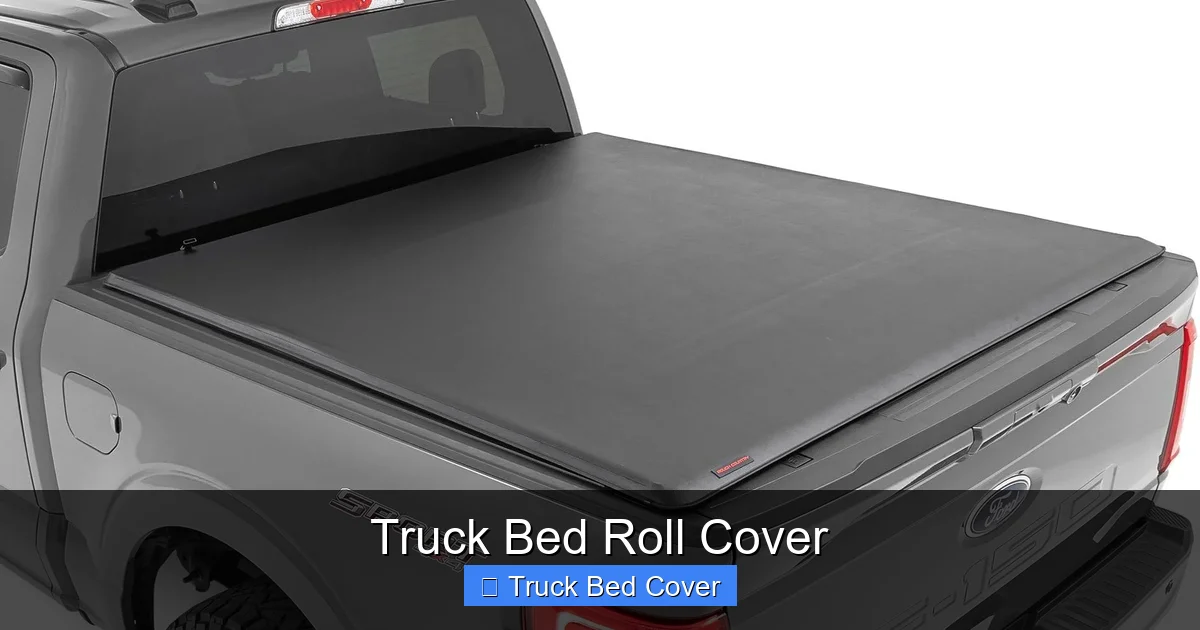
A truck bed roll cover, often called a retractable tonneau cover, is a type of bed cover made from heavy-duty vinyl fabric stretched over a series of aluminum slats. These slats are connected by hinges and run the length of the truck bed. At the front, there’s a spring-loaded roller mechanism that allows the cover to roll up tightly against the cab when you want open access.
Visual guide about Truck Bed Roll Cover
Image source: m.media-amazon.com
How Does It Work?
When you pull the cover forward, the fabric unfolds smoothly across the bed. Once fully extended, it locks into place at the tailgate with a simple latch. To retract it, just unlatch and let the spring mechanism do the work—rolling the cover back automatically. This design keeps the cover neat, tight, and out of the way when not needed.
Materials Matter
Most roll covers use marine-grade vinyl because it resists fading, cracking, and water absorption. The frame is typically powder-coated aluminum for rust resistance and durability. Some premium models include reinforced stitching and UV-treated fabrics to extend lifespan even further.
Benefits of Installing a Roll Cover
If you’re thinking, “Why bother with another cover?”—let’s talk about what makes roll covers stand out from the crowd.
1. Maximum Protection Without Compromise
Your truck bed isn’t meant to be a swimming pool or a desert oven. A roll cover shields your belongings from rain, snow, sleet, and harsh sunlight. That means less mold on camping equipment, dry tools after a storm, and cooler interiors in summer. Plus, the taut fabric prevents shifting during transit, reducing wear on both cargo and your truck bed.
2. Enhanced Security
Thieves love unattended trucks with open beds—it’s like leaving the trunk unlocked. A roll cover adds a visible deterrent. Even if someone tries to cut through it, most models have reinforced edges and tough materials that make tampering time-consuming and noticeable. For high-value loads like laptops or power tools, this peace of mind is priceless.
3. Easy Access & Flexibility
Unlike fixed covers, you don’t have to remove anything to load large items. Need to haul a kayak or ladder? Just roll it back. Want full visibility? Keep it retracted. This adaptability makes roll covers ideal for unpredictable work schedules or outdoor adventures.
4. Improved Fuel Efficiency
Studies show that properly sealed truck beds reduce drag slightly, which can improve gas mileage by up to 8%. While not a major boost, every drop counts—especially for long-haul drivers or fleet owners.
5. No Permanent Modifications
Many roll covers install using existing stake holes—no welding, drilling, or cutting required. This preserves your truck’s value and makes removal easy if you sell or switch models.
Types of Roll Covers: Which One’s Right for You?
Not all roll covers are created equal. Choosing the wrong one can lead to leaks, poor fit, or early failure. Let’s break down the main types so you can pick wisely.
Standard Roll Covers
The most common type, standard roll covers feature a single-piece vinyl flap that rolls over the top of the bed rails. They’re affordable, reliable, and work well on most mid-size trucks. Brands like TonnoPro and BAK offer excellent options in this category.
Tri-Fold vs. Roll-Up: Understanding the Difference
Wait—isn’t a roll cover the same as a tri-fold? Not quite! Tri-folds fold into three sections; roll-ups (or roll covers) roll into a compact tube. Tri-folds are easier to handle for small items, but roll covers offer smoother operation and better sealing at the tailgate.
Soft vs. Hard Roll Covers
While most roll covers are soft (vinyl-only), some hybrid models combine soft fabric with rigid panels for extra rigidity. These are heavier but offer better structural support—ideal for frequent use or rough terrain.
Universal vs. Custom Fit
Universal fits may work, but they often sag or leak. Custom-fit roll covers are tailored to your exact truck make, model, and year. They include precise gaskets and seals, ensuring a watertight fit every time. Worth the extra cost? Absolutely—for long-term performance.
How to Choose the Best Roll Cover for Your Truck
Shopping for a roll cover can feel overwhelming. Here’s a step-by-step guide to help you decide.
Step 1: Measure Your Truck Bed
Know your bed length (short, standard, long), width, and whether you have rail caps or bare rails. Accurate measurements prevent returns and ensure compatibility.
Step 2: Consider Your Climate
Live in a rainy area? Look for models with reinforced seams and waterproof zippers. Live in the desert? UV-resistant fabric is non-negotiable. Cold climates demand materials that won’t crack in freezing temps.
Step 3: Think About Usage Frequency
Occasional use? A basic model will do. Daily driver or contractor? Invest in a heavy-duty version with reinforced handles and stronger springs.
Step 4: Check Installation Requirements
Does it require tools? Can you install it yourself? Read reviews about ease of setup—some brands claim “drill-free,” but real-world feedback matters more.
Step 5: Budget Smartly
Expect to pay $200–$600 depending on quality. Avoid ultra-cheap options ($100 or less)—they often fail within months. Mid-range ($300–$450) usually offer the best balance of price and performance.
Installation Tips: Do It Yourself Like a Pro
Don’t hire a mechanic for this! Installing a roll cover takes under an hour and requires only basic tools.
Gather Your Tools
You’ll need a socket wrench, screwdriver, measuring tape, and a friend (optional but helpful). Most kits come with hardware, so double-check before starting.
Prepare the Truck Bed
Clean the bed rails thoroughly. Remove any debris or old sealant that might interfere with the cover’s seal.
Mount the Rails
Attach the side rails to the stake pockets using provided bolts. Tighten evenly but don’t overtighten—this can warp the metal.
Install the Roller Assembly
Secure the front roller bracket near the cab. Make sure it’s level and aligned with the rails.
Stretch and Attach the Fabric
Unroll the cover and slide it onto the rails. Pull it taut toward the tailgate and attach the rear latch. Test the roll function gently first—then full extension.
Final Checks
Ensure the cover seals tightly at the tailgate and doesn’t sag in the center. Adjust tension if needed. Water test (light spray) confirms no leaks.
Maintenance and Care: Keep It Rolling Smoothly
A roll cover lasts longer when cared for properly. Here’s how to maintain yours.
Clean Regularly
Wipe down with mild soap and water monthly. Avoid harsh chemicals that degrade vinyl. Dry completely before rolling up.
Lubricate Moving Parts
Apply silicone spray to rollers and hinges twice a year. Never use oil-based lubricants—they attract dirt and cause buildup.
Inspect for Damage
Check for tears, fraying, or loose bolts quarterly. Replace damaged parts immediately to prevent bigger issues.
Store Properly When Retracted
If stored outside, cover the retracted roll with a breathable cloth to protect from UV and moisture.
Avoid Sharp Objects
Never drag heavy tools across the surface. Use a tarp underneath sharp loads to prevent punctures.
Real-World Applications: Who Uses Roll Covers?
Roll covers aren’t just for truck enthusiasts—they’re used by professionals and hobbyists alike.
Contractors & Tradespeople
Electricians, plumbers, and landscapers rely on roll covers to keep equipment dry during jobs. No more returning home with soaked wrenches!
Farmers & Ranchers
Hay, feed, and seed stay protected from morning dew and afternoon showers. The retractable design also allows quick unloading at market.
Outdoor Enthusiasts
Camping, fishing, or hunting trips demand weatherproof storage. Roll covers keep coolers, gear bags, and electronics safe from elements.
Everyday Drivers
Even casual owners benefit from covered beds. Groceries stay clean, dog toys don’t blow away, and valuables are less visible to opportunists.
Frequently Asked Questions
Are roll covers worth it?
Absolutely. They offer weather protection, security, and flexibility at a lower cost than hard covers. For most truck owners, the benefits far outweigh the investment.
Can I install a roll cover myself?
Yes, most roll covers are designed for DIY installation using basic tools. Follow the manual closely, and enlist a friend for heavy lifting.
Do roll covers affect fuel economy?
Yes, a securely fitted roll cover reduces wind resistance slightly, potentially improving fuel efficiency by 3–8%, especially at highway speeds.
Can I leave my roll cover rolled back permanently?
While possible, it’s not recommended. Constant exposure to sun and rain weakens vinyl over time. Roll it back only when needed.
What’s the difference between a roll-up and a tri-fold cover?
A roll-up (or roll cover) unfolds and rolls into a tube; a tri-fold folds into three rigid sections. Roll-ups offer smoother operation and better sealing.
How do I fix a sagging roll cover?
Sagging usually comes from loose rails or improper tension. Tighten mounting bolts and adjust the rear latch to pull the fabric taut. Replace worn springs if necessary.