Truck Bed Rails with Tonneau Cover
Truck bed rails with a tonneau cover are a game-changer for truck owners who want both style and function. These setups combine sturdy side rails with a secure top cover to protect your cargo from rain, snow, theft, and wear. Whether you’re hauling gear, groceries, or tools, this combo offers unmatched convenience and durability. Plus, they’re easy to install and enhance your truck’s look. In this guide, we’ll walk you through everything—types, benefits, installation tips, and which setup is right for your needs. Get ready to transform your truck bed into a powerful, protected workspace.
Key Takeaways
- Enhanced Security: Truck bed rails with a tonneau cover create a sealed, lockable space that deters theft and keeps valuables safe.
- Weather Protection: The cover shields cargo from rain, snow, dust, and UV rays, keeping items dry and in good condition.
- Improved Aerodynamics: A streamlined tonneau cover reduces wind resistance, boosting fuel efficiency by up to 10% on long drives.
- Versatile Storage: Bed rails provide extra tie-down points and mounting options, ideal for bikes, coolers, and camping gear.
- Aesthetic Appeal: Modern designs blend seamlessly with your truck’s look, adding a clean, professional appearance.
- Easy Access & Maintenance: Most models feature quick-release systems and simple cleaning routines for hassle-free use.
- Customizable Options: From roll-up to hard folding covers, choose a system that fits your driving style, climate, and budget.
Quick Answers to Common Questions
Can I install bed rails myself?
Yes! Most truck bed rail and tonneau cover kits are designed for DIY installation. With basic tools and clear instructions, you can complete the job in 2–4 hours. Just follow the manual carefully and double-check measurements before drilling.
Do bed rails damage my truck bed?
No, when installed correctly, bed rails attach to existing bolt holes and don’t require cutting or modifying the bed. They’re engineered to be non-invasive and reversible in many cases, preserving your truck’s original structure.
Will a tonneau cover improve my gas mileage?
Absolutely. A smooth, aerodynamic tonneau cover reduces wind resistance. Studies show improvements of up to 10% in fuel efficiency, especially at highway speeds. Over time, that adds up to significant savings.
Are tonneau covers waterproof?
Most high-quality tonneau covers are highly water-resistant and designed to shed rain effectively. However, no cover is 100% waterproof at the seams or over extended periods of heavy rain. Proper sealing and maintenance minimize leaks.
Can I still use my truck bed without the cover?
Yes, most systems allow you to open or remove the cover completely while keeping the rails installed. This gives you full bed access when needed, whether for large items or tailgate activities.
📑 Table of Contents
- Why Combine Truck Bed Rails with a Tonneau Cover?
- How Do Truck Bed Rails Work?
- The Role of the Tonneau Cover
- Top Benefits of Using Bed Rails with a Tonneau Cover
- Choosing the Right System for Your Needs
- Installation Tips & Maintenance
- Popular Brands & Models to Consider
- Final Thoughts: Is It Worth It?
Why Combine Truck Bed Rails with a Tonneau Cover?
If you’re serious about protecting your truck bed—and your stuff—you need more than just a basic cover. That’s where truck bed rails with tonneau cover come in. This dynamic duo doesn’t just look good; it delivers real-world performance. Think of it like adding a roof and side walls to your truck bed: the rails form the frame, and the tonneau cover becomes the lid. Together, they create a fully enclosed space that’s tough, functional, and stylish.
Let’s say you’re a weekend warrior heading off-road, a contractor hauling tools, or someone who just wants to keep their groceries fresh during summer heat. Without proper protection, your cargo gets damaged, exposed, or worse—stolen. But with bed rails and a cover, you’ve got peace of mind. You’re not just storing things; you’re safeguarding them. And let’s be honest—your truck deserves that kind of care. It’s not just a vehicle; it’s your mobile office, garage, or adventure hub.
How Do Truck Bed Rails Work?
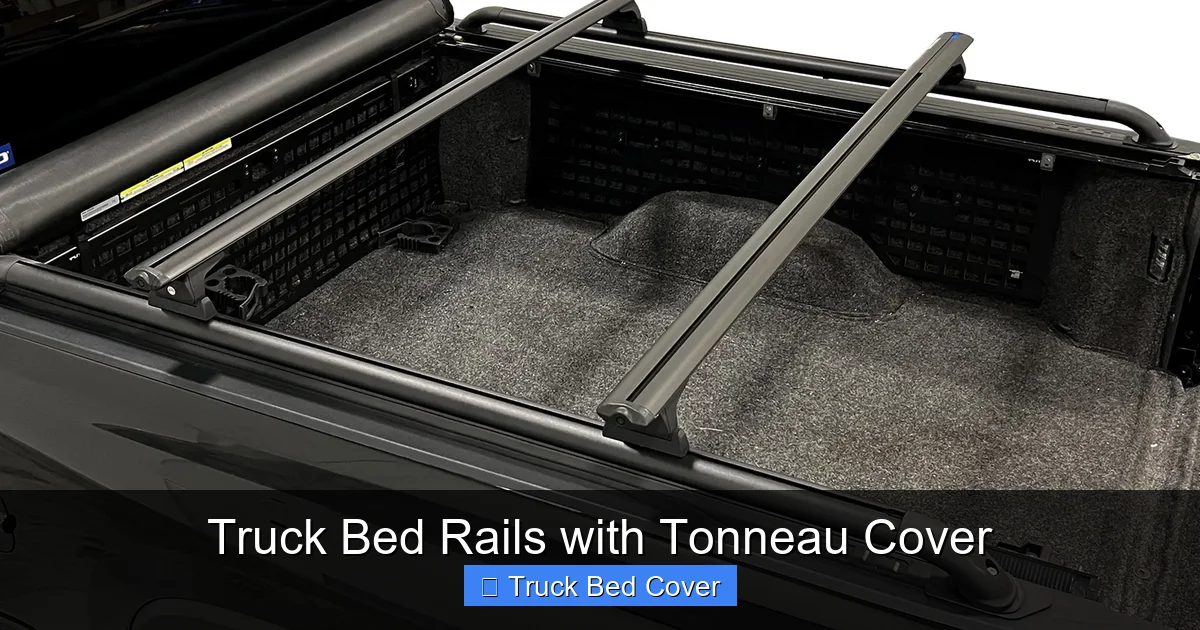
At first glance, bed rails might seem like just a decorative touch. But they’re actually the backbone of a strong tonneau cover system. Installed along the sides of your truck bed, these rails serve several key purposes. First, they anchor the cover securely, preventing it from shifting or flapping in the wind. Second, they add structural integrity—imagine trying to stretch a thin tarp over a wobbly frame. The rails eliminate that problem.
Visual guide about Truck Bed Rails with Tonneau Cover
Image source: images-na.ssl-images-amazon.com
Types of Bed Rails
There are two main styles: fixed and retractable. Fixed rails are bolted directly to the bed and stay in place permanently. They’re durable, low-maintenance, and great if you don’t plan to remove the system often. Retractable rails, on the other hand, allow the cover to slide back smoothly—think of it like a garage door mechanism. These are perfect for frequent access and modern aesthetics.
Most high-quality bed rails are made from aluminum or powder-coated steel. Aluminum is lightweight and resists rust, making it ideal for coastal areas or heavy rain. Steel offers more strength for rugged use but can be heavier. Both materials are designed to last, even under harsh conditions.
Installation Made Easy
One of the best parts? Installing truck bed rails is usually a DIY-friendly project. Most kits include step-by-step instructions, all necessary hardware, and pre-drilled mounting points. You’ll need basic tools—drill, wrench, measuring tape—and about 2-4 hours of your time. No welding or fabrication required. Just follow the guide, tighten the bolts, and you’re done.
Pro tip: Before drilling, double-check your truck’s make and model. Some manufacturers have specific rail positions to avoid interfering with tailgate sensors or bed liners. When in doubt, watch a video tutorial or consult a pro. It’s better to take five minutes to verify than risk damaging your truck.
The Role of the Tonneau Cover
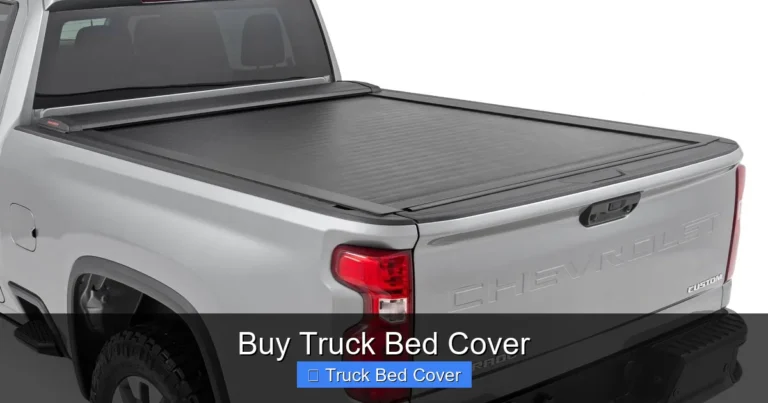
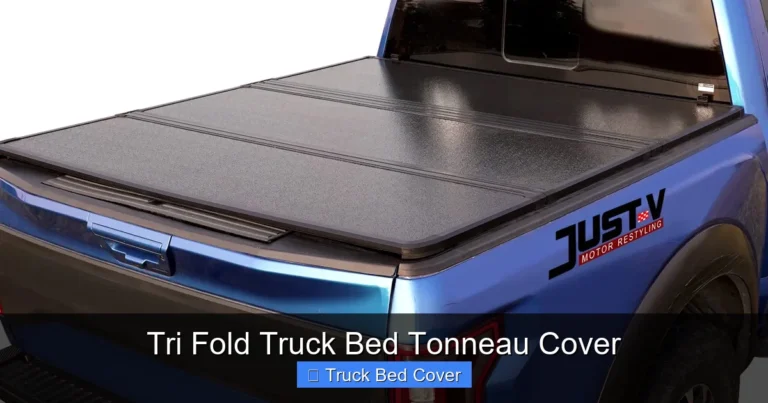
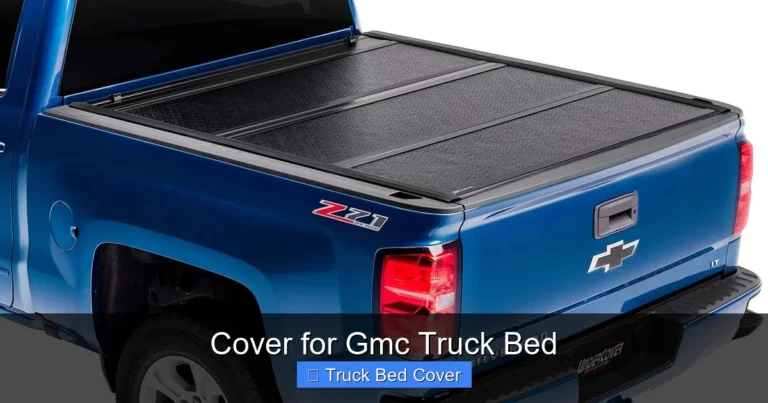
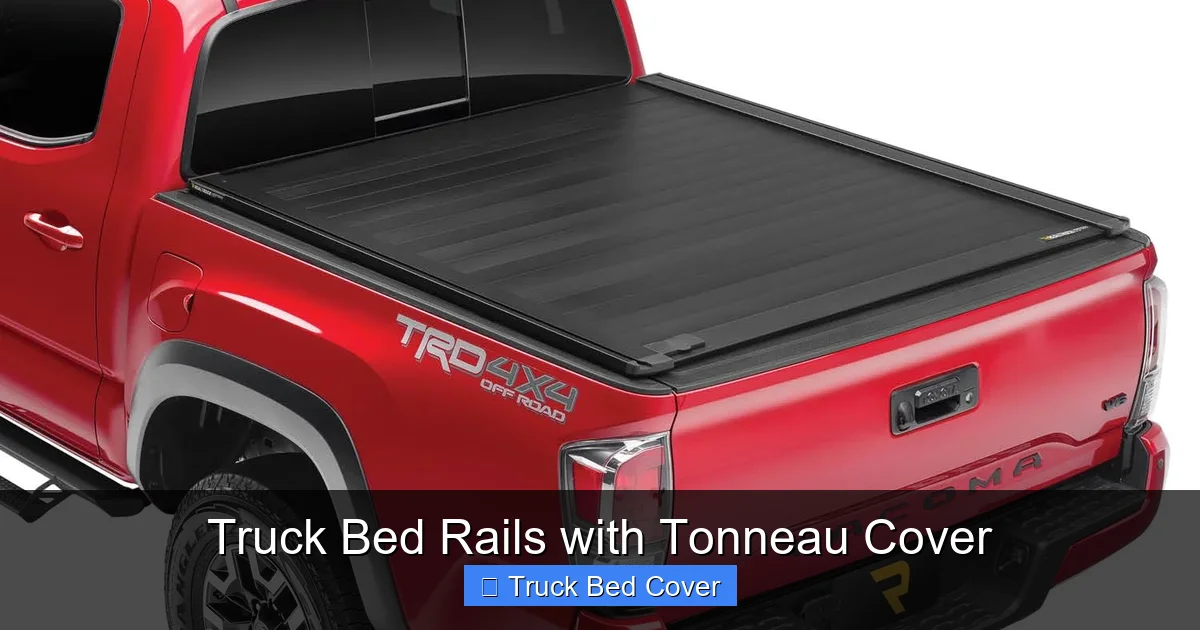
Now let’s talk about the star of the show: the tonneau cover. This is the top layer that seals your truck bed when closed. It’s available in many styles—roll-up, tri-fold, retractable, and soft/hard shells—but all share one goal: protection. When paired with bed rails, the cover sits flush and secure, eliminating gaps where water or debris could sneak in.
Benefits Beyond Protection
Sure, keeping things dry is great—but there’s more. A well-fitted tonneau cover improves your truck’s aerodynamics. As air flows smoothly over the covered bed, it reduces drag. Studies show this can boost fuel economy by up to 10%, especially on highways. That’s money saved every time you hit the road.
Security is another big win. Thieves often target uncovered trucks because they know what’s inside is exposed. With a locked tonneau cover, your cargo becomes invisible and inaccessible. Add a tailgate lock, and you’ve got a fortress on wheels.
Material Matters
Tonneau covers come in vinyl, canvas, fiberglass, aluminum, or composite materials. Vinyl and canvas are affordable and lightweight but may wear over time. Hard covers (aluminum or fiberglass) offer superior strength and longevity. They’re also quieter on the highway and harder to break into.
For extreme climates, consider weather-resistant coatings. Some covers feature double-layered fabric with UV inhibitors—perfect for sunny, salty, or snowy regions. Always check the warranty. A good manufacturer stands behind their product for at least 3–5 years.
Top Benefits of Using Bed Rails with a Tonneau Cover
So why go all-in with bed rails and a cover? Let’s break down the advantages:
1. Maximum Weather Resistance
Rain, snow, dust, and sun—your cargo faces it all. But with a sealed system, nothing gets in. Water beads off the cover and drains away. Snow slides off instead of piling up. Dust stays out. Your gear remains clean, dry, and ready to go.
2. Theft Deterrence
Visibility = vulnerability. An open truck bed screams “take whatever you want.” But a closed cover says, “I take security seriously.” Criminals move on to easier targets. Bonus: many covers come with built-in locks or integrate with existing tailgate latches.
3. Better Fuel Economy
As mentioned earlier, a smooth, aerodynamic surface cuts wind resistance. That means less engine strain and better gas mileage. Over thousands of miles, that adds up. For drivers who log 10,000+ miles a year, it’s a smart investment.
4. Enhanced Organization
Bed rails aren’t just for holding the cover. They also serve as attachment points for accessories. Want to mount a bike rack, cargo basket, or ladder? Many rails support aftermarket brackets. Suddenly, your truck bed becomes a modular workspace.
5. Improved Resale Value
A truck with a quality tonneau cover and rails looks cared for. When it’s time to sell, buyers notice. They see professionalism, protection, and attention to detail. You might even get a higher trade-in value. It’s not just practical—it’s financial sense.
Choosing the Right System for Your Needs
Not all truck bed rail and tonneau cover combos are created equal. Your choice depends on how you use your truck. Are you a daily commuter? A construction worker? A family on road trips? Here’s how to decide.
For Everyday Drivers
If you drive mostly on paved roads and carry light loads, a roll-up tonneau cover with standard bed rails works perfectly. It’s affordable, easy to open/close, and protects against rain and dirt. Brands like Tonno Pro and BAK offer reliable options under $300.
For Rugged Use
Construction sites, farms, or off-road trails demand durability. Go for a hard tri-fold cover with heavy-duty aluminum rails. These handle rough handling and extreme weather. Look for features like reinforced hinges, lockable latches, and corrosion resistance.
For Long-Haul Truckers
Fuel efficiency matters. Choose a retractable hard cover with low-profile rails. These sit flat when closed, minimizing wind lift. They also allow full bed access without removing the entire system. Popular among fleet owners and long-distance travelers.
For Style-Conscious Owners
Want your truck to stand out? Opt for sleek, low-profile designs in matte black or silver. Some brands offer custom finishes or logos. Pair them with hidden rail systems for a factory-like appearance. Luxury meets utility.
Installation Tips & Maintenance
Even the best system falls short if installed poorly. Follow these tips for success:
- Measure Twice, Drill Once: Verify rail spacing matches your cover specs. Misalignment causes leaks or sagging.
- Use Quality Hardware: Cheap bolts rust fast. Invest in stainless steel or coated fasteners.
- Seal Gaps Properly: Apply weather stripping around edges to prevent water ingress.
- Test the Tailgate: Ensure it opens/closes freely without rubbing against the cover.
Maintenance is simple. Wipe down the cover monthly with mild soap and water. Lubricate moving parts (like roller mechanisms) once a season. Avoid harsh chemicals that degrade vinyl or rubber seals.
Store the cover properly when not in use—especially in winter. Roll it loosely or lay it flat to prevent creases or mold.
Popular Brands & Models to Consider
With so many options, narrowing it down helps. Here are some top-rated combinations:
- BAKFlip FiberMax: Hard tri-fold with aluminum rails. Great balance of strength and affordability.
- UnderCover Elite LX: Retractable cover with integrated rails. Smooth operation and premium look.
- TruXedo TruRamper: Roll-up system with no-drill installation. Perfect for older truck beds.
- Rivet TonnoSport: Budget-friendly roll-up with universal fit rails. Ideal for beginners.
Always read customer reviews. Real users tell you how the system holds up over time—especially in your region’s weather.
Final Thoughts: Is It Worth It?
Absolutely. A truck bed rail with tonneau cover isn’t just an accessory—it’s a lifestyle upgrade. It protects your investment, saves fuel, boosts security, and makes every trip smoother. Whether you’re hauling lawn equipment, camping gear, or just want a cleaner look, this combo delivers.
Think of it this way: you wouldn’t leave your car unlocked in a bad neighborhood, right? Why expose your truck bed? With bed rails and a cover, you’re not just covering up—you’re commanding respect on the road.
Ready to make the switch? Start by assessing your needs, checking compatibility, and choosing a trusted brand. Your future self (and your wallet) will thank you.
Frequently Asked Questions
What are the main types of tonneau covers?
There are four primary types: roll-up, tri-fold, retractable, and hard shell (soft or rigid). Each offers different levels of access, security, and protection. Roll-up covers are popular for affordability, while hard shells provide maximum durability.
Do I need special tools to install truck bed rails?
Basic tools like a drill, socket wrench, and measuring tape are usually sufficient. Most kits include all necessary hardware and detailed instructions. No advanced skills or welding are required for standard installations.
How do I keep my tonneau cover looking new?
Clean it regularly with mild soap and water. Avoid abrasive cleaners or pressure washers near seals. Lubricate moving parts annually and store the cover properly during winter to prevent damage.
Can I add accessories to bed rails?
Yes! Bed rails often support aftermarket mounts for bike racks, cargo boxes, tool organizers, and more. Check compatibility with your rail model before purchasing accessories.
Will a tonneau cover fit my truck?
Compatibility depends on your truck’s year, make, and model. Most brands offer fitment guides online. Measure your bed length and width, then select a system specifically designed for your vehicle.
Are hard tonneau covers worth the extra cost?
For heavy-duty use, security, and long-term durability, yes. Hard covers resist impact, lock securely, and last longer than soft alternatives. If you frequently carry valuable or fragile items, the investment pays off.