Truck Bed Cover Camper
A truck bed cover camper turns your truck’s cargo area into a functional living space on wheels. Whether you’re weekend warriors or full-time adventurers, this setup offers protection, comfort, and convenience. With the right design, your truck becomes a mobile base camp for unforgettable outdoor experiences.
Key Takeaways
- Versatile Protection: A truck bed cover camper shields your gear from weather, dirt, and theft while adding a cozy sleeping or lounging area.
- Space Optimization: Maximizes every inch of your truck bed, turning it into a compact yet efficient camper setup.
- Easy Installation: Most truck bed cover campers are designed for bolt-on installation, making them accessible even for DIY enthusiasts.
- Customizable Features: From fold-down tables to built-in storage, many models offer modular add-ons to suit your adventure style.
- Improved Fuel Efficiency: Aerodynamic designs reduce drag, helping maintain better gas mileage compared to traditional rooftop tents.
- Safety & Security: Locking mechanisms and sturdy materials keep your belongings safe during travel or when parked overnight.
- Eco-Friendly Option: Reusing your existing truck instead of buying a new camper reduces environmental impact and saves money.
Quick Answers to Common Questions
How much does a truck bed cover camper cost?
Prices range from $1,500 for basic soft roll-ups to over $6,000 for premium hard-shell models with full interiors. Most fall between $2,500 and $4,500.
Can I install one myself?
Yes! Most systems use bolt-on installation and come with detailed instructions. Basic tools are sufficient—no special skills required.
Will it fit my truck?
Compatibility depends on your truck’s year, make, model, and bed size. Check manufacturer fit guides or consult customer service before buying.
Are they waterproof?
High-quality models are designed to be watertight, but always inspect seals and drains after heavy rain. Minor leaks can usually be repaired with silicone caulk.
Do they affect gas mileage?
Modern aerodynamic designs have minimal impact. Some even improve fuel efficiency slightly by reducing drag—unlike large trailers.
📑 Table of Contents
- What Is a Truck Bed Cover Camper?
- Why Choose a Truck Bed Cover Camper Over Traditional Campers?
- Types of Truck Bed Cover Campers
- Essential Features to Look For
- Installation Tips for Beginners
- Maintenance and Care
- Real-Life Examples: Who Uses Truck Bed Cover Campers?
- Common Myths About Truck Bed Cover Campers
- Final Thoughts: Is a Truck Bed Cover Camper Right for You?
What Is a Truck Bed Cover Camper?
Imagine hitting the open road with your trusty pickup truck—ready for anything from mountain trails to beach bonfires. Now imagine transforming the back of that truck into a snug, secure, and stylish little home away from home. That’s exactly what a truck bed cover camper does. It’s a hybrid solution that combines the ruggedness of a pickup truck with the comfort and functionality of a small camper.
A truck bed cover camper typically consists of a durable cover over the truck bed, often made from reinforced fabric or aluminum panels. This cover not only protects your gear but also forms the foundation of a raised sleeping platform or living space. Some models include fold-out sides, side doors, or even pop-up roofs, giving you flexibility depending on your needs. Think of it as a lightweight, budget-friendly alternative to a full-size travel trailer or a heavy rooftop tent.
These systems are especially popular among outdoor enthusiasts who want mobility without sacrificing comfort. Whether you’re car camping, hunting, fishing, or simply need extra storage while on the go, a truck bed cover camper delivers versatility in one sleek package.
Why Choose a Truck Bed Cover Camper Over Traditional Campers?
If you’ve ever considered buying an RV or travel trailer, you know they can be expensive, bulky, and hard to maneuver. A truck bed cover camper offers a smart compromise. Instead of replacing your vehicle, you enhance it—keeping the power, fuel efficiency, and off-road capability of your truck while adding camper-like features.
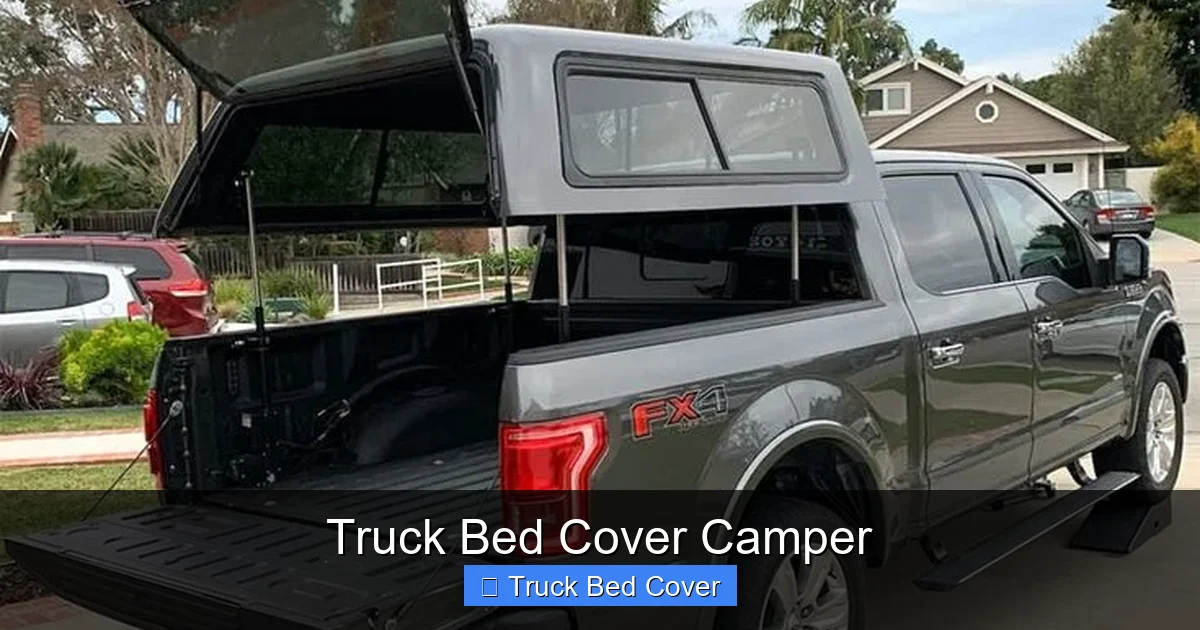
Visual guide about Truck Bed Cover Camper
Image source: i.pinimg.com
The Cost Advantage
Traditional campers start in the tens of thousands of dollars. In contrast, a quality truck bed cover camper usually costs between $1,500 and $4,000, depending on features. Even high-end models with custom finishes rarely exceed $6,000. For many drivers, this price difference is a game-changer.
Plus, since you’re using your existing truck, there’s no need to finance a second vehicle. Maintenance stays simple too—oil changes, tire rotations, and brake checks remain standard. No extra insurance headaches for a separate towable unit.
Better Maneuverability and Parking
Ever tried backing up a 30-foot travel trailer in tight city spaces? It’s tricky—even for experienced RVers. Your truck, however, handles like a dream in urban areas, parking garages, and narrow trails. The compact footprint means you can navigate places big campers can’t reach.
This agility also helps during setup. You don’t need a large campsite or level ground. Just pull over, unfold the cover, and you’re ready to relax.
Fuel Efficiency Matters
Large campers create significant wind resistance, lowering gas mileage by several miles per gallon. Trucks with bed covers—especially those with aerodynamic designs—are far more efficient. According to Consumer Reports, aerodynamic truck bed covers can improve fuel economy by up to 10%.
That might not sound huge, but over long road trips, it adds up. Save money at the pump and reduce your carbon footprint—both win-win benefits.
Types of Truck Bed Cover Campers
Not all truck bed cover campers are created equal. There are several styles to match different lifestyles, budgets, and trucks. Let’s break down the main types so you can find the perfect fit.
Hard Shell Pop-Up Campers
These are the most common type. Made from fiberglass, aluminum, or ABS plastic, hard shell covers sit flush on top of the truck bed rails. They’re waterproof, lockable, and often include windows with blinds or screens.
Some models come with fold-down beds inside, while others have fixed sleeping platforms. Brands like Leer, BakFlip, and TruXedo offer reliable options. Prices range from $2,000 to over $5,000.
Soft Top Roll-Up Campers
If you prefer something lighter and cheaper, soft roll-up covers are a great choice. Made from heavy-duty vinyl or canvas, these unroll like a window shade and latch securely at the front.
While less rigid than hard shells, they’re easy to remove when you need full bed access. Ideal for occasional use or warmer climates where ventilation matters.
Hybrid Conversion Kits
For DIY lovers, conversion kits let you build your own camper system. These include modular panels, side rails, roof supports, and interior framing. You assemble everything yourself—great if you want full customization.
Popular brands like CamperShell and BedRock sell kits tailored to specific truck models (e.g., Ford F-150, Chevy Silverado). Expect to spend time planning and assembling, but the end result is uniquely yours.
Fold-Out Side Campers
These feature extendable side panels that swing out from the bed walls, creating extra floor space. Often used with soft covers, they allow you to sit or sleep outside the main structure.
Perfect for groups who want to lounge around the fire without crowding into the truck bed.
Essential Features to Look For
When shopping for a truck bed cover camper, focus on durability, usability, and compatibility. Here are the key features to prioritize:
Weather Resistance
Your camper cover must withstand rain, snow, UV rays, and temperature swings. Look for materials rated for outdoor use—vinyl with UV inhibitors, marine-grade fabrics, or powder-coated aluminum.
Double-stitched seams and watertight zippers or latches help prevent leaks. Check reviews for real-world performance in harsh conditions.
Ventilation and Windows
Even in summer, fresh airflow keeps things comfortable. Opt for models with zippered mesh vents or adjustable window covers. Darkened or tinted glass helps block sunlight during daytime naps.
Some advanced designs include solar-powered fans or passive airflow channels to minimize condensation.
Interior Storage Solutions
Built-in compartments make life easier. Under-bed drawers, overhead cabinets, and side pockets keep gear organized and within reach. Modular shelving allows you to rearrange based on trip needs.
Tip: Label everything! It’s amazing how fast small items disappear in a shared camper space.
Lightweight Yet Sturdy Frame
A good frame balances strength and weight. Aluminum is popular—corrosion-resistant and strong without being too heavy. Avoid flimsy steel that rusts easily.
Weight distribution affects handling. Too much added mass can throw off your truck’s balance, especially when fully loaded.
Compatibility with Your Truck Model
Always verify fitment before purchasing. Measure your truck bed length (short, standard, long) and width. Some covers require specific rail systems (step-side vs. smooth-side).
Manufacturer websites usually list compatible models. If unsure, consult forums or dealers familiar with your make and year.
Installation Tips for Beginners
You don’t need professional help to install most truck bed cover campers. With patience and basic tools, it’s totally doable in a weekend. Follow these steps for a smooth setup:
- Read the Manual First – Every brand has unique instructions. Skipping this wastes time and risks damage.
- Gather Tools Ahead of Time – Usually just a socket wrench, drill (if needed), and measuring tape. Keep screws sorted in labeled bags.
- Clean the Truck Bed Rails – Remove debris, grease, or old sealant. A clean surface ensures proper adhesion and alignment.
- Test Fit Before Drilling – Hold the cover in place without tightening bolts. Adjust as needed to avoid misalignment.
- Tighten Bolts Gradually – Use a crisscross pattern to distribute pressure evenly. Over-tightening can warp metal frames.
- Check for Gaps – After installation, run your hand along edges to feel for drafts. Seal any gaps with silicone caulk if necessary.
Pro Tip: Watch YouTube tutorials specific to your truck model. Visual guides clarify tricky steps like wiring interior lights or attaching side panels.
Maintenance and Care
Like any outdoor equipment, your truck bed cover camper needs regular care to last years. Here’s how to keep it in top shape:
Washing and Drying
Use mild soap and water for routine cleaning. Avoid harsh chemicals that degrade fabric or seals. Rinse thoroughly and air-dry completely before storing.
For stubborn stains, try a mixture of vinegar and water. Never machine-wash unless the manufacturer explicitly allows it.
Winter Storage
In cold climates, remove the cover during winter months to prevent cracking from repeated freeze-thaw cycles. Store it in a dry garage away from direct sunlight.
If you must leave it on, ensure drainage holes aren’t blocked and check for ice buildup inside.
Lubricate Moving Parts
Zippers, hinges, and latches wear over time. Apply silicone-based lubricant annually to keep them sliding smoothly. Avoid oil-based products—they attract dirt.
Inspect Seals Regularly
Caulk and gaskets shrink or crack with exposure. Replace damaged seals promptly to maintain waterproof integrity.
Real-Life Examples: Who Uses Truck Bed Cover Campers?
These aren’t just gear heads—real people are living their best lives thanks to truck bed cover campers.
The Family Road Trips
Sarah, a mom of two, converted her Ford F-150 with a hard-shell pop-up camper. “We take our kids on national park visits,” she says. “They love having their own little bedroom in the back. And we save tons compared to renting an RV.”
The Solo Backpacker
Jake, a hiking guide, uses a lightweight roll-up cover with fold-out sides. “I carry it on my Subaru Outback’s hitch-mounted rack,” he explains. “It gives me shelter after long treks without weighing me down.”
The Off-Roader
Rosa owns a modified Toyota Tacoma with a custom-built aluminum camper shell. “It holds my climbing gear, food, and spare water,” she says. “And when I’m deep in the desert, it’s my mobile command center.”
Each story shows how adaptable these systems are—from suburban families to extreme adventurers.
Common Myths About Truck Bed Cover Campers
Before you commit, let’s clear up some misconceptions.
Myth: They’re Only for Summer Camping
False! Many models are designed for year-round use. Insulated versions retain heat in winter and stay cool in summer. Just add a portable heater or fan as needed.
Myth: They’re Hard to Install
Most modern kits are bolt-on systems requiring minimal welding or fabrication. Even beginners report success with detailed instructions and video support.
Myth: They Reduce Towing Capacity
Actually, well-designed covers add minimal weight—usually under 200 pounds. Compare that to a small trailer weighing over 3,000 lbs. Your truck still carries plenty of payload.
Myth: They’re Not Secure
High-quality models include multiple locking points, anti-theft cables, and tamper-proof latches. Combine with a steering wheel lock for extra peace of mind.
Myth: They Block Rear Visibility
Many covers have rearview camera cutouts or are designed to work with factory cameras. Always test visibility before hitting the highway.
Final Thoughts: Is a Truck Bed Cover Camper Right for You?
If you value freedom, affordability, and practicality, a truck bed cover camper could be your next best investment. It’s not about luxury—it’s about enabling more adventures, closer to home and farther off the beaten path.
Ask yourself: Do you already own a capable truck? Are you tired of the hassle and cost of larger campers? Do you enjoy DIY projects or appreciate quick setups? If yes, then this hybrid approach makes perfect sense.
Remember, you’re not limited to one style. Start simple with a soft roll-up for occasional trips, then upgrade to a hard-shell with interior features as your confidence grows. The key is matching the system to your lifestyle—not the other way around.
With rising fuel prices, climate concerns, and a growing desire for self-reliance, truck bed cover campers represent a smart, sustainable way to explore. So why wait? Your next adventure starts with a single decision: to transform your truck into a true camper.
Frequently Asked Questions
What’s the difference between a truck bed cover and a truck bed cover camper?
A truck bed cover typically refers to a tonneau cover that secures cargo in the bed. A truck bed cover camper adds living space, sleeping areas, and sometimes pop-up features to turn the bed into a mini-cabin.
Can I use my truck’s tailgate with a camper cover?
Yes, but many camper covers replace or modify the tailgate for structural integrity. Some models include integrated tailgates with pass-through access for gear.
How do I ventilate the camper in hot weather?
Look for models with mesh vents, roll-up windows, or solar-powered fans. Opening side panels or using a portable battery fan also helps circulate air.
Are truck bed cover campers allowed at campgrounds?
Most public and private campgrounds permit them as long as they comply with site rules. Always check ahead—some have height or occupancy restrictions.
Can I tow a trailer with a camper installed?
It depends on your truck’s payload rating. Adding a camper increases weight significantly. Consult your owner’s manual and consider a payload calculator before deciding.
Do I need special insurance for a truck bed cover camper?
Standard auto insurance usually covers it as part of your vehicle. However, adding valuable custom features may require an endorsement—contact your insurer to confirm coverage.