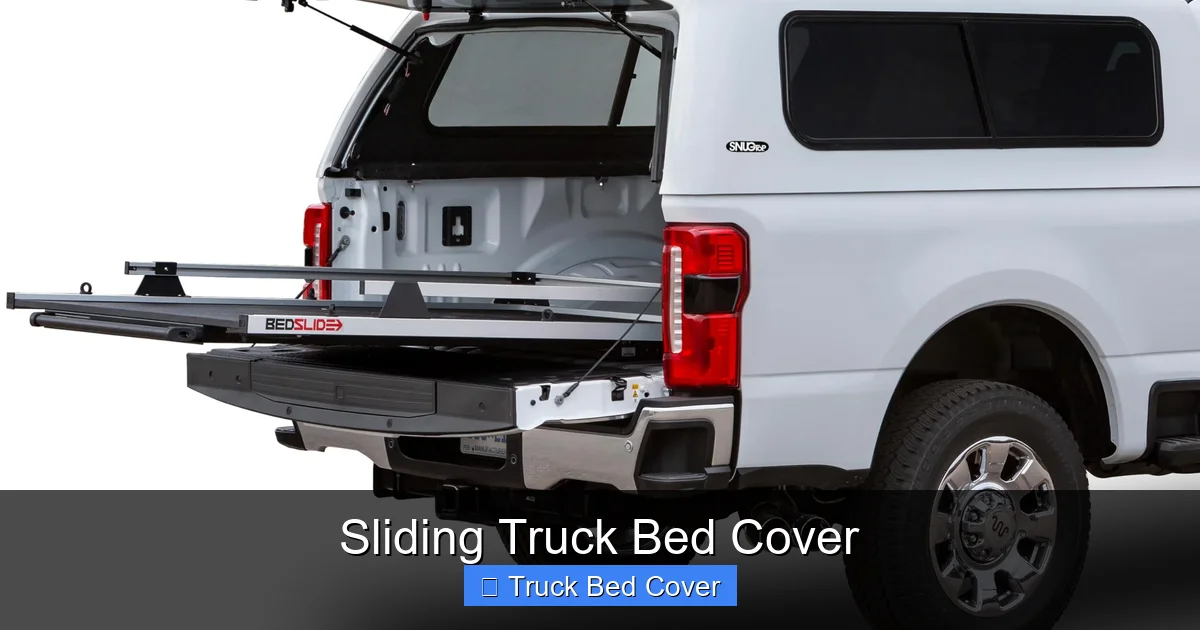
Sliding Truck Bed Cover
A sliding truck bed cover offers unmatched versatility for pickup owners who need secure, weather-resistant storage with easy access to their cargo. Unlike traditional fixed covers, sliding models allow you to open only what you need—without removing the entire lid. Whether you’re hauling tools, groceries, or equipment, a sliding truck bed cover combines durability, style, and practicality. These covers are perfect for daily drivers, contractors, and outdoor enthusiasts alike. With smooth gliding mechanisms and robust materials, they provide reliable protection against rain, snow, sun, and theft. Plus, installation is often DIY-friendly, saving time and money.
Key Takeaways
- Understanding sliding truck bed cover: Provides essential knowledge
Quick Answers to Common Questions
Can I install a sliding truck bed cover myself?
Yes! Most sliding covers are designed for DIY installation with basic tools. Kits include detailed instructions, templates, and hardware. However, motorized models may require professional wiring.
Will a sliding cover fit my specific truck?
Absolutely—most brands offer vehicle-specific models. Always confirm compatibility using your truck’s year, make, model, and bed size before purchasing.
Do sliding covers work in snowy climates?
Yes! Solid hard covers handle snow well, but avoid scraping with sharp tools. Remove heavy accumulation gently to prevent scratches.
Are sliding covers noisy on the highway?
Not usually. High-quality models have aerodynamic profiles that reduce wind noise. Soft tops may flutter slightly, but most owners report minimal distraction.
How much do sliding truck bed covers cost?
Prices range from $200 for basic manual models to over $1,000 for premium electric systems. Expect to pay $400–$700 for mid-range options with strong performance.
📑 Table of Contents
- What Is a Sliding Truck Bed Cover?
- How Does a Sliding Truck Bed Cover Work?
- Benefits of Installing a Sliding Truck Bed Cover
- Top Features to Look for in a Sliding Truck Bed Cover
- Installation Tips for Your Sliding Truck Bed Cover
- Maintenance and Care Guide
- Popular Brands and Models
- Is a Sliding Truck Bed Cover Right for You?
What Is a Sliding Truck Bed Cover?
Imagine this: You’re heading home after a long day at work, loaded down with lumber, paint cans, and tools. Your truck bed is open to the elements—rain starts pouring, and suddenly your gear is soaked. Frustrating, right? Now picture a solution that lets you keep your cargo safe from weather and prying eyes—but also gives you quick, easy access whenever you need it. Enter the sliding truck bed cover.
A sliding truck bed cover is a type of tonneau cover designed specifically for pickup trucks. Unlike roll-up or retractable covers that unfold or slide sideways across the bed, a sliding cover typically features panels that glide along tracks mounted inside the truck bed rails. These panels can be moved manually or sometimes with electric assist, allowing you to uncover just part of the bed—perfect for grabbing items without fully opening the entire system.
The beauty of a sliding design lies in its balance between security and accessibility. You’re not locked out of your bed every time you want to drop off a package or check on your load. At the same time, when closed, it locks tightly to prevent unauthorized access and keeps your belongings dry and out of sight.
How Does a Sliding Truck Bed Cover Work?
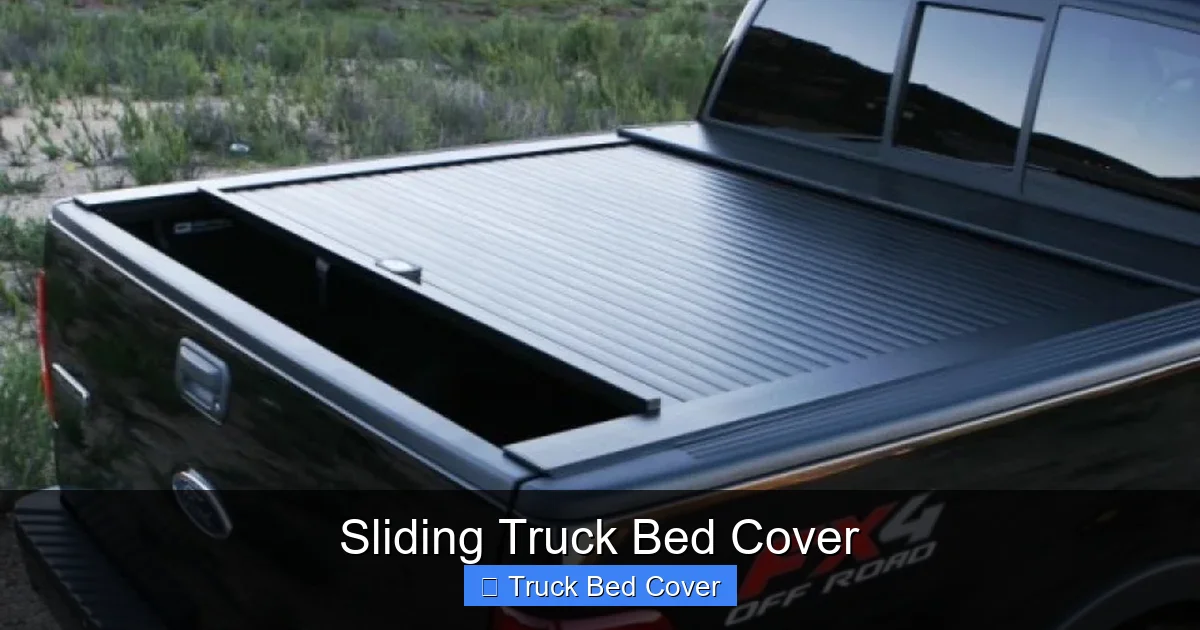
Visual guide about Sliding Truck Bed Cover
Image source: mytruckneedsthis.com
At first glance, a sliding truck bed cover might seem complex, but its mechanics are actually quite simple and intuitive. Most models consist of one or more panels—usually two or three—that sit flush across the truck bed. These panels are mounted on low-profile tracks that run along the inside edges of the bed rails.
To use it, you simply grab the handle (often located at the front or side) and slide the panel backward or forward along the track. Some systems let you lock the panel in place at any position using built-in latches or external locks. This means you can uncover just the rear section of the bed to access tailgate-mounted racks or storage boxes, or slide the panel all the way back to reveal the full bed.
Advanced versions may include features like:
– Electric motors for motorized operation (often controlled via remote)
– Dual-panel designs that divide the bed into sections
– Soft-close mechanisms to prevent slamming
– Integrated tie-down points for securing cargo
The key advantage? No more wrestling with heavy roll-ups or dealing with flapping fabric in the wind. The sliding action is smooth, quiet, and precise—even with repeated use.
Types of Sliding Mechanisms
There are generally two types of sliding systems used in modern truck bed covers:
Manual Sliding Covers: These rely entirely on human power to move the panels. They’re lightweight, affordable, and require no batteries or wiring. Ideal for everyday users who don’t need automation.
Motorized Sliding Covers: Equipped with small electric motors and rechargeable batteries, these allow fingertip control via a remote. Great for larger beds or users with limited mobility. However, they cost more and may require professional installation.
Both types offer excellent durability, but manual systems tend to have fewer moving parts and are less prone to electrical failure.
Benefits of Installing a Sliding Truck Bed Cover
Investing in a sliding truck bed cover isn’t just about aesthetics—it’s about practicality, protection, and peace of mind. Let’s break down the top advantages:
1. Unmatched Accessibility
One of the biggest complaints about traditional tonneau covers is that they block full access to the truck bed. With a sliding cover, you can open exactly what you need. Want to reach your toolbox near the cab? Slide the front panel back a few inches. Need to load a bulky item through the tailgate? Move the panel completely out of the way. This flexibility makes daily errands, construction jobs, and weekend adventures far smoother.
2. Superior Weather Protection
Rain, snow, sleet, or shine—your cargo stays protected. High-quality sliding covers are made from tear-resistant materials like vinyl-coated polyester or solid aluminum, which repel water and resist UV degradation. When fully sealed, they create an airtight barrier that prevents moisture from seeping into the bed.
This is especially important if you transport electronics, documents, or sensitive equipment. Even in heavy downpours, your items stay bone-dry.
3. Improved Fuel Efficiency
Did you know that open truck beds increase aerodynamic drag? Studies show that adding any type of tonneau cover can improve fuel economy by up to 10%. A sliding cover, with its sleek, low-profile design, helps streamline airflow around the vehicle, reducing wind resistance and saving you money at the pump.
4. Enhanced Security
Thieves often target open truck beds because they can see what’s inside. A sliding cover hides your belongings from view while still offering quick access when needed. Many models feature lockable panels and anti-pry bars that prevent tampering. For added safety, some integrate with your truck’s alarm system or GPS tracker.
5. Easy Maintenance and Longevity
Unlike canvas roll-ups that mildew or foam-core panels that warp, sliding covers are built to last. Aluminum frames resist rust, and high-grade fabrics won’t fade or crack under prolonged sun exposure. Cleaning usually involves just wiping down with soap and water—no harsh chemicals required.
6. Customizable Aesthetics
Let’s face it: your truck reflects your personality. Sliding covers come in matte black, glossy silver, carbon fiber textures, and more. They blend seamlessly with your truck’s design while adding a premium look that turns heads.
Top Features to Look for in a Sliding Truck Bed Cover
Not all sliding truck bed covers are created equal. To get the best performance and value, consider these essential features before buying:
Locking Mechanism
Look for at least one secure latch per panel. Magnetic locks or push-button systems add convenience, but physical locks offer stronger security. Avoid models with flimsy plastic latches—they break easily under pressure.
Track System Quality
The tracks should be sturdy, smooth-gliding, and resistant to dirt buildup. Cheaper covers often use thin aluminum or stamped steel that bends over time. Opt for extruded aluminum tracks with rubber seals to keep debris out.
Material Durability
Soft Top Covers: Made from reinforced vinyl (like TruXedo or UnderCover). Lightweight and affordable, but less rigid than hard options.
Hard Panel Covers: Typically aluminum or ABS plastic. More expensive but offer better impact resistance and longevity.
Compatibility & Fitment
Always verify compatibility with your exact truck year, make, and model. Measure your bed length and width carefully—some covers are universal, others are custom-fit. Poor fitment leads to gaps, leaks, and premature wear.
Installation Ease
Check whether the kit includes pre-drilled templates, numbered hardware, and clear instructions. Some brands offer “No-Drill” systems using bed rail clamps, which are great for renters or leased vehicles.
Warranty Coverage
Reputable manufacturers offer 2–5 year warranties. Read the fine print—coverage should include defects in material and workmanship, not just cosmetic wear.
Installation Tips for Your Sliding Truck Bed Cover
While many sliding covers are marketed as “DIY-friendly,” proper installation ensures optimal performance and longevity. Follow these steps for success:
Gather Your Tools
You’ll likely need:
– Socket wrench or drill
– Screwdriver set
– Measuring tape
– Level (optional but helpful)
– Lubricant spray (for tracks)
Prepare the Truck Bed
Remove any existing accessories like bed dividers or toolboxes. Clean the area thoroughly—dirt and grease interfere with seal integrity. Check for rust or dents that could affect alignment.
Assemble the Panels
Most kits come partially assembled. Follow the manufacturer’s diagram to attach handles, latches, and hinges. Don’t overtighten screws—this can warp metal panels.
Install the Tracks
Mount the side rails using provided brackets. Use a level to ensure they’re parallel. If drilling is required, start with pilot holes to avoid splitting wood or metal.
Test the Movement
Before finalizing everything, slide the panel back and forth several times. It should glide smoothly without binding. Apply silicone lubricant if stiffness occurs.
Final Checks
Ensure all bolts are tightened, seals are aligned, and the cover closes completely. Test the locking mechanism multiple times.
Pro tip: Watch official video tutorials from the brand—they often show real-world installation nuances you won’t find in written instructions.
Maintenance and Care Guide
With proper care, your sliding truck bed cover can last 8–10 years or more. Here’s how to keep it in top shape:
Monthly Inspections
Check tracks for dirt, leaves, or gravel buildup. Wipe them down with a damp cloth. Inspect seals for cracks or compression loss—replace if damaged.
Cleaning
Use mild soap and water for soft tops. For hard panels, a microfiber cloth works best. Never use abrasive cleaners or pressure washers directly on seams—they can strip adhesive bonds.
Lubrication
Apply a thin layer of silicone-based lubricant to the tracks every 3–6 months. Avoid WD-40 or oil-based products—they attract dust and degrade rubber components.
Winter Prep
In cold climates, remove snow and ice gently to avoid scratching surfaces. Consider applying a UV protectant in fall to prevent fabric fading.
Storage
If you remove the cover seasonally, store it in a cool, dry place away from direct sunlight. Never leave it rolled up in the truck bed—moisture trapped underneath causes mold.
Popular Brands and Models
When shopping for a sliding truck bed cover, you’ll encounter several reputable brands known for quality and innovation:
Truxedo: Offers the popular Truxedo Lo Pro QT and Truxedo Deuce models. Known for smooth operation, low profile, and excellent pricing.
UnderCover: Their FlexSoft and Flex HT series combine soft-top flexibility with sliding functionality. Great for those wanting affordability without sacrificing style.
BakFlip: While primarily known for folding hard covers, their BakFlip F1 and G2 models offer sliding panel designs with premium build quality.
Rough Country: Budget-conscious option with durable aluminum frames and basic sliding mechanisms—ideal for off-roaders needing rugged reliability.
Retrax: Specializes in electric and manual hydraulic sliding systems. Higher price point, but unmatched smoothness and integration with modern trucks.
Read customer reviews and compare warranties before deciding. Local dealer availability can also influence your choice—easy returns matter if something doesn’t fit right.
Is a Sliding Truck Bed Cover Right for You?
Ask yourself these questions:
– Do you frequently access items in the middle or front of the bed?
– Is weather protection critical for your cargo?
– Do you value security and theft prevention?
– Will you notice improved gas mileage?
– Are you comfortable with moderate DIY projects?
If you answered “yes” to most, a sliding cover is a smart investment. It’s particularly ideal for:
– Daily commuters who carry groceries or gym bags
– Contractors needing quick access to tools
– Campers storing gear securely overnight
– Delivery drivers making frequent stops
For those who prefer full bed access at all times, a traditional roll-up might suffice. But if you want the best of both worlds—security and convenience—the sliding design stands out.
Frequently Asked Questions
How does a sliding truck bed cover differ from a roll-up cover?
A sliding cover moves panels along tracks, allowing partial access without unfolding. Roll-up covers unspool fabric from a roller tube, blocking full bed visibility until fully opened. Sliding models offer more flexibility and cleaner lines.
Can I wash my truck with a sliding cover installed?
Yes, but avoid high-pressure settings near seams or locks. Use a gentle spray and let water drain naturally. Always wipe seals afterward to prevent mineral buildup.
Do sliding covers reduce truck bed capacity?
Minimal impact. High-end models add less than an inch of height and take up negligible volume. You’ll still have room for standard-sized crates and gear.
Are sliding covers compatible with bed liners?
Most are, but check manufacturer guidelines. Some require trimming or special mounting brackets. Rubber bed liners usually don’t interfere, but spray-on coatings may need reapplication after installation.
How do I choose between soft and hard sliding covers?
Choose soft covers for lighter duty use, lower cost, and easier replacement panels. Hard covers offer better impact resistance, quieter operation, and longer lifespan—ideal for heavy loads or harsh conditions.
Will a sliding cover void my truck warranty?
Generally no—as long as installation follows factory guidelines and no permanent modifications are made. Always consult your dealer if unsure, especially for new vehicles.