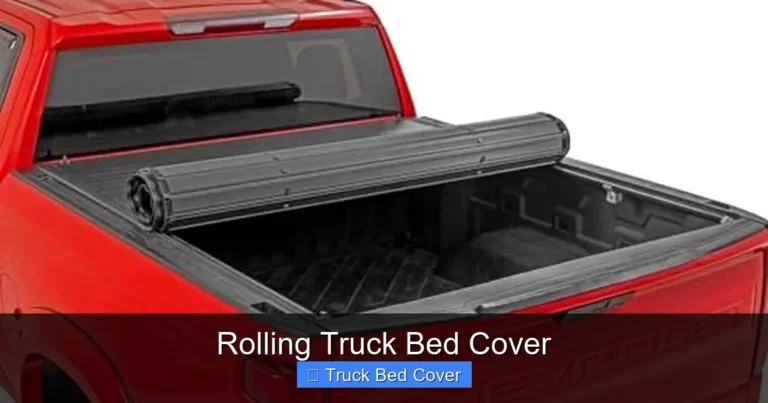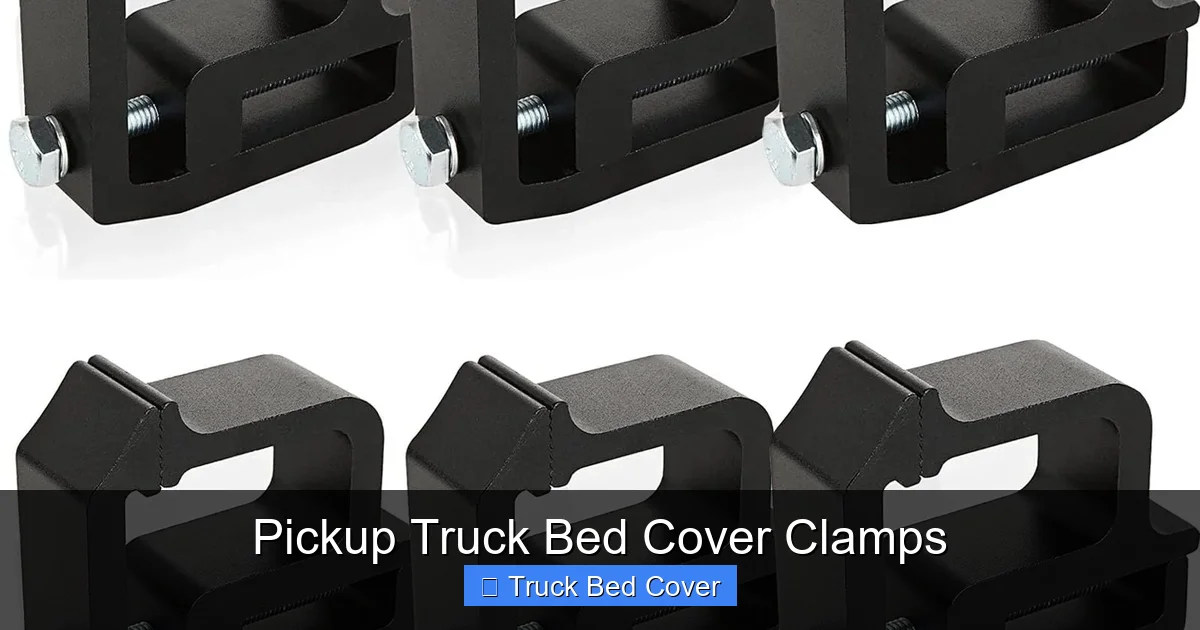
Pickup Truck Bed Cover Clamps
Pickup truck bed cover clamps are essential tools that secure your tonneau cover, ensuring a tight seal against weather, theft, and wear. Whether you’re hauling gear or protecting cargo, choosing the right bed cover clamps makes all the difference in durability and performance.
Key Takeaways
- Secure Fit: High-quality clamps ensure your cover stays locked in place, even on bumpy roads.
- Weather Protection: Properly clamped covers prevent water, dust, and debris from entering the bed.
- Easy Installation: Most clamps are tool-free and designed for quick setup and removal.
- Universal Compatibility: Many models fit multiple truck makes and models, offering versatility.
- Durability Matters: Stainless steel or reinforced plastic clamps resist rust and last longer than cheap alternatives.
- Theft Deterrence: Secure clamps make it harder for thieves to access your cargo.
- Improves Fuel Efficiency: A well-fitted cover reduces wind resistance, slightly improving gas mileage.
Quick Answers to Common Questions
Are bed cover clamps universal?
Most clamps are designed to fit a range of trucks, but compatibility varies by model and year. Always check fitment charts before purchasing.
Can I install clamps without tools?
Yes, many modern clamps are tool-free and snap into place using hand pressure. However, some may require a screwdriver for final tightening.
Do clamps affect fuel efficiency?
A properly installed cover reduces drag, and secure clamps ensure the cover lies flush—contributing to better aerodynamics and slight fuel savings.
Will clamps damage my truck bed?
High-quality clamps with rubber padding minimize risk. Avoid metal-on-metal contact and overtightening to prevent scratches or dents.
How often should I replace clamps?
Inspect annually. Replace if cracked, rusted, or unable to hold tension. With good care, they can last 5–10 years.
📑 Table of Contents
- Introduction: Why Pickup Truck Bed Cover Clamps Matter
- What Are Pickup Truck Bed Cover Clamps?
- Types of Bed Cover Clamps
- Materials and Durability
- Choosing the Right Clamps for Your Truck
- Installation Tips and Best Practices
- Maintenance and Longevity
- Top Brands Worth Considering
- Conclusion: Your Truck Deserves the Best
Introduction: Why Pickup Truck Bed Cover Clamps Matter
Ever loaded up your truck bed with camping gear, tools, or groceries, only to find everything exposed when you hit a pothole or a sudden gust of wind? You’re not alone. For pickup truck owners who rely on their vehicles for work, recreation, or daily transport, a securely fastened bed cover is more than just convenience—it’s protection. That’s where pickup truck bed cover clamps come into play. These unassuming yet vital components hold your tonneau cover (or roll-up, hard fold, or soft cover) tightly in place, creating a weatherproof seal and keeping your cargo safe.
But not all clamps are created equal. Some slip off during rough drives, others corrode after a few months of rain exposure, and a few don’t fit your truck model at all. Choosing the right set isn’t just about convenience—it’s about performance, safety, and long-term value. In this guide, we’ll walk through everything you need to know about pickup truck bed cover clamps, from types and materials to installation tips and maintenance advice. Whether you’re replacing worn-out clamps or upgrading to something stronger, this article will help you make an informed decision.
What Are Pickup Truck Bed Cover Clamps?
At their core, pickup truck bed cover clamps are fasteners designed to secure the edges of a tonneau cover to the sides of a truck bed. They’re typically installed along the rails at the front and back of the bed, clamping down over the cover’s edge to create a snug fit. Think of them as the invisible guardians of your cargo space—working quietly but powerfully behind the scenes to keep everything in place.

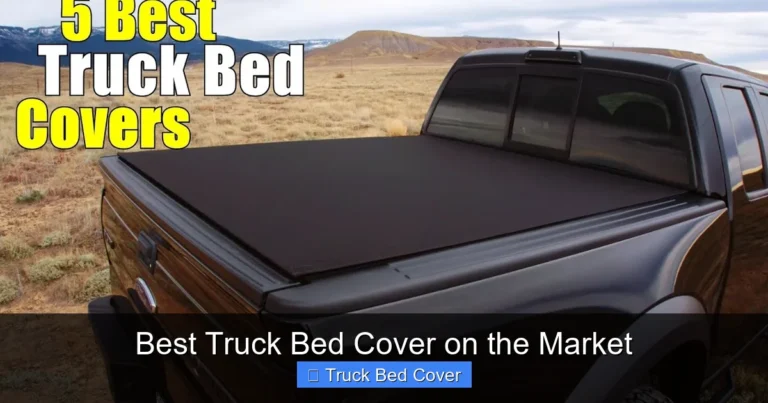
Visual guide about Pickup Truck Bed Cover Clamps
Image source: off-road.com
How Do They Work?
Most clamps operate using a simple lever mechanism. One side attaches permanently or semi-permanently to the truck bed rail, while the other side swings open to clamp around the cover. When closed, they apply consistent pressure along the entire length of the rail, preventing the cover from lifting, shifting, or flapping in the wind. Some advanced models feature rubberized grips or locking mechanisms for extra security.
Why Are They Essential?
A loose or broken clamp can compromise the entire system. Without proper clamping force, your cover might not lie flat, allowing rainwater to seep in or dirt to blow in. On highways, a flapping cover can reduce fuel efficiency and create dangerous noise. Worse, if your cover isn’t secure, thieves could easily lift it and steal your belongings. That’s why investing in reliable bed cover clamps isn’t optional—it’s necessary.
Types of Bed Cover Clamps
Not all clamps are built the same. Depending on your cover type, truck model, and usage needs, different clamp styles offer varying levels of strength and compatibility. Let’s break down the most common types.
1. Universal Clamps
These are the go-to choice for many truck owners due to their adaptability. Universal clamps usually come with adjustable arms and rubber pads that accommodate a wide range of bed widths and cover thicknesses. They’re great if you drive multiple trucks or have a custom-fit cover that doesn’t align perfectly with standard rails.
Best for: Owners of older trucks or those with non-standard bed dimensions.
2. OEM-Style Clamps
Original Equipment Manufacturer (OEM) clamps are made by the same company that built your truck or cover. They’re engineered to match exact specifications, offering a perfect fit and seamless integration. While they may cost more, they often provide superior durability and ease of use.
Best for: Those who want factory-level quality and reliability.
3. Quick-Release Clamps
As the name suggests, these clamps allow for fast, tool-free opening and closing. Ideal for frequent loading and unloading, quick-release models are especially popular among contractors and delivery drivers who need access to their beds throughout the day.
Best for: Daily users who prioritize convenience and speed.
4. Locking Clamps
For enhanced security, locking clamps feature a keyed or combination lock. Once engaged, they prevent unauthorized access to the bed. These are ideal for high-value cargo or areas prone to theft.
Best for: Urban drivers or those transporting expensive equipment.
5. Soft-Touch Clamps
Made with padded or rubber-coated jaws, these clamps protect both the cover and the truck bed from scratches and dents. They’re gentler on finishes and often preferred for aesthetic reasons.
Best for: Owners with painted or textured bed rails who want to avoid damage.
Materials and Durability
The longevity of your clamps depends largely on the materials used. Here’s what to look for:
Stainless Steel
Stainless steel clamps resist rust and corrosion, making them ideal for rainy or coastal climates. They’re strong, lightweight, and often backed by long warranties. The downside? They can be pricier than alternatives.
Aluminum Alloy
Lighter than steel but still durable, aluminum clamps are a good middle ground. They won’t rust, though they may dent under extreme impact. Often used in budget-friendly models.
Plastic (Nylon or Polycarbonate)
Cheaper and lighter, plastic clamps are common in low-cost sets. However, they degrade faster under UV exposure and heat, and may become brittle in cold weather. Not recommended for heavy-duty use.
Rubber Components
Many clamps include rubberized grips or seals to prevent slipping and protect surfaces. Look for high-grade silicone or EPDM rubber—these resist cracking and maintain flexibility in temperature extremes.
Pro Tip: Always check the warranty. A 5-year guarantee is a good sign of quality materials and craftsmanship.
Choosing the Right Clamps for Your Truck
Selecting the correct pickup truck bed cover clamps starts with knowing your truck’s bed dimensions and cover type. Here’s how to match them up:
Step 1: Measure Your Bed
Use a tape measure to determine the width and depth of your truck bed. Note whether it has side rails or a smooth interior. Some clamps require rails; others attach directly to the bed walls.
Step 2: Identify Your Cover Type
Is it a hard tri-fold, soft roll-up, retractable, or fiberglass cap? Each style has specific clamping requirements. For example, retractable covers need clamps that don’t interfere with the track system.
Step 3: Check Compatibility Charts
Reputable brands publish detailed fitment guides. Enter your truck year, make, and model to see which clamps are compatible. Don’t assume “universal” means “perfect fit”—some universal kits still require adjustments.
Step 4: Consider Climate and Usage
If you live in a snowy area, opt for clamps with anti-corrosion coatings. For desert driving, choose heat-resistant materials. Frequent off-roading? Go for reinforced steel with shock-absorbing joints.
Step 5: Read Reviews
Real-world feedback reveals hidden flaws. Look for comments about loosening over time, difficulty installing, or poor customer service. Trusted retailers like Amazon, Tundras.com, or TruckTirePros often have detailed user reviews.
Installation Tips and Best Practices
Even the best clamps won’t perform well if installed incorrectly. Follow these steps for a secure, lasting setup:
Tools You’ll Need
- Phillips screwdriver (if required)
- Rubber mallet or hammer (for tapping into place)
- Measuring tape
- Safety glasses
Step-by-Step Installation
- Clean the Rails: Remove dirt, rust, or old adhesive from the bed rails. Dry thoroughly.
- Position the Clamps: Align them evenly along the front and rear edges. Mark screw holes if drilling is needed.
- Attach Securely: Use provided hardware to fasten clamps. Don’t overtighten—this can strip threads or warp the bed rail.
- Test the Seal: Close the cover and press along the edges. It should feel firm with no gaps.
- Adjust as Needed: If the cover lifts in the center, reposition the front clamps slightly forward.
Common Mistakes to Avoid
- Installing clamps too far apart, leading to sagging in the middle.
- Using incompatible screws that loosen over time.
- Ignoring manufacturer instructions—always follow the manual.
- Skipping the test drive—take your truck on a short route to check for movement.
Maintenance and Longevity
With proper care, quality bed cover clamps can last 5–10 years. Here’s how to maximize their lifespan:
Regular Inspections
Check clamps every 3–6 months for signs of wear, rust, or looseness. Tighten any wobbly parts immediately.
Clean After Exposure
Rinse off salt, mud, or chemicals after winter or off-road trips. Use a mild soap and water solution.
Lubricate Moving Parts
Apply silicone-based lubricant to hinges and pivot points once a year. Avoid petroleum-based oils—they attract dirt.
Store Indoors When Possible
If removing the cover seasonally, store clamps in a dry place to prevent corrosion.
Replace Worn Parts Promptly
Don’t wait until the whole system fails. Replace individual clamps as needed instead of buying a full kit unnecessarily.
Top Brands Worth Considering
While there are countless options, a few brands consistently earn praise for quality and reliability:
- BakFlip: Known for rugged, OEM-style clamps with long warranties.
- UnderCover: Offers sleek, locking models with stainless steel construction.
- Tonno Pro: Budget-friendly yet durable, with excellent customer support.
- DeFender: Specializes in universal fits and quick-release systems.
- Extang: Popular for soft covers, with padded clamps that protect paint.
When shopping, compare warranties, return policies, and real user experiences. A $30 investment now can save you $200 in cover repairs later.
Conclusion: Your Truck Deserves the Best
Your pickup truck is more than a vehicle—it’s a tool, a home away from home, and a symbol of freedom. Protecting your investment starts with small details, and pickup truck bed cover clamps are one of the most important. They ensure your cover stays secure, your cargo stays dry, and your peace of mind remains intact—rain or shine, day or night.
Whether you’re hauling firewood across town or heading off-grid for the weekend, the right clamps make all the difference. Take the time to choose wisely, install carefully, and maintain regularly. You’ll enjoy smoother rides, better fuel economy, and fewer headaches down the road. After all, a little attention to detail today keeps your truck running strong tomorrow.
Frequently Asked Questions
What happens if my bed cover clamps break?
A broken clamp allows the cover to shift or detach, exposing your cargo to weather and increasing theft risk. Immediate replacement is recommended.
Can I use old clamps on a new cover?
Only if they’re in excellent condition and compatible with the new cover’s design. Mismatched clamps may cause poor sealing or damage.
Are locking clamps worth the extra cost?
Yes, if you frequently leave valuables in your bed or live in high-theft areas. The added security justifies the price for many users.
Do I need special clamps for fiberglass caps?
Fiberglass caps often require custom or OEM-style clamps that distribute weight evenly. Standard clamps may crack the surface over time.
How do I clean my clamps?
Wipe with soapy water and rinse. Avoid harsh chemicals. Dry completely to prevent rust, especially on metal models.
Can I install clamps myself?
Yes, most installations take under 30 minutes with basic tools. Follow the manual closely and test the fit before driving.