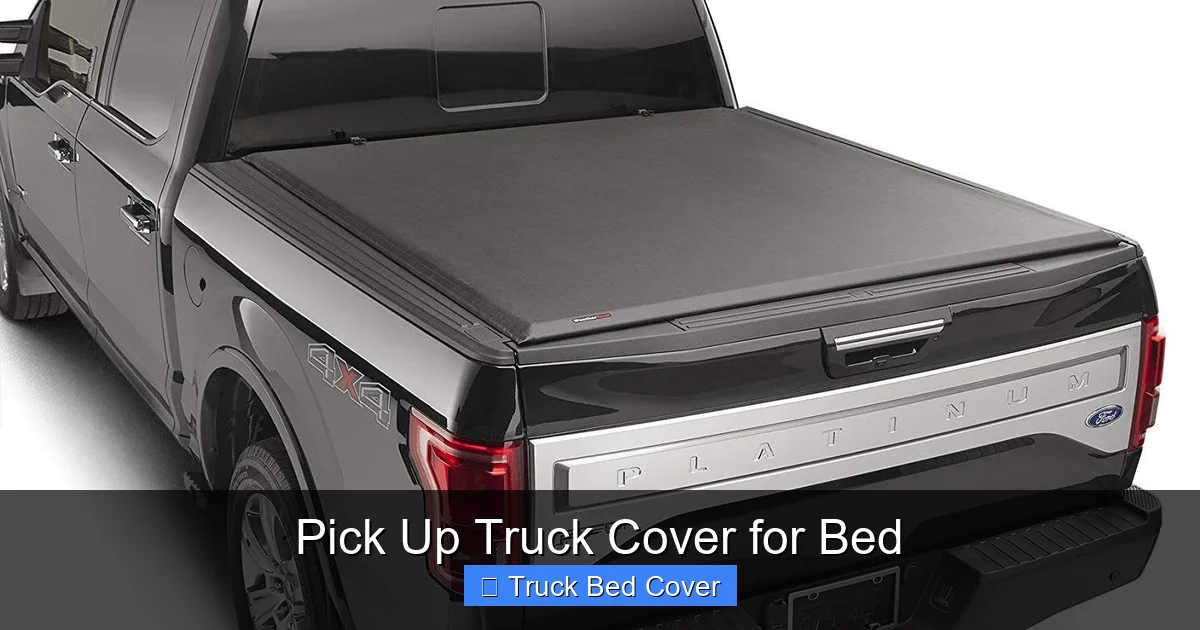
Pick Up Truck Cover for Bed
A pick up truck cover for bed is more than just a tarp—it’s a smart investment in protection, security, and style. Whether you haul tools, groceries, or gear, the right cover shields your belongings from rain, sun, and prying eyes. With so many types available, choosing the best one means matching your needs to features like material, ease of use, and durability.
Have you ever loaded up your truck bed only to watch your belongings get soaked in a sudden downpour? Or worse—come home to find someone rifling through your tools while you were at work? If that sounds familiar, you’re not alone. Every pickup truck owner has faced the frustration of exposed cargo, whether it’s groceries, equipment, or personal items. That’s where a pick up truck cover for bed comes in—not just as a simple sheet of vinyl, but as your first line of defense against the elements and unwanted attention.
From rugged construction workers to weekend warriors hauling kayaks, truck owners rely on their beds to do double duty: storage and transport. But without proper protection, everything inside can be damaged by rain, snow, dirt, or even intense sunlight. Over time, UV exposure fades paint and weakens materials. Moisture leads to rust and mold. And open beds invite opportunistic thieves. A good bed cover solves all these problems—and then some.
But with so many options out there—soft roll-ups, hard lids, retractables—how do you pick the right one? This guide walks you through everything you need to know about pick up truck covers for bed, including types, materials, installation tips, and how to choose based on your lifestyle. By the end, you’ll feel confident selecting a cover that keeps your truck looking great and your cargo safe, dry, and secure.
Key Takeaways
- Type Matters: Roll-up, retractable, tri-fold, and hard covers each offer unique benefits depending on how you use your truck.
- Material Choice: Vinyl, canvas, aluminum, or fiberglass—each material affects weight, weather resistance, and longevity.
- Security Features: Locking mechanisms, reinforced edges, and secure mounting systems help prevent theft and tampering.
- Weather Protection: A quality cover keeps snow, rain, dust, and UV rays out while helping regulate temperature inside the bed.
- Easy Installation: Look for models with quick-release systems or pre-drilled holes for hassle-free setup and removal.
- Custom Fit: Measure your truck bed precisely to ensure a snug fit that doesn’t flap in the wind or trap moisture.
- Maintenance Tips: Regular cleaning and inspections extend the life of any cover and maintain its protective performance.
Quick Answers to Common Questions
What’s the difference between a soft and hard bed cover?
Soft covers are made of flexible fabric (like vinyl) and roll up easily, while hard covers use rigid panels (metal or composite). Soft covers are cheaper and quicker to access; hard covers offer better security and weather sealing.
Can I install a bed cover myself?
Yes! Most roll-up and tri-fold covers come with step-by-step instructions and basic tools. Retractables may require drilling and professional help for optimal alignment.
Do bed covers reduce gas mileage?
They can improve aerodynamics slightly, especially hard lids. Studies show gains of 2–5% on highway driving due to reduced drag from the enclosed bed.
Are bed covers waterproof?
All high-quality covers are water-resistant or waterproof. However, seam quality, rail seals, and tailgate gaskets determine actual performance in heavy rain.
How long do bed covers last?
Soft covers typically last 5–8 years with proper care. Hard covers and full caps can last 10+ years due to their durable materials.
📑 Table of Contents
Why You Need a Pickup Truck Bed Cover
Before diving into styles and brands, let’s talk about why investing in a pick up truck cover for bed is actually worth it. Think of it this way: your truck bed is essentially an open-air container. Without a lid, it’s vulnerable to everything Mother Nature throws at it—plus human curiosity.
One major benefit is weather protection. Rain can ruin electronics, soak carpets, and promote rust. Snow adds weight and makes unloading dangerous. Windblown dirt scratches surfaces and clogs air intakes. Even sunlight over time degrades rubber seals and plastic components. A solid cover creates a barrier that keeps all of this at bay.
Then there’s cargo security. Ever leave something valuable in plain sight overnight? Thieves often target trucks because they know the contents are visible and accessible. A locked, opaque cover makes it much harder for would-be vandals to see what’s inside—or climb in.
Beyond safety and practicality, bed covers also improve aesthetics and fuel efficiency. A sleek, closed-back truck looks more put-together and professional. Plus, studies show that aerodynamic covers reduce drag slightly, which can translate to better gas mileage on long highway drives.
Finally, a cover preserves your truck’s resale value. Buyers notice when a truck has been well cared for—and a clean, covered bed is a clear sign of maintenance.
Types of Pickup Truck Bed Covers Explained
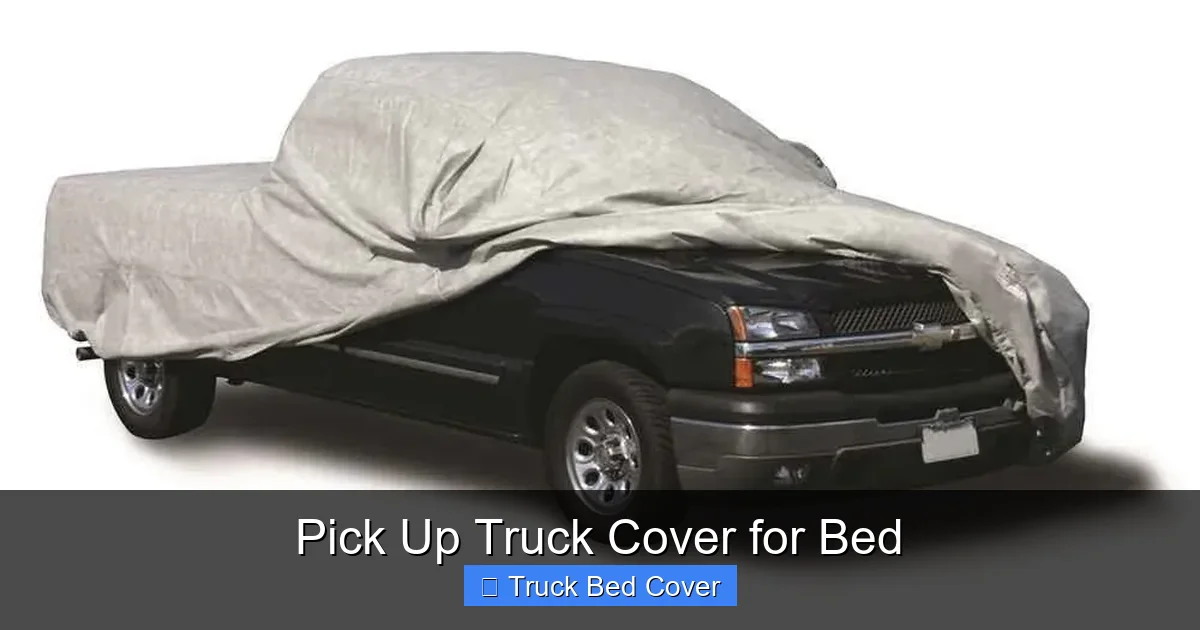
Visual guide about Pick Up Truck Cover for Bed
Image source: youngfartsrvparts.com
Not all pick up truck covers for bed are created equal. The best choice depends entirely on how you drive, what you carry, and how often you need access to the bed. Here’s a breakdown of the most popular types:
Roll-Up Soft Covers
These are the most common and affordable option. Made from heavy-duty vinyl or polyester fabric stretched over a series of aluminum or steel rails, roll-up covers unroll and rewind like a window shade. They’re lightweight, easy to install, and don’t require drilling into your truck frame.
Pros:
– Inexpensive (usually $150–$400)
– Quick access to the entire bed
– No permanent modifications
– Good water resistance
Cons:
– Can flap in high winds if not secured tightly
– Less rigid than hard lids
– May sag under heavy loads
Best for: Daily drivers, farmers, contractors who need frequent access.
Retractable Hard Covers
Also known as sliding tonneau covers, these feature a rigid panel system that slides back along the bed rail. When retracted, the panels store neatly inside a box at the front of the bed, giving full access without folding.
Pros:
– Excellent security and weather sealing
– Sleek, modern look
– Panels lock securely when closed
– Durable and long-lasting
Cons:
– Higher price ($500–$1,200+)
– Slightly heavier than soft covers
– Requires more space to fully retract
Best for: Urban commuters, delivery drivers, anyone prioritizing security and style.
Tri-Fold Hard Covers
Made from multiple hinged sections (usually three), tri-folds fold flat over the tailgate. They’re sturdier than soft covers but more compact than retractables.
Pros:
– Easy to remove completely
– Good balance of strength and convenience
– Often include built-in locks
– Affordable mid-range option ($300–$700)
Cons:
– Takes up space when folded
– Can be bulky to store
– May limit rear visibility when partially open
Best for: General-purpose users wanting durability without breaking the bank.
Hard Folding Panel Covers
Similar to tri-folds but made from thicker, multi-layered composite materials. These offer enhanced impact resistance and better insulation.
Pros:
– Rigid structure protects cargo from dings
– Superior weather sealing
– Long lifespan (10+ years)
Cons:
– Heavier and more expensive ($600–$1,500)
– Bulkier when folded
– Professional installation recommended
Best for: Off-road enthusiasts, tradespeople carrying fragile tools.
Retractable Canvas Covers
A hybrid between soft and hard covers—canvas fabric stretched over a metal rail with a manual crank mechanism. Allows partial or full retraction.
Pros:
– Looks premium
– Lightweight yet strong
– Easy to operate manually
Cons:
– More complex mechanics than roll-ups
– Higher maintenance due to moving parts
– Mid-to-high price range ($400–$900)
Best for: Those who want the look of a hard cover with the flexibility of a soft one.
Full Bed Caps (Hard Lids)
These are solid, fixed covers that span the entire length of the truck bed. Common on lifted trucks or custom builds.
Pros:
– Maximum security and weatherproofing
– Aerodynamic design
– Customizable finishes (paint-matching available)
Cons:
– Expensive ($1,000–$3,000+)
– No access without removing entire cap
– Not ideal for variable cargo sizes
Best for: Show trucks, fleet vehicles, or owners who rarely need bed access.
Each type has strengths and weaknesses. The key is matching the cover to your daily routine. Do you need quick access? Go soft. Want maximum security? Consider a retractable or full cap.
Choosing the Right Material for Your Pickup Truck Cover
The material of your pick up truck cover for bed directly impacts durability, cost, and performance. Let’s compare the top choices:
Vinyl and Polyester Fabrics
Most soft covers use marine-grade vinyl or reinforced polyester. Vinyl is waterproof, UV-resistant, and flexible in cold weather. Polyester offers higher tear strength and is lighter.
Tip: Look for covers with UV inhibitors and mildew-resistant coatings—especially if you live in sunny or humid climates.
Aluminum and Steel Panels
Common in hard covers, these metals provide rigidity and impact resistance. Aluminum is lighter and rust-proof; steel is stronger but prone to corrosion unless powder-coated.
Pro Tip: Powder-coated finishes add scratch resistance and last longer than bare metal.
Fiberglass and Composite Materials
Used in high-end hard covers and full bed caps. Fiberglass is lightweight and strong but can crack under extreme stress. Composites blend resins with fibers for balanced strength and flexibility.
Note: Some composites are designed to match your truck’s factory paint color.
Canvas
Natural cotton or synthetic blends offer breathability and a classic look. However, untreated canvas absorbs water and can mildew. Always opt for treated canvas with waterproof liners.
Recommendation: For harsh conditions, avoid pure canvas unless it has a PVC backing or liner.
Material choice also affects weight. Heavier covers may reduce payload capacity slightly, so check your truck’s GVWR before purchasing.
Installation Tips for a Perfect Fit
Even the best pick up truck cover for bed won’t perform well if it’s loose or misaligned. Proper installation ensures a tight seal, prevents flapping, and extends the cover’s life.
Start by measuring your truck bed carefully. Get the exact length, width, and height—including any toolboxes or bed dividers. Most manufacturers provide fitment guides, but real-world measurements beat guesswork.
Next, clean the bed rails and tailgate area. Dirt, grease, or rust compromises adhesion and can cause leaks.
For roll-up and tri-fold covers:
– Ensure the tailgate latch engages smoothly.
– Tighten all clamps and straps evenly—don’t over-tighten, or you’ll warp the rails.
– Test the roll/unroll action several times before finalizing.
For retractables and hard panels:
– Follow manufacturer torque specs for bolt tightening.
– Use threadlocker on screws to prevent loosening from vibrations.
– Check alignment after driving short distances.
If you’re unsure, hire a professional installer—many auto shops offer this service for around $50–$100. It’s cheaper than replacing a damaged cover later.
Maintenance and Care Best Practices
Like any outdoor gear, your pick up truck cover for bed needs regular care to stay effective. Here’s how to keep it in top shape:
– Clean monthly: Use mild soap and water. Avoid abrasive scrubbers that scratch vinyl or fabric.
– Rinse after salt season: Road salt accelerates corrosion on metal parts.
– Lubricate hinges and latches: Apply silicone spray once a year to prevent sticking.
– Inspect for tears or worn seals: Catching small issues early avoids bigger repairs.
– Store properly: If removable, lay it flat in a cool, dry place away from direct sunlight.
Never pressure-wash a soft cover—it can force water through seams. Instead, wipe gently with a damp cloth.
Also, avoid dragging heavy objects across the cover when it’s closed. Even small scratches weaken the material over time.
Safety and Legal Considerations
While bed covers enhance safety by protecting cargo, they must also comply with local regulations. In some states, fully covered trucks must still have side mirrors visible and license plates unobstructed.
Additionally, certain covers can affect rear visibility. Tri-folds or soft covers partially raised may block the driver’s view—check your local laws or consult your DMV.
Safety tip: Never overload your truck beyond its rated capacity. A heavy cover adds weight, so factor that into payload calculations.
Lastly, always lock the cover when unattended. Even the most secure model can be compromised with enough time and tools.
Frequently Asked Questions
Which type of bed cover is best for off-roading?
For off-roading, consider a tri-fold or retractable hard cover. They protect cargo from mud and rocks while allowing quick access. Avoid soft roll-ups—they can catch debris and degrade faster in rough terrain.
Can I wash my truck with the bed cover on?
Yes, but avoid spraying water directly onto seams or latches. Use low-pressure settings and focus on the truck’s exterior. Just make sure the cover is securely fastened during washing.
Will a bed cover void my truck warranty?
Generally no—if installed correctly and removed before service. However, always check your warranty terms. Some manufacturers require OEM-approved accessories to preserve coverage.
Do I need to remove the bed cover in winter?
Not necessarily. Most modern covers handle snow and ice well. Just ensure the tailgate seals are intact and clear snow from the rails to prevent freezing shut.
Can I paint my bed cover to match my truck?
Some hard covers and full bed caps offer paint-matching services. For soft covers, specialized dyes exist but may fade over time. Consult your dealer or cover manufacturer for options.
How do I prevent my bed cover from flapping in the wind?
Use included tie-down straps, ensure the cover fits snugly, and avoid overloading one corner. Adding a bed divider can also help stabilize large soft covers.