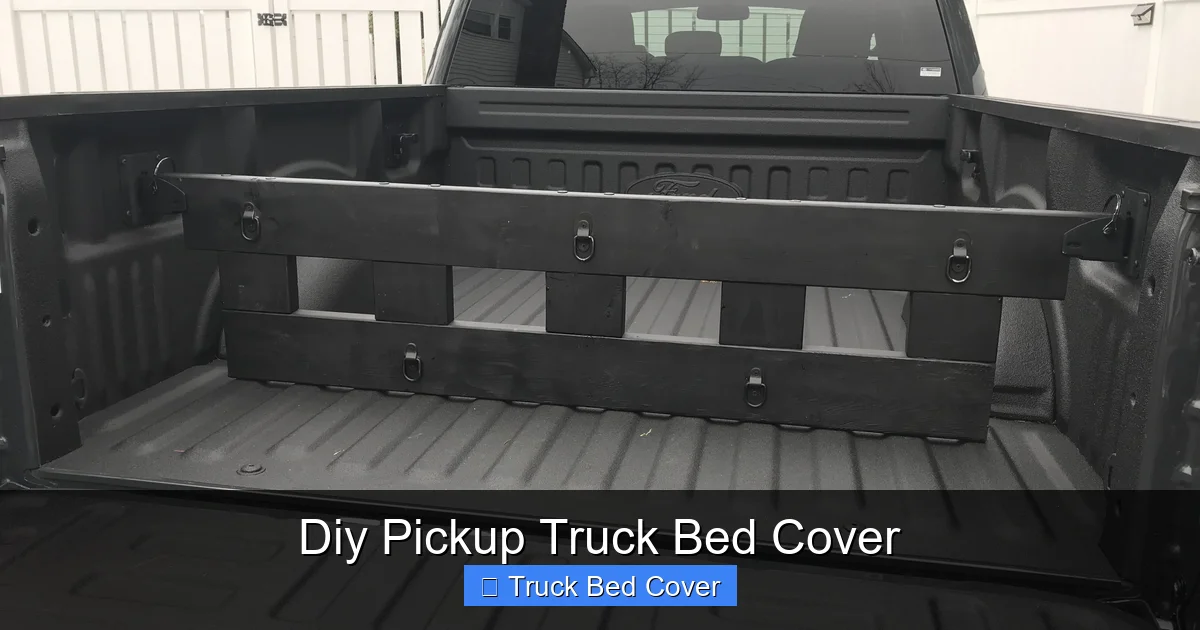
Diy Pickup Truck Bed Cover
Looking to diy pickup truck bed cover but not sure where to start? You’re in the right place! This comprehensive guide walks you through every step—from choosing materials to installing your custom cover—so you can save hundreds while boosting your truck’s style and function. Whether you want a roll-up, tonneau-style, or hard-shell design, we’ve got you covered (literally).
If you drive a pickup truck, you know how valuable your bed is—whether you’re hauling gear, protecting equipment, or just keeping things dry on a rainy day. But factory-installed bed covers are expensive, often don’t fit perfectly, and may lack the customization you want. Enter the world of DIY pickup truck bed covers. With a little time, creativity, and basic tools, you can build a high-quality cover that’s tailored to your needs—and your budget.
In this article, we’ll walk you through everything you need to know about designing, building, and installing your own truck bed cover. From material choices to step-by-step instructions, we’ll make it simple so you can get started today. No engineering degree required!
—
Key Takeaways
- Cost Savings: DIY truck bed covers cost 40–60% less than store-bought options without sacrificing quality.
- Custom Fit: Build a cover that matches your truck’s exact bed size and style preferences.
- Weather Protection: Properly sealed DIY covers block rain, snow, and UV rays to protect cargo.
- Tools & Materials: Most projects require basic tools like a jigsaw, drill, and measuring tape—no advanced skills needed.
- Durability Options: Use marine-grade vinyl, plywood frames, or aluminum rails for long-lasting performance.
- Installation Time: Most DIY covers take 4–8 hours from start to finish.
- Aesthetic Control: Choose colors, textures, and mounting styles that match your truck’s look.
Quick Answers to Common Questions
Can I build a DIY pickup truck bed cover if I’m not handy?
Absolutely! Most DIY covers use basic tools and straightforward steps. Start with a soft roll-up design—it’s the most beginner-friendly option.
How long does it take to build a DIY bed cover?
Expect 4 to 8 hours for a soft cover, and up to 12–15 hours for a hard shell. Take your time—rushing leads to mistakes.
What’s the best material for a weatherproof cover?
Marine-grade vinyl for soft covers, and exterior-grade plywood or aluminum for hard shells. Both resist moisture and UV damage.
Will a DIY cover fit my specific truck model?
Yes—just measure your bed precisely and account for rail types (rack vs. non-rack, step bumper, etc.). Custom fits are possible with careful planning.
Can I add a DIY cover to a truck with a bedliner?
Yes, but remove the bedliner first for a flush fit. Reinstall it after the cover is installed to protect the truck bed.
📑 Table of Contents
- Why Choose a DIY Pickup Truck Bed Cover?
- Types of DIY Pickup Truck Bed Covers
- Essential Tools and Materials for Your DIY Pickup Truck Bed Cover
- Step-by-Step: Building a DIY Roll-Up Bed Cover
- Advanced Tips for a Professional-Looking DIY Cover
- Maintenance and Longevity of Your DIY Pickup Truck Bed Cover
- Common Mistakes to Avoid When Building Your Own Bed Cover
- Final Thoughts: Is a DIY Pickup Truck Bed Cover Right for You?
Why Choose a DIY Pickup Truck Bed Cover?
Before diving into the build, let’s talk about why so many truck owners are turning to DIY solutions. First and foremost: **cost**. Commercial bed covers—especially premium brands like BakFlip or UnderCover—can run $500 to over $1,000. A well-executed DIY project using common materials costs under $200. That’s a savings of hundreds of dollars with similar functionality.
But it’s not just about money. DIY gives you **full control** over design, materials, and installation. Want a sleek black matte finish? You can paint it yourself. Prefer roll-up convenience? Build your own soft top with side rails. Need a hard-shell look but don’t want to spend $1,500? Craft one with plywood and fiberglass.
Plus, building your own cover is a rewarding project. It’s hands-on, educational, and adds personal flair to your vehicle. And if something breaks or wears out, you can repair it yourself instead of replacing the whole system.
—
Types of DIY Pickup Truck Bed Covers
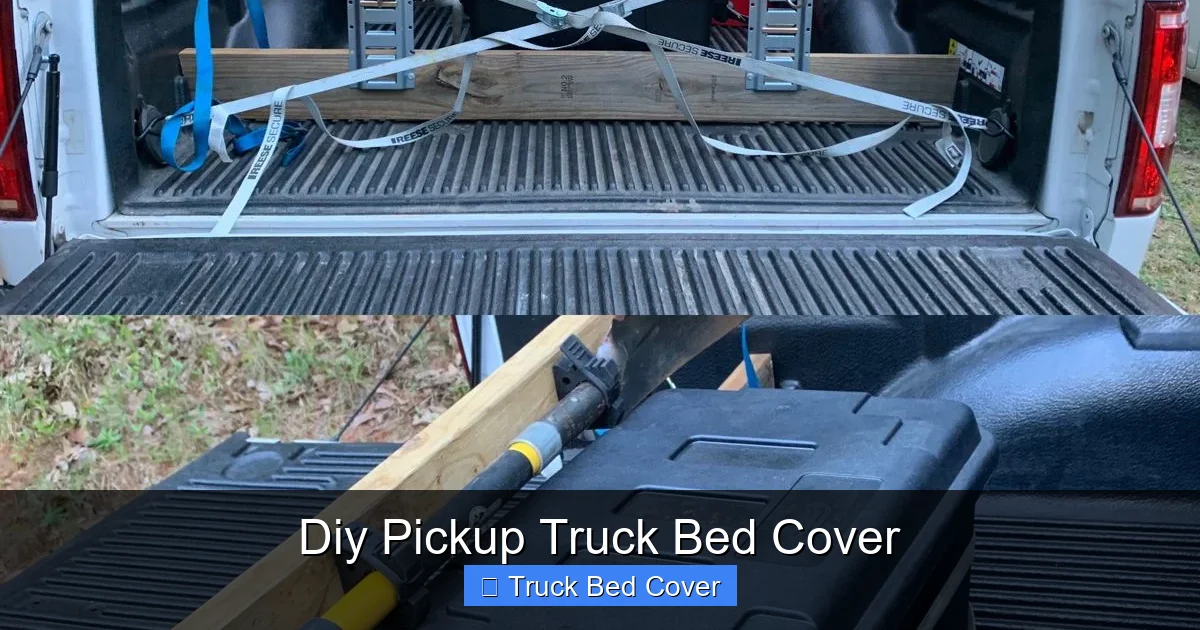
Visual guide about Diy Pickup Truck Bed Cover
Image source: i.pinimg.com
Not all DIY truck bed covers are the same. Depending on your needs, you might choose from several popular types:
Soft Roll-Up Covers
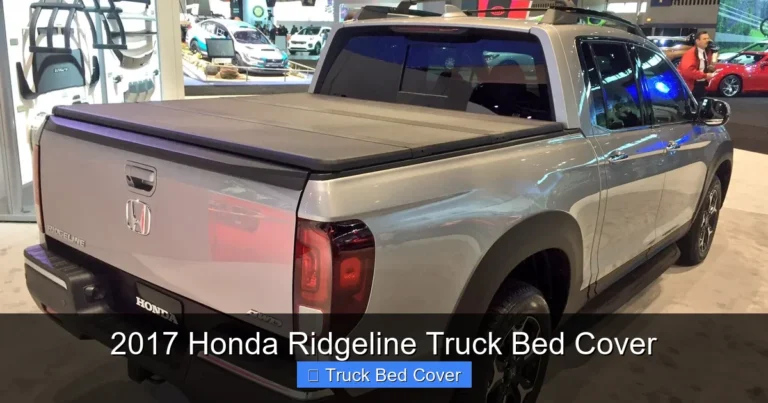
These are the easiest to build and most affordable. Made from heavy-duty fabric stretched over a frame, they roll up and secure at the front of the bed. Ideal for occasional use and light weather protection.
– **Pros:** Inexpensive, lightweight, easy to install
– **Cons:** Less secure against theft, limited wind resistance
– **Best For:** Casual users, light-duty hauling
Tonneau Covers (Panel or Soft Top)
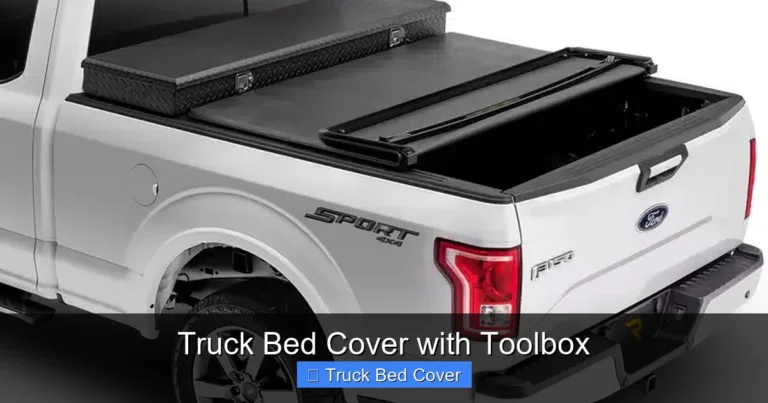
These sit flush across the bed and latch at the front. You can build them with multiple panels or a single roll-up panel. Often made with aluminum or wood frames and marine vinyl tops.
– **Pros:** Sleek appearance, good weather sealing
– **Cons:** Slightly more complex build
– **Best For:** Daily drivers who want style and moderate protection
Hard Shell Covers
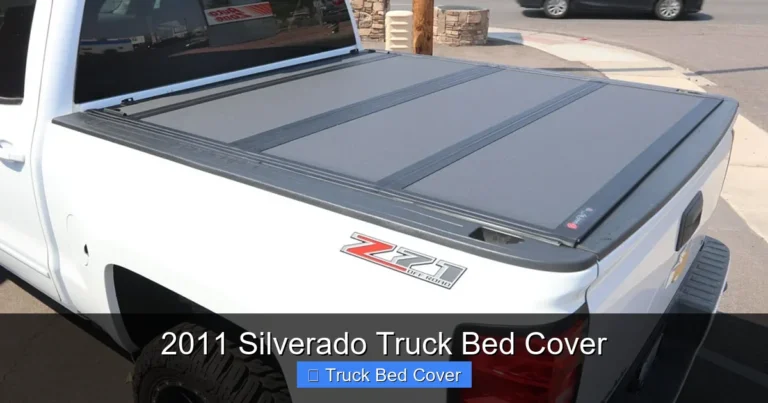
The most durable option. Built with rigid materials like plywood, MDF, or aluminum sheets, these covers offer full security and weatherproofing. Can be painted or finished to match your truck.
– **Pros:** Maximum protection, theft deterrent, long lifespan
– **Cons:** Heavier, higher material cost
– **Best For:** Heavy-duty use, extreme climates, security-conscious owners
Retractable or Sliding Covers
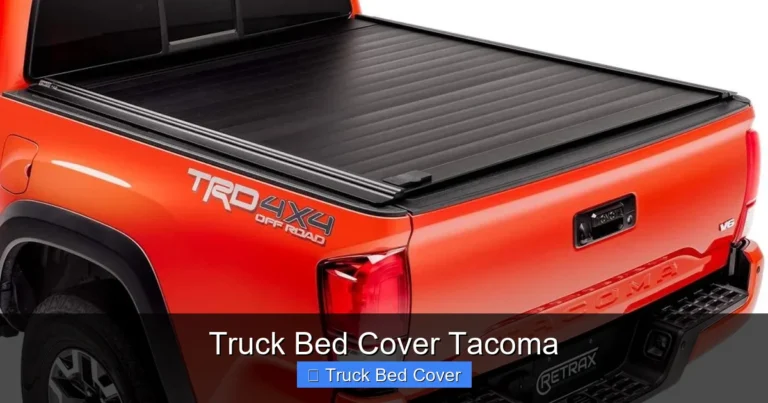
These glide along side rails and lock in place. While more complex, you can build a basic version using sliding drawer hardware and a fabric or panel system.
– **Pros:** Full bed access, modern look
– **Cons:** Requires precise measurement and alignment
– **Best For:** Trucks used for frequent loading/unloading
—
Essential Tools and Materials for Your DIY Pickup Truck Bed Cover
Every great DIY project starts with the right tools and materials. Here’s what you’ll typically need:
Basic Tools
- Measuring tape
- Saw (jigsaw, circular saw, or hand saw)
- Drill and drill bits
- Sandpaper (medium and fine grit)
- Clamps
- Level
- Marker or chalk line
- Wrench set
Materials by Cover Type
For Soft Roll-Up or Tonneau Covers:
- Marine-grade vinyl or canvas (e.g., Sunbrella)
- Aluminum angle brackets or wood frame (1×2 or 1×3 pine)
- Stainless steel screws and bolts
- Foam tape or weather stripping
- Rope or bungee cords for tension
For Hard Shell Covers:
- 1/2″ to 3/4″ plywood or MDF
- Fiberglass cloth and resin (optional for reinforcement)
- Exterior-grade wood glue
- Sandpaper and primer
- Automotive paint or marine enamel
- Heavy-duty hinges and latches
Universal Supplies:
- L-brackets or U-bolts for mounting
- Silicone sealant (clear or black)
- Paintable rubber gaskets
- Velcro strips or magnetic closures (for quick access)
Pro Tip: Buy materials in bulk if you plan to build multiple covers or future projects. Many hardware stores offer discounts on lumber and fasteners.
—
Step-by-Step: Building a DIY Roll-Up Bed Cover
Let’s walk through a practical example: building a simple roll-up tonneau cover. This design is perfect for beginners and offers great value.
Step 1: Measure Your Truck Bed
Use a tape measure to record:
– Length (from tailgate to bed wall)
– Width (inside rail to inside rail)
– Height (rail height or desired cover height)
Write down these numbers—they’ll guide your frame and material cuts.
Step 2: Build the Frame
Cut two side rails (length of bed) and one front crossbar (width of bed). For a soft top, use 1×3 pine or aluminum extrusion. Sand edges smooth.
Attach the front bar to the side rails using corner brackets or screws. Make sure everything is square using a carpenter’s level.
Step 3: Attach the Fabric
Lay the marine vinyl over the frame, leaving extra material at the ends. Staple it tightly to the underside of the rails, starting from the center and working outward. Overlap seams slightly and seal with waterproof tape.
Roll the fabric forward and secure it with straps or buckles at the front.
Step 4: Install Mounting Hardware
Attach L-brackets to the truck bed rails using U-bolts. Ensure the frame sits flush and doesn’t interfere with tailgate operation.
Test the roll-up mechanism—it should move smoothly without snagging.
Step 5: Seal and Finish
Apply silicone sealant around the edges where the fabric meets the truck bed. Add weather stripping to reduce wind noise and water intrusion.
Let it cure for 24 hours before use.
—
Advanced Tips for a Professional-Looking DIY Cover
Want your DIY cover to look like it came from the factory? Try these pro tips:
Use Precision Measurements
Even a half-inch error can throw off the entire fit. Double-check all measurements and mark cut lines clearly. Use a straightedge and pencil for clean, accurate lines.
Add Reinforcements
For hard covers, add internal bracing to prevent flexing. A diagonal crossbeam or vertical supports at the center will strengthen the structure.
Choose the Right Finish
Sand, prime, and paint your cover for a factory finish. Use automotive-grade paint for UV resistance. For soft covers, dye the vinyl if it fades over time.
Seal All Edges
Water intrusion is the #1 cause of premature wear. Apply silicone along seams and mounting points. Consider adding drip rails above the tailgate area.
Install Quick-Access Panels
Add removable panels or Velcro-backed sections so you can open only part of the bed. Great for accessing tools without rolling the whole cover.
Use Magnetic Latches
Instead of traditional latches, try magnetic ones for tool-free opening. They’re strong, rust-resistant, and easy to install.
—
Maintenance and Longevity of Your DIY Pickup Truck Bed Cover
A DIY cover isn’t “set it and forget it.” Proper maintenance ensures it lasts for years.
Clean Regularly
Wipe down soft covers with mild soap and water. For hard covers, use a car wash solution and microfiber cloth. Avoid harsh chemicals that can degrade materials.
Inspect for Damage
Check seams, zippers, and latches monthly. Replace worn gaskets or torn fabric promptly.
Store Properly
When not in use, roll soft covers loosely to prevent creasing. Store hard covers in a dry place to avoid moisture damage.
Lubricate Moving Parts
Apply a small amount of silicone spray to hinges, latches, and rollers annually.
Reapply Sealant Annually
Over time, silicone sealant dries out. Reapply every 12–18 months to maintain watertight integrity.
With care, your DIY cover can last 5–10 years—sometimes longer than cheaper commercial alternatives.
—
Common Mistakes to Avoid When Building Your Own Bed Cover
Even experienced builders make mistakes. Here’s how to avoid the most common pitfalls:
- Skipping Measurements: Always measure twice. Cut once.
- Poor Material Choice: Don’t skimp on marine-grade vinyl or exterior plywood. Cheap materials fail fast.
- Ignoring Wind Loads: In high winds, loose covers flap and tear. Secure with proper tension and sealing.
- Incorrect Hinge Placement: On hard covers, hinges should be spaced evenly and aligned with truck bed rails.
- Neglecting Drainage: Include small holes or channels to let water drain away from the bed.
- Using Weak Fasteners: Always use stainless steel or coated hardware to resist rust.
Remember: a well-built cover looks great and functions flawlessly. Rushing leads to frustration later.
—
Final Thoughts: Is a DIY Pickup Truck Bed Cover Right for You?
Building your own bed cover is more than a weekend project—it’s an investment in your truck’s functionality, aesthetics, and value. While it requires effort and attention to detail, the payoff is worth it. You’ll save money, learn new skills, and end up with a cover that’s uniquely yours.
Whether you choose a soft roll-up, sleek tonneau, or rugged hard shell, the principles remain the same: measure carefully, use quality materials, and seal it tight. And if you run into trouble? There are countless online forums, YouTube tutorials, and local truck clubs ready to help.
So grab your tools, fire up some music, and start building. Your perfect truck bed cover starts with a single cut—and a lot of determination.
—
Frequently Asked Questions
How much does a DIY pickup truck bed cover cost?
Most DIY covers cost between $50 and $150 in materials, depending on type and quality. That’s 40–60% savings over commercial options.
Do I need special tools to build a bed cover?
No—basic tools like a saw, drill, measuring tape, and clamps are sufficient. You don’t need power tools or professional equipment.
Can I paint my DIY hard-shell cover?
Yes! Sand, prime, and apply automotive paint for a factory finish. Use a clear coat for added protection and shine.
Will a DIY cover hold up in heavy rain or snow?
Yes, if properly sealed. Use silicone sealant, weather stripping, and marine-grade materials to ensure water resistance.
Can I modify an existing bed cover instead of building one?
Sometimes—adding side rails or reinforcing weak areas is possible. But a full DIY build gives you the best fit and customization.
Where can I find plans or templates for DIY covers?
Many free guides are available on YouTube, Pinterest, and truck enthusiast forums. Search “DIY tonneau cover tutorial” for visual step-by-step help.