Cover for Truck Bed
Choosing the right cover for truck bed can transform how you use your pickup. Whether you’re hauling tools, groceries, or camping gear, a quality cover keeps cargo safe from rain, sun, theft, and dirt. From roll-up tonneaus to hard folding styles, there’s a solution for every need and budget.
If you own a pickup truck, you know how versatile your bed can be. Whether you’re using it for work, weekend adventures, or daily errands, protecting what you carry is just as important as getting there safely. That’s where a cover for truck bed comes in. Not only does it keep your belongings dry and secure, but it also enhances your truck’s style and functionality. In this complete guide, we’ll walk you through everything you need to know—from the different types of covers available to installation tips, maintenance advice, and how to pick the best one for your lifestyle.
Why bother covering your truck bed at all? Let’s start with the basics: exposure to the elements is tough on both your cargo and your truck. Rain turns your open bed into a swimming pool for whatever you’ve loaded up. Sunlight fades fabrics, warps plastics, and heats up metal tools until they’re too hot to touch. And let’s not forget wind—it can scatter lightweight items like bags, boxes, or even pet supplies across the road. On top of that, an uncovered bed invites prying eyes. Thieves see easy access. With the right cover, you turn your truck into a closed-off, weatherproof cargo zone.
Benefits of Using a Truck Bed Cover
Investing in a quality truck bed cover isn’t just about convenience—it delivers real-world advantages that affect safety, efficiency, and peace of mind.
– Keeps Cargo Dry: No more soaked backpacks after a sudden downpour. Water-resistant materials repel moisture while allowing airflow to prevent condensation buildup.
– Prevents Theft: Hard covers lock down the entire bed, making it much harder for opportunistic thieves to grab your tools or electronics.
– Improves Fuel Economy: Streamlined designs reduce drag, helping your engine work less hard at highway speeds—some drivers report up to a 10% improvement in MPG.
– Enhances Aesthetics: A sleek, fitted cover gives your truck a clean, professional look that turns heads at job sites or car shows.
– Protects Your Truck Paint: Prevents scratches, dings, and UV damage to your bed rails and tailgate when loading/unloading gear.
Now that you understand why a cover matters, let’s explore the main types available today.
Types of Truck Bed Covers Explained
Not all truck bed covers are created equal. The market offers several styles, each with unique pros and cons depending on your needs.
Roll-Up Tonneau Covers
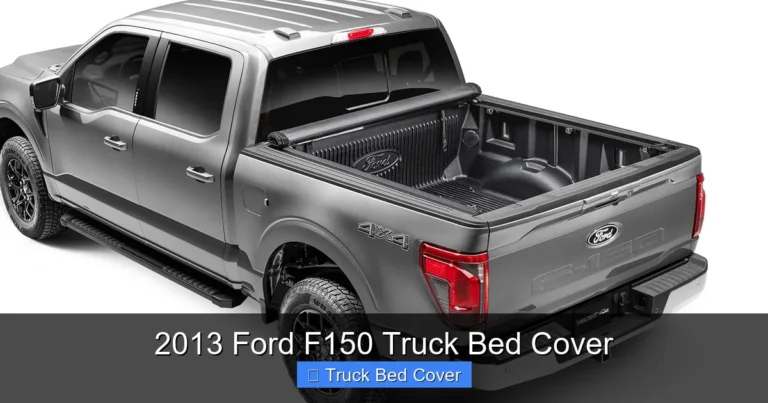
These are among the most popular choices thanks to their balance of affordability, durability, and ease of use. Made from heavy-duty vinyl stretched over aluminum or fiberglass bows, roll-up covers unroll from a bulkhead-mounted canister. You can quickly access the full bed by pulling the cover back—perfect for frequent loading and unloading.
Pros:
– Easy to operate with one hand
– Affordable compared to hard covers
– Lightweight and doesn’t add much weight to your truck
Cons:
– Less secure than hard covers (can be cut or peeled back)
– Vinyl can crack in extreme cold
– Bulkier storage when rolled
Tri-Fold Tonneau Covers
As the name suggests, these fold into three sections that rest flush against the cab. They’re made of layered fabric or rigid panels and latch securely at the front. Tri-folds offer quick access while maintaining a low profile.
Pros:
– Compact when folded
– Good weather resistance
– Easy installation
Cons:
– Can trap moisture between layers if not sealed properly
– May interfere with certain camper shell installations
– Fabric versions wear out faster than hard panels
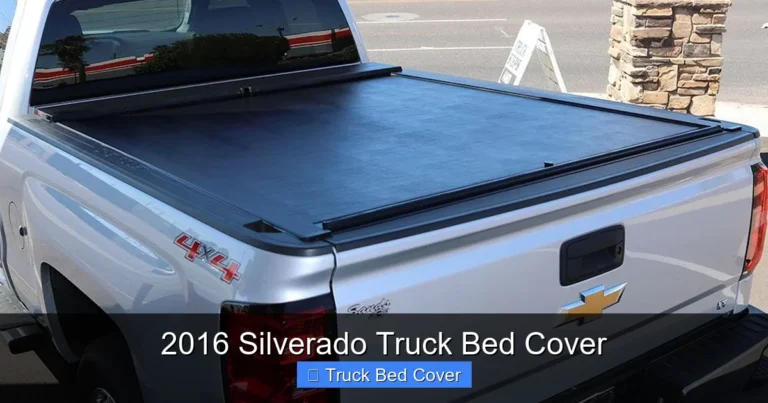
Retractable (Rolling) Tonneau Covers
Also known as “rolling” or “retractable” covers, these sit flush with your truck bed and roll up into a compact housing at the front. They’re powered manually or sometimes electrically and provide full bed access without lifting anything.
Pros:
– Sleek, modern appearance
– Full bed access
– Excellent sealing against water and debris
Cons:
– More expensive
– Heavier than roll-up models
– Requires precise alignment during installation
Soft Top Bedsides
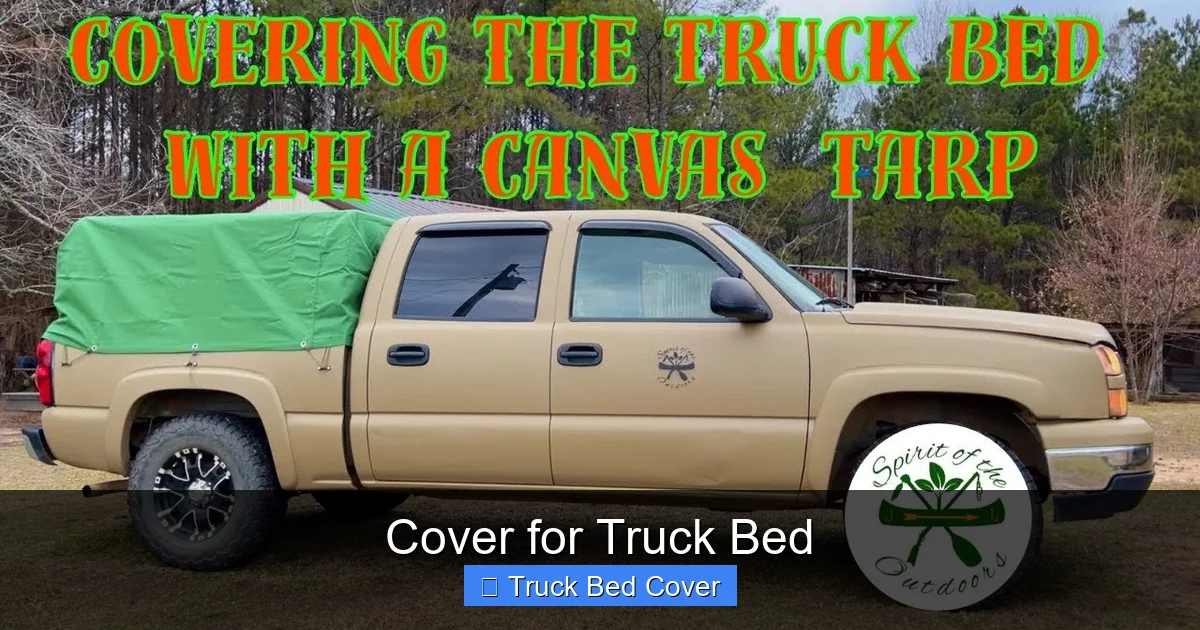
These aren’t full covers but rather extendable side panels that attach to the bed rails. They’re great for light-duty protection but don’t seal the entire bed. Often used in combination with other accessories.
Pros:
– Inexpensive
– Quick to install
– Great for occasional use
Cons:
– Leaves gaps at the sides and rear
– Offers minimal security
– Not suitable for harsh weather
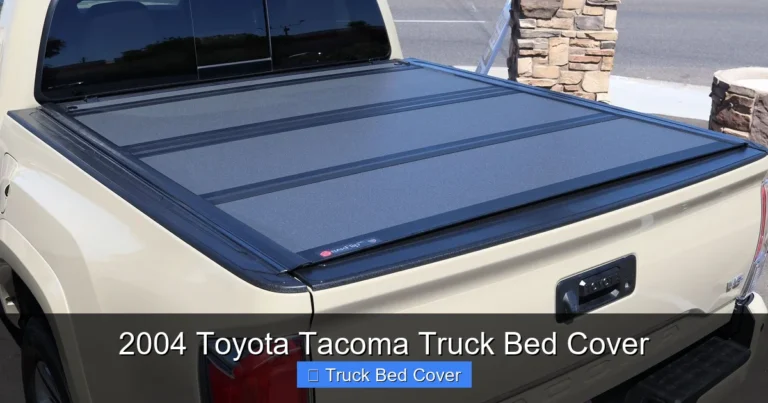
Hard Folding (Paneled) Tonneau Covers
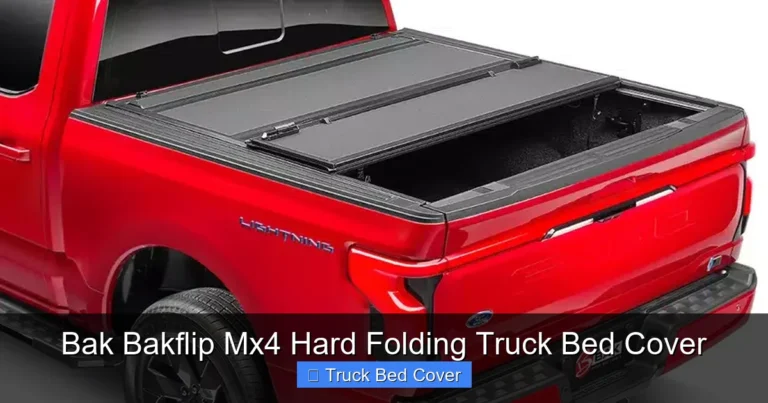
Made from solid aluminum or fiberglass panels, these fold flat or stack neatly behind the cab. They’re locked in place with latches and offer maximum security and weatherproofing.
Pros:
– Best theft protection
– Rugged construction
– Long lifespan (10+ years)
Cons:
– Higher upfront cost
– Slightly heavier
– Takes up space when folded
Retractable Hard Covers
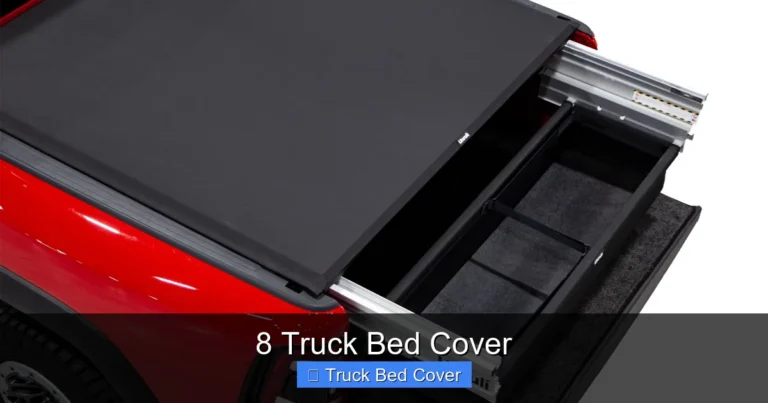
The premium option: a solid hard panel that rolls seamlessly into a watertight box at the front of the bed. These are often motorized and offer the ultimate blend of security, style, and function.
Pros:
– Fully sealed against water and dust
– Smooth, quiet operation
– High-end look
Cons:
– Very expensive
– Complex installation
– Requires electrical system integration
How to Choose the Right Cover for Your Truck
With so many options, how do you decide? Start by asking yourself a few key questions:
What will you primarily carry? If you transport sensitive electronics or expensive tools regularly, invest in a hard cover. For casual use—like moving furniture or groceries—a soft or roll-up model may suffice.
How often do you need access? Need to load something every few minutes? A roll-up or tri-fold gives instant access. Want full coverage most of the time? Consider a retractable or fixed hard cover.
What’s your climate like? In rainy areas, prioritize waterproof seals and reinforced stitching. In sunny regions, UV-resistant materials are essential.
Do you tow or camp often? If you use a camper shell or fifth-wheel trailer, check compatibility before buying.
What’s your budget? Soft covers start around $100, while high-end retractables can exceed $2,000. Remember: cheaper doesn’t always mean worse—just match features to your needs.
Installation Tips for Maximum Performance
Even the best cover won’t perform well if it’s poorly installed. Follow these steps for a tight, reliable seal:
1. Clean the Bed Thoroughly: Remove dirt, rust, and old adhesive residue. A clean surface ensures proper adhesion and prevents leaks.
2. Measure Twice, Cut Once: Use a tape measure to confirm your bed dimensions. Don’t assume all trucks in your series are identical—check exact specs.
3. Align Carefully: Most kits include mounting rails. Use a level and follow instructions precisely. Misalignment causes gaps and premature wear.
4. Tighten Without Overdoing It: Loose straps mean shifting; overly tight ones warp frames or crack brackets. Find the sweet spot.
5. Test the Seal: After installation, spray water along the edges. Look for drips. Adjust if needed.
Pro Tip: Watch manufacturer videos or DIY tutorials specific to your truck model. Real-world insights save hours of frustration.
Maintenance & Longevity
Like any outdoor gear, your truck bed cover needs care to last. Here’s how to keep it in top shape:
– Wash Regularly: Use mild soap and water. Avoid harsh chemicals that degrade vinyl or fabric.
– Lubricate Moving Parts: Apply silicone spray to hinges, latches, and tracks annually to prevent sticking.
– Inspect Seals: Check rubber gaskets and weatherstripping for cracks or compression loss. Replace as needed.
– Store Properly: If removing for winter, clean and dry completely before storing in a cool, dry place.
– Avoid Sharp Objects: Never drag heavy tools across the surface. Use a tarp underneath if necessary.
With proper care, even mid-range covers last 7–10 years. Premium models can outlast your truck itself.
Top Brands to Consider
While countless brands exist, these names consistently earn high marks for quality and customer service:
– Bak Industries: Known for rugged, American-made hard covers like the BakFlip HD and Revolver models.
– UnderCover: Offers sleek retractables and folding panels with excellent sealing technology.
– TruXedo: Popular for smooth-operating roll-up covers at competitive prices.
– DECKED: Specializes in modular systems combining drawer units with integrated covers—ideal for tradespeople.
– Rough Country: Budget-friendly soft and hard options with solid warranties.
Always read recent reviews and check compatibility lists before ordering online.
Safety Considerations
A covered truck bed isn’t invincible. Keep these safety notes in mind:
– Never Overload the Cover: Exceeding weight limits damages mechanisms and risks rollover hazards.
– Clear Emergency Access: Ensure you can open the cover quickly in case of fire or medical emergency.
– Check Visibility: Make sure the cover doesn’t block rearview mirrors or taillights.
– Secure Loose Items: Even with a cover, straps or bungees help prevent shifting during sudden stops.
Remember: A cover protects your cargo—but it shouldn’t compromise your ability to drive safely.
Environmental Impact & Sustainability
Eco-conscious buyers appreciate that many modern covers are built to last decades, reducing waste from frequent replacements. Some manufacturers now use recycled materials in frames or fabric linings. Additionally, improved fuel efficiency from aerodynamic covers lowers your carbon footprint over time.
When replacing an old cover, consider recycling metal parts or donating usable fabric sections to local makerspaces or schools.
Final Thoughts: Is a Truck Bed Cover Worth It?
Absolutely. Whether you drive a work truck, daily commuter, or adventure rig, a quality cover for truck bed pays for itself countless times over. It saves money by protecting investments (tools, laptops, sports gear), reduces stress during bad weather, and even boosts your vehicle’s resale value. Plus, the convenience factor alone—no more digging through wet boxes or worrying about someone stealing your cordless drill—makes it a smart upgrade.
Don’t wait for the next storm or break-in attempt to realize the importance of a good cover. Do your research, match features to your habits, and invest wisely. Your future self (and your wallet) will thank you.
Key Takeaways
- Types of Covers: Roll-up, tri-fold, retractable, and soft/hard tonneau covers offer different levels of security, weather protection, and ease of access.
- Weather Protection: A good truck bed cover shields cargo from rain, snow, UV rays, and dust—keeping items dry and preventing sun damage.
- Theft Deterrence: Hard covers provide better security than soft ones, making them ideal for tools, equipment, or valuable cargo.
- Fuel Efficiency: Aerodynamic designs reduce wind resistance, improving gas mileage by up to 10% on highway drives.
- Installation & Maintenance: Most covers install in under an hour without drilling; regular cleaning and tension checks keep them functioning smoothly.
- Budget vs. Durability: While soft covers are affordable, hard covers offer longer lifespans and better performance over time.
- Custom Fit Matters: Always measure your truck bed carefully to ensure a snug, secure fit that doesn’t interfere with tailgate operation.
Quick Answers to Common Questions
What’s the difference between a soft and hard tonneau cover?
Soft covers use flexible fabric stretched over bows, offering quick access and lower cost. Hard covers use solid panels (aluminum/fiberglass) for superior security and weather sealing, but at a higher price point.
Can I install a truck bed cover myself?
Yes! Most kits take under an hour and require no special tools. Just follow the manual, clean your bed first, and double-check alignment before tightening bolts.
Will a cover improve my gas mileage?
It can—especially on highways. Aerodynamic designs reduce wind resistance, potentially improving MPG by up to 10%. The effect is subtle but measurable over long distances.
Are retractable covers worth the extra cost?
If you want seamless operation, full bed access, and a premium look, yes. They’re ideal for frequent users who value convenience and style over budget savings.
How do I clean my truck bed cover?
Use mild soap and water. For vinyl or canvas, avoid abrasive scrubbers. Rinse thoroughly and air-dry. Lubricate hinges and latches annually with silicone spray.
Frequently Asked Questions
How do I choose the right size truck bed cover?
Measure your truck bed’s length, width, and depth exactly. Match these to the manufacturer’s specifications. Don’t rely on general size charts—models vary slightly even within the same year.
Can I leave my truck bed cover on in the rain?
Yes, but only if it’s rated waterproof. Poorly sealed covers allow water seepage. Check for leaks after heavy storms and re-tighten straps if necessary.
Do truck bed covers affect tailgate operation?
Some designs require lowering the tailgate to install or remove the cover. Others allow partial opening. Always verify compatibility with your specific model before purchasing.
Are soft covers less durable than hard covers?
Generally, yes. Soft covers last 3–7 years with normal use, while hard covers often exceed 10 years. However, quality soft covers from reputable brands can still serve reliably for years.
Can I add a cover to an older truck?
Absolutely. Most modern covers are universal-fit or designed to bolt onto existing rails. Older trucks benefit especially from added protection and security.
What maintenance do retractable covers need?
Keep tracks clean, lubricate moving parts yearly, and ensure the locking mechanism operates smoothly. Also inspect the weather seal at the front housing for tears or compression loss.