Clamps for Truck Bed Cover
Clamps for truck bed covers are essential tools that keep your tarp or cover tight and secure during transport. Whether you’re hauling gear, protecting cargo from weather, or just keeping things tidy, the right clamps make all the difference. High-quality clamps prevent shifting, reduce wear, and extend the life of your cover.
Key Takeaways
- Clamps keep your truck bed cover tight and secure: They prevent flapping, shifting, and damage during transit.
- Different clamps suit different covers: From bungee-style to ratchet systems, choose based on your cover type and needs.
- Material matters: Stainless steel and heavy-duty plastic resist rust and last longer than cheap alternatives.
- Easy installation saves time: Most clamps snap on quickly without tools—perfect for fast setups.
- Weather resistance is key: Look for UV-resistant and waterproof designs to handle rain, snow, and sun.
- Proper tension prevents cargo damage: Over-tightening can tear fabric; under-tightening allows movement.
- Regular inspection maintains performance: Check clamps monthly for wear, cracks, or loosening.
Quick Answers to Common Questions
What’s the difference between snap-on and ratchet clamps?
Snap-on clamps attach quickly without tools and are ideal for frequent switching between covered and uncovered beds. Ratchet clamps offer stronger, adjustable tension and are better suited for heavy loads or permanent setups.
Can I use any clamp with my tonneau cover?
Not always. Check compatibility with your cover type and bed rail size. Some clamps are designed specifically for soft roll-up covers, while others work with hard panels or tarps.
How tight should my truck bed cover be?
The cover should resist gentle pulling but not stretch or deform. Aim for a snug fit that eliminates flapping without over-tightening, which can damage fabric or strain the cover.
Are plastic clamps safe for aluminum truck beds?
Yes, but only if the plastic has padding or rubber inserts to prevent scratching. Avoid metal-on-metal contact, which can mar aluminum surfaces over time.
Do I need special tools to install clamps?
Most modern clamps—especially snap-on and strap types—install without tools. Bolted brackets may require a drill or wrench, depending on your truck model.
📑 Table of Contents
- What Are Clamps for Truck Bed Cover?
- Why Clamps Matter for Your Truck Bed Cover
- Types of Clamps for Truck Bed Covers
- Materials Used in High-Quality Clamps
- How to Install Clamps for Truck Bed Cover
- Top Features to Look for When Buying Clamps
- Maintenance Tips to Extend Clamp Life
- Real-World Examples: When to Use Which Clamp
- Conclusion: Secure Your Cover, Protect Your Investment
What Are Clamps for Truck Bed Cover?
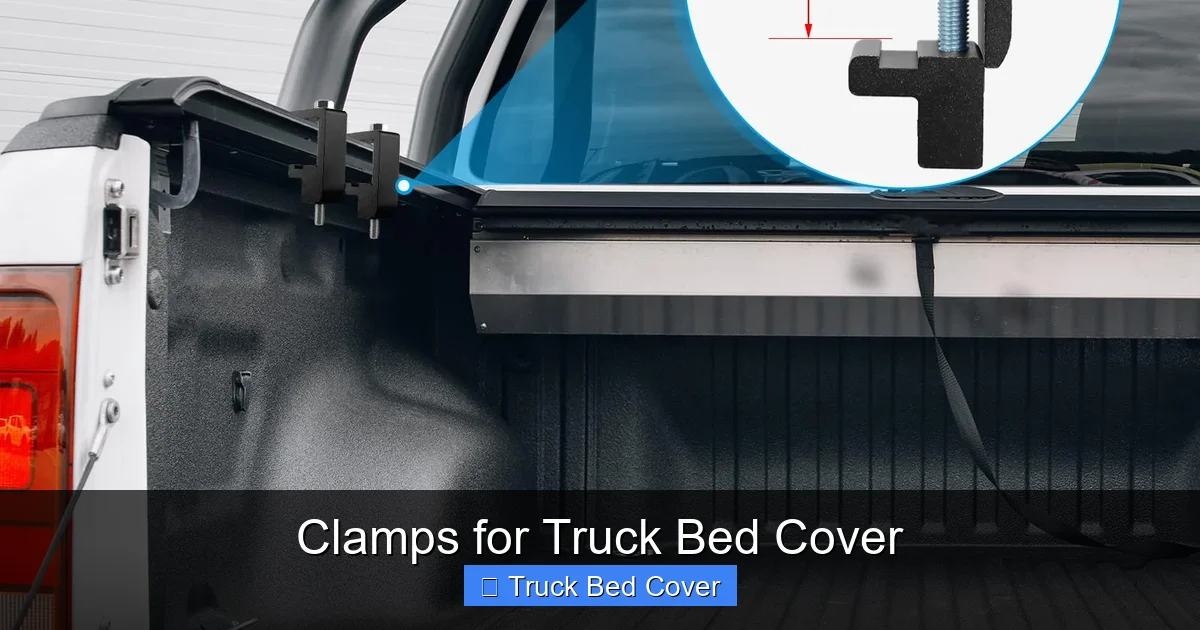
If you’ve ever struggled with a loose tarp flapping in the wind or a cover coming undone halfway through a trip, you know how frustrating it can be. That’s where clamps for truck bed cover come in. These handy devices attach securely to the bed rails of your truck and hold your tarp, tonneau cover, or soft cover in place. Think of them as the unsung heroes of cargo security—small but mighty tools that make a big difference in protecting your load and keeping your truck organized.
Truck bed covers are designed to shield everything from tools and equipment to furniture and outdoor gear from dirt, moisture, and theft. But even the best cover won’t stay in place without the right clamping system. Whether you’re using a roll-up tonneau, a hard tri-fold, or a simple canvas tarp, clamps help create a snug fit that stays put—no matter the road conditions. With so many options out there, choosing the right one might feel overwhelming. That’s why this guide walks you through everything you need to know: types, materials, installation tips, and which clamps work best for different setups.
Why Clamps Matter for Your Truck Bed Cover
Visual guide about Clamps for Truck Bed Cover
Image source: m.media-amazon.com
Let’s face it—your truck bed is exposed to wind, rain, temperature swings, and rough roads. Without proper clamping, your cover becomes a liability instead of an asset. A loose tarp not only looks messy but can also get torn or blown off, risking your cargo. Worse yet, flapping fabric wears out faster, shortening the lifespan of both the cover and your truck bed liner.
Clamps solve these problems by anchoring your cover securely to the bed rails. They distribute tension evenly across the material, preventing wrinkles and gaps. This means less drag, better fuel efficiency (yes, really!), and a cleaner look. Plus, when your cover stays tight, you reduce the chance of items shifting inside—something especially important if you’re carrying fragile or expensive gear.
Another benefit? Clamps protect your truck bed itself. Constant rubbing from a loose tarp can scratch paint and damage liners. Secure clamping minimizes contact, helping preserve your truck’s value over time. And let’s not forget safety: a well-secured cover reduces wind noise and prevents loose straps or ropes from becoming hazards on the highway.
Types of Clamps for Truck Bed Covers
Not all clamps are created equal. The right choice depends on your cover type, truck model, and how often you use it. Let’s break down the most common clamp styles so you can pick what fits your needs.
Bungee Cord Clamps
These are the simplest and most affordable option. Bungee cord clamps wrap around the bed rail and pull the tarp tight with elastic cords. They’re great for lightweight tarps or temporary setups like camping trips. However, they lack durability and can lose elasticity over time, leading to sagging covers. Also, they don’t offer precise tension control—too tight, and you risk tearing the fabric; too loose, and your cover drifts.
Ratchet Strap Clamps
For stronger hold and adjustable tension, ratchet strap clamps are a step up. These use a ratcheting mechanism to pull the cover tightly against the bed. You tighten until the desired firmness is reached, then lock it in place. Ideal for heavier loads or frequent use, they’re more reliable than bungees. Just be careful not to overtighten—plastic parts can crack under excessive force.
Quick-Release Clamps (Snap-On)
Popular among DIYers and fleet operators, quick-release clamps feature spring-loaded mechanisms that snap onto bed rails without tools. Brands like Tonno Pro and UnderCover offer models that click into standard mounting points. They’re fast to install and remove, making them perfect for users who switch between covered and uncovered beds regularly. Look for ones made from reinforced nylon or stainless steel for longevity.
C-Clamp Style
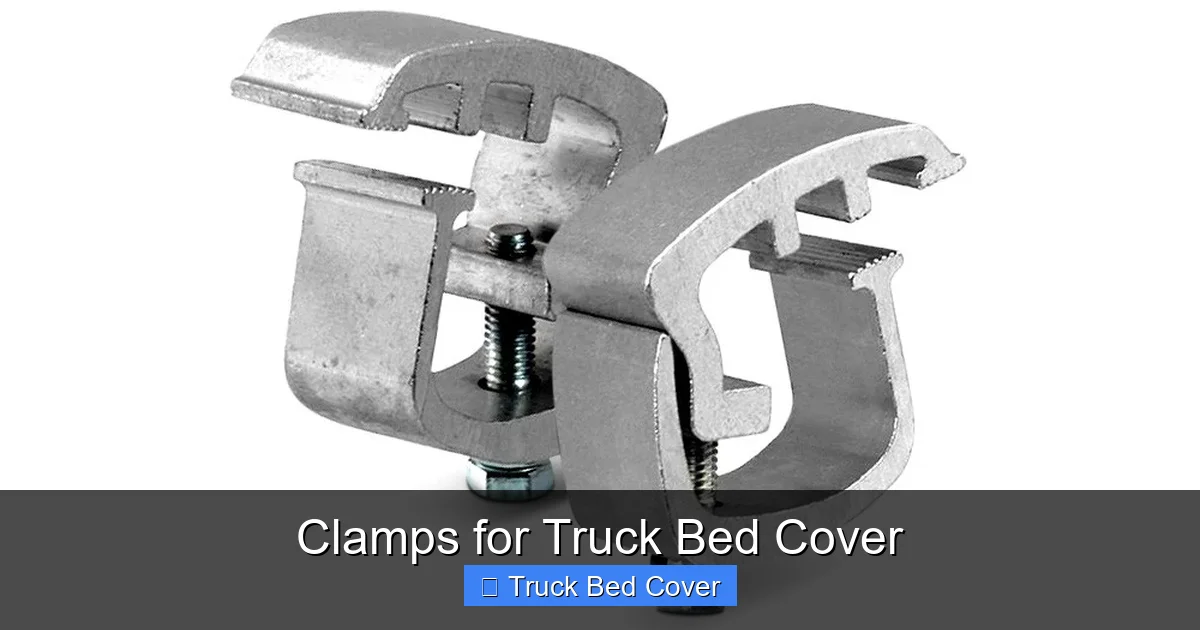
C-clamps resemble large spring-loaded clamps that grip the edge of the bed rail and press down onto the cover. They’re sturdy and provide solid holding power, but require manual tightening each time. While durable, they’re bulkier than other options and may interfere with tailgate operation on some trucks.
Custom Mounting Brackets with Bolts
For permanent installations, custom brackets allow you to bolt clamps directly into the bed rails. This method offers maximum stability and is often used with hard tonneau covers. It’s more labor-intensive to install, but once set up, it’s rock-solid. Ideal for commercial users or serious off-roaders who demand reliability.
Each type has pros and cons, so consider your usage frequency, cover weight, and whether you prioritize speed or strength.
Materials Used in High-Quality Clamps
When shopping for clamps, pay close attention to the materials. Cheap plastic or zinc-plated metal may save money upfront but fail quickly under stress or weather exposure.
Stainless Steel
Top-tier clamps often feature 304 or 316-grade stainless steel. It resists corrosion, handles heavy loads, and stands up to salt, moisture, and extreme temperatures. Though pricier, stainless steel clamps last years—even decades—with minimal maintenance. Great for coastal areas or winter driving.
Reinforced Nylon
Many modern snap-on clamps use UV-stabilized nylon blends. These won’t rust and are lighter than metal. They absorb minor vibrations, reducing rattling noise. However, they can degrade under prolonged sun exposure or sharp edges. Choose thick-walled nylon (like those with double-wall construction) for better durability.
Aluminum Alloys
Lightweight and corrosion-resistant, aluminum alloys strike a balance between strength and weight. Often used in ratchet systems, they’re strong enough for daily use but may dent or deform under extreme pressure. Pair with rubberized grips to prevent slippage.
Avoid thin-gauge plastics or galvanized steel—they may corrode or break when wet.
How to Install Clamps for Truck Bed Cover
Installing clamps correctly ensures safety, performance, and longevity. Here’s a step-by-step guide that works for most snap-on and strap-based systems:
1. **Clear the Bed Rails**: Remove any debris, mud, or old hardware from the bed rails. Clean surfaces ensure a secure fit.
2. **Position the Cover**: Lay your tarp or tonneau cover flat in the bed, ensuring full coverage without bunching.
3. **Attach Clamps at Corners and Midpoints**: Start by placing clamps near the front, back, and sides. For larger beds, add mid-bed clamps to prevent sag.
4. **Secure Each Clamp Firmly**: Snap them into place or tighten straps evenly. Don’t rush—each clamp should feel snug before moving to the next.
5. **Test for Tension**: Gently tug the cover fabric. It should resist movement without stretching excessively. Adjust as needed.
6. **Check Alignment**: Make sure the cover lies flat and doesn’t drag on the tailgate or cab.
7. **Do a Road Test**: Drive slowly around the block. Listen for flapping or rattling. Fine-tune if necessary.
Pro tip: Use a torque wrench if installing bolted brackets—over-tightening bolts can strip threads or crack aluminum beds.
Top Features to Look for When Buying Clamps
With dozens of products on the market, knowing what to prioritize helps you avoid buyer’s remorse. Focus on these key features:
Corrosion Resistance
Since trucks face rain, snow, road salt, and humidity, opt for clamps rated for marine or industrial environments. Stainless steel or powder-coated finishes beat chrome-plated or painted alternatives every time.
Ease of Use
Time is money—especially for delivery drivers or contractors. Quick-release models save minutes per load. Avoid clamps that require multiple tools or complex adjustments.
Compatibility
Measure your bed rail width (usually 1.5″ to 2.5″) and check clamp specs. Some are universal; others fit specific brands like Ford, Chevy, or Dodge. Also confirm your cover thickness—some clamps won’t work with thick canvas or reinforced vinyl.
Grip Strength
Look for rubberized or textured jaws that prevent slipping. Weak grips lead to loose covers and potential cargo loss. Tested weight ratings (e.g., “holds up to 50 lbs”) give a clue about durability.
Adjustability
Flexible tension control lets you customize tightness based on load and weather. Ratchet systems excel here, offering fine-tuned adjustments without guesswork.
Weatherproof Seals
If your clamps have moving parts (like springs), ensure they’re sealed against dust and water ingress. Moisture inside causes rust and stiffness.
Maintenance Tips to Extend Clamp Life
Even the best clamps wear out over time. Regular care keeps them functioning smoothly:
– **Inspect Monthly**: Look for cracks, bent arms, or stripped teeth. Replace damaged parts immediately.
– **Clean After Exposure**: Rinse off salt, mud, and grime. Dry thoroughly before storing.
– **Lubricate Moving Parts**: Use silicone spray on hinges or ratchets once a year to prevent sticking.
– **Store Properly**: If not in use for weeks, remove clamps and keep them in a dry place away from direct sunlight.
– **Avoid Chemicals**: Harsh cleaners can weaken plastic or strip protective coatings.
Simple habits like wiping down clamps after long trips go a long way toward preventing premature failure.
Real-World Examples: When to Use Which Clamp
Imagine you’re a landscaper hauling mulch bags weekly. You need something tough, tool-free, and fast. Snap-on clamps with reinforced nylon work perfectly—they attach in seconds and handle rough terrain.
Now picture a weekend warrior loading kayaks onto their truck for a river trip. Lightweight bungee clamps get the job done quickly, though you might want backup ratchet straps for added security in windy conditions.
For a pickup owner who drives cross-country with furniture, bolted C-clamps offer unmatched stability. They’re slower to install but worth the effort for heavy, valuable loads.
Each scenario highlights how clamp choice impacts real-world performance. Match your lifestyle to the right solution.
Conclusion: Secure Your Cover, Protect Your Investment
Clamps for truck bed cover aren’t just accessories—they’re critical components of a functional, safe, and efficient hauling system. Whether you’re protecting a $500 toolbox or a vintage guitar collection, the right clamps prevent damage, save time, and give you peace of mind on the road.
From bungee cords for casual use to stainless steel ratchets for professionals, there’s a clamp style for every need. Focus on quality materials, proper installation, and regular maintenance to maximize performance. And remember: a well-secured cover isn’t just about appearance—it’s about protecting your gear, your truck, and your wallet.
Next time you load up your truck, take a moment to check those clamps. A few minutes today can prevent headaches tomorrow.
Frequently Asked Questions
How do I choose the right clamp for my truck bed cover?
Consider your cover type, bed rail size, frequency of use, and environmental conditions. Match these factors to clamp features like adjustability, material, and ease of installation.
Can clamps damage my truck bed rails?
Only if improperly installed or made of hard materials without padding. Always use clamps with rubberized grips and follow manufacturer guidelines to prevent scratches or dents.
Will clamps work in cold weather?
Yes, but some plastics become brittle in freezing temps. Opt for stainless steel or high-grade nylon rated for low temperatures to maintain flexibility and strength.
How often should I replace my clamps?
Every 1–2 years under normal use, or immediately if you notice cracks, rust, or loss of tension. Inspect monthly and replace worn parts to avoid cover failure.
Are universal clamps a good idea?
They can work if they fit your bed rail dimensions, but dedicated models often provide better sealing and alignment. Test first and check weight ratings before relying on them.
Do clamps affect tailgate operation?
In rare cases, bulky C-clamps or poorly positioned snap-ons may interfere. Measure clearance and choose slim-profile designs to avoid this issue.