Bungee Truck Bed Cover
A bungee truck bed cover is a simple, cost-effective way to protect your truck bed from dirt, weather, and unauthorized access. Unlike rigid covers, it uses elastic bungees to hold lightweight tarps in place, offering flexibility, affordability, and quick deployment. Perfect for occasional use or as a backup when you need fast access to your cargo.
Have you ever needed to haul something quickly—like a generator after a storm or a last-minute camping trip—only to realize your expensive hard tonneau cover is too bulky to open fast? Or maybe you’re renting a truck and don’t want to pay extra for a premium cover? Enter the bungee truck bed cover: a no-frills, budget-friendly solution that gets the job done when you need it most. It’s not fancy, but it’s practical, portable, and surprisingly effective for everyday hauling tasks.
In this guide, we’ll walk you through everything you need to know about bungee truck bed covers—what they are, how they work, why someone would choose one, and whether it’s right for your truck and lifestyle. Whether you’re a weekend warrior, a tradesperson, or just someone who hates fiddling with complicated systems, this article will help you decide if a bungee bed cover makes sense for you.
Key Takeaways
- Affordable Protection: Bungee truck bed covers are significantly cheaper than hard or soft roll-up covers while still offering basic weather and dust protection.
- Easy Installation & Removal: No tools required—simply stretch bungee cords over the tailgate and around anchor points for a snug fit that’s ready in seconds.
- Quick Access: Lift the tarp up or remove it entirely to load or unload cargo quickly without unzipping or unlatching anything.
- Lightweight & Portable: Ideal for occasional use, road trips, or situations where you don’t want to install a permanent cover system.
- Limitations to Consider: Not fully waterproof, less secure against theft compared to locked covers, and not suitable for high-speed driving with loose cargo.
- Durability Varies: Quality depends on tarp material (ripstop nylon vs. vinyl) and bungee strength—invest in weather-resistant components for longevity.
- Best Use Cases: Great for tools, equipment, firewood, or non-perishable goods where full enclosure isn’t critical but visibility and light protection matter.
Quick Answers to Common Questions
Is a bungee truck bed cover waterproof?
Most are water-resistant but not fully waterproof. Gaps around the tailgate and edges allow some water intrusion during heavy rain or snow. For complete waterproofing, consider a sealed roll-up or hard cover.
Can I leave a bungee cover on my truck year-round?
Yes, but it’s not recommended in extreme weather. Constant exposure to UV rays, moisture, and temperature swings degrades the tarp and bungees faster. Remove and store it during harsh winters or long periods of disuse.
Will a bungee cover prevent theft?
It offers minimal deterrence. Anyone can remove it in seconds. For valuable cargo, use a locked tonneau cover, toolbox, or park in well-lit areas. The bungee cover is best for low-risk items.
How much does a good bungee truck bed cover cost?
Expect to pay $20–$60 for a basic model. Higher-quality options with UV coating, reinforced seams, or extra bungees may cost up to $100. Compare features versus your needs—cheap ones often break quickly.
Do I need to buy one specifically for my truck?
Ideally, yes. Truck beds vary in length, height, and tailgate design. A custom-fit cover sits better and lasts longer. Many brands list compatibility by make, model, and year—check before purchasing.
📑 Table of Contents
- What Is a Bungee Truck Bed Cover?
- Pros and Cons of Bungee Truck Bed Covers
- When Should You Use a Bungee Truck Bed Cover?
- Choosing the Right Bungee Truck Bed Cover
- Installation Tips for Maximum Effectiveness
- Maintenance and Longevity
- Alternatives to Consider
- Real-World Use Cases
- Final Thoughts: Is a Bungee Truck Bed Cover Right for You?
What Is a Bungee Truck Bed Cover?
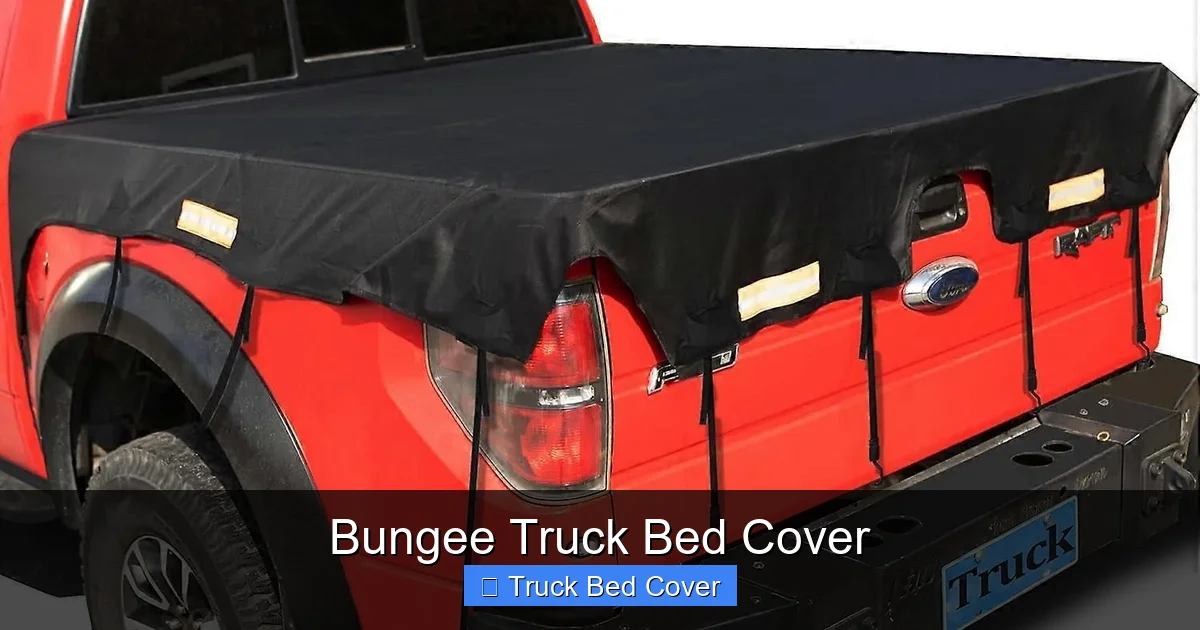
At its core, a bungee truck bed cover is exactly what it sounds like: a flexible tarp secured over your truck bed using heavy-duty elastic bungee cords instead of zippers, latches, or rigid frames. These covers come in two main forms:
- Full-bed tarps: Large sheets of fabric stretched across the entire bed, anchored at the front corners and tailgate with bungees.
- Roll-up tarps: Lightweight fabric rolls that can be pulled up and secured mid-bed with bungee loops or hooks.
Unlike traditional truck bed covers—such as hard shells, fiberglass caps, or roll-up canvas—the bungee style doesn’t require installation hardware or permanent modifications. You can put it on or take it off in under a minute. The bungees stretch over the bed rails, tailgate, and sometimes even the cab roof (in extended cabs), creating a taut surface that keeps rain, snow, dust, and prying eyes out—without locking anything down.
How Does It Work?
The magic happens in the simplicity of the design. Most bungee covers include:
- A durable tarp made from materials like ripstop nylon, canvas, or vinyl-coated polyester
- Heavy-duty rubber or latex bungee cords with metal hooks at each end
- Optional grommets or reinforced edges for added durability
- Low Cost: Typically priced between $20–$60, making them the most affordable option on the market.
- No Tools Required: Install and remove instantly—perfect for rentals, temporary setups, or users who don’t want permanent modifications.
- Lightweight: Easy to store in your glove box, toolbox, or under the passenger seat.
- Fast Deployment: Get covered in 10 seconds flat—ideal for unexpected weather changes or spontaneous trips.
- Visibility: Cargo remains visible, so you don’t have to open and close it constantly like with roll-up or tonneau covers.
- Not Fully Weatherproof: Gaps around edges and under the tailgate allow water intrusion during heavy rain or snow.
- Limited Security: Easily removable by anyone with a few seconds—not ideal for valuables.
- Bungee Stretch Over Time: Elastic cords lose tension after months of use, requiring replacement every 1–2 years.
- Wind Damage Risk: Loose edges can flap in strong wind, potentially tearing the tarp or damaging your tailgate.
- Not for High-Speed Driving: Unsecured items inside may shift or blow out if you drive fast with the tarp on.
- Ripstop Nylon: Lightweight, water-resistant, and tear-resistant. Best for dry climates or short-term use.
- Vinyl-Coated Polyester: More durable and water-repellant than nylon. Handles moisture better but adds weight.
- Canvas: Heavier and less flexible, but very rugged. Good for rough jobs but harder to fold and store.
- Thick, braided rubber or latex cords (at least 1/4-inch diameter)
- Corrosion-resistant metal hooks
- Even spacing—usually 2–4 bungees per side depending on cover size
- Reflective strips for nighttime visibility
- Built-in tie-down loops
- UV-resistant coating to prevent fading
- Padded edge guards to protect the tarp from bed rails
- Inspect Regularly: Check bungees for cracks or loss of elasticity. Replace if stretched beyond 80% of original length.
- Wash Gently: Spot-clean with mild soap and water. Avoid harsh chemicals that degrade fabric.
- Dry Completely: Never store wet—mold and mildew eat through materials fast.
- Reinforce Weak Spots: Sew small tears immediately; a patch kit costs less than a new cover.
- Hard Tonneau Covers: Offer full weather sealing and theft deterrence but cost hundreds and require drilling.
- Roll-Up Canvas: More secure than bungee, easier to use than hard covers, and moderately priced ($150–$300).
- Soft Tri-Fold: Affordable and compact, but bulkier when stored and prone to water pooling.
- Toolboxes: For valuable items, a lockable chest provides better security than any tarp.
To use it, you simply drape the tarp over your truck bed, stretch the bungees over the bed rails and around the tailgate, and let them snap into place. The tension holds the tarp tight, creating a snug seal. When you need access, just lift the corner or roll it up and tie it off with an included strap or loop.
Pros and Cons of Bungee Truck Bed Covers
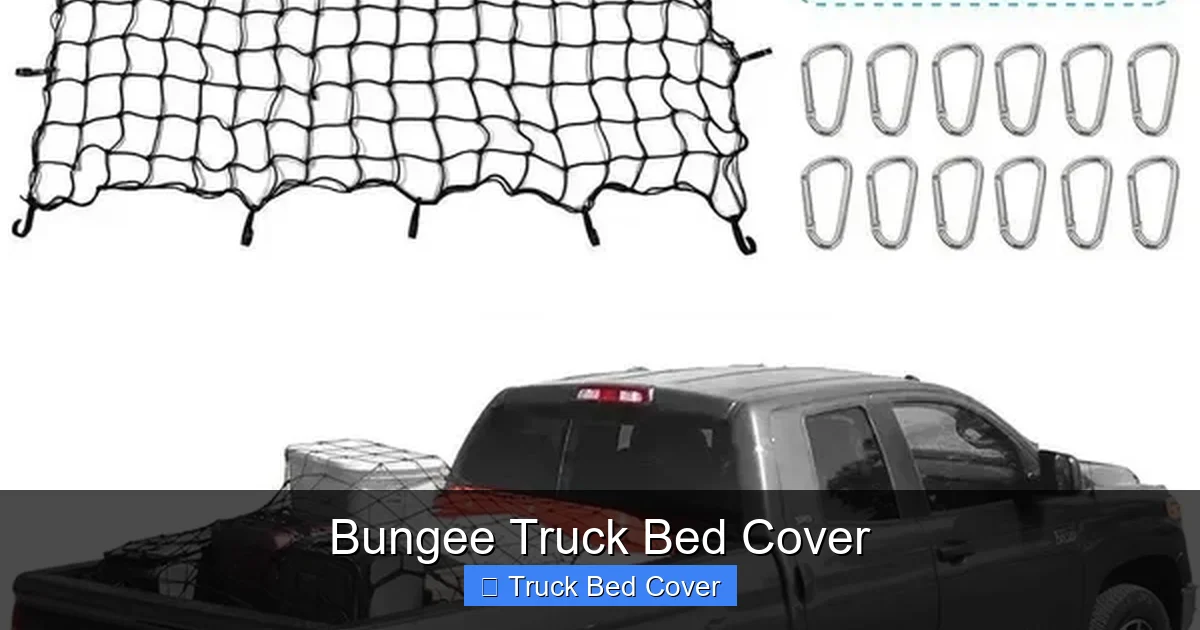
Visual guide about Bungee Truck Bed Cover
Image source: canary.contestimg.wish.com
Like any gear, bungee truck bed covers have strengths and weaknesses. Understanding both sides helps you decide if it’s the right fit.
Advantages
Disadvantages
When Should You Use a Bungee Truck Bed Cover?
Bungee covers shine in specific scenarios. Here’s when they make the most sense:
For Occasional Use
If you only haul stuff once in a while—say, monthly or seasonally—a bungee cover saves you from investing in a more complex system. No need to store a heavy hard shell or deal with zipper maintenance. Just throw it on when needed.
On Rental Trucks
Many rental trucks don’t come with covers. A bungee tarp gives you basic protection without risking damage to the truck bed or voiding rental terms. Plus, return it clean and undamaged by removing the cover before turning it back in.
During Seasonal Tasks
Think winter salt spreaders, summer gardening tools, or fall leaf cleanup. These items don’t need constant protection, but they benefit from being kept dry and out of sight. A bungee cover delivers that without fuss.
As a Backup System
Keep one in your truck at all times as a fail-safe. If your primary cover breaks or gets stolen, you’ve got a quick fix until you can replace it.
For Non-Valuable Cargo
Firewood, lumber, mulch, or construction debris don’t need top-tier security. A bungee cover offers enough deterrence against casual snooping while keeping the mess out of the elements.
Choosing the Right Bungee Truck Bed Cover
Not all bungee covers are created equal. Here’s how to pick a quality one:
Tarp Material Matters
Size and Fit
Measure your truck bed length and width (including rail height). Oversized covers sag; undersized ones won’t reach. Most brands offer models for specific truck makes and years, so check compatibility before buying.
Bungee Cord Quality
Look for:
Cheap plastic hooks break easily; thin cords lose stretch fast.
Additional Features
Some premium versions include:
Installation Tips for Maximum Effectiveness
Getting the most out of your bungee cover means installing it properly:
Clean Your Bed First
Remove dirt, gravel, or sharp objects that could puncture the tarp. A clean bed ensures a smooth fit and prevents wear.
Stretch Evenly
Don’t just “eyeball” the tension. Walk around the truck and adjust each bungee so the tarp lies flat without wrinkles. Uneven tension leads to leaks and premature failure.
Secure the Tailgate
Use bungees that wrap around the tailgate latch or frame. Some users add extra straps under the bed for wind resistance.
Test in Windy Conditions
Before relying on it for critical loads, try it in moderate wind. If the tarp flaps excessively, consider adding a center support strap or upgrading to a heavier-duty model.
Store It Properly
When not in use, roll the tarp loosely (not tightly) and keep it in a dry place. Avoid folding it sharply or exposing it to direct sunlight for long periods.
Maintenance and Longevity
With proper care, a good bungee cover can last 1–3 years:
Pro tip: Keep a spare set of bungee cords in your emergency kit—they’re cheap and often the first thing to go.
Alternatives to Consider
While bungee covers are great for some, they’re not always the best choice:
Ask yourself: How often do I need protection? What’s my biggest concern—weather, theft, or convenience?
Real-World Use Cases
Let’s look at how real people use bungee truck bed covers:
The Handyman
Carlos, a contractor in Arizona, uses his bungee cover to protect tools from dust during site visits. “I leave it on my truck every day. Rain is rare here, but sandstorms are common. It keeps my wrenches and drills clean without the hassle of opening a roll-up every time I grab something.”
The Weekend Camper
Jamie packs a bungee tarp in their SUV bed for spontaneous road trips. “Last summer, we forgot our cooler at home. I threw it in the back, covered it quickly, and drove 200 miles. No spills, no drama. It’s not pretty, but it works.”
The Landscaper
Rosa uses hers to cover bags of mulch and soil. “It keeps the color from fading in the sun and stops birds from stealing bits of bark. My boss didn’t want me spending $400 on a fancy cover, so this was perfect.”
These stories highlight the cover’s sweet spot: practical, temporary, and unobtrusive.
Final Thoughts: Is a Bungee Truck Bed Cover Right for You?
If you value simplicity over sophistication, and affordability over aesthetics, then yes—a bungee truck bed cover is worth considering. It won’t win any design awards, and it won’t keep your laptop safe from thieves. But for everyday hauling of non-critical items, it delivers exactly what it promises: quick, low-cost, basic protection.
Just remember: this isn’t a permanent solution. Think of it as a tool in your utility belt—useful when you need it, out of the way when you don’t. Pair it with good judgment (don’t overload it, don’t leave valuables uncovered overnight), and you’ll get years of reliable service.
Whether you’re filling in the gaps between seasons, protecting rental gear, or just tired of wrestling with complicated systems, the bungee cover proves that sometimes the simplest answer is the best one.
Frequently Asked Questions
How do I install a bungee truck bed cover?
Simply drape the tarp over your bed, stretch bungee cords over the rails and around the tailgate, and hook them into place. No tools needed. Ensure even tension by adjusting each cord so the tarp lies flat without sagging.
Can I use a bungee cover on an open-top truck?
Absolutely. In fact, open-top trucks (like Broncos or Tacomas) benefit most from them since they lack enclosed beds. Just make sure the bungees are tight enough to prevent flapping in the wind.
Are bungee covers safe for high-speed driving?
They’re generally safe for highway speeds if the tarp is secure and cargo is tied down. However, loose edges can catch wind and cause damage. Avoid using them when carrying unsecured items that might shift.
How often should I replace bungee cords?
Replace them every 1–2 years or whenever you notice significant stretching or cracking. Cheap bungees lose elasticity quickly. A $10 replacement set is cheaper than buying a whole new cover.
Can I wash the tarp?
Yes, spot-clean with mild soap and water. Rinse thoroughly and let it air dry completely before storing. Avoid bleach or abrasive scrubbers—they weaken the fabric over time.
What’s the difference between a bungee cover and a roll-up cover?
A bungee cover uses elastic cords to hold a flat tarp in place, while a roll-up cover has a spool mechanism to retract the fabric. Roll-ups are more secure and weather-tight but more expensive and complex.