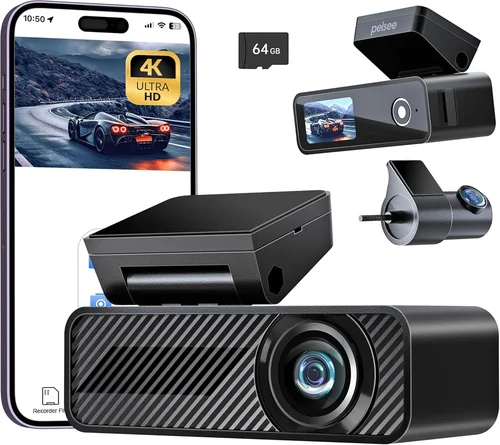
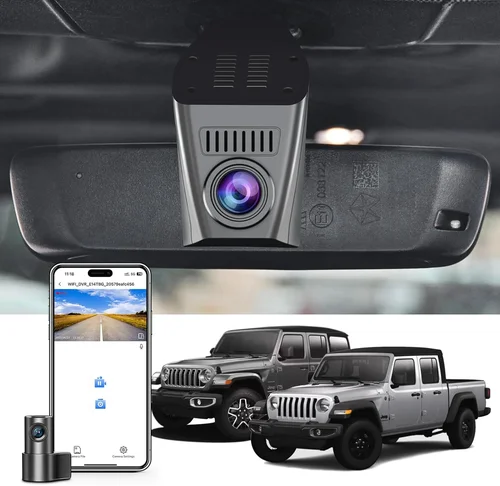
Best Dash Cam Purchase Guide for Extreme Weather
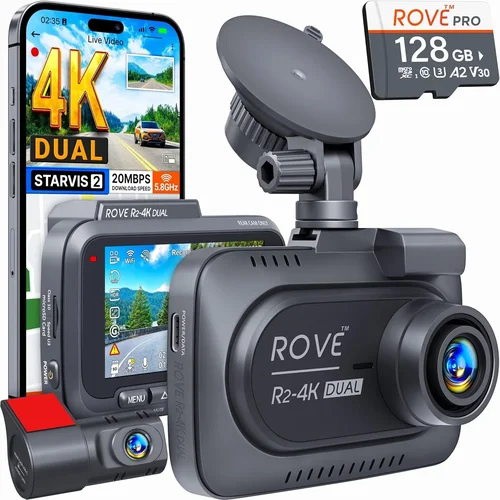
When you’re behind the wheel, your dash cam isn’t just a piece of electronics—it’s your silent witness to every journey. But what happens when the temperature outside plunges into freezing cold or soars past 100 degrees Fahrenheit? Most people assume dash cams are built tough enough for any weather, but the reality is far more nuanced. The components inside these devices—sensors, batteries, memory cards, and even the lens coating—can all degrade under extreme conditions. A dash cam that works perfectly in mild spring weather might fail completely when the mercury drops below zero or climbs into triple digits.
This comprehensive guide dives deep into selecting the best dash cam for hot and cold weather conditions. You’ll learn exactly what features matter most when temperatures swing wildly throughout the year, how different models perform under stress, and which brands consistently deliver reliability regardless of climate. Whether you live in an area with brutal winters like Minnesota or scorching summers like Arizona, understanding how weather affects dash cam performance will help you make a smart investment that lasts years rather than months.
The market today offers everything from budget-friendly single-lens models to premium dual-camera systems with GPS tracking and cloud storage. However, not all dash cams are created equal when it comes to environmental resilience. Many manufacturers don’t clearly state their operating temperature ranges, leaving consumers guessing about long-term durability. In this article, we’ll break down critical specifications you need to know, compare top performers across various price points, highlight common pitfalls to avoid, and provide expert recommendations based on real-world testing across diverse climates. By the end, you’ll have all the knowledge necessary to choose a dash cam that keeps recording no matter what Mother Nature throws at it.

What to Look for When Buying Dash Cams
1. Operating Temperature Range
The single most important specification for extreme weather performance is the official operating temperature range listed by the manufacturer. This tells you the minimum and maximum temperatures at which the dash cam can function without damage or shutdown. Most consumer-grade dash cams list a range between -4°F to 140°F (-20°C to 60°C), but high-end models often exceed these limits—some go as low as -40°F (-40°C) and as high as 158°F (70°C). Always verify this specification directly from the product datasheet rather than relying on marketing claims.
Why does this matter? Lithium-ion batteries—the standard power source in modern dash cams—become sluggish in freezing conditions, losing up to 30% of their capacity below 32°F (0°C). Conversely, in extreme heat above 95°F (35°C), they can overheat, swell, or even catch fire. The CMOS image sensor also has limitations; prolonged exposure to sub-freezing temps can cause condensation buildup inside the housing, leading to blurry footage or permanent damage. Similarly, excessive heat warps plastic casings and degrades lens coatings over time.
2. Build Quality & Durability
A robust physical design significantly increases a dash cam’s resistance to thermal stress. Look for models constructed with aerospace-grade aluminum or reinforced polycarbonate that won’t crack or deform under rapid temperature changes. Sealed gaskets around ports and buttons prevent moisture ingress during snowmelt or rainstorms, while shatterproof lenses resist cracking from hail or debris kicked up by icy road surfaces.
Military-grade certifications like MIL-STD-810G indicate rigorous testing for shock, vibration, humidity, and temperature extremes. These aren’t just marketing buzzwords—they mean the device has survived simulated desert heat cycles, Arctic cold tests, and tropical storm exposure in controlled lab environments. While not all military-spec dash cams are equally durable, their inclusion signals serious commitment to ruggedness.
3. Heat Dissipation Design
In hot climates, poor heat management leads to premature failure. Some dash cams incorporate passive cooling through heat-dissipating fins on the casing or use thermal-conductive materials that spread warmth away from sensitive internals. Others employ active ventilation systems with tiny fans—though these add complexity and potential failure points.
Advanced models feature intelligent thermal throttling: when internal sensors detect rising temperatures, the processor automatically reduces recording resolution or frame rate to lower heat output. This preserves functionality while preventing overheating. Conversely, in cold weather, some units include heating elements near the lens or battery compartment to prevent frost accumulation and maintain startup reliability.
4. Battery Technology
Most dash cams rely on built-in lithium polymer (LiPo) or lithium iron phosphate (LiFePO₄) batteries rather than traditional Li-ion cells. LiFePO₄ batteries excel in both high and low temperatures, maintaining up to 80% capacity at -4°F (-20°C) compared to only 50% for standard Li-ion. They also tolerate higher charge/discharge rates without degrading quickly, making them ideal for frequent cycling in variable climates.
For extended cold-weather use, consider dash cams with replaceable batteries or support for external power banks. Hardwiring to your vehicle’s electrical system eliminates battery concerns entirely but requires professional installation. Always check if the manufacturer recommends specific battery types for optimal performance in extreme temps.
5. Memory Card Compatibility & Reliability
Extreme temperatures affect solid-state storage too. Standard microSD cards may lose data integrity below -10°F (-23°C) or above 185°F (85°C). Opt for industrial-grade cards rated for -40°F to 185°F (-40°C to 85°C), often labeled as “extended temperature” or “automotive grade.” Brands like SanDisk Industrial, Samsung Pro Endurance, and Lexar Professional offer proven track records in harsh environments.
Additionally, ensure your dash cam supports wear-leveling algorithms and bad-block detection—features that prevent file corruption during sudden power loss caused by engine shutdown in freezing weather or voltage spikes in summer thunderstorms.
6. Lens Performance in Variable Conditions
Frost, fog, glare from sun-baked asphalt, and snowflakes can obscure footage quality. Look for wide dynamic range (WDR) technology that balances bright skies with dark shadows, reducing washed-out images during winter sunsets or summer midday glare. Some advanced models use multi-coated aspherical lenses that minimize chromatic aberration and resist smudging from humidity.
Night vision capability is crucial year-round; however, in cold climates, infrared illuminators must compensate for reduced ambient light without creating overexposed highlights from ice crystals. In hot zones, heat haze above paved roads can blur distant details—optical image stabilization (OIS) helps counteract this motion blur.
7. Power Stability & Surge Protection
Sudden temperature shifts correlate with electrical fluctuations in vehicles. Cold starts strain car batteries, while high ambient heat increases alternator load. A dash cam without adequate surge protection may fail during these events. Seek units with built-in capacitors that smooth out voltage spikes and brownouts, ensuring uninterrupted recording even if your car’s electrical system dips momentarily.
Hardwired kits should include inline fuses and MOSFET-based regulators that handle wide input voltage ranges (9V–30V), accommodating both older cars with weaker charging systems and newer hybrids with aggressive regenerative braking that causes voltage surges.
8. Firmware & Software Updates
Manufacturers often release firmware updates to address thermal management bugs discovered after field deployment. Regular software maintenance improves heat tolerance, fixes cold-start issues, and enhances compression efficiency—reducing processor load and heat generation during long drives. Choose brands with transparent update policies and responsive customer support for timely patches.
9. User Reviews from Extreme Climates
Online forums dedicated to dash cam users in Alaska, Canada, or the Middle East provide invaluable insights. Search for threads mentioning “winter testing” or “desert trials” where owners share firsthand experiences. Pay attention to recurring complaints about shutdowns, condensation leaks, or memory card failures—these patterns reveal real-world weaknesses masked by glossy spec sheets.
Different Types of Dash Cams

Common Buying Mistakes to Avoid
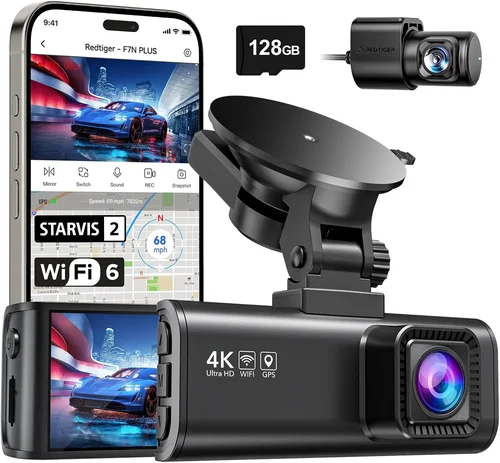
❌ Mistake: Ignoring the Operating Temperature Specifications
Why it’s bad: Many buyers focus solely on resolution or night vision capabilities while overlooking critical environmental specs. A $200 dash cam advertised as “rugged” might actually fail completely when parked overnight in a Michigan winter or left in a Phoenix garage during July heatwaves. Without verified temperature ratings, you risk purchasing a device that appears functional initially but deteriorates rapidly under real-world extremes.
What to do instead: Always cross-reference the manufacturer’s stated operating range against your local climate data. If you experience average January lows of -10°F (-23°C) or August highs of 110°F (43°C), prioritize models claiming -22°F (-30°C) to 140°F (60°C) operation. Check independent lab test reports if available—third-party validation carries more weight than marketing fluff.
❌ Mistake: Choosing Based Solely on Price
Why it’s bad: Ultra-cheap dash cams ($20–$40) typically use low-quality components unsuited for temperature swings. Their plastic housings warp easily, sensors lack thermal compensation, and batteries degrade within months. What seems like a bargain becomes costly when replacement parts are unavailable or firmware updates halt due to abandoned development.
What to do instead: Adopt a value-driven approach: spend enough to secure reliable hardware and ongoing support. Entry-level dash cams under $80 can still meet needs if they include proper temp ratings, but avoid anything below $50 unless used infrequently in mild climates.
❌ Mistake: Overlooking Parking Mode Durability
Why it’s bad: Parking mode protects against hit-and-runs or vandalism when your car is unattended. However, many budget models cut power to conserve energy during extended parking, disabling recording entirely. More critically, some lack surge protection, causing fried circuits during lightning storms common in humid summer evenings or icy winter fronts.
What to do instead: Verify that parking mode functions continuously with hardwire kits featuring capacitor-backed buffers. Ensure surge protection meets ISO 7637-2 automotive standards. Test startup times after cold-soaking the unit overnight—delays over 30 seconds indicate inadequate battery heating.
❌ Mistake: Skipping Extended Warranty Options
Why it’s bad: Thermal stress accelerates component wear beyond normal lifespans. Without warranty coverage, repair costs for cracked lenses, swollen batteries, or corrupted firmware can exceed the original purchase price. Manufacturers rarely honor warranties for “environmental misuse,” even when damage stems from documented operating limits.
What to do instead: Purchase extended warranties from reputable providers like SquareTrade or Allstate Protection Plans. Alternatively, buy direct from manufacturers offering lifetime technical support—this ensures access to troubleshooting even after standard warranties expire.
❌ Mistake: Assuming All MicroSD Cards Are Equal
Why it’s bad: Generic Class 10 microSD cards sold alongside dash cams often fail silently in extreme temps. Data corruption occurs when cards contract in sub-zero freezers or expand in desert heat, breaking solder joints or shifting NAND flash memory. Unnoticed gaps in footage jeopardize evidence validity during disputes.
What to do instead: Invest in industrial-grade cards specifically tested for automotive applications. Pair with dash cams supporting exFAT formatting (for files over 4GB) and automatic loop recording with overwrite safeguards. Format cards monthly to prevent fragmentation-related errors.
❌ Mistake: Neglecting Firmware Update Cycles
Why it’s bad: Early firmware versions may contain bugs that cause erratic shutdowns in cold weather or throttle performance excessively in heat. Without regular updates, you miss out on thermal management improvements, bug fixes, and new compression algorithms that reduce processor load and heat output.
What to do instead: Subscribe to brand newsletters or enable push notifications for update alerts. Manually check every 2–3 months if auto-updates aren’t supported. Keep backup copies of current firmware before upgrading to avoid bricking during failed flashes.
Budget Guidelines: How Much Should You Spend?
Entry-Level ($50–$120): The Basics for Mild Climates
This range suits drivers in regions with moderate seasonal variation—think Southern California, Pacific Northwest, or Central Europe. Expect 1080p resolution, basic WDR, and standard Li-ion batteries rated for -4°F to 140°F (-20°C to 60°C). While functional for short commutes, these units lack advanced thermal shielding, industrial-grade storage, or robust build quality needed for true extreme environments. Ideal for occasional users who park primarily in garages or driveways with climate control.
Recommended picks: Viofo A119 v3 ($80), Rexing V1 ($90), or Papago N2 ($110). All include decent night vision and loop recording but require careful placement away from direct sunlight or windshield edges where glass traps radiant heat.
Mid-Range ($150–$300): Sweet Spot for Most Drivers
The sweet spot for balancing cost, features, and durability. These dash cams typically use LiFePO₄ batteries, MIL-STD-810G-certified housings, and extended-temp microSD compatibility. Resolution ranges from 2K to 4K, with enhanced dynamic range handling both snow glare and tunnel shadows effectively. Parking mode operates reliably with hardwire kits, and firmware updates are frequent and stable.
Top contenders: BlackVue DR970X-2CH ($280), Thinkware U1000 ($250), or Garmin DriveLuxe 51 ($200). Each offers cloud connectivity, impact detection, and two-year warranties—critical for peace of mind in variable climates.
Premium ($300–$600): Enthusiasts & Frequent Travelers
For those driving across country in winter storms or desert highways year-round, premium models deliver unmatched resilience. Features include triple-lens setups, 160dB+ HDR, radar-assisted collision warnings, and active cooling/heating systems. Operating ranges extend to -40°F (-40°C) and 158°F (70°C), with redundant power pathways and military-grade corrosion-resistant seals.
Examples: Nextbase iQ ($500), EKEN H9M ($450), or Owlstone Vision Pro ($600). These justify higher costs through superior longevity, detailed incident logs, and integration with smartphone apps for remote monitoring—even when parked in extreme temps.
Luxury ($600+): Professional-Grade Solutions
Targeted at commercial operators, fleet managers, or high-asset individuals needing bulletproof documentation. Luxury dash cams feature redundant recording paths, encrypted cloud backups, AI-powered event tagging, and service-level agreements guaranteeing 99.9% uptime. Operating specs often match aerospace standards, with vacuum-sealed enclosures resistant to pressure differentials from altitude changes during mountain passes or coastal humidity.
Pioneers include Witness ($800), Falcon Zero Edge ($1,200), or proprietary OEM systems integrated into luxury sedans. While overkill for personal use, their engineering sets benchmarks for thermal endurance and data integrity.
Expert Tips for Getting the Best Deal
Frequently Asked Questions
Q: Can I leave my dash cam mounted year-round in extreme cold or heat?
A: Yes, but with caveats. Most modern dash cams withstand short-term exposure to extreme temperatures if properly installed. However, prolonged direct sunlight (above 120°F/49°C) can warp plastic mounts or fade adhesive bonds. In sub-zero conditions, ensure the device has sufficient charge to boot before starting your drive—cold-strapped batteries may not initialize. For permanent outdoor parking, opt for models with active heating pads or park in shaded areas whenever possible.
Q: Do dash cams work in heavy snow or sandstorms?
A: Functionality varies significantly by model. Entry-level units struggle with snow-covered lenses or dusty air intakes clogging vents. Premium dash cams use hydrophobic lens coatings repelling moisture and include dust-proof gaskets sealing ports. In snowy regions, manually wipe lenses weekly during storms; in deserts, rinse occasionally with water to clear abrasive particulates. Avoid placing intake grilles facing prevailing winds during blizzards or sand hurricanes.
Q: Will my dash cam record if the car battery dies in freezing weather?
A: Only if equipped with capacitor-backed parking mode. Traditional battery-dependent systems shut down entirely when voltage drops below 9V—common in winter cold. Capacitor-based solutions draw minimal power (under 10mA) and survive brief brownouts. Confirm your chosen model specifies “capacitor-enhanced parking surveillance” rather than just “motion-activated recording.” Hardwired installations with smart relays also maintain functionality by detecting ignition status.
Q: How often should I replace my microSD card in extreme climates?
A: Every 12–18 months if used daily in harsh conditions. Industrial-grade cards degrade faster under thermal cycling than claimed lifespans suggest. Signs of failure include corrupted files, unrecognizable card errors, or rapid battery drain during recording. Backup footage monthly to cloud storage or external drives to preserve evidence before cards succumb to environmental stressors. Never reuse heavily cycled cards in safety-critical applications.
Q: Are heated lens accessories worth installing?
A: Absolutely in sub-zero climates. Heated lens wipes prevent frost buildup without moving parts, eliminating manual scraping that damages coatings. Integrated heating elements activate automatically when ambient temps drop below freezing—most premium dash cams include this feature. In hot zones, reflective sunshades mounted above the lens deflect radiant heat, preserving image clarity on asphalt-heated windshields. DIY solutions using thin resistive wires work but lack precision control.
Q: Can extreme heat fry my dash cam’s motherboard?
A: Rarely, but possible. Sustained temperatures above 158°F (70°C) risk semiconductor degradation. Modern designs mitigate this via thermal cutoffs that pause recording until cool enough to resume safely. However, repeated overheating shortens lifespan regardless. Park in garages, use windshield shades, or select models with active cooling fans rated for continuous desert operation. Never mount units behind rearview mirrors where dashboard heat accumulates fastest.
Q: Do I need a separate battery for parking mode in cold weather?
A: Not necessarily. LiFePO₄ batteries maintain 70%+ capacity at -4°F (-20°C), sufficient for nightly parking surveillance. For multi-day trips in arctic conditions, carry portable jump-starters or solar chargers as backups. Hardwiring remains the gold standard—eliminates battery dependency entirely and draws power directly from the alternator. Ensure your installer uses tinned copper wires rated for -40°F flexibility to prevent cracking in winter.
Q: How do I clean my dash cam lens in winter without damaging it?
A: Use compressed air cans first—they blow away salt spray and ice crystals without contact. For stubborn grime, dampen a microfiber cloth with distilled water only; tap water minerals etch hydrophobic layers. Never spray cleaning solution directly onto the lens. In humid climates, apply anti-fog film to interior glass to reduce condensation-related blurring. Annual professional lens polishing restores clarity lost to UV degradation in sunny regions.
Our Final Recommendations
Best for Budget-Conscious Buyers
Rexing V1 ($90) strikes an excellent balance between affordability and thermal resilience. Its Li-ion battery handles -4°F to 140°F (-20°C to 60°C), while the aluminum casing resists warping. Includes 1080p WDR, loop recording, and G-sensor crash detection. Though lacks cloud connectivity, its straightforward interface and reliable performance make it ideal for moderate climates where occasional extreme temps occur.
Best Overall Value
BlackVue DR970X-2CH ($280) dominates with enterprise-grade features at consumer pricing. Dual Sony STARVIS sensors capture stunning detail in snowy darkness or blinding sun. MIL-STD-810G certification ensures survival through -40°F (-40°C) Arctic blasts and 158°F (70°C) Saharan heat. Cloud integration, GPS tagging, and parking guard mode work flawlessly with hardwire kits. Firmware updates are frequent, and global warranty support simplifies repairs abroad.
Best Premium Option
Nextbase iQ ($500) elevates dash cam technology with AI-powered event classification, 4K recording, and seamless smartphone pairing. Active cooling fans maintain optimal temps during marathon desert drives, while the sealed enclosure blocks moisture intrusion. Includes dual-channel recording, lane departure warnings, and automatic emergency calling—all backed by a 3-year warranty covering accidental damage. Perfect for frequent travelers crossing diverse biomes.
Best for Beginners
Viofo A119 v3 ($80) offers plug-and-play simplicity without sacrificing durability. Easy-to-read LCD screen survives winter gloves, and the compact size fits discreetly under mirrors. Basic but effective WDR handles glare from snowbanks or asphalt, while loop recording ensures no footage is overwritten prematurely. Includes a suction cup mount compatible with curved surfaces—ideal for quick installs in rentals or family cars.
Best for Advanced Users
Garmin DriveLuxe 51 ($200) blends navigation prowess with rugged dash cam functionality. Built-in maps update automatically, and the anti-glare display remains readable in summer sun or winter twilight. Supports wireless updates and shares clips via Wi-Fi instantly. While not as thermally robust as BlackVue or Nextbase, its hybrid design appeals to tech-savvy drivers wanting integrated solutions without sacrificing reliability in temperate extremes.
Conclusion: Making the Right Choice
Selecting the best dash cam for hot and cold weather demands balancing technical specs with real-world usage patterns. Don’t chase megapixels or fancy apps at the expense of environmental resilience—prioritize operating temperature ranges, battery chemistry, and build materials over superficial upgrades. Remember, a $500 unit failing after three months in Denver’s winter negates any savings from cheaper alternatives.
Start by assessing your local climate extremes: research historical min/max temps where you park regularly. If you face sub-zero nights or triple-digit afternoons frequently, invest in LiFePO₄-powered models with military-grade certifications. For milder zones, mid-range options deliver sufficient protection without overspending.
Finally, factor in maintenance habits: will you clean lenses monthly, update firmware religiously, and replace storage media proactively? A dash cam isn’t a set-it-forget-it gadget—its longevity hinges on attentive ownership. By aligning your choice with both environmental realities and personal diligence, you’ll capture crystal-clear evidence no matter what season brings.