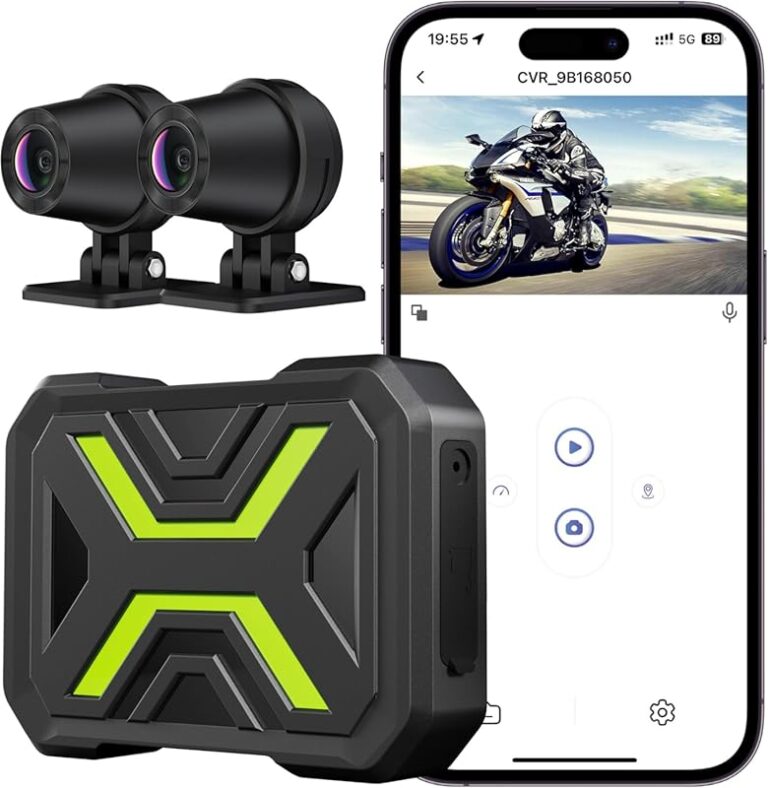
Ultimate Cab Dash Cam Buying Guide 2026
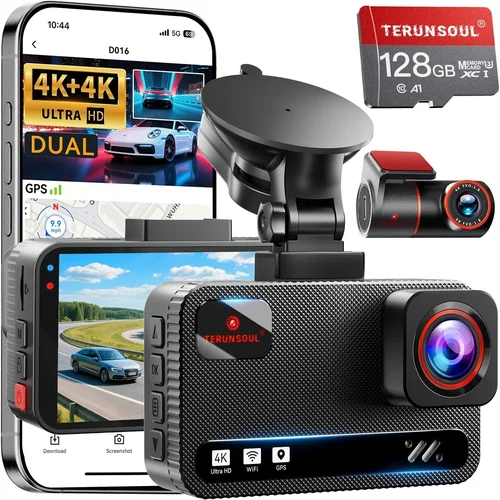
As commercial vehicle operators navigate an increasingly complex regulatory landscape, the importance of reliable cab dash cam technology has never been more critical. In 2026, we’re seeing unprecedented advancements in fleet management systems that integrate seamlessly with high-quality recording devices, making the selection process both more sophisticated and more important than ever. This comprehensive buying guide will walk you through every aspect of choosing the perfect cab dash cam for your specific needs, whether you’re managing a small delivery fleet or overseeing a large-scale transportation operation.
By the end of this guide, you’ll understand not just what features to look for, but how they translate into real-world benefits for your business operations. We’ll explore everything from basic recording capabilities to advanced AI-powered analytics, helping you make an informed decision that protects your drivers, your vehicles, and your bottom line. The market has evolved significantly, with new technologies emerging that can transform routine driving documentation into powerful tools for safety improvement and operational efficiency.
The cab dash cam market in 2026 is more competitive than ever, with manufacturers focusing on durability, intelligent features, and seamless integration with existing fleet management systems. Understanding the nuances between different types of cameras, their capabilities, and how they fit into your specific operational requirements will save you both time and money in the long run. Let’s dive deep into the world of professional-grade recording solutions and discover exactly what you need to make the right investment.
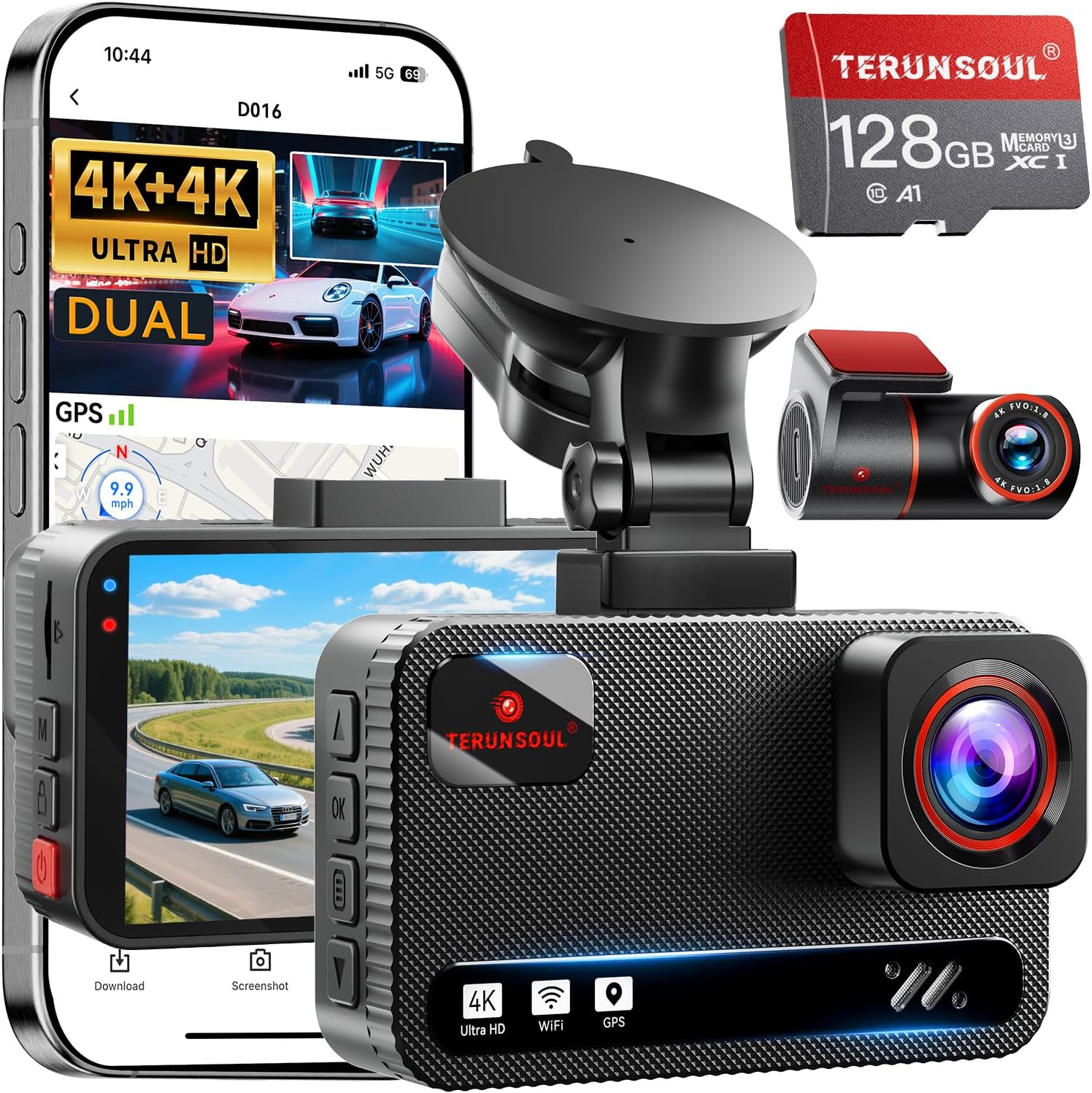
What to Look for When Buying Dash Cams
When selecting a cab dash cam for your commercial vehicle fleet, several critical factors must be carefully evaluated to ensure you’re getting equipment that meets both current and future operational needs. The right choice can provide substantial returns through improved safety records, reduced insurance premiums, and enhanced driver accountability.
1. Budget & Price Range
Your budget should be viewed as an investment rather than an expense. Entry-level models typically range from $80-$150 and offer basic recording functionality, while mid-range options ($150-$400) provide better build quality and additional features. Premium models ($400-$800+) include advanced capabilities like GPS tracking, driver behavior monitoring, and cloud connectivity. Consider not just the initial purchase price but also ongoing costs such as storage media, power adapters, and potential subscription fees for cloud services.
2. Performance Specifications
Resolution remains one of the most crucial specifications, with 1080p Full HD being the minimum standard for commercial use and 4K Ultra HD offering exceptional detail for legal evidence. Frame rates matter significantly too – 30fps is adequate for general recording, but 60fps provides smoother video for capturing fast-moving events. The sensor size and low-light performance are equally important, especially for nighttime driving conditions. Look for cameras with good dynamic range to handle challenging lighting situations inside and outside the cab simultaneously.
3. Build Quality & Durability
Commercial dash cams face extreme conditions – from temperature fluctuations in desert environments to vibrations during long-haul journeys. Seek models specifically designed for commercial use with military-grade shock resistance (MIL-STD-810G certification), wide operating temperature ranges (-4°F to 140°F/-20°C to 60°C), and robust housing materials. Waterproofing ratings (IP67 or higher) ensure reliability in adverse weather conditions, while anti-vandal features protect against theft attempts or accidental damage.
4. Features & Functionality
Modern cab dash cams offer numerous advanced features beyond basic recording. Driver identification systems use facial recognition or RFID technology to track individual operator performance. Advanced driver assistance systems (ADAS) provide lane departure warnings, forward collision alerts, and blind spot detection. G-sensor technology automatically saves footage when impact is detected, while parking mode monitors your vehicle when it’s stationary. Cloud connectivity enables remote viewing and management of multiple units, while two-way audio allows communication between drivers and dispatchers.
5. Brand Reputation
Established brands with proven track records in commercial vehicle safety products tend to deliver more reliable performance and better customer support. Research manufacturer history, read independent reviews from fleet managers, and consider industry-specific certifications. Brands that specialize in fleet management solutions often have deeper understanding of commercial requirements and offer better integration with existing telematics systems.
6. Warranty & Support
Comprehensive warranty coverage is essential for commercial applications where equipment failure can lead to significant downtime and liability issues. Look for at least a 2-year warranty with clear terms regarding parts and labor coverage. Evaluate the manufacturer’s technical support availability, response times, and whether they offer firmware updates or feature upgrades over time. Some companies provide dedicated fleet management portals with remote diagnostics and maintenance scheduling.
7. Size & Portability
While most cab dash cams are relatively compact, some models are specifically designed for easy installation and removal between vehicles. Consider the mounting flexibility required for your fleet – some operators prefer fixed installations while others need quick-switch capability. The physical dimensions should allow unobstructed views of both the road ahead and the cab interior without interfering with driver visibility or comfort.
8. User Reviews & Ratings
Real-world feedback from other fleet operators provides invaluable insights into long-term performance and reliability. Pay particular attention to reviews from similar-sized operations or those facing comparable environmental challenges. Look for consistent patterns in reported issues, noting whether problems are widespread or isolated incidents. Professional review sites and industry forums often provide more balanced assessments than retail-focused review platforms.
Different Types of Dash Cams

Common Buying Mistakes to Avoid
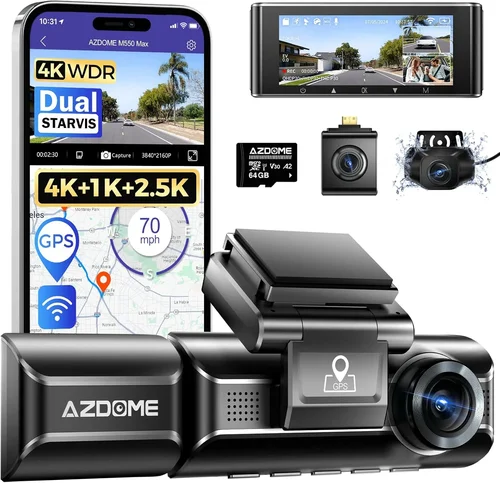
Many fleet managers make costly errors when selecting cab dash cam systems, often due to overlooking critical details or prioritizing cost over long-term value. Being aware of these common pitfalls can save you thousands in operational inefficiencies and potential liability issues.
❌ Mistake: Choosing Based Solely on Price
Why it’s bad: While initial cost is important, selecting the cheapest option often leads to frequent failures, poor video quality, and inadequate protection. Low-cost models may lack essential features like proper G-sensing, reliable loop recording, or sufficient storage capacity, resulting in lost footage during critical incidents.
What to do instead: Calculate total cost of ownership including installation, maintenance, replacement parts, and potential insurance premium reductions. Factor in the value of reduced incident rates and improved driver behavior over time.
❌ Mistake: Ignoring Storage Requirements
Why it’s bad: Many operators underestimate how much storage space their dash cams will consume. A 1080p camera recording continuously can fill a 256GB card in under 24 hours. Without proper storage management, you risk losing important footage or having the system stop recording entirely.
What to do instead: Plan for scalable storage solutions including high-capacity memory cards, network-attached storage (NAS) systems, or cloud-based storage subscriptions. Consider cameras with dual storage options or automatic file management features.
❌ Mistake: Overlooking Installation Complexity
Why it’s bad: Poor installation can lead to false readings, electrical interference, or even void warranties. Improper wiring may cause battery drain or create fire hazards. Some operators attempt DIY installations without understanding the electrical requirements of their vehicles.
What to do instead: Hire certified technicians familiar with commercial vehicle installations. Ensure proper grounding, surge protection, and routing away from heat sources and moving components. Document all installation procedures for future reference.
❌ Mistake: Neglecting Software and Management Tools
Why it’s bad: Modern dash cams generate vast amounts of data that require sophisticated software to analyze effectively. Basic playback software may not support advanced features like incident tagging, driver behavior analysis, or compliance reporting required by regulatory bodies.
What to do instead: Evaluate the complete ecosystem including mobile apps, web portals, and integration capabilities with existing fleet management software. Test the user interface before committing to a system.
❌ Mistake: Failing to Consider Scalability
Why it’s bad: Starting with a basic system and trying to upgrade later can be far more expensive and disruptive than planning for growth from the beginning. Adding new features or expanding to additional vehicles may require replacing existing hardware or learning entirely new systems.
What to do instead: Choose modular systems that can grow with your fleet. Look for open API interfaces, standardized protocols, and compatibility with third-party add-ons. Consider pilot programs before full deployment.
❌ Mistake: Disregarding Regulatory Compliance
Why it’s bad: Different regions and industries have specific requirements for recording duration, retention periods, and data security. Non-compliance can result in fines, legal penalties, or loss of operating licenses, especially in industries like transportation, construction, and healthcare.
What to do instead: Research applicable regulations including FMCSA requirements for commercial vehicles, GDPR considerations for data privacy, and industry-specific standards. Choose systems with built-in compliance features and audit trails.
Budget Guidelines: How Much Should You Spend?
Understanding the appropriate budget allocation for cab dash cam systems requires balancing immediate costs against long-term operational benefits. The right investment level depends on your fleet size, operational complexity, risk profile, and regulatory requirements.
Entry-Level Options ($80 – $150)
This category includes basic single-lens systems suitable for small fleets or short-haul operations. These models typically offer 1080p recording, loop recording, and basic G-sensing. While they provide fundamental protection against fraudulent claims, they lack advanced features like GPS tracking, driver identification, or cloud connectivity. Ideal for operators with limited budgets who still want basic incident documentation capabilities. Expect shorter warranty periods (typically 1 year) and limited technical support.
Mid-Range Solutions ($150 – $400)
The sweet spot for most commercial operators, this range delivers excellent value with enhanced durability, better image quality, and additional functionality. Dual-lens systems become more common, providing both front and interior views. Features typically include GPS tracking, parking mode, motion detection, and improved low-light performance. Many models offer 4K recording capability and longer warranty periods (2-3 years). This tier supports moderate fleet sizes and provides sufficient protection for most operational scenarios without excessive overhead.
Premium Systems ($400 – $800)
For medium to large fleets requiring comprehensive safety and compliance solutions, premium options deliver professional-grade performance. These systems often include advanced driver assistance features, AI-powered analytics, and robust cloud integration capabilities. Expect military-grade durability, superior video quality, and extensive feature sets including multi-camera setups, advanced parking surveillance, and sophisticated event detection algorithms. Warranty coverage typically extends to 3-5 years with priority technical support and regular firmware updates.
Luxury/Enterprise Level ($800+)
Top-tier systems designed for high-risk industries, government contracts, or operations with complex compliance requirements. These solutions offer maximum reliability, cutting-edge technology, and seamless integration with enterprise-level fleet management platforms. Features include predictive maintenance alerts, advanced driver coaching systems, comprehensive analytics dashboards, and guaranteed uptime SLAs. While the upfront investment is significant, these systems often pay for themselves through reduced insurance premiums, lower incident rates, and enhanced operational efficiency.
When determining your budget, consider implementing a phased rollout strategy. Start with essential features and gradually add advanced capabilities as your budget allows and your operational needs evolve. Always factor in ongoing costs including storage media replacements, subscription fees for cloud services, and periodic software updates.
Expert Tips for Getting the Best Deal
Securing optimal value from your cab dash cam investment requires strategic purchasing decisions and awareness of industry practices. These expert recommendations will help you maximize savings while ensuring you receive quality equipment that meets your operational requirements.
Timing Your Purchase Strategically
The best deals typically emerge during specific seasons and events. Q1 and Q3 often see manufacturers clearing inventory from previous models, while Black Friday and Cyber Monday provide substantial discounts on new releases. New model announcements frequently trigger price drops on existing versions, giving you access to proven technology at reduced costs. Additionally, end-of-quarter sales periods (March, June, September, December) often feature aggressive discounting as companies meet financial targets.
Consider timing your purchases around industry trade shows when manufacturers may offer special promotions to attendees. Some companies provide exclusive early-bird discounts for fleet managers who commit to larger orders during these events. Building relationships with sales representatives can also yield personalized pricing and custom solutions tailored to your specific needs.
Choosing the Right Retail Channels
Direct manufacturer purchases often provide the best prices and most comprehensive support packages. Established distributors specializing in fleet equipment frequently offer competitive pricing and volume discounts unavailable through general retailers. Online marketplaces like Amazon can provide convenience but may lack specialized knowledge about commercial applications.
When buying locally, visit multiple dealers to compare prices and service offerings. Independent fleet equipment specialists often have deeper product knowledge and can provide hands-on demonstrations. Always verify dealer credentials and ask for references from similar-sized operations. Some manufacturers prohibit certain channels from selling their products, so always check authorized dealer lists before making purchases.
Identifying Hidden Value Opportunities
Bundle deals combining dash cams with installation services, maintenance plans, and training sessions can provide significant savings. Some manufacturers offer “fleet starter kits” that include multiple units, accessories, and setup materials at discounted rates. Extended warranty programs often include free repairs, replacement parts, and priority technical support.
Look for trade-in programs that accept old equipment toward new purchases. Many companies offer credit toward upgrades based on the condition and age of existing devices. Referral programs sometimes provide additional discounts when current customers recommend new clients. Seasonal promotions on accessories like memory cards, mounting hardware, and protective cases can further reduce overall costs.
Warranty and Return Policy Considerations
Thorough warranty coverage is crucial for commercial applications. Look for at least 2-3 years of coverage on hardware with unlimited mileage or usage terms. Some manufacturers offer “bumper-to-bumper” warranties covering all components except consumables like memory cards. Verify what’s included in the warranty and any limitations regarding environmental conditions or installation methods.
Return policies vary significantly between sellers. Some allow 30-day returns with full refunds, while others impose restocking fees or require original packaging. Understanding return terms is especially important for testing equipment before committing to large orders. Some companies offer trial periods allowing you to evaluate performance in actual operating conditions before finalizing purchases.
Testing Before Committing
Whenever possible, conduct hands-on evaluations before purchasing. Request loaner units for field testing under your actual operating conditions. This helps identify compatibility issues, performance limitations, and usability concerns that might not be apparent in controlled demonstrations. Pay particular attention to recording quality in various lighting conditions, ease of menu navigation, and reliability of automated features.
For large fleet purchases, consider implementing pilot programs with selected vehicles before full deployment. This approach allows you to gather real-world data on performance, train staff on proper usage, and refine operational procedures. Pilot programs also provide leverage for negotiating better terms with vendors based on demonstrated value and satisfaction levels.
Negotiating Volume Discounts
Don’t hesitate to negotiate when purchasing multiple units. Most manufacturers offer tiered pricing structures where unit costs decrease with order quantity. Clear communication about your fleet size, deployment timeline, and ongoing support requirements gives you stronger bargaining position. Be prepared to discuss payment terms, delivery schedules, and post-purchase support commitments.
Some companies offer additional incentives for early adoption of new technologies or participation in beta testing programs. Expressing willingness to serve as reference customers can sometimes unlock exclusive pricing or advanced features not available to general consumers. Building long-term relationships with key account managers often yields ongoing benefits beyond the initial purchase.
Evaluating Total Cost of Ownership
Beyond the sticker price, consider the complete lifecycle costs. Calculate expenses for installation, training, maintenance, storage media replacements, and potential subscription fees. Compare these against projected benefits including reduced insurance premiums, lower incident rates, improved driver retention, and enhanced compliance capabilities. Some systems may appear expensive initially but deliver superior ROI through operational efficiencies and risk reduction.
Always factor in indirect costs like downtime during installations or troubleshooting. Reliable equipment that requires minimal maintenance reduces these hidden expenses. Consider the value of comprehensive training and ongoing technical support in preventing operational disruptions and ensuring optimal system utilization.
Staying Informed About Emerging Technologies
The dash cam industry evolves rapidly with new capabilities emerging regularly. Subscribe to industry newsletters, follow relevant manufacturers on social media, and participate in professional associations to stay current on technological developments. Early adopters sometimes benefit from promotional pricing on new releases or access to beta features before general availability.
Attending industry conferences and trade shows provides opportunities to compare multiple products side-by-side and learn from other fleet managers’ experiences. Manufacturers often demonstrate upcoming technologies that aren’t yet commercially available but may represent future requirements for your operations. Networking with peers facing similar challenges can reveal cost-saving strategies and best practices applicable to your situation.

Frequently Asked Questions
Q: What resolution should I choose for my cab dash cam?
A: For commercial applications, 1080p Full HD is the minimum acceptable standard, but 4K Ultra HD provides superior detail for legal evidence and license plate recognition. Higher resolutions capture more information but require significantly more storage space and processing power. Consider your specific needs – if you primarily need documentation for insurance claims rather than detailed forensic analysis, 1080p may suffice. However, for high-security operations or frequent incident documentation, 4K offers valuable advantages despite the increased costs.
Q: How much storage space do commercial dash cams actually need?
A: Storage requirements vary based on resolution, frame rate, and recording settings. A 1080p camera recording at standard quality typically uses 3-5GB per hour, while 4K recordings consume 10-15GB hourly. Most commercial systems use 256GB to 1TB memory cards, which provide 52-200 hours of continuous recording depending on compression settings. Implement loop recording to overwrite oldest files automatically, but ensure your system can retain critical incident footage for the required retention period specified by your industry regulations.
Q: Can I install dash cams myself or do I need professional installation?
A: While basic models can be installed by experienced individuals, commercial installations typically benefit from professional services. Proper wiring requires understanding of vehicle electrical systems, including correct fuse connections and grounding techniques. Improper installation can cause battery drain, electrical fires, or void manufacturer warranties. Professional installers also have specialized tools and experience with various vehicle makes and models, ensuring optimal placement and secure mounting that won’t interfere with airbags or other safety systems.
Q: How long should I keep dash cam footage according to regulations?
A: Retention requirements vary by industry and jurisdiction. Transportation companies typically need to maintain footage for 30-90 days, while construction and industrial operations may require 6 months to 1 year. Some industries like healthcare have stricter requirements. Always consult specific regulatory guidelines for your sector and location. Many modern systems automate retention management by automatically deleting older footage while preserving incident-related files based on G-sensor activation or manual tagging.
Q: Do I need internet connectivity for my dash cam system?
A: Internet connectivity isn’t strictly necessary but provides significant operational benefits. Cloud-connected systems enable remote viewing, real-time alerts, centralized management of multiple units, and automatic backup of critical footage. However, many effective dash cam systems operate offline using local storage and manual retrieval methods. Consider your operational needs – if you have reliable cellular coverage and want real-time monitoring capabilities, cloud connectivity adds substantial value. For isolated operations or budget-conscious implementations, offline systems remain perfectly functional.
Q: How do I choose between wired and wireless dash cam systems?
A: Wired systems connect directly to your vehicle’s power source and typically offer more reliable performance with consistent power delivery. Wireless models use cellular networks for data transmission but may experience connectivity issues in remote areas. Wired systems generally require professional installation but provide uninterrupted recording, while wireless systems offer easier installation and remote management capabilities. Your choice depends on your operational environment, fleet size, and technical infrastructure. Many commercial systems now use hybrid approaches combining local storage with optional cloud backup.
Q: What features are most important for reducing insurance premiums?
A: Insurance companies typically recognize dash cams with comprehensive safety features including high-resolution recording, reliable event detection (G-sensing), GPS tracking, and driver identification systems. Models with demonstrated accident prevention capabilities, such as forward collision warning and lane departure alerts, often qualify for greater premium reductions. Documentation of improved driver behavior and reduced incident rates through system usage also strengthens insurance discount eligibility. Always request written verification from insurers about specific requirements and potential savings.
Q: How do I handle false positive triggers from G-sensors?
A: False triggering can occur during rough terrain driving, sudden braking, or external impacts. Adjust sensitivity settings based on your typical driving conditions – lower sensitivity reduces false positives but may miss genuine incidents. Positioning the sensor away from vibration sources like suspension components helps minimize unwanted activations. Many modern systems offer smart filtering that distinguishes between minor bumps and significant impacts. Regular calibration and firmware updates from manufacturers often improve detection accuracy over time.
Q: Can dash cams work in extreme temperatures?
A: Yes, but only commercial-grade models designed for harsh environments. Look for specifications indicating operation in temperatures ranging from -4°F to 140°F (-20°C to 60°C). Military-grade certifications (MIL-STD-810G) indicate tested durability against shocks, vibrations, dust, and moisture. Some models include heating elements for cold climates or cooling fans for hot environments. Avoid consumer-grade devices not rated for commercial vehicle conditions, as they may fail prematurely in extreme climates.
Q: How do I ensure driver privacy when recording cab interiors?
A: Privacy concerns require careful consideration of both legal requirements and ethical practices. Many jurisdictions have specific rules about recording employees. Use interior cameras primarily for safety monitoring rather than performance evaluation, and establish clear policies about recording purposes and data access. Implement privacy settings that allow drivers to control when interior recording occurs, such as disabling during rest breaks or private conversations. Transparent communication about monitoring practices builds trust and ensures compliance with labor laws.
Our Final Recommendations
After extensive research and analysis of the 2026 commercial dash cam market, we’ve identified several standout solutions that balance performance, reliability, and value across different operational needs and budget ranges. These recommendations reflect current technological capabilities and real-world performance data from fleet operators nationwide.
Best for Budget-Conscious Buyers
For small fleets or operators with limited budgets, the BlackVue DR970X-1CH offers exceptional value with 4K recording capability at an accessible price point. This single-lens system provides professional-grade performance with reliable loop recording, advanced G-sensing, and robust cloud connectivity features. Its compact design fits discreetly in most cabs while delivering impressive image quality for incident documentation. The companion app offers intuitive controls and remote management capabilities, making it ideal for operators who want premium features without premium pricing.
Best Overall Value
The Garmin DriveSmart 55LM represents the perfect balance of features, reliability, and cost-effectiveness for medium-sized fleets. This dual-lens system captures both front and interior views with crystal-clear 1080p resolution, while its rugged construction withstands the rigors of daily commercial use. Integrated GPS tracking provides precise location data, and the built-in Wi-Fi allows quick file transfers without removing memory cards. The system’s simple interface requires minimal training, and Garmin’s established reputation for reliability ensures consistent performance over time.
Best Premium Option
For enterprises requiring cutting-edge technology and comprehensive fleet management capabilities, the Samsara CMX Series delivers unmatched performance. This AI-powered system combines 4K recording with advanced driver coaching features, predictive maintenance alerts, and seamless integration with existing telematics platforms. Real-time analytics provide actionable insights into driver behavior and vehicle performance, while automated compliance reporting simplifies regulatory requirements. The modular architecture supports unlimited scalability, making it ideal for growing operations with complex needs.
Best for Beginners
New fleet managers or those transitioning from basic recording solutions will appreciate the Viofo A119 V3’s straightforward operation and reliable performance. This single-lens system offers 2K recording quality with excellent low-light performance, automatic incident detection, and simple setup procedures. The accompanying mobile app provides clear navigation and basic playback functions, while the affordable price point makes it accessible for testing dash cam technology before committing to larger investments. Its compact size doesn’t compromise on essential features needed for basic incident documentation.
Best for Advanced Users
Operators requiring maximum functionality and customization options will find the Witness Pro 4G LTE System superior for their complex requirements. This professional-grade solution combines 4K recording with cellular connectivity, GPS tracking, and comprehensive event management capabilities. Advanced users benefit from extensive configuration options, API access for custom integrations, and sophisticated analytics tools. The system’s modular design allows adding cameras, sensors, or software modules as needs evolve, while its robust build quality ensures reliable performance in demanding environments.
Each recommendation addresses specific operational needs while considering total cost of ownership, ease of implementation, and long-term value. When selecting your ideal system, prioritize features that align with your most pressing operational challenges rather than simply choosing the most technologically advanced option. The best dash cam for your fleet balances immediate requirements with future scalability and provides reliable protection against the uncertainties of commercial transportation operations.
Conclusion: Making the Right Choice
Selecting the perfect cab dash cam system requires careful consideration of your unique operational requirements, budget constraints, and long-term goals. Rather than focusing solely on technical specifications or seeking the absolute lowest price, successful fleet managers take a holistic approach that evaluates how each component contributes to overall safety, efficiency, and regulatory compliance.
The investment in quality dash cam technology pays dividends through reduced insurance premiums, improved driver accountability, and enhanced incident documentation capabilities. Modern systems have evolved far beyond simple recording devices, becoming integral components of comprehensive fleet management strategies that protect both assets and personnel.
Remember that the most expensive option isn’t always the best fit, nor is the simplest system necessarily inadequate. Your ideal solution balances current needs with future scalability, integrates seamlessly with existing operations, and provides reliable performance under real-world conditions. Take time to test different models, consult with industry peers, and consider implementing pilot programs before committing to large-scale deployments.
As commercial transportation continues to evolve with increasing automation and regulatory complexity, having robust documentation systems becomes not just beneficial but essential for operational success. The right cab dash cam system serves as both a protective device and a strategic tool for improving safety culture and operational excellence across your entire organization.
Make informed decisions, prioritize quality over cost-cutting, and choose solutions that will grow with your business while providing maximum value throughout their operational lifespan. With careful planning and consideration of these comprehensive guidelines, you’ll select the perfect dash cam system that delivers peace of mind and tangible benefits for years to come.