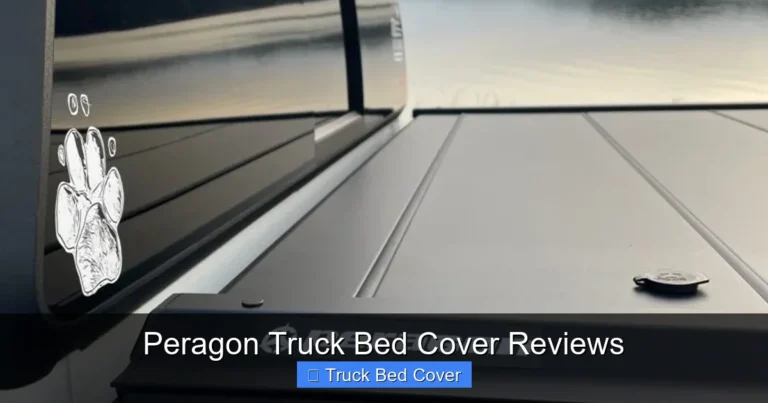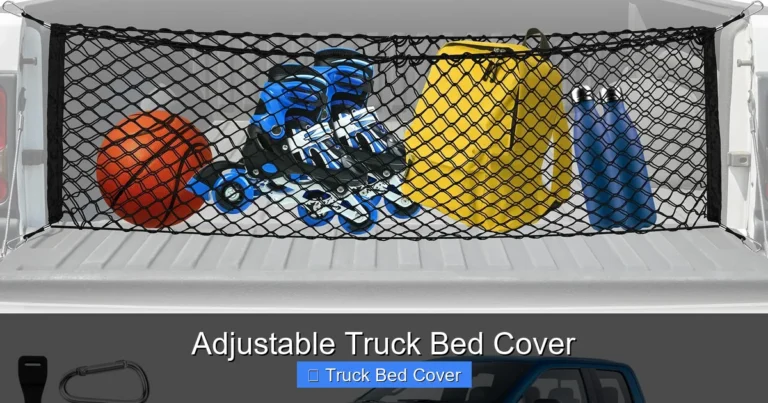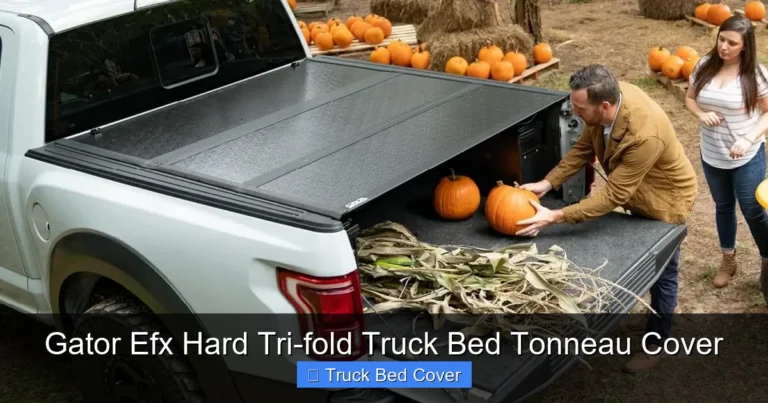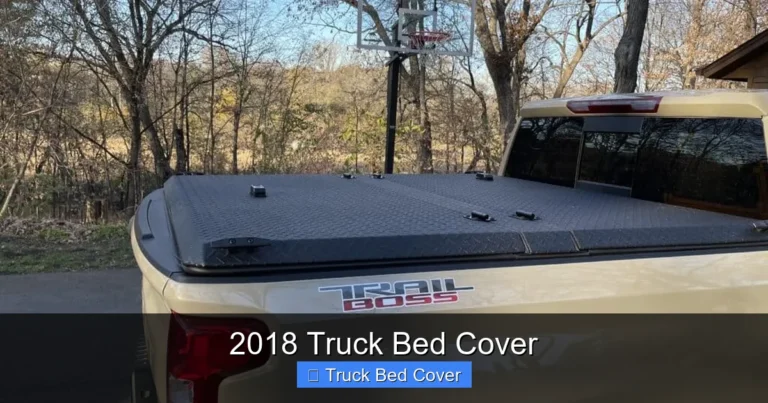
Bed Cover for Trucks
A bed cover for trucks is more than just a protective layer—it’s a smart investment that keeps your gear safe from weather, theft, and wear. Whether you’re hauling tools, equipment, or weekend essentials, the right cover enhances your truck’s functionality and resale value. With options ranging from roll-up to retractable models, finding the perfect fit means balancing convenience, security, and style.
If you’ve ever loaded a muddy tent, a wet cooler, or even just forgotten your tools in the rain, you know how frustrating it is when your truck bed becomes an open-air storage unit. Enter the bed cover for trucks—a simple yet powerful accessory that transforms how you use and protect your pickup. Whether you’re a construction worker, a weekend warrior, or a daily commuter, a reliable bed cover does more than just look good; it adds function, security, and value to your vehicle.
In this guide, we’ll walk you through everything you need to know about truck bed covers—what they are, why they matter, the different types available, and how to pick the best one for your needs. Think of this as your go-to resource for making an informed decision that pays off every time you hit the road.
Key Takeaways
- Enhanced Protection: A bed cover shields cargo from rain, snow, sun, and debris, preserving both your items and your truck’s interior.
- Theft Deterrence: Hard covers create a locked, enclosed space, making it harder for thieves to access your belongings.
- Improved Fuel Efficiency: Aerodynamic designs reduce drag, helping your truck achieve better gas mileage over time.
- Increased Resale Value: A quality bed cover signals care and maintenance, boosting your truck’s appeal to future buyers.
- Easy Access & Convenience: Modern covers offer full or partial opening, allowing quick loading without removing the entire cover.
- Custom Fit Options: Most brands provide vehicle-specific models, ensuring a snug, secure fit tailored to your make and model.
- Weather Resistance: High-grade materials like aluminum, fiberglass, and reinforced vinyl withstand harsh conditions year-round.
Quick Answers to Common Questions
Can a bed cover really improve gas mileage?
Yes! By reducing wind resistance, a properly installed bed cover can boost fuel efficiency by 3–10%, depending on driving conditions and cover design. It’s a subtle but measurable benefit for highway drivers.
Are soft covers as secure as hard ones?
Soft covers offer basic protection but lack the rigidity of hard shells. While they deter casual theft, determined intruders can cut through vinyl. For high-value cargo, opt for a hard cover with locking mechanisms.
Do I need special tools to install a bed cover?
Most modern covers use clamp-on systems requiring only basic hand tools like wrenches or screwdrivers. No welding or drilling is needed for standard models, though read instructions carefully before starting.
Will a bed cover fit my truck if I have a toolbox?
Many covers are designed to accommodate factory or aftermarket toolboxes. Look for models labeled “toolbox-compatible” or contact the manufacturer with your specs before buying.
How much do bed covers cost?
Prices range from $150 for entry-level roll-ups to over $1,500 for premium retractables. Mid-range options ($400–$800) often provide the best balance of quality, features, and value.
📑 Table of Contents
- What Is a Bed Cover for Trucks?
- Why You Need a Bed Cover for Your Truck
- Types of Truck Bed Covers Explained
- How to Choose the Right Bed Cover for Your Truck
- Installation Tips for Maximum Performance
- Maintenance and Longevity of Your Bed Cover
- Top Brands and Recommendations
- Real-World Applications: Who Needs a Bed Cover?
- Environmental and Economic Impact
What Is a Bed Cover for Trucks?
A bed cover for trucks, often called a tonneau cover, is a removable or permanent lid that fits securely over the open bed of a pickup truck. Designed to replace the traditional tailgate as the primary barrier, these covers seal in the cargo area, protecting contents from environmental damage and unauthorized access.
Modern truck bed covers come in a wide variety of styles, materials, and mechanisms—each suited to different driving habits, climates, and budgets. From basic roll-up vinyl models to heavy-duty hardtop designs, there’s a cover for every kind of truck owner.
But beyond aesthetics, the core purpose remains the same: keep your stuff dry, secure, and out of sight. And thanks to advances in engineering, many covers also improve aerodynamics, contributing to better fuel economy—something especially valuable for long-haul drivers.
Why You Need a Bed Cover for Your Truck
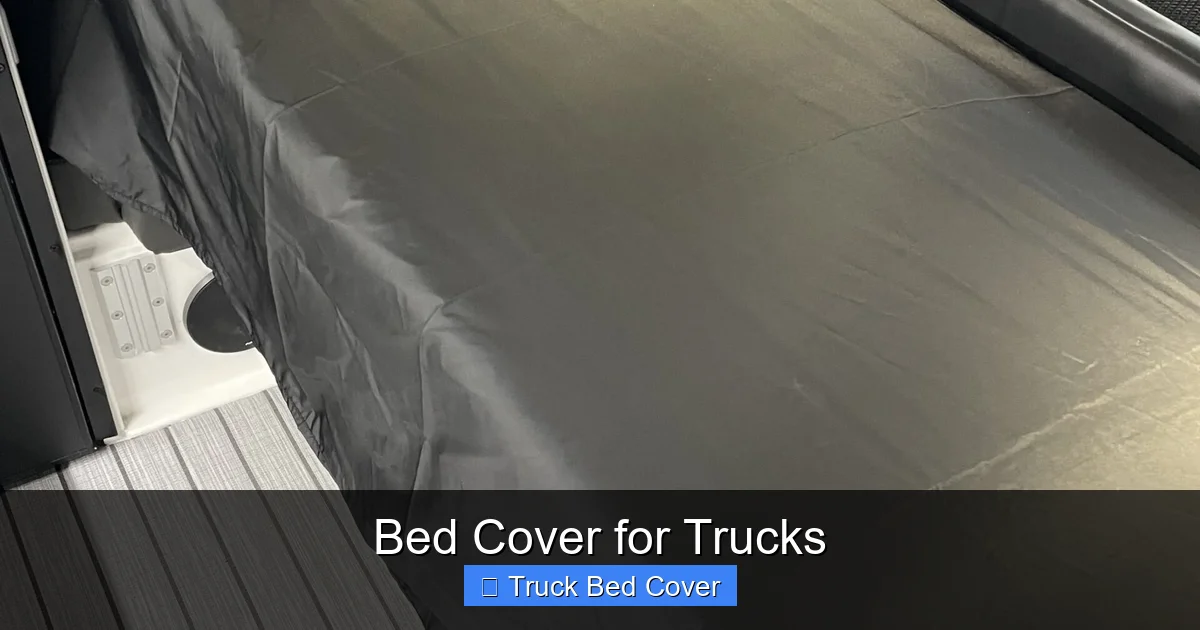
Visual guide about Bed Cover for Trucks
Image source: shop.ultimatecampers.com.au
Let’s be honest—most people buy a truck because they love the utility, not the vulnerability. Without a cover, your bed is exposed to wind, rain, snow, dust, and worse: prying eyes. That loose cooler or expensive camping gear sitting in plain sight? Not ideal.
Here’s why investing in a bed cover for trucks is a no-brainer:
1. Weather Protection
Rainstorms don’t wait for you to finish loading. A good cover prevents water from pooling in your bed, which can rust metal surfaces, warp wooden cargo, or ruin electronics. Even in dry climates, UV rays can fade upholstery, crack plastics, and degrade materials over time.
2. Security & Theft Prevention
Hard covers—especially those with locking mechanisms—make it nearly impossible for opportunistic thieves to grab what’s inside. Unlike an open bed, a sealed cover signals that your cargo isn’t easily accessible. For contractors or delivery drivers, this peace of mind is priceless.
3. Better Fuel Economy
Did you know that a poorly covered truck bed increases wind resistance? According to studies, uncovered beds can reduce fuel efficiency by up to 10%. A sleek, low-profile cover smooths airflow over the cab and bed, helping your engine work less hard at highway speeds.
4. Cargo Preservation
Whether you’re transporting sensitive equipment, furniture, or groceries, moisture and dirt compromise quality. A bed cover keeps your load clean and dry, reducing the risk of mold, mildew, or contamination.
5. Enhanced Appearance
Let’s face it—trucks look better with a finished look. A well-fitted bed cover gives your vehicle a polished, custom appearance that stands out on the road. It also hides unsightly items, keeping your truck looking professional and tidy.
Types of Truck Bed Covers Explained
Not all bed covers are created equal. Choosing the right one depends on your usage, climate, and budget. Here’s a breakdown of the most popular types:
Roll-Up Covers
These are the most affordable and user-friendly options. Made from durable vinyl stretched over a metal frame, roll-up covers unroll from a central canister and lock in place at the front of the bed. They offer full bed access when needed and fold neatly behind the cab.
Best for: Casual users, short-haul drivers, and those who need frequent access.
Folding Panel Covers
Made of multiple rigid panels connected by hinges, folding covers lay flat over the bed and latch at the cab end. Each panel can be individually lifted for partial access or fully opened for full bed use.
Best for: Mixed-use scenarios—good balance between protection and convenience.
Retractable Hard Covers
These feature a single-piece aluminum or fiberglass shell that rolls back into a compact housing at the cab. They provide maximum security and a flush, streamlined look. Many include built-in locks and soft-close mechanisms.
Best for: Long-distance drivers, fleet owners, or anyone prioritizing security and aerodynamics.
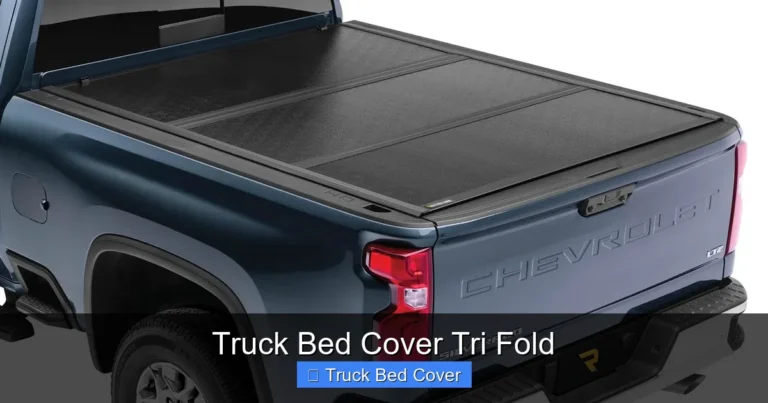
Tri-Fold Covers
Popular among DIYers and small business owners, tri-fold covers split into three sections that fold forward toward the cab. They’re lightweight, easy to install, and offer moderate protection.
Best for: Budget-conscious buyers who want decent performance without breaking the bank.
Hybrid & Custom Solutions
Some manufacturers combine features—like a soft cover with a hard-shell front—or offer custom-fit designs for specific truck models. These cater to niche needs but may come at a premium price.
How to Choose the Right Bed Cover for Your Truck
With so many options, how do you pick? Consider these factors before making your purchase:
1. Compatibility
Always verify that the cover fits your exact truck model, bed length (standard, extended, crew), and year of manufacture. Misaligned covers lead to leaks, poor sealing, and potential damage.
2. Material Quality
– Vinyl: Lightweight, affordable, and easy to maintain. Best for light-duty use.
– Aluminum: Strong, rust-resistant, and ideal for heavy loads or harsh environments.
– Fiberglass: Offers excellent rigidity and a premium look but can be brittle in extreme cold.
– Carbon Fiber: Ultra-lightweight and stylish, though significantly more expensive.
3. Climate Considerations
If you live in a snowy region, avoid soft covers that trap moisture and freeze shut. In hot climates, look for UV-resistant coatings to prevent fading and cracking.
4. Security Features
For high-value cargo, prioritize covers with:
– Locking latching systems
– Reinforced frames
– Tamper-evident seals
5. Ease of Use
Ask yourself: How often will I open and close the cover? If you’re loading frequently, a roll-up or tri-fold might be ideal. If you rarely access the bed, a fixed hardtop could suffice.
6. Installation Complexity
Most covers claim “no-drill” installation using clamps or bolts. However, some require minor modifications. Check reviews for real-world feedback on setup difficulty.
7. Warranty & Support
Reputable brands offer 2–5 year warranties against defects. Customer service responsiveness matters if issues arise post-installation.
Installation Tips for Maximum Performance
Even the best bed cover won’t deliver if installed improperly. Follow these steps to ensure a tight, watertight seal:
Step 1: Clean the Bed Thoroughly
Remove dirt, rust, and debris from the rail channels and mounting points. Any obstruction compromises alignment.
Step 2: Align Before Securing
Slide the cover onto the rails and check side-to-side levelness. Adjust clamps gradually to avoid warping the panels.
Step 3: Test for Gaps
Close the cover completely and inspect along the edges for gaps. Use weather stripping if necessary—many kits include adhesive strips.
Step 4: Verify Lock Functionality
Ensure latches engage smoothly and locks turn freely. Stiff mechanisms can fail under stress.
Step 5: Perform a Water Test
Spray water along the seams during a light rain or indoors. Look for drips inside the bed. Tighten any loose clamps or reapply sealant as needed.
Pro tip: Watch manufacturer tutorial videos or consult a professional if unsure. A poorly fitted cover defeats the whole purpose.
Maintenance and Longevity of Your Bed Cover
Like any vehicle accessory, regular upkeep extends lifespan and maintains performance. Here’s how to care for your bed cover for trucks:
Cleansing Routine
Use mild soap and water to wash off grime, bird droppings, or salt residue. Avoid harsh chemicals that strip protective coatings. Dry thoroughly to prevent water spots.
Lubrication
Apply silicone-based lubricant to moving parts (latches, hinges) twice a year to prevent sticking and corrosion.
Storage During Off-Seasons
If removing the cover for winter, store it in a cool, dry place away from direct sunlight. Never leave vinyl exposed to prolonged heat—it can become brittle.
Inspect Regularly
Check for cracks, dents, or loose hardware monthly. Early detection prevents costly repairs later.
By following these simple steps, your bed cover can last 8–10 years or more—well worth the initial investment.
Top Brands and Recommendations
While countless options exist, certain brands consistently earn praise for quality and reliability:
– Bak: Known for durable hardtops like the BakFlip MX4 and Revolver models.
– UnderCover: Offers smooth-operating retractables such as the Elite series.
– TruXedo: Popular roll-up covers praised for affordability and ease of use.
– Tonno Pro: Reliable tri-fold and hard-fold options with strong customer support.
– Leer: Premium fiberglass caps with OEM-style finishes.
When researching, read verified customer reviews on retailer sites and forums. Real experiences often reveal hidden pros and cons not mentioned in ads.
Real-World Applications: Who Needs a Bed Cover?
The beauty of a bed cover lies in its versatility. Consider these common user profiles:
Construction Professionals
Carry tools, ladders, and materials safely without fear of rain or theft. Hard covers with lockable fronts add professionalism to job sites.
RVers and Campers
Keep gear dry during multi-day trips. Some owners even mount rooftop tents above their covers for added living space.
Delivery Drivers
Protect perishables and packages from weather while deterring package thieves—especially important in urban areas.
Daily Commuters
Even hauling groceries or gym bags benefits from a covered bed that looks sharp and prevents spills from spreading.
No matter your lifestyle, a bed cover adapts to your routine—not the other way around.
Environmental and Economic Impact
Beyond personal benefits, truck bed covers contribute positively to broader concerns:
– Reduced Emissions: Improved aerodynamics lower CO₂ output, supporting greener driving practices.
– Less Wear on Truck Beds: Sealed covers minimize exposure to corrosive elements, extending the life of your truck itself.
– Lower Insurance Costs: Some insurers offer discounts for vehicles with enhanced security features like locked tonneaus.
It’s a small change with ripple effects—on your wallet, your vehicle, and the planet.
Frequently Asked Questions
How do I know which bed cover fits my truck?
Check your truck’s make, model, year, bed length, and cab style. Most manufacturers provide fit guides on their websites. Matching part numbers ensures compatibility and proper sealing.
Can I remove the bed cover myself?
Absolutely. Most covers are designed for easy removal—some take under an hour. Keep the hardware organized in a labeled bag for hassle-free reinstallation.
Will a bed cover damage my truck bed?
No, when installed correctly. Reputable covers use padded clamps and non-abrasive materials. Avoid cheap knockoffs that pinch or scratch painted surfaces.
Are bed covers legal everywhere?
In most states, yes—as long as the cover doesn’t obstruct lights, license plates, or exceed height limits. Always check local regulations, especially for commercial vehicles.
Should I get a bed cover if I never carry anything in the bed?
Even then, a cover protects your truck’s paint and prevents rocks or debris from kicking up and damaging the cab. Plus, it improves appearance and resale value.
How long does it take to install a bed cover?
Typically 1–2 hours for beginners, less for experienced DIYers. Roll-up and tri-fold models are fastest; retractables may take longer due to alignment precision.