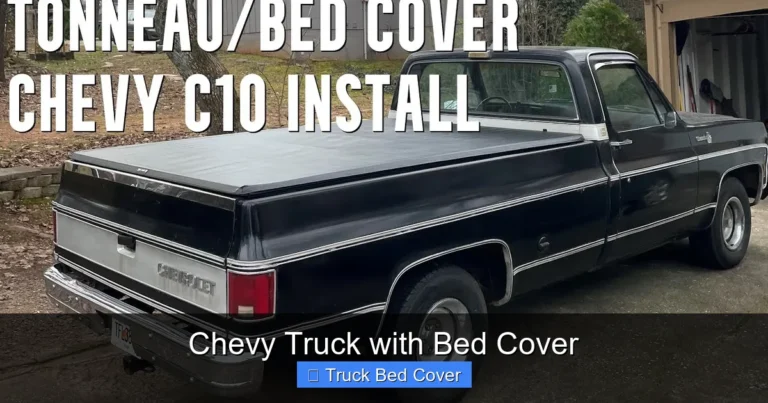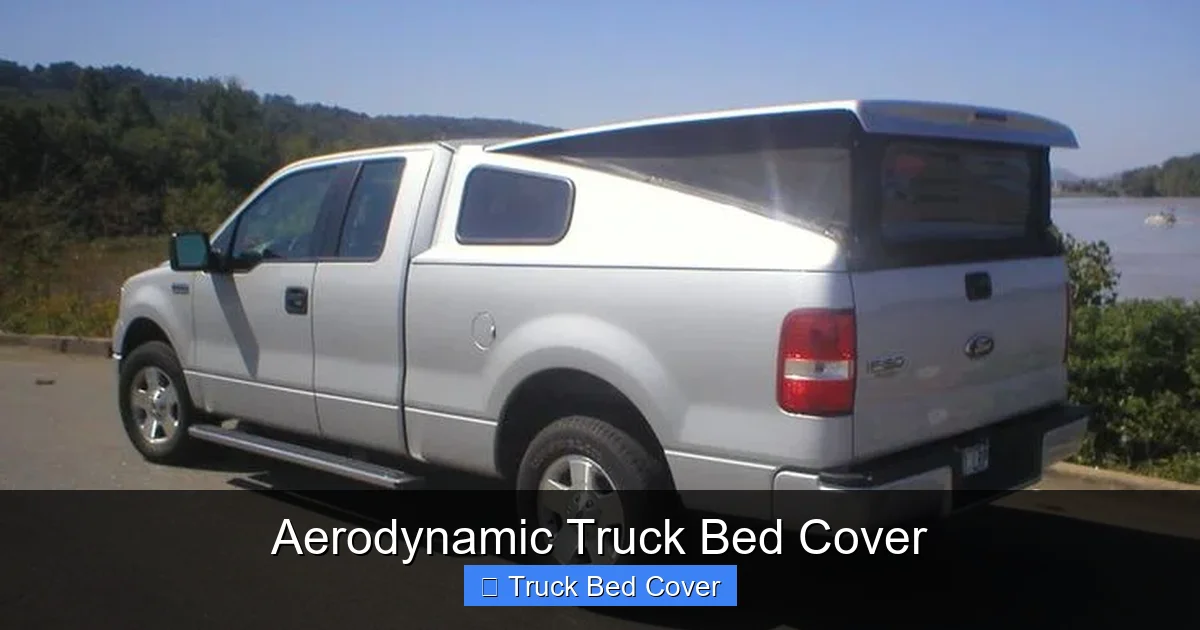
Aerodynamic Truck Bed Cover
An aerodynamic truck bed cover is a smart upgrade that cuts wind resistance and improves gas mileage. It also shields your load from weather and theft while giving your truck a sleek look. Whether you haul gear or commute daily, this simple add-on delivers real-world savings and style.
You’ve probably seen trucks with those smooth, curved caps on their beds—those are aerodynamic truck bed covers. They’re not just for looks; they’re engineering solutions designed to make your ride more efficient, quieter, and safer.
Whether you use your pickup for work, recreation, or daily commuting, the shape of your truck bed creates a lot of drag. That drag forces your engine to work harder, especially at highway speeds. Enter the aerodynamic truck bed cover: a relatively simple addition that can reshape how air moves around your vehicle. In this article, we’ll walk through everything you need to know—from how these covers actually improve fuel economy to which type is best for your needs.
Key Takeaways
- Improved Fuel Economy: A well-designed aerodynamic cover can reduce drag by up to 15%, leading to noticeable fuel savings over time.
- Enhanced Cargo Protection: These covers shield your goods from rain, snow, dust, and UV rays, keeping contents dry and undamaged.
- Better Aerodynamics: By smoothing airflow over the truck bed, they reduce turbulence and wake behind the cab, improving overall vehicle performance.
- Security Boost: Many models lock securely, deterring theft and protecting valuable loads during transport.
- Reduced Wind Noise: Smoother airflow means less cabin noise, making long drives quieter and more comfortable.
- Easy Installation: Most aerodynamic truck bed covers install in under an hour without drilling or permanent modifications.
- Weather Resistance: High-quality materials withstand extreme temperatures, moisture, and sun exposure without cracking or fading.
Quick Answers to Common Questions
Does an aerodynamic truck bed cover really save gas?
Yes, studies show they can improve fuel economy by 5–10% on highways by reducing drag. For average drivers, that means hundreds of dollars in annual savings.
Can I install one myself?
Most covers take under an hour to install without drilling. Follow the included instructions, and consider watching a tutorial video for your specific model.
Will it protect my cargo from rain?
Absolutely. Quality aerodynamic covers feature watertight seals that keep rain, snow, and dirt out, even in heavy storms.
Are they noisy?
No—in fact, they reduce wind noise by smoothing airflow. You’ll likely notice a quieter cabin at highway speeds.
Do they work with bed liners?
Most modern covers are designed to work with spray-in or drop-in liners. Check compatibility before purchasing.
📑 Table of Contents
- What Is an Aerodynamic Truck Bed Cover?
- Types of Aerodynamic Truck Bed Covers
- How Aerodynamic Covers Improve Fuel Efficiency
- Other Benefits of Aerodynamic Truck Bed Covers
- Choosing the Right Aerodynamic Cover
- Maintenance and Longevity
- Environmental Impact and Emissions
- Common Misconceptions
- Final Thoughts
What Is an Aerodynamic Truck Bed Cover?
At its core, an aerodynamic truck bed cover is a lid that fits over the open area of a pickup truck bed. Unlike basic tonneau covers that simply close the bed, aerodynamic versions are engineered to minimize disruption in airflow. They feature smooth, contoured surfaces and often include features like integrated side skirts or rear seals that help direct air cleanly over and under the vehicle.
The goal? Reduce what engineers call “drag”—the resistance created when moving through air. Think of it like swimming versus wading. The smoother and more streamlined your truck’s profile, the easier it glides down the road. And because engines don’t have to fight as much resistance, they use less fuel.
These covers aren’t new—truck manufacturers have used similar principles in commercial fleets for decades—but now consumers can access professional-grade aerodynamics at an affordable price.
The Science Behind the Streamline
When air hits a flat surface head-on, it separates quickly, creating eddies and turbulence. On a standard truck bed, the abrupt end causes massive wake formation behind the cab. An aerodynamic cover disrupts this by guiding air smoothly across its top and along its sides.
Some high-end models even include vortex generators—tiny fins that help control airflow separation. Others use tapered designs or rear spoilers to further reduce lift and drag. All of these elements work together to keep air attached longer, minimizing energy loss.
Studies show that reducing truck drag by just 10% can improve fuel economy by up to 5%. For someone driving 15,000 miles a year, that could mean saving hundreds of dollars annually at the pump.
Types of Aerodynamic Truck Bed Covers
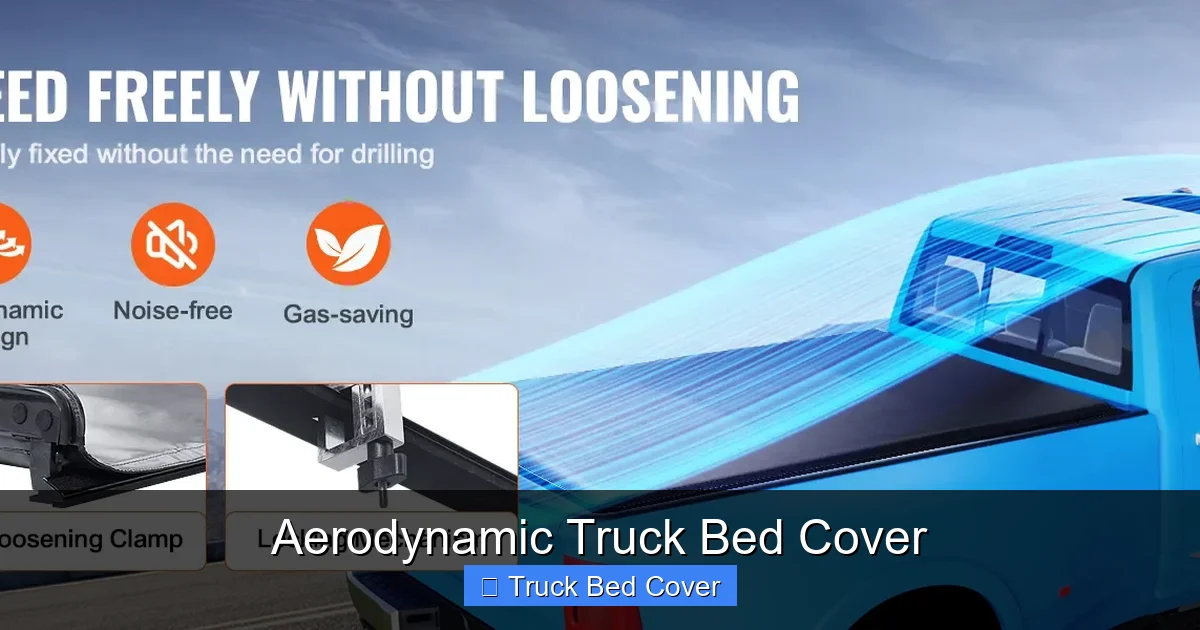
Visual guide about Aerodynamic Truck Bed Cover
Image source: vevor-goods.vevor.net
Not all aerodynamic covers are built the same. Choosing the right one depends on your priorities—whether it’s maximum fuel savings, security, or ease of access.
Hard Fold Covers
These are made from durable aluminum or composite panels that fold flat against the cab. They offer excellent protection and moderate aerodynamics. While not as sleek as full-lid designs, they’re great if you need frequent access to the bed.
One-Piece Hard Covers
Also called “caps,” these sit flush over the entire bed. They provide superior sealing and aerodynamics but require removing cargo to access the bed. Ideal for enclosed loads like tools or equipment.
Soft Roll-Up Covers
Made from heavy-duty vinyl, these unroll and roll back manually or with a latch. They’re lightweight and affordable but may not match the aerodynamic precision of hard covers. Still, newer models incorporate reinforced edges and side rails to improve airflow.
Aero-Designed Tonneaus
This category includes specialized covers with curved profiles, integrated side skirts, and tapered rear ends. Brands like DiamondBack, ARE, and Leer engineer their products specifically for reduced drag. They’re pricier but deliver measurable improvements in fuel efficiency and stability.
Retractable Hard Covers
Using a rail-and-panel system, these slide open like a garage door. They combine accessibility with strong aerodynamics—perfect for mixed-use drivers who want both convenience and performance.
Each type has trade-offs. Consider how often you access the bed, what kind of cargo you carry, and whether you prioritize speed, security, or style.
How Aerodynamic Covers Improve Fuel Efficiency
Let’s get practical. Why should you care about drag reduction?
Every time your truck slows down due to air resistance, your engine compensates by burning more fuel. At 65 mph, a typical full-size pickup experiences significant drag from its open bed. Adding an aerodynamic cover changes that equation dramatically.
Research from the Department of Energy shows that aerodynamic enhancements—including bed covers—can improve highway fuel economy by 5–10%. For a truck averaging 18 mpg, that’s an extra mile per gallon. Over 12,000 highway miles per year, that adds up to nearly 70 gallons saved annually.
But it’s not just about numbers. Lower drag also means less strain on your transmission and drivetrain. That translates to longer component life and fewer mechanical issues down the road.
Real-World Examples
Imagine two identical trucks—one with a standard open bed, one with a premium aerodynamic cover. Both carry the same load and drive the same route. After six months, the covered truck has burned 40 fewer gallons of gas. That’s $120 in savings (at $3/gallon), plus reduced emissions and better performance.
Truck fleets report even bigger gains. UPS and FedEx use aerodynamic trailers and cabs across their networks, cutting fuel costs by millions annually. While consumer models won’t achieve fleet-level results, individual drivers still benefit from consistent, everyday improvements.
Other Benefits of Aerodynamic Truck Bed Covers
Beyond fuel savings, there are plenty of hidden advantages.
Weather Protection
Rain, snow, and sleet don’t stand a chance against a sealed cover. Your tools stay dry, your electronics remain functional, and your clothes don’t get soaked after a quick errand. Even dirt and leaves are kept out—no more muddy gear or clogged bed liners.
Security and Theft Deterrence
An open truck bed invites opportunistic thieves. A locked cover makes it much harder to access contents without breaking into the cab. Plus, visible covers signal that the driver cares about their cargo—a psychological deterrent for would-be vandals.
Noise Reduction
Wind noise increases dramatically with open beds. Studies show that aerodynamic covers can reduce cabin noise by up to 3 decibels—roughly equivalent to lowering music volume slightly. That makes highway driving more pleasant, especially on long trips.
Stability at High Speeds
Turbulence from an uncovered bed can affect steering feel and handling. Smoother airflow improves rear-end stability, particularly when towing or carrying tall loads. Drivers often notice a calmer, more planted sensation at freeway speeds.
Sleek Aesthetics
Let’s be honest—aerodynamic covers look sharp. They give trucks a sporty, customized appearance that stands out at the worksite or weekend trailhead. Many models integrate seamlessly with factory racks or accessories.
Choosing the Right Aerodynamic Cover
With so many options, where do you start?
First, measure your truck bed accurately. Length, width, and cab height matter—especially if you plan to install side rails or use roof racks. Second, decide how you access the bed: daily loading? occasional hauls? Full-time cargo protection?
Next, consider climate. If you live in a humid or rainy region, opt for waterproof seals and corrosion-resistant materials. In desert areas, UV protection becomes crucial.
Budget is another factor. Soft roll-ups start around $200, while professional-grade hard covers can exceed $1,000. But remember: higher upfront cost often pays off in fuel savings and durability.
Finally, check compatibility with existing accessories—like bike racks or toolboxes. Some covers require custom mounting hardware.
Installation Tips
Most aerodynamic covers come with detailed instructions. Here’s a pro tip: clean the bed rails thoroughly before mounting. Use a torque wrench if specified—over-tightening can warp panels. Test the cover’s seal by spraying water around the edges; no leaks = good fit.
If you’re unsure, watch manufacturer videos or hire a local installer. Proper setup ensures maximum aerodynamic benefit and prevents rattles.
Maintenance and Longevity
Like any vehicle accessory, your cover needs care to last.
For soft covers, wash with mild soap and water quarterly. Avoid harsh chemicals that degrade vinyl. Store rolls neatly to prevent creases.
Hard covers resist most elements but benefit from periodic cleaning with non-abrasive cleaners. Inspect latches and seals yearly for wear. Replace gaskets if they crack or lose flexibility.
In extreme cold, avoid forcing frozen latches open. In hot climates, park in shade when possible to reduce thermal stress on materials.
With proper maintenance, most aerodynamic covers last 5–10 years—well beyond the payback period from fuel savings alone.
Environmental Impact and Emissions
Fuel efficiency directly ties to environmental responsibility. Less gasoline burned means fewer greenhouse gases released into the atmosphere. According to the EPA, improving truck fuel economy by just 1 mpg reduces CO₂ emissions by about 400 pounds per year.
By choosing an aerodynamic cover, you’re not just saving money—you’re contributing to cleaner air and lower carbon footprints. Every gallon saved helps slow climate change.
Plus, many manufacturers now use recycled or sustainable materials in their products, further reducing ecological impact.
Common Misconceptions
There are a few myths worth clearing up.
Myth #1: Aerodynamic covers only help at very high speeds.
Truth: Even at 45 mph, reducing drag saves fuel. The effect compounds with speed, but benefits begin immediately.
Myth #2: All tonneau covers are aerodynamic.
Truth: Only specially designed models with streamlined shapes and side seals qualify. Basic roll-up covers lack these features.
Myth #3: You need a specialty truck to install one.
Truth: Most standard pickups accommodate aftermarket covers. Measure carefully, though—some compact or mid-size trucks have limited clearance.
Don’t let misinformation stop you from upgrading. Talk to experts or read verified reviews before deciding.
Final Thoughts
An aerodynamic truck bed cover isn’t just a cosmetic tweak—it’s a performance upgrade with tangible benefits. From cutting fuel costs to protecting your gear and reducing noise, it checks multiple boxes for modern truck owners.
Whether you’re a contractor hauling supplies, a family adventurer, or a daily commuter, investing in a quality cover pays dividends every time you hit the road. Start by assessing your needs, comparing models, and choosing one that balances function, form, and value.
Your wallet—and your ears—will thank you.
Frequently Asked Questions
Are aerodynamic truck bed covers worth the investment?
Yes, especially if you drive frequently on highways. The fuel savings, cargo protection, and noise reduction typically justify the cost within 1–2 years.
How much does an aerodynamic truck bed cover cost?
Prices range from $200 for basic soft covers to over $1,000 for premium hard models. Mid-range aerodynamic designs usually cost $500–$800.
Can I leave my cover on in winter?
Yes. High-quality covers handle snow, ice, and freezing temperatures. Just avoid prying frozen latches open with force.
Will it void my truck warranty?
No, as long as installation doesn’t damage factory components. Always use manufacturer-approved hardware and avoid drilling into frame rails.
Do I need special tools to install it?
Basic tools like a socket wrench and screwdriver are usually sufficient. No power tools or welding required for most models.
How long do they last?
With proper care, aerodynamic covers last 5–10 years. Soft covers may fade or tear sooner, while hard covers resist wear longer.