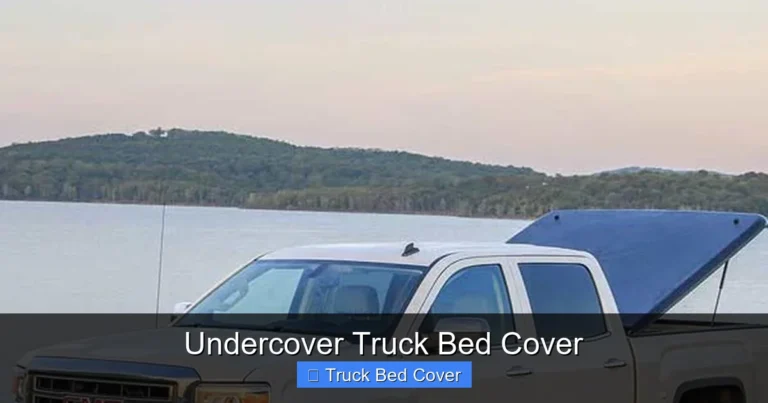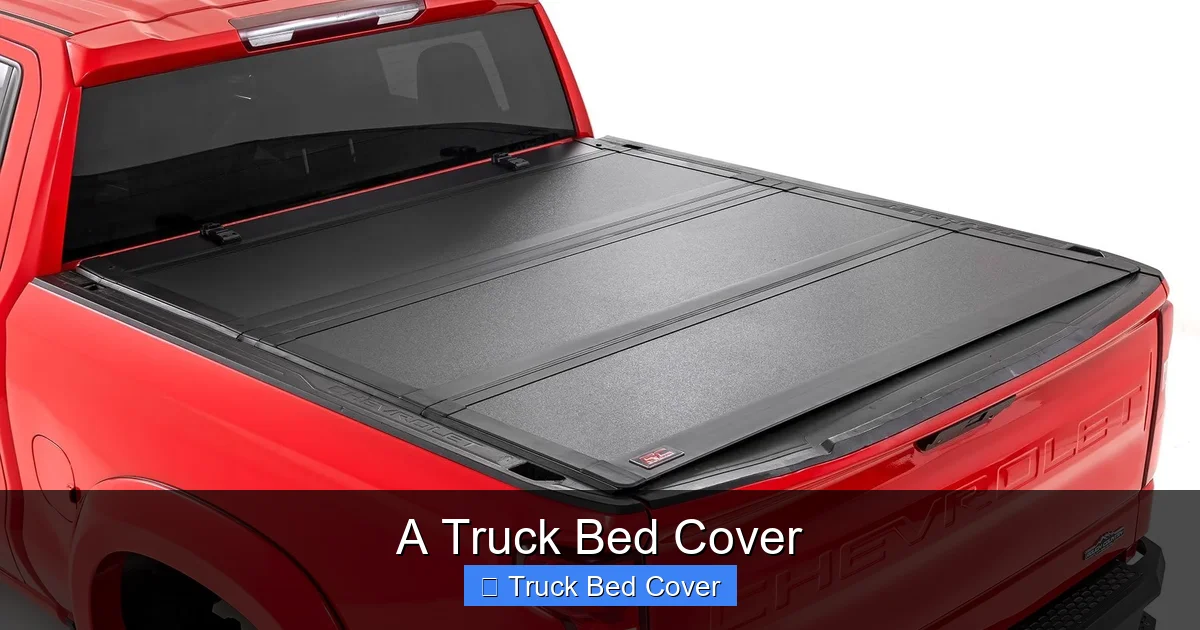
A Truck Bed Cover
A truck bed cover is more than just a lid—it’s a smart investment that protects your gear from weather, theft, and wear while adding value to your vehicle. Whether you’re hauling tools, sports equipment, or weekend essentials, the right cover keeps everything secure and dry. From roll-up to retractable models, there’s a style to match every need and budget.
Key Takeaways
- Enhanced Security: A truck bed cover prevents unauthorized access, reducing the risk of theft and damage to your belongings.
- Weather Protection: It shields cargo from rain, snow, UV rays, and debris, keeping items dry and in good condition.
- Improved Fuel Efficiency: Aerodynamic covers reduce wind resistance, helping your truck achieve better gas mileage.
- Increased Truck Value: A high-quality cover boosts resale value by preserving the bed’s appearance and functionality.
- Customizable Options: With various styles like tonneau, hard folding, and retractable, you can find one that fits your lifestyle and truck model.
- Easy Installation: Most covers are DIY-friendly and can be installed in under an hour with basic tools.
- Style and Function: Beyond utility, a sleek cover enhances your truck’s look and makes it stand out on the road.
Quick Answers to Common Questions
Can I install a truck bed cover myself?
Yes! Most covers are designed for DIY installation and take less than an hour. Just follow the instructions carefully and use the right tools.
Will a bed cover fit my truck?
Absolutely—but only if you choose one made for your specific truck make, model, and year. Always verify compatibility before buying.
Do bed covers reduce truck noise?
Yes, especially at highway speeds. A sealed cover minimizes wind whistling and cargo shifting sounds, making your ride quieter and more comfortable.
Are retractable covers worth the price?
If you need full bed access frequently and want a premium look, yes. They’re more expensive but offer unmatched versatility and durability.
Can I drive with the cover open?
Yes, but avoid doing so at high speeds. Wind resistance increases significantly, reducing fuel efficiency and stability.
📑 Table of Contents
- What Is a Truck Bed Cover?
- Why You Need a Truck Bed Cover
- Types of Truck Bed Covers Explained
- How to Choose the Right Truck Bed Cover
- Installation Tips That Actually Work
- Maintenance and Longevity
- Top Brands Worth Considering
- Real-Life Scenarios: When a Bed Cover Shines
- Common Myths About Truck Bed Covers
What Is a Truck Bed Cover?
A truck bed cover, often called a tonneau cover when referring to the rear of a pickup truck, is a protective panel or fabric system installed over the open area of a truck bed. Its primary purpose is to secure and shield whatever you’re carrying—whether it’s construction materials, camping gear, groceries, or furniture—from the elements and potential thieves. Think of it as a mobile storage solution that turns your truck into a closed cargo space without needing a full enclosure.
These covers come in a variety of designs, materials, and mechanisms, but they all serve the same core function: keep your stuff safe, dry, and out of sight. They’re especially popular among truck owners who want both practicality and a polished look. From rugged work trucks to stylish daily drivers, a well-chosen bed cover adds value, functionality, and peace of mind.
Why You Need a Truck Bed Cover
You might think, “My truck bed is already covered by the tailgate,” and that’s true—but only partially. Without a bed cover, your cargo is still exposed to wind, rain, dirt, and prying eyes. A quality truck bed cover closes the gap and transforms your truck into a secure, weatherproof storage unit. Let’s break down the real-world benefits.
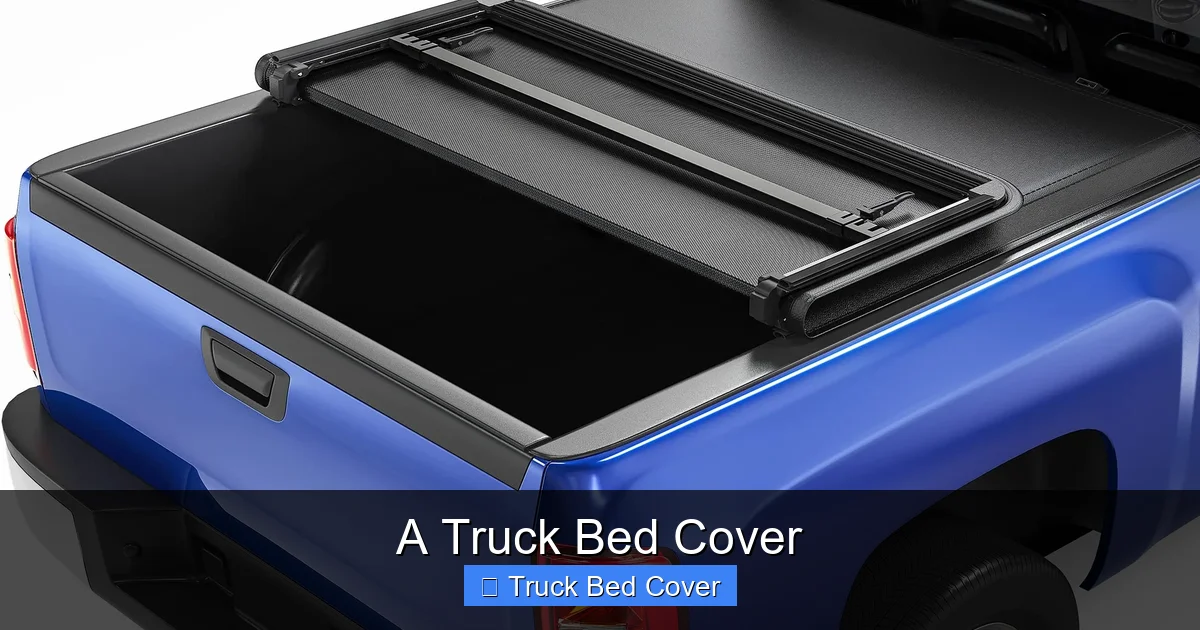
Visual guide about A Truck Bed Cover
Image source: m.media-amazon.com
Protection Against the Elements
If you’ve ever loaded a tarp-covered load and driven through a sudden downpour, only to arrive at your destination with soaked gear, you know how frustrating it is. A solid or tightly sealed truck bed cover acts like a canopy, preventing rainwater from pooling inside the bed. It also blocks UV rays, which can fade upholstery, damage electronics, or warp plastic parts. For off-road enthusiasts or contractors, this protection can mean the difference between salvaging expensive tools or replacing them.
Security That Matters
According to the National Insurance Crime Bureau, truck bed thefts are on the rise—especially in urban areas where quick grabs of tools or equipment are tempting targets. An unlocked, uncovered bed invites opportunistic thieves. But a locked, hard-sided cover? That sends a clear message: your gear isn’t sitting out in the open. Even a simple soft roll-up cover with a tailgate lock can deter casual vandals. For high-value items, consider a cover with built-in locking mechanisms or reinforced latches.
Fuel Savings You Can Feel
This might surprise you, but studies show that an aerodynamic truck bed cover can improve fuel economy by up to 10%. How? By reducing drag at highway speeds. When you drive with an open bed, air swirls around the edges, creating turbulence that increases resistance. A smooth, flush-mounted cover creates a cleaner airflow over the truck body. So not only do you save money at the pump, but you also contribute less carbon emissions.
Aesthetic Appeal That Turns Heads
Let’s be honest—your truck is an extension of your personality. A sleek, low-profile tonneau cover gives your ride a modern, streamlined look. Whether you prefer the rugged charm of a canvas roll-up or the polished finish of a metal panel, the right cover can make your truck look more intentional and well-maintained. It’s like upgrading from a basic sedan to a luxury SUV—just for your truck bed.
Types of Truck Bed Covers Explained
Not all truck bed covers are created equal. The market offers several categories, each with distinct pros and cons. Choosing the right one depends on your driving habits, climate, budget, and how much security you need. Here’s a breakdown of the most common types.
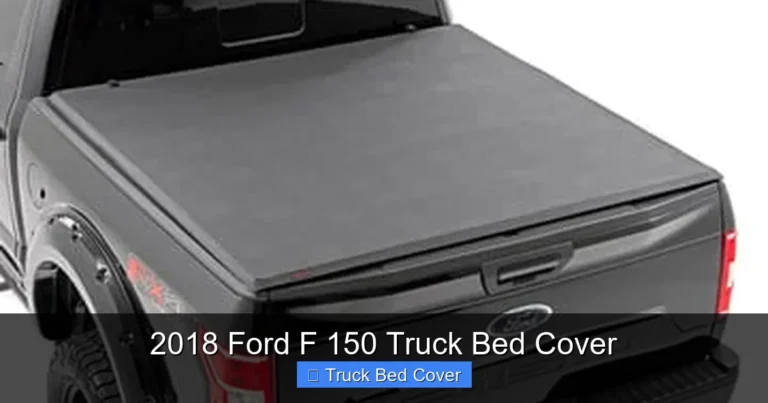
Roll-Up Covers
The roll-up cover is the most affordable and widely used option. Made of durable vinyl or canvas, it rolls forward and secures with a latch or strap near the cab. These are ideal for daily use because they’re easy to access, lightweight, and don’t interfere with bed length.
Best for: Everyday hauling, moderate weather protection, and budget-conscious buyers.
One downside? Over time, the vinyl can stretch or tear, especially if you frequently load heavy items. Also, since it doesn’t seal completely at the sides, light rain might seep in during strong storms.
Hard Folding Covers
Hard folding covers consist of multiple rigid panels connected by hinges. They fold forward like an accordion and sit flat against the cab when not in use. These offer excellent security and a clean, factory-like appearance.
Best for: Owners who need frequent access but still want strong protection and aesthetics.
They’re heavier than roll-ups and may require two people to install, but they provide superior durability and can withstand harsher conditions. Some models even include weatherstripping to improve sealing.
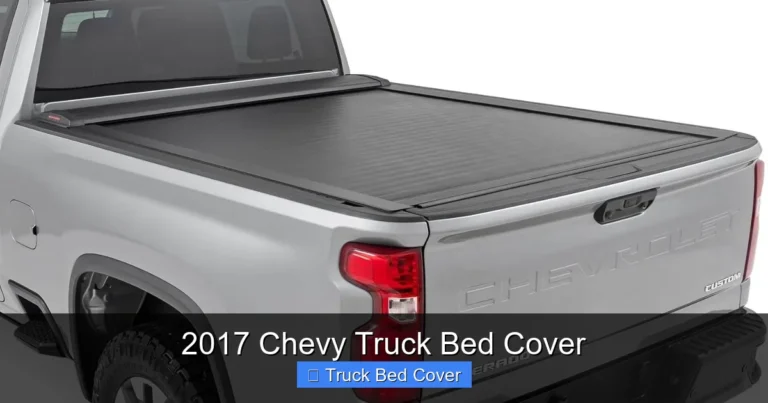
Retractable Covers
Also known as “lid-style” covers, retractables slide open using a manual crank or electric motor. They’re mounted on rails and can be fully opened to access the entire bed or retracted just enough to load large items.
Best for: Those who want maximum flexibility and a premium look without sacrificing full bed access.
While pricier than other options, retractables are highly durable, offer a tight seal, and often come with warranties. Electric versions add convenience but increase cost and complexity.
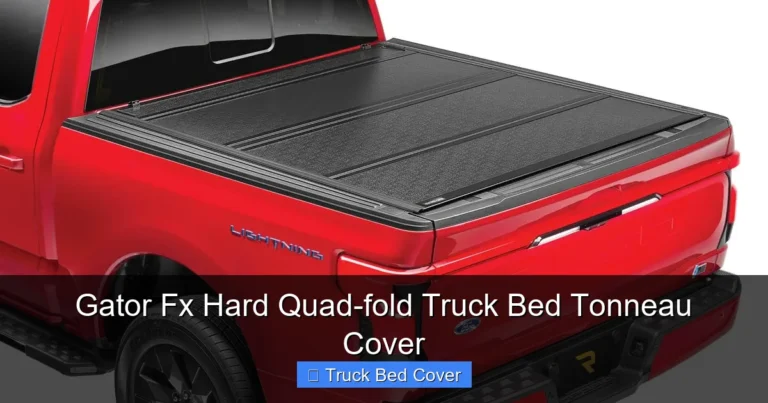
Soft Tri-Fold and Quad-Fold Covers
These are similar to hard folding covers but made from flexible materials like marine-grade vinyl stretched over aluminum frames. They fold into three or four sections and are secured with latches.
Best for: Balancing strength, affordability, and ease of use.
They’re lighter than full hard panels and easier to handle, making them a favorite among DIY installers. However, they may not offer the same level of rigidity as solid metal lids.
Aluminum Panel Covers
Made from corrosion-resistant aluminum, these are the ultimate in durability and style. They’re fully sealed, lockable, and can support significant weight—perfect for heavy-duty work trucks.
Best for: Commercial users, extreme weather, and those prioritizing long-term value.
Installation can be tricky due to weight and precise alignment, but the payoff is a cover that lasts decades with minimal maintenance.
How to Choose the Right Truck Bed Cover
Picking the perfect cover isn’t about picking the shiniest one. It’s about matching your needs to the features available. Here’s what to consider before hitting “add to cart.”
Measure Your Truck Bed
Truck beds vary in size—even within the same make and model across different years. Measure the length (from cab to tailgate), width, and depth to ensure compatibility. Most manufacturers list exact fitments online, so double-check before purchasing.
Consider Your Climate
If you live in a rainy or snowy region, opt for a cover with a watertight seal and reinforced edges. In hot climates, UV-resistant materials prevent cracking and fading. Cold areas benefit from covers that resist ice buildup and remain flexible in freezing temps.
Think About Usage
Do you haul lumber, bikes, or delicate electronics? If you need full bed access often, a retractable or tri-fold might be best. For occasional use with heavy loads, a hard panel cover offers strength and security.
Budget Wisely
Entry-level roll-up covers start around $100, while high-end retractables with electric motors can exceed $2,000. Remember: cheaper doesn’t always mean worse—but it might mean shorter lifespan or limited features. Invest in quality if you plan to keep your truck long-term.
Check Installation Ease
Many covers claim to be “no-drill” or “easy install,” but read reviews. Some require drilling into the bed rails, which can void warranties or rust over time. Look for bolt-on systems that clamp securely without permanent modifications.
Installation Tips That Actually Work
Even the best cover won’t perform well if it’s poorly installed. Follow these pro tips to ensure a tight, secure fit that lasts.
- Clean the Bed First: Remove dirt, grease, and debris from the bed rails. A clean surface ensures proper adhesion and prevents scratches during installation.
- Use the Right Tools: Most kits include hardware, but you’ll likely need a socket wrench, screwdriver, and measuring tape. Avoid using power tools unless specified—over-tightening can strip screws or damage the cover.
- Follow the Manual Step-by-Step: Even if it seems obvious, don’t skip steps. Misaligned brackets or loose clamps lead to rattling and leaks.
- Test the Seal: After installation, close the cover completely and spray water on top. Check for leaks at seams and corners. Adjust if needed.
- Lubricate Moving Parts: Apply silicone spray to hinges and rollers to prevent sticking and extend lifespan.
Pro Tip: Watch YouTube tutorials specific to your truck model. Visual guides help catch details you might miss in written instructions.
Maintenance and Longevity
A truck bed cover should last 5–10+ years with proper care. Neglect leads to premature wear—so here’s how to keep yours looking and functioning like new.
Regular Cleaning
Wipe down the cover weekly with mild soap and water. Avoid harsh chemicals that degrade vinyl or aluminum. For stubborn grime, use a soft brush or sponge. Never pressure wash directly at high intensity—it can peel seals or crack material.
Inspect for Damage
Every few months, check for tears, loose bolts, or worn-out rubber seals. Replace damaged parts immediately to maintain waterproofing and security.
Store Properly
If you remove the cover (for winter or storage), clean it first and store it in a cool, dry place away from direct sunlight. Do not leave it folded tightly for long periods—this can cause creases or material fatigue.
Winter Care
In snowy climates, gently brush off accumulated snow rather than scraping. Ice buildup can warp panels or jam mechanisms. Use a hairdryer on low heat to melt frozen latches—never use sharp tools.
Top Brands Worth Considering
With so many options, narrowing down brands helps. These companies consistently earn praise for quality, customer service, and innovation.
- UnderCover: Known for smooth-operating retractables and reliable folding models. Great warranty support.
- Bak: Offers a range from affordable roll-ups to premium aluminum panels. Their BakFlip series is a fan favorite.
- Rampage: Budget-friendly without sacrificing durability. Ideal for fleet vehicles and casual users.
- TruXedo: Specializes in soft roll-up and hard folding covers with easy installation and strong seals.
- Leer: High-end brand focusing on custom-fit hard lids with premium finishes—more suited to luxury trucks.
Always compare warranties. Most reputable brands offer 1–3 years, but some extend to 5 or even lifetime coverage for defects.
Real-Life Scenarios: When a Bed Cover Shines
Let’s put theory into practice. Here are common situations where a truck bed cover proves its worth.
The Weekend Warrior
Meet Sarah, a mountain biker who drives her Ford F-150 to trailheads every Saturday. Without a cover, her expensive bikes get scratched in the bed and are vulnerable to theft. After installing a hard folding cover with a lock, she rides with confidence. Rain or shine, her gear stays dry and secure—and she gets compliments on the truck’s clean look.
The Small Business Owner
Carlos runs a landscaping company. He uses his Chevy Silverado to transport shovels, rakes, and bags of mulch. A roll-up cover keeps his tools organized and protected from rain during long jobs. Plus, it reduces wind noise and improves gas mileage on his daily commutes to job sites.
The Family Road Trips
The Johnsons take annual vacations in their Toyota Tacoma. Their bed is filled with cooler, luggage, and beach toys. A retractable cover lets them open it partially for easy access while keeping everything shielded from sun and sand. No more unpacking wet towels after a storm!
Common Myths About Truck Bed Covers
Despite their popularity, misconceptions persist. Let’s set the record straight.
- Myth: “Covers reduce fuel efficiency.”
Truth: On the contrary, aerodynamic covers improve gas mileage by cutting drag.
- Myth: “All covers are the same.”
Truth: Materials, sealing, and mechanisms differ greatly—choose based on your needs.
- Myth: “I can’t open the tailgate with a cover.”
Truth: Most modern covers allow tailgate access without removal.
- Myth: “Soft covers aren’t durable.”
Truth: High-quality vinyl and aluminum frames offer excellent longevity.
Frequently Asked Questions
What is the difference between a tonneau cover and a truck bed cover?
A tonneau cover specifically refers to a cover installed over the truck bed, typically the rear area. All tonneau covers are truck bed covers, but not all bed covers are called tonneau covers—though the terms are often used interchangeably.
How much does a truck bed cover cost?
Prices range from $100 for basic roll-up covers to over $2,000 for high-end retractables with electric motors. Expect to pay $300–$800 for mid-range options that balance quality and features.
Can a truck bed cover support weight?
Yes, depending on the type. Hard panel and retractable covers can usually support 300–500 pounds. Soft covers have lower limits—check manufacturer specs before loading anything heavy.
Do I need to drill holes to install a bed cover?
Some covers require drilling, but many modern models use clamp-on systems that don’t penetrate the bed rails. Read reviews and product descriptions to confirm.
Will a bed cover prevent my truck bed from rusting?
Not entirely—but it helps. A cover keeps moisture out, which slows rust formation. Still, proper truck bed liner application is recommended for long-term protection.
Can I paint my truck bed cover to match my truck?
Only if it’s made of metal (like aluminum). Vinyl and canvas covers cannot be painted. For color-matched looks, choose a pre-finished aluminum panel or wrap the existing cover professionally.