Best Motorcycle Dash Cam Selection Guide
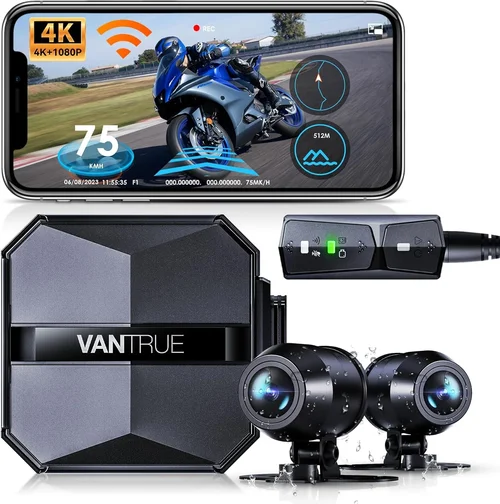
When it comes to motorcycle safety and security, having the right equipment can make all the difference. A quality dash cam for motorcycle UK riders is no longer a luxury—it’s becoming an essential tool for protection, evidence collection, and peace of mind. Whether you’re a daily commuter navigating London’s busy streets or a weekend rider exploring the scenic routes across Scotland and Wales, a reliable dash cam can safeguard your interests in the event of an accident, provide crucial footage for insurance claims, or even help improve your riding skills through recorded feedback.
This comprehensive buying guide is designed specifically for UK motorcycle enthusiasts who want to make an informed decision when purchasing a dash cam. We’ll walk you through everything from understanding technical specifications to evaluating build quality, comparing top-rated models, and avoiding common pitfalls that many riders encounter. By the end of this article, you’ll have the knowledge and confidence to select a dash cam that fits your riding style, budget, and technical requirements perfectly.
The market for motorcycle dash cams has grown significantly over the past few years, with manufacturers now offering specialized mounts, waterproof housings, and advanced features tailored specifically for two-wheeled use. However, not all dash cams are created equal, and choosing the wrong one could mean poor video quality in low light, unreliable GPS tracking, or equipment that simply doesn’t withstand the vibrations and weather conditions typical of motorcycling. Our goal is to cut through the marketing noise and give you practical, expert advice based on real-world performance, durability testing, and user feedback from the UK riding community.
What to Look for When Buying Dash Cams
1. Build Quality & Durability
One of the most critical aspects of any motorcycle dash cam is its ability to survive the harsh realities of two-wheeled riding. Unlike car dash cams that sit relatively still in a vehicle, motorcycle dash cams face constant vibration, exposure to rain, wind, and temperature extremes, plus potential impacts during falls or accidents. The housing must be rugged enough to withstand these conditions while maintaining a secure mount.
Look for dash cams built with polycarbonate or ABS plastic shells that offer impact resistance. Waterproof ratings (IP65 or higher) are essential—especially if you ride in wet climates common throughout the UK. The mounting system should be robust, ideally using a suction cup or adhesive base that can handle high-speed winds and sudden movements. Some premium models feature shock-absorbing mounts specifically designed to dampen engine vibrations.
2. Video Resolution & Recording Quality
Video resolution is arguably the most important factor affecting the usefulness of your dash cam footage. In the UK, where many insurance claims and legal disputes rely on clear visual evidence, blurry or low-resolution video is virtually useless. Most reputable motorcycle dash cams now offer at least 1080p Full HD recording, but higher resolutions like 1440p or even 4K are becoming more common in premium models.
However, resolution isn’t everything. Frame rate matters too—look for at least 30fps (frames per second) for smooth motion capture, especially when recording fast-moving vehicles or emergency braking scenarios. Many dash cams also include HDR (High Dynamic Range) technology, which improves visibility in challenging lighting conditions such as bright sunlight reflecting off wet roads or dark tunnels at night.
Another key consideration is the field of view (FOV). A wider angle (typically between 130°–170°) captures more of the road ahead and surrounding traffic, giving you better situational awareness and context in case of incidents. Just be aware that extremely wide angles can cause edge distortion—many modern units compensate for this with software correction.
3. Night Vision & Low-Light Performance
Riding at dawn, dusk, or after dark is unavoidable for many UK riders, making night vision capability absolutely essential. Poorly lit roads, unlit junctions, or poorly positioned streetlights can create hazardous situations where a dash cam fails to record clearly.
Modern motorcycle dash cams typically use Sony Starvis sensors, which excel in low-light environments by capturing more detail in darkness without introducing excessive noise or graininess. Look for features like infrared LEDs, enhanced dynamic range (HDR), and automatic exposure adjustment. Some models also offer “night mode” that increases sensitivity and sharpens details in near-darkness.
Keep in mind that even the best night vision systems have limits. Very dark areas may still appear shadowy, but the goal is to maintain enough clarity to identify license plates, road signs, or other vehicles. Always test your chosen model in low-light conditions before committing to long-term use.
4. Storage Capacity & Loop Recording
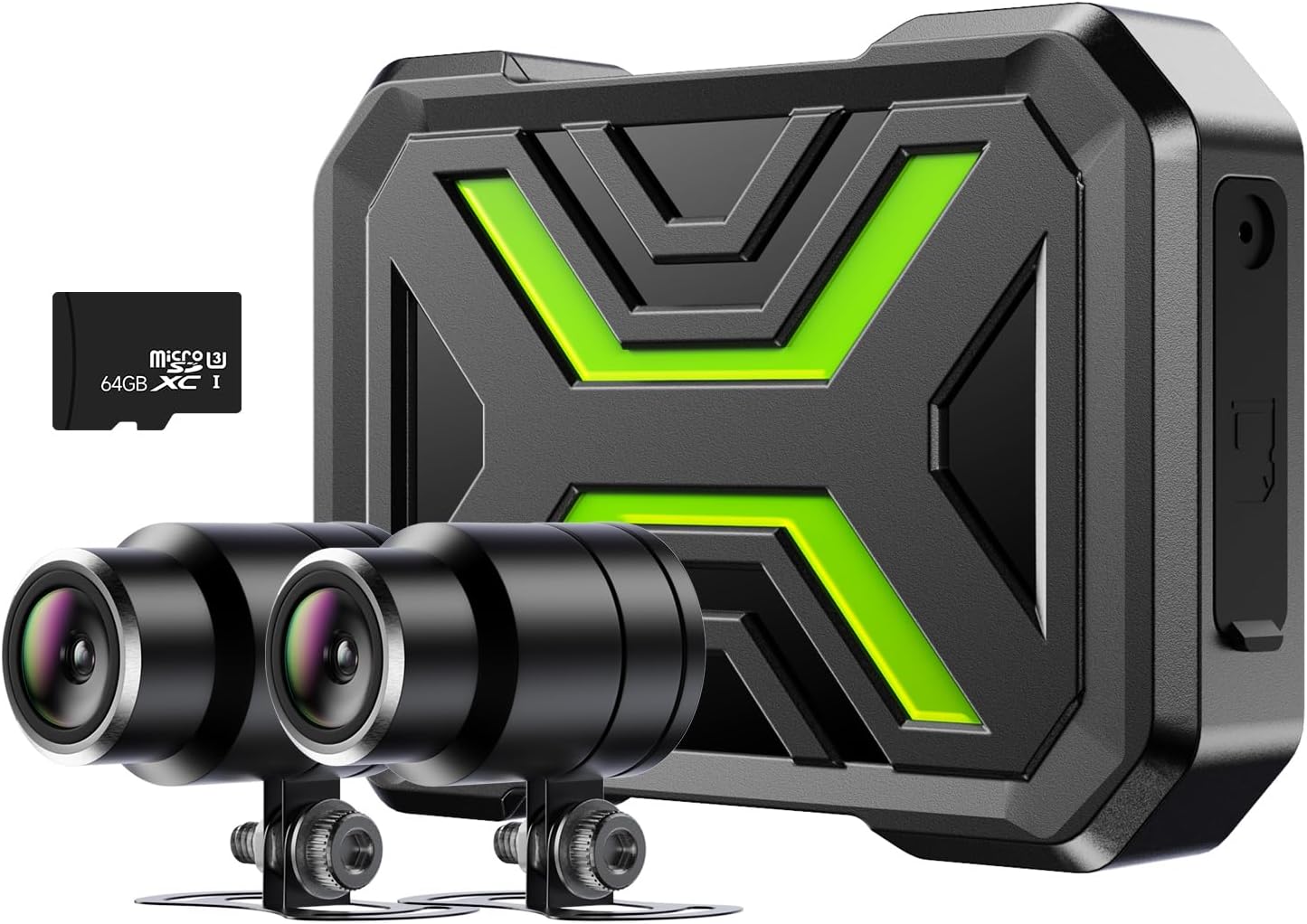
Storage capacity determines how much footage your dash cam can hold before it starts overwriting older files—a process known as loop recording. This is crucial because you never know when critical moments will occur. Most dash cams support microSD cards ranging from 32GB up to 256GB or more.
For average riders covering moderate distances, a 64GB card might suffice for about 10 hours of 1080p recording (depending on compression settings). Frequent riders or those who want extended coverage should consider 128GB or larger cards. Ensure your dash cam supports the latest SD card standards (UHS-I or UHS-II) for faster write speeds and smoother performance.
Loop recording automatically overwrites the oldest footage once storage fills up, ensuring continuous recording without manual intervention. Some advanced models also allow you to lock specific clips manually—this is vital for preserving evidence during an incident. Make sure the locking mechanism is easy to activate while riding.
5. GPS Tracking & Speed Monitoring
GPS functionality adds significant value to motorcycle dash cams by logging your location, speed, and route data alongside video footage. This information becomes invaluable for accident reconstruction, proving you were within speed limits, or sharing exact incident locations with emergency services or insurers.
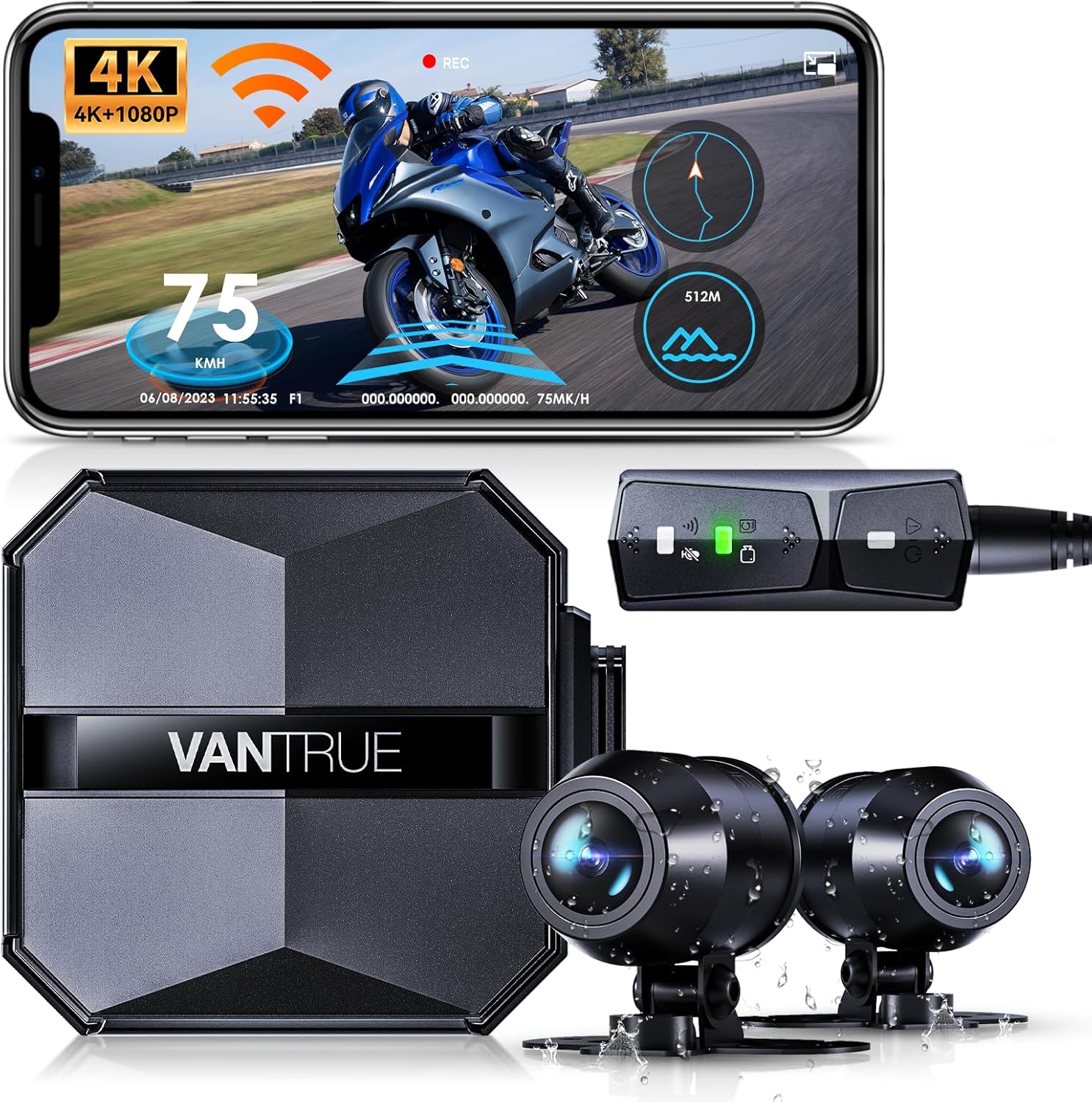
Most dash cams with GPS embed coordinates directly into video frames as watermarks—you can see them later when reviewing footage on your computer. This eliminates guesswork and provides irrefutable proof of your position during events. Additionally, some models display current speed digitally on screen, helping you stay aware of your velocity without needing separate gauges.
Ensure your dash cam’s GPS receiver works reliably indoors (many struggle in tunnels or urban canyons with tall buildings) and syncs quickly outdoors. Dual-band GPS (L1 + L5 frequencies) offers improved accuracy compared to single-band systems.
6. Power Supply & Battery Life
Motorcycle dash cams require stable power sources since they’re exposed to varying electrical loads and frequent stops/starts. Unlike cars with consistent 12V ignition-switched circuits, motorcycles often have weaker alternators or voltage fluctuations, especially at idle or during cold starts.
The ideal setup uses a hardwired connection to your bike’s battery via a fuse tap or relay circuit, powered only when the ignition is on. This ensures continuous operation without draining the battery overnight. Many riders opt for capacitors instead of internal batteries, as they don’t degrade over time and provide reliable startup even in sub-zero temperatures.
If your dash cam includes a built-in battery (rare in motorcycle units), expect limited runtime—usually under 2 hours. Capacitor-based systems offer indefinite standby life once installed correctly. Always consult your motorcycle’s wiring diagram before attempting DIY installation to avoid damaging sensitive electronics.
7. Weather Resistance & Environmental Protection
The UK weather is notoriously unpredictable—rain, fog, snow, and sudden temperature changes are all part of the riding experience. Your dash cam must be sealed against moisture ingress and capable of operating reliably across a broad temperature range (-20°C to +70°C).
Look for IP65 or IP67 ratings indicating dust-tight construction and protection against water jets. Tempered glass lenses resist scratches from debris and maintain optical clarity over time. Anti-fog coatings prevent condensation buildup inside the housing during rapid temperature shifts—common when moving from cold garage storage into warm, humid air.
Some manufacturers include hydrophobic lens coatings that repel water droplets, improving visibility during heavy rain. These coatings reduce glare and keep the lens clean longer between washes, which is especially helpful when riding frequently in muddy or dusty conditions.
8. Ease of Installation & User Interface
A complicated installation process defeats the purpose of convenience. Motorcycle riders need quick, tool-free setups that don’t require permanent modifications to their bike’s bodywork. Suction cup mounts, adhesive pads, or magnetic bases are popular options depending on surface compatibility.
The user interface should be intuitive—large buttons or touchscreen menus accessible while wearing gloves. Menu navigation needs to be simple enough to operate safely while riding. Voice prompts or indicator lights help confirm recording status without requiring visual attention.
Consider whether your dash cam includes mobile app integration for remote viewing, playback, or settings adjustment. While useful, ensure apps work reliably on UK networks and don’t drain phone battery excessively during long trips.
Different Types of Dash Cams

Common Buying Mistakes to Avoid
❌ Mistake: Ignoring Vibration Resistance
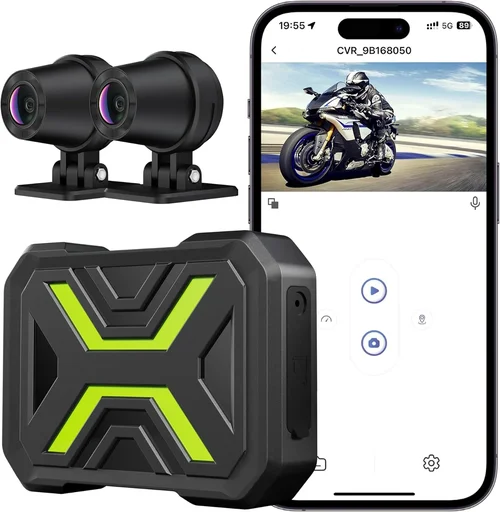
Why it’s bad: Motorcycles produce intense vibrations that can cause loose connections, dropped recordings, or even complete failure of basic functions. Many cheap dash cams fail within weeks due to inadequate shock absorption.
What to do instead: Choose models specifically engineered for motorcycle use with rubberized mounts, reinforced housing, and tested vibration tolerance. Read reviews mentioning long-term reliability rather than just initial impressions.
❌ Mistake: Overlooking Weatherproofing
Why it’s bad: The UK experiences frequent rain, fog, and temperature swings. Non-waterproof units quickly develop internal condensation, leading to lens fogging, sensor damage, or electrical shorts during critical moments.
What to do instead: Verify IP rating compliance and look for anti-fog coatings, sealed ports, and tempered glass lenses. Test your unit in simulated rainy conditions before relying on it in real-world scenarios.
❌ Mistake: Choosing Based Solely on Price
Why it’s bad: Ultra-low-cost models (£30-£50) often lack essential features like GPS, proper mounting, or decent image processing. You risk wasting money on equipment that fails when needed most.
What to do instead: Focus on value rather than absolute lowest price. Consider total cost of ownership including accessories, warranty, and potential replacement costs. Mid-range options (£80-£150) usually deliver far better reliability and performance.
❌ Mistake: Neglecting Storage Management
Why it’s bad: Without proper loop recording or manual clip locking, important evidence gets overwritten immediately. In accident scenarios, losing footage minutes after impact can jeopardize insurance claims or legal outcomes.
What to do instead: Ensure your dash cam supports manual file locking and uses efficient video compression (H.265 preferred). Set reasonable recording intervals and carry spare microSD cards compatible with your device.
❌ Mistake: Installing Without Professional Guidance
Why it’s bad: Incorrect wiring can drain your battery overnight, trigger false alarms, or damage sensitive motorcycle electronics. DIY installations sometimes bypass safety fuses or connect to unstable power sources.
What to do instead: Consult a qualified motorcycle electrician or follow manufacturer-recommended wiring diagrams precisely. Use fused taps rated for your bike’s electrical load and verify polarity before finalizing connections.
❌ Mistake: Assuming All Dash Cams Are Equal
Why it’s bad: Car dash cams rarely survive motorcycle conditions. Generic units designed for four-wheelers lack the ruggedness, mounting systems, and environmental sealing required for two-wheeled applications.
What to do instead: Research models explicitly labeled “motorcycle dash cam” or “dual sport ready.” Check forums and YouTube reviews from UK riders for real-world feedback on durability and performance.
Budget Guidelines: How Much Should You Spend?
Entry-Level ($50 – $100 / £40 – £80)
This bracket suits occasional riders or those testing dash cam technology without major investment. Expect basic 1080p recording, simple mounts, and limited features. Models here may lack GPS, have shorter recording times, or use less durable materials. While functional for short commutes, they often struggle with vibration resistance and low-light performance. Brands like Viofo, Rexing, or BlackVue offer entry-level options worth considering if you prioritize brand reputation over cutting-edge tech.
Mid-Range (£80 – £180 / $100 – $220)
The sweet spot for most UK riders. These dash cams deliver excellent balance between price, performance, and reliability. You’ll find 1080p or 1440p recording, GPS tracking, waterproof housings, and solid build quality. Many include dual-lens setups, night vision enhancements, and smartphone app integration. Brands like Garmin, Nextbase, and Thinkware dominate this space with proven track records. This tier offers the best value proposition for daily commuters, touring riders, and intermediate enthusiasts seeking dependable evidence capture.
Premium (£180 – £400 / $220 – $500)
Reserved for serious riders, professionals, or those requiring advanced features. Premium models boast 4K recording, superior low-light sensors, AI collision detection, cloud connectivity, and military-grade durability. They often include multiple cameras, enhanced audio recording, and professional-grade mounting systems. Brands like Garmin VIRB X, GoPro Hero series (with appropriate mounts), and specialized motorcycle manufacturers lead this category. While expensive, these devices justify their cost through unmatched reliability, forensic-quality footage, and comprehensive protection packages.
Luxury (£400+ / $500+)
Ultra-premium dash cams target racing teams, law enforcement, and extreme adventure riders. Features include thermal imaging, satellite tracking, encrypted storage, and custom firmware. These aren’t consumer products—they’re specialized tools requiring technical expertise to install and maintain. For most UK riders, this level exceeds practical needs unless you’re involved in competitive motorsport or require court-admissible evidence with chain-of-custody protocols.
Expert Tips & Pro Advice
1. Time Your Purchase Strategically
Black Friday, Cyber Monday, and January sales offer substantial discounts on electronics. Retailers like Amazon UK, Currys, and Halfords frequently slash prices on last year’s models. Avoid peak summer months when demand spikes and margins inflate prices. Sign up for retailer newsletters to receive early access to deals and exclusive promo codes.
2. Prioritize Authorized Retailers
Buying from authorized dealers ensures genuine products, valid warranties, and reliable customer service. Unauthorized sellers may sell counterfeit goods or refurbished units misrepresented as new. Check manufacturer websites for certified resellers in your region. Online platforms like eBay carry risks—always verify seller ratings and return policies before purchasing.
3. Test Before Committing
If possible, visit physical stores to inspect dash cams in person. Assess button responsiveness, menu navigation, and overall build feel. Compare weight, size, and mounting options side-by-side. Some retailers allow temporary testing—take advantage of this to evaluate real-world usability under simulated riding conditions.
4. Understand Warranty Terms
Standard warranties range from 12 to 24 months. Extended warranties rarely cover accidental damage or water ingress unless explicitly stated. Read fine print carefully—some exclude liability for lost footage or hardware failures caused by improper installation. Register your product online immediately after purchase to activate warranty benefits.
5. Leverage Return Policies
Most UK retailers offer 14-30 day returns windows. Keep original packaging and accessories to qualify for full refunds. If your dash cam fails basic functionality tests (e.g., won’t power on, produces garbled video), contact customer support promptly. Document issues with photos/videos to strengthen your case.
6. Join Rider Communities
Online forums like MCN (Motor Cycle News), Reddit’s r/motorcycles, and Facebook groups dedicated to UK riders share real-time feedback and troubleshooting tips. Members often reveal hidden flaws or recommend underrated brands overlooked by mainstream reviewers. Participation builds trust and helps you avoid scams.
7. Plan for Accessories Upfront
Factor in costs for microSD cards (Class 10 or higher recommended), cleaning cloths, and protective cases. Some dash cams require proprietary cables or adapters. Bulk purchases from reputable suppliers reduce long-term expenses. Consider carrying spare cards during long tours to avoid missing critical moments due to storage limits.
8. Regular Maintenance Matters
Clean lenses weekly using microfiber cloths to prevent smudges and scratches. Inspect mounts monthly for looseness or wear. Update firmware whenever manufacturers release improvements—neglected updates can introduce bugs or security vulnerabilities. Store units in dry places when not in use to prevent moisture buildup.
Frequently Asked Questions
Q: Can I install a motorcycle dash cam myself?
A: Yes, many dash cams come with detailed installation guides and universal mounting systems. However, powering the device requires basic electrical knowledge. Hardwiring to your bike’s battery ensures continuous operation without draining the battery overnight. If unsure, consult a qualified mechanic or electrician to avoid damaging your motorcycle’s wiring harness.
Q: Do dash cams work in cold weather?
A: Most modern dash cams operate reliably in temperatures down to -20°C. Capacitor-based power systems perform better than lithium batteries in freezing conditions. Ensure your unit has adequate insulation if storing it in unheated garages. Avoid exposing the device to rapid temperature changes that cause condensation buildup.
Q: How much footage can I store?
A: It depends on resolution, compression settings, and recording length. A 128GB microSD card typically holds 20-40 hours of 1080p footage. Higher resolutions or frequent parking mode usage reduce available space. Always carry extra cards and format regularly to optimize performance.
Q: Will my dash cam record during an accident?
A: Yes, most dash cams continue recording even after collisions due to built-in impact sensors. Manual clip locking allows you to preserve critical moments post-impact. Some advanced models automatically save footage triggered by sudden deceleration or G-force thresholds.
Q: Can I view footage while riding?
A: No—it’s unsafe to watch screens while operating a motorcycle. Instead, connect to a smartphone via Wi-Fi or remove the microSD card after stopping. Many dash cams include voice commands or indicator lights to confirm recording status without visual confirmation.
Q: Are dash cams legal in the UK?
A: Yes, dash cams are legal for personal use as long as they don’t obstruct your view or record private properties without consent. Recording public roads is permitted. Avoid modifying footage or using it for harassment purposes, as misuse could violate privacy laws.
Q: Should I buy a front-only or dual-lens dash cam?
A: For most riders, a front-only camera suffices since accidents typically involve forward-facing impacts. Dual-lens systems add rear visibility but increase cost, weight, and complexity. Only consider dual-lens if you frequently ride in congested urban areas or prioritize 360° awareness.
Q: How do I choose the right microSD card?
A: Select Class 10 or UHS-I/UHS-II cards with capacities matching your needs. SanDisk Extreme, Samsung PRO Endurance, and Lexar Professional are trusted brands. Format cards in-camera before first use to ensure compatibility. Avoid counterfeit cards marketed as high-performance but lacking actual speed ratings.
Q: What happens if my dash cam runs out of power?
A: With proper hardwiring, your dash cam receives power only when the ignition is on, preventing battery drain. Internal capacitors provide backup during brief interruptions (e.g., starter motor surges). Never rely solely on internal batteries—they’ll die after days without charging.
Q: Can I use my dash cam as a regular action camera?
A: Some models double as action cameras when removed from the mount. Check compatibility with standard mounts like GoPro Hero. However, dedicated action cameras often outperform dash cams in dynamic range and stabilization—consider separate purchases if versatility is key.
Our Final Recommendations
Best for Budget-Conscious Buyers: BlackVue DR-M1200S-2CH
While slightly above £100, this dual-lens BlackVue model delivers exceptional value with cloud connectivity, 4K front recording, and proven durability. Its compact design fits most fairings and tank bags. The companion app provides remote live view and FTP uploads—ideal for monitoring parked bikes. Though pricier than ultra-budget options, its reliability justifies the investment for serious riders.
Best Overall Value: Garmin VIRB X
Combining dash cam functionality with action camera versatility, the VIRB X excels in video quality, GPS accuracy, and ecosystem integration. It includes ANT+ sensor support for speed/cadence data, voice control, and seamless pairing with Garmin Edge bike computers. The rugged magnesium casing handles vibrations beautifully, and its modular design allows customization for different riding styles.
Best Premium Option: Thinkware U1000
This professional-grade dash cam offers 4K recording, HDR, and advanced parking mode with motion detection. Its super capacitor eliminates battery degradation concerns, and the built-in Wi-Fi enables instant photo downloads. The included magnetic mount stays secure at highway speeds, and Thinkware’s customer service is renowned for responsiveness. Ideal for riders who demand forensic-quality evidence.
Best for Beginners: Rexing V1P
A user-friendly entry point with 1080p recording, built-in GPS, and intuitive controls. The suction mount attaches securely to curved surfaces, and the wide-angle lens captures ample road context. At under £80, it’s affordable yet surprisingly robust. Includes loop recording, manual locking, and a 12-month warranty—making it perfect for new riders exploring dash cam technology.
Best for Advanced Users: Garmin VIRB Ultra 30
Top-tier performance meets creative freedom with 4K60fps recording, HyperSmooth stabilization, and AI-powered editing features. Integrated voice commands, live streaming, and compatibility with GoPro accessories expand its utility beyond standard dash cam duties. Perfect for content creators, tourers documenting journeys, or riders wanting studio-quality footage without professional gear.
Conclusion: Making the Right Choice
Selecting the best dash cam for motorcycle UK riders involves balancing practicality, durability, and budget. No single model fits every rider’s needs, but understanding your priorities—whether it’s affordability, advanced features, or rugged reliability—will guide you toward the optimal solution. Remember that even mid-range options from reputable brands like Garmin, BlackVue, or Thinkware offer outstanding protection and evidence quality when properly installed and maintained.
Invest time researching real-world experiences from fellow UK riders, prioritize vibration-resistant builds with weatherproofing, and never compromise on storage management or power stability. Your dash cam isn’t just an accessory—it’s a critical safety tool that could preserve your rights and protect your livelihood in moments of crisis.
As you prepare for your next ride, equip yourself with knowledge, choose wisely, and ride safe. Whether you’re cruising along the North Coast 500 or commuting through Birmingham’s rush hour, having reliable footage behind you brings confidence, accountability, and peace of mind. The road awaits—make sure you’re prepared for whatever it brings.