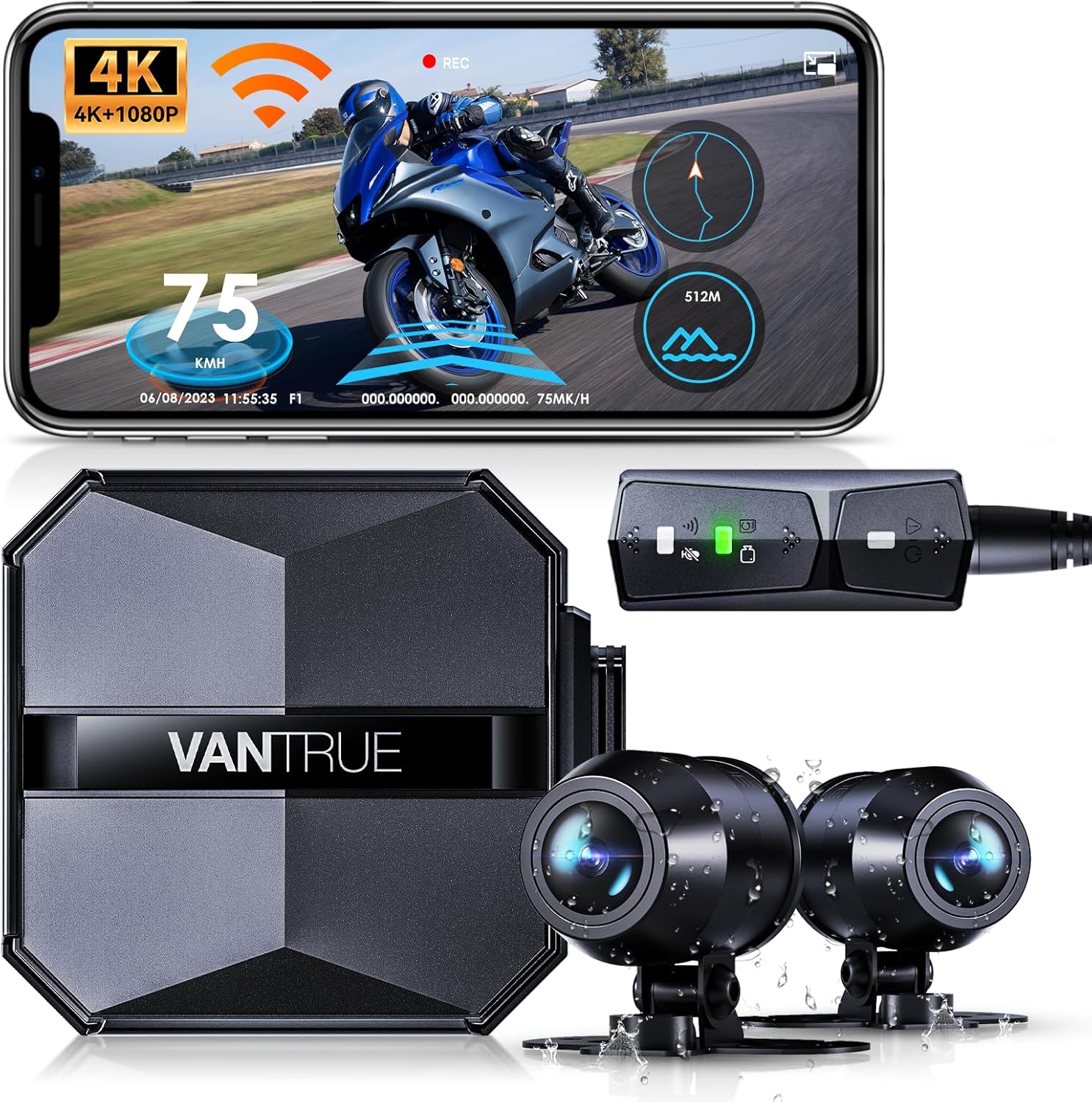
Best Motorcycle Dash Cam Philippines Guide
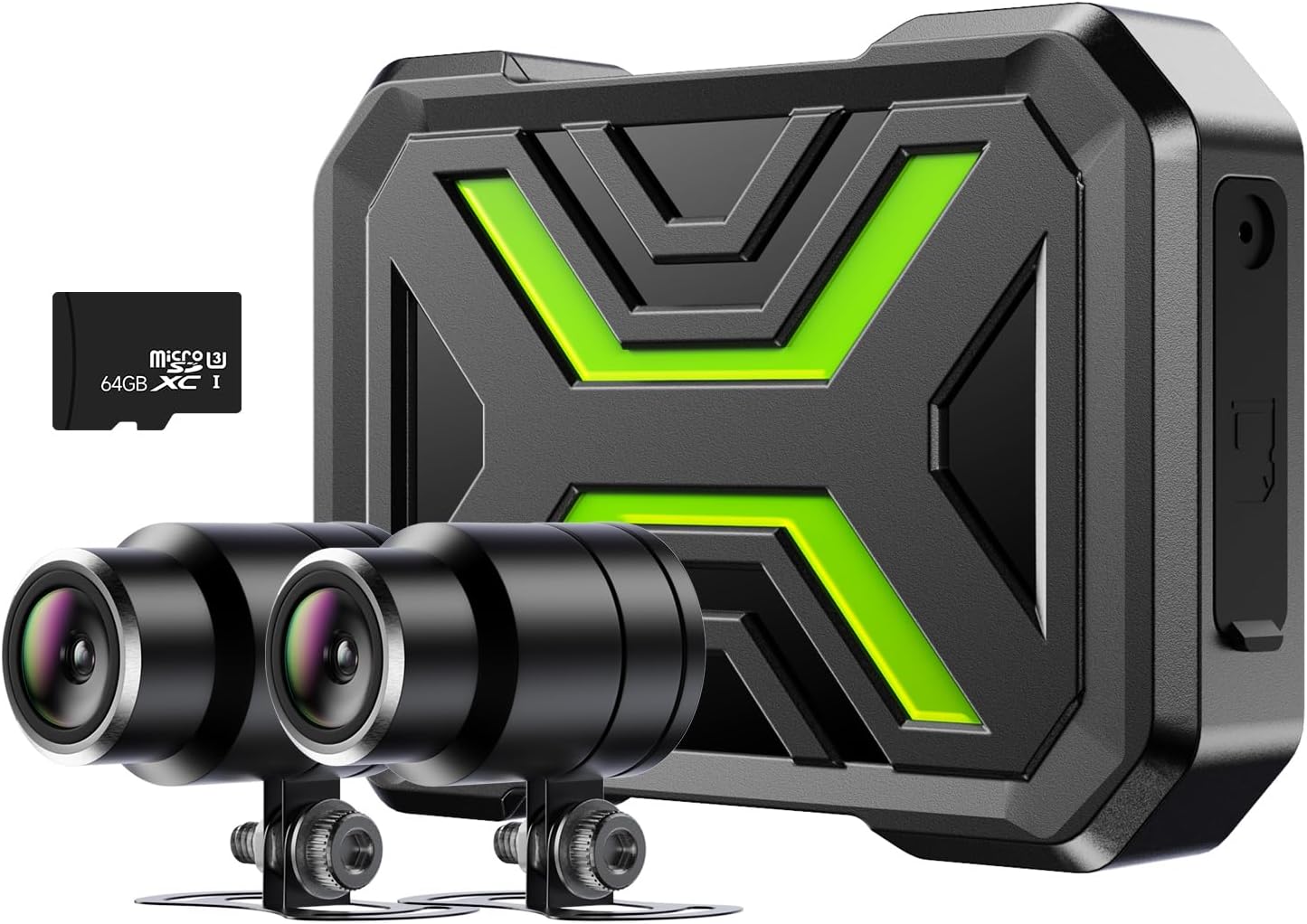
Best Motorcycle Dash Cam Philippines Guide
Expert insights to help you choose the perfect dash cam for your ride
## Introduction
Motorcycling in the Philippines is more than just a mode of transportation—it’s a way of life. From the bustling streets of Manila to the winding coastal roads of Palawan, millions of riders navigate daily through unique challenges that demand extra precautions. A motorcycle dash cam has evolved from being merely a recording device to becoming an essential safety companion for Filipino riders who want to protect themselves on the road.
This comprehensive guide will walk you through everything you need to know about selecting the best motorcycle dash cam for Philippine roads. Whether you’re a seasoned biker looking to upgrade your gear or a new rider wanting to start with the right equipment, we’ll help you understand what makes each dash cam suitable for our specific climate, traffic patterns, and legal requirements.
The Philippine market offers diverse options ranging from budget-friendly entry-level models to premium professional-grade devices. However, not all dash cams are created equal when it comes to motorcycle use. Factors like waterproof capabilities, vibration resistance, wide-angle lenses, and night vision become critical considerations that differ significantly from car dash cams.
Throughout this article, you’ll learn about the key features that matter most for motorcycle dash cams, common pitfalls to avoid, how to identify genuine value for money deals available in the local market, and expert recommendations tailored specifically for Filipino riding conditions. We’ll also address frequently asked questions that many riders have before making their purchase decision.
By the end of this guide, you’ll be equipped with the knowledge needed to select a dash cam that not only fits your budget but also provides reliable protection and peace of mind during every ride across the Philippines’ diverse landscapes.
## Key Factors to Consider
### What to Look for When Buying Dash Cams
#### 1. Budget & Price Range
Understanding your budget range is crucial before diving into specific features and specifications. The Philippine market offers motorcycle dash cams at various price points, typically ranging from PHP 1,500 to over PHP 15,000 depending on the features and brand reputation you’re willing to invest in.
Entry-level models around PHP 1,500-3,000 usually provide basic recording functionality but may lack advanced features like GPS tracking or night vision. Mid-range options between PHP 3,000-7,000 often include essential motorcycle-specific features such as loop recording, G-sensor for impact detection, and decent video quality. Premium models priced above PHP 7,000 typically offer professional-grade features including 4K resolution, superior low-light performance, enhanced stabilization, and robust build quality suitable for long-term use.
When setting your budget, consider that spending more upfront often means better durability and fewer replacement costs over time. Many Filipino riders find that investing PHP 4,000-6,000 provides the best balance between quality and affordability for regular commuting and occasional touring.
#### 2. Performance Specifications
Video resolution stands as one of the most important performance metrics for any dash cam. For motorcycle use in the Philippines, we recommend at least 1080p Full HD resolution as the minimum standard. This ensures clear footage that can capture important details like license plates, road signs, and potential accident evidence without overwhelming storage requirements.
Frame rate matters significantly—look for cameras capable of 30fps (frames per second) or higher. Higher frame rates provide smoother video playback and better capture of fast-moving objects or sudden incidents that require precise timing analysis.
Field of view (FOV) is equally critical for motorcycle dash cams. A wider angle (120°-170°) captures more of your surroundings, reducing blind spots during lane changes or intersections. However, extremely wide angles can cause image distortion at the edges—find a balance that provides comprehensive coverage without compromising clarity in the central area where most important details appear.
Night vision capability cannot be overlooked given the Philippines’ varied lighting conditions from bright urban centers to dimly lit provincial roads. Look for models with infrared LEDs or advanced low-light sensors that maintain visibility during nighttime rides. Some premium models even offer color night vision technology that preserves color accuracy in low-light situations.
Storage capacity directly impacts how much footage you can retain before needing to overwrite old files. Most motorcycle dash cams use microSD cards, with recommended capacities between 32GB-128GB depending on your usage frequency. Consider purchasing additional high-quality cards since cheap cards often fail prematurely due to constant write cycles and temperature fluctuations common during motorcycle rides.
#### 3. Build Quality & Durability
Motorcycle dash cams face unique environmental challenges that demand exceptional build quality. The constant vibrations from engine operation, exposure to rain during monsoon season, dust accumulation on rural roads, and temperature extremes from tropical heat to cooler mountain air all test a device’s resilience.
Waterproof rating should be your primary consideration here. Look for IPX ratings of at least IPX4 (splash resistant) as a minimum, though IPX7 (waterproof up to 1 meter) or higher provides much better protection against heavy rains common throughout the Philippines. Many reputable brands now advertise “rain-proof” or “water-resistant” specifications—verify these claims by checking if they meet official IP standards.
Heat resistance becomes crucial during summer months when dashboard temperatures can exceed 60°C. Choose cameras with operating temperature ranges that accommodate Philippine climate conditions, typically -20°C to +70°C for optimal performance year-round.
Shock and vibration resistance ensure your footage remains stable despite the constant movement of your motorcycle. Models with built-in shock sensors or mechanical stabilization systems perform better under these conditions. Additionally, consider mounting solutions that absorb vibrations rather than transferring them directly to the camera body.
Material quality affects both durability and heat dissipation. ABS plastic housings offer good impact resistance while metal bodies provide superior heat management but add weight. Many premium models combine these materials strategically—plastic where impact resistance matters most and metal components for critical internal parts.
#### 4. Features & Functionality
Advanced recording modes enhance your dash cam’s usefulness beyond basic continuous recording. Loop recording automatically overwrites oldest footage when storage fills up, ensuring constant monitoring without manual intervention. This feature is especially valuable during long tours across multiple provinces where you might forget to manage files manually.
G-sensor (impact sensor) technology detects sudden movements or collisions and locks the corresponding footage to prevent accidental deletion. This creates an automatic emergency response system that preserves critical evidence during accidents or near-misses.
Parking mode deserves special attention for motorcycle owners who often leave their bikes parked for extended periods. While challenging on motorcycles due to power requirements, some advanced models offer battery backup systems that record motion detection events even when the bike isn’t running. This protects against hit-and-runs or theft attempts when you’re away from your motorcycle.
GPS tracking provides valuable data about your routes, speed, and location history. This information proves particularly useful for insurance claims, route planning, or simply documenting your adventures across the Philippines’ scenic highways. Look for models with accurate GPS chips and visible satellites lock indicators.
Wi-Fi connectivity enables easy file transfer to smartphones or tablets using companion apps. This allows quick review of footage, configuration adjustments, and firmware updates without physically removing memory cards. However, ensure the app works reliably within your smartphone’s operating system compatibility range.
Voice control features add convenience during rides by allowing hands-free operation—though always prioritize safety and avoid distracting yourself while riding.
#### 5. Brand Reputation
Brand reputation serves as an excellent indicator of reliability and customer support quality. Established manufacturers with presence in the Philippine market typically offer better warranty terms, local service centers, and readily available replacement parts compared to lesser-known brands.
Leading brands in the Philippine motorcycle dash cam market include BlackVue, Thinkware, Garmin, and Rexing, though local brands like VIOXX and Hikvision also offer competitive alternatives. Research each brand’s track record by reading multiple reviews across different platforms, checking forum discussions, and verifying warranty claim experiences shared by other Filipino riders.
Local availability matters significantly when considering maintenance and repairs. Brands with authorized dealers or service centers in Metro Manila, Cebu, or Davao provide faster turnaround times for technical issues compared to international brands requiring shipping delays.
Customer support responsiveness affects your overall ownership experience. Look for brands offering multilingual support (English and Filipino), multiple contact channels (phone, email, live chat), and documented troubleshooting resources. Quick response times during warranty claims demonstrate commitment to customer satisfaction.
Warranty length and coverage scope reveal how confident the manufacturer is in their product quality. Comprehensive warranties covering both hardware defects and software malfunctions indicate higher manufacturing standards. Extended warranty options often provide peace of mind for expensive investments.
User community size reflects how well-supported and popular a particular model is among Filipino riders. Larger communities mean more shared tips, modded firmware options, and collective problem-solving resources available online.
#### 6. Warranty & Support
Comprehensive warranty coverage forms the foundation of your long-term investment protection. In the Philippine market, look for minimum one-year warranty periods with clear terms regarding covered defects and exclusions. Premium brands typically offer two-year warranties with extended service options available for purchase.
Extended warranty programs allow you to extend coverage beyond the standard period—particularly valuable for expensive dash cams where repair costs could exceed replacement value. Evaluate whether the cost of extended coverage justifies the potential benefits based on your expected usage intensity.
Return policies vary significantly between retailers and direct manufacturers. Local electronics stores often offer shorter return windows (7-14 days) compared to online platforms with longer periods (30-60 days). Understand restocking fees and condition requirements before purchasing.
Technical support availability determines how quickly technical issues get resolved. Phone support during business hours provides immediate assistance, while email support allows detailed issue descriptions. Live chat features offer real-time interaction but may have queue times during peak hours.
Firmware update frequency indicates ongoing product development commitment. Regular updates improve functionality, fix bugs, and add new features over time. Check if manufacturers provide changelogs detailing each update’s improvements.
Replacement part accessibility ensures future maintenance remains affordable. Some brands design modular components that can be individually replaced rather than requiring complete unit replacement when minor parts fail.
Documentation quality affects setup complexity and troubleshooting efficiency. Well-organized manuals with visual guides and quick reference sections save time during installation and configuration.
#### 7. Size & Portability
Compact designs reduce wind resistance and aerodynamic drag during high-speed riding, making them preferable for performance motorcycles. However, excessively small units may sacrifice essential features or durability for minimal size.
Length measurements under 8cm provide good balance between functionality and aerodynamics. Width should fit within standard handlebar mounting brackets without protruding awkwardly during turns or when passing through tight spaces.
Weight distribution affects handling characteristics—heavier dash cams mounted near the front may alter steering feel slightly. Lightweight models under 100g minimize this effect while still housing necessary components.
Mounting flexibility determines installation options across different motorcycle types. Universal mounts accommodate various handlebar diameters from sport bikes to cruisers. Magnetic mounts offer quick removal but may lack stability at high speeds. Adhesive mounts provide permanent installation but require careful surface preparation.
Removability features become valuable when storing your motorcycle indoors or traveling with it. Quick-release mechanisms allow easy detachment without damaging mounting surfaces or leaving residue.
Aesthetic integration influences personal preference—some riders prefer flush-mounted designs that don’t interfere with handlebar controls, while others appreciate subtle branding that complements their bike’s appearance.
#### 8. User Reviews & Ratings
Online reviews provide real-world insights beyond manufacturer specifications. Filipino rider forums like MotorbikePH.com, BikeAdvocacy, and local Facebook groups offer authentic experiences from people facing similar conditions you’ll encounter on Philippine roads.
Star ratings serve as initial screening tools but shouldn’t be the sole deciding factor. Look for detailed reviews mentioning specific scenarios relevant to your riding habits—commuting versus touring versus off-road use all have different requirements.
Verified purchase badges increase review credibility by confirming actual usage rather than hypothetical testing. Multiple reviews from verified owners provide more confidence in reported performance issues or strengths.
Review recency matters because technology evolves rapidly. Older reviews discussing discontinued models or outdated features may misrepresent current capabilities. Focus on reviews published within the last 6-12 months for accurate information.
Comparative reviews that evaluate multiple models side-by-side offer valuable context about relative performance differences. These help identify which features truly matter for your specific needs rather than getting distracted by marketing claims.
Common complaints patterns reveal recurring issues across multiple units of the same model. If several recent reviews mention similar problems, investigate whether these represent isolated incidents or systematic design flaws.
Positive review highlights should align with your priority features. Someone valuing GPS tracking will benefit from reviews emphasizing navigation accuracy, while those prioritizing night vision should focus on low-light performance discussions.
Manufacturer responses to negative reviews demonstrate customer service philosophy. Constructive engagement shows willingness to address legitimate concerns rather than defensive posturing that may indicate poor support culture.
## Types/Categories Comparison
Different Types of Dash Cams
## Common Mistakes to Avoid
Common Buying Mistakes to Avoid
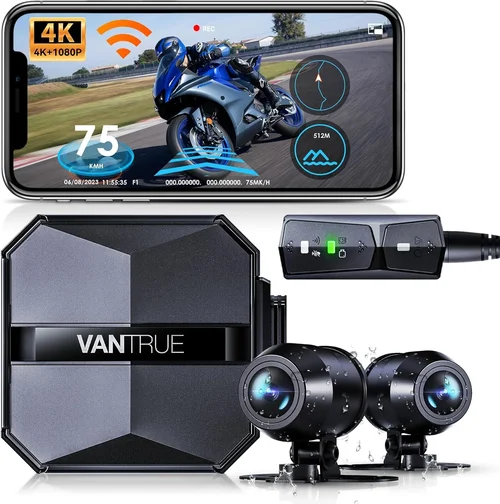
❌ Mistake: Choosing Based Solely on Price
Why it’s bad: Focusing exclusively on low prices often leads to disappointment when budget models fail prematurely due to inadequate build quality or missing essential features. Cheap dash cams may save PHP 1,000 initially but require replacement after just a few months of regular use, ultimately costing more in the long run.
What to do instead: Evaluate total cost of ownership including expected lifespan, maintenance requirements, and replacement frequency. Read multiple reviews to understand real-world performance before making price-based decisions. Consider investing 20-30% more in a mid-range model that will last significantly longer and provide better value over time.
❌ Mistake: Ignoring Environmental Requirements
Why it’s bad: Philippine weather presents unique challenges—heavy monsoons, intense tropical sun, coastal salt spray, and temperature extremes all degrade poorly protected electronics. Many riders assume all dash cams handle these conditions equally, leading to premature failure when their device gets damaged during rainy season or exposed to salt-laden coastal winds.
What to do instead: Prioritize waterproof ratings (minimum IPX4, preferably IPX7), heat resistance specifications, and corrosion protection. Look for manufacturers specifically advertising “marine grade” or “weather sealed” construction. Consider purchasing protective covers or cases designed for motorcycle use if your model lacks sufficient environmental protection.
❌ Mistake: Overlooking Mounting Solutions
Why it’s bad: Poor mounting causes more failures than faulty electronics. Vibrations shake loose cheap adhesive mounts, magnetic bases detach during hard cornering, and improper positioning blocks important views or damages handlebars. Many riders discover their mount fails during critical moments when footage becomes useless due to misalignment or complete detachment.
❌ Mistake: Neglecting Storage Management
Why it’s bad: Running out of storage space renders your dash cam useless for recording new events since old files get overwritten without warning. Many riders assume large memory cards solve all storage problems until they miss crucial footage because the system automatically deleted older clips to free up space during long trips.
What to do instead: Calculate required storage capacity based on your typical ride duration and frequency. Use high-quality Class 10 or UHS-I microSD cards from reputable brands like SanDisk, Samsung, or Kingston. Set up loop recording properly and consider carrying spare cards for extended journeys. Develop a habit of regularly backing up important footage to external drives or cloud storage.
❌ Mistake: Assuming All Dash Cams Are Equal
Why it’s bad: Treating motorcycle dash cams identically to car dash cams leads to poor performance because motorcycles present unique challenges—higher vibrations, different mounting locations, limited space, and greater exposure to elements. Generic automotive models often lack the specialized features needed for reliable motorcycle operation.
What to do instead: Research motorcycle-specific features like vibration resistance, compact sizing, handlebar-compatible mounts, and weather sealing. Read reviews from other Filipino riders who’ve used similar models on motorcycles rather than relying solely on general dash cam comparisons. Verify compatibility with your specific motorcycle model if possible.
❌ Mistake: Skipping Firmware Updates
Why it’s bad: Manufacturers release firmware updates to fix bugs, improve performance, and add new features. Ignoring these updates leaves your device vulnerable to known issues and prevents access to enhancements that could significantly improve functionality. Some updates even address critical safety-related improvements for recording reliability.
What to do instead: Enable automatic firmware updates when available, or check for updates monthly through your device’s menu system. Subscribe to brand newsletters or join user communities to stay informed about new releases. Always read changelogs to understand what improvements each update brings before installing.
❌ Mistake: Not Testing Before Committing
Why it’s bad: Buying without testing risks purchasing incompatible or problematic units. What seems ideal on paper may have practical issues—poor video quality in low light, confusing menus, unreliable Wi-Fi connectivity, or uncomfortable physical dimensions that interfere with handlebar controls. Many retailers don’t allow returns once packaged, leaving you stuck with unsatisfactory equipment.
What to do instead: Whenever possible, visit physical stores to examine units in person. Test key functions like recording quality, menu navigation, and mounting stability before purchasing. Ask staff about return policies and testing periods. For online purchases, choose retailers with generous return windows (30+ days) and clear testing procedures.
## Budget Breakdown
Budget Guidelines: How Much Should You Spend?
### Entry-Level ($1,500 – $3,000)
These budget-friendly options provide essential recording functionality without breaking the bank. Ideal for occasional riders who want basic protection without significant financial commitment. Expect 720p-1080p resolution, basic loop recording, and simple mounting solutions. Waterproof capabilities are limited to light splash resistance, making them suitable for dry weather conditions or urban commuting rather than touring in rainy seasons.
Entry-level models typically lack advanced features like GPS tracking or night vision, requiring you to rely on natural lighting conditions for clear footage. Storage management is straightforward but may require frequent card swaps during longer rides. While these devices won’t win awards for build quality, they offer acceptable performance for casual use and provide peace of mind during everyday commuting.
Many Filipino riders start with entry-level models to test dash cam functionality before upgrading to more advanced systems. This approach allows learning proper installation techniques and understanding personal preferences regarding features and performance expectations. However, be prepared for potential limitations during adverse weather or extended usage periods.
### Mid-Range ($3,000 – $7,000)
The sweet spot for most Filipino riders, mid-range dash cams offer excellent value proposition combining essential features with reliable performance. This category includes 1080p-4K resolution options, improved low-light capabilities, better waterproof ratings (IPX4-IPX7), and enhanced build quality suitable for regular use across varying conditions.
Mid-range models typically include GPS tracking, G-sensor for impact detection, Wi-Fi connectivity for smartphone integration, and more sophisticated mounting solutions designed specifically for motorcycle applications. Video quality remains strong day and night, with reduced noise in low-light situations thanks to improved sensor technology and processing algorithms.
Build materials transition from basic plastics to reinforced composites offering better vibration resistance and heat dissipation. Storage management becomes more intelligent with automated overwrite protection and efficient file organization systems. These devices handle Philippine weather conditions reasonably well, surviving moderate rains and temperature variations common throughout the archipelago.
For riders who commute daily or take weekend tours within the Philippines, mid-range dash cams provide the perfect balance between cost and capability. They offer professional-grade features without the premium price tag, making them accessible to most motorcycle owners seeking reliable protection and documentation capabilities.
### Premium ($7,000 – $15,000+)
Professional-grade dash cams deliver exceptional performance with cutting-edge technology designed for demanding environments. These systems feature 4K resolution, superior low-light sensors, advanced stabilization algorithms, and military-grade waterproofing suitable for extreme weather conditions. Build quality reaches aerospace-grade standards with vibration damping systems that eliminate image blur during high-speed riding.
Premium features include dual-lens configurations for comprehensive coverage, cloud connectivity for remote viewing and management, artificial intelligence for incident detection, and customizable settings for specialized applications. Night vision capabilities reach new heights with color preservation in near-total darkness and enhanced detail recognition for license plates and road signs.
Installation becomes more sophisticated with modular designs allowing component upgrades and custom configurations. Storage systems integrate with external networks for automatic backup and redundant recording capabilities. While pricing puts these systems beyond the average rider’s budget, serious enthusiasts, tour operators, and commercial users find the investment worthwhile for maximum protection and functionality.
Many premium models include extended warranty programs, dedicated customer support teams, and priority firmware update access. These systems represent the pinnacle of motorcycle dash cam technology currently available in the Philippine market, offering uncompromising performance for riders who demand the absolute best protection and recording quality.
### Luxury ($15,000+)
Ultra-premium dash cams represent the ultimate in motorcycle recording technology, featuring experimental sensors, proprietary stabilization algorithms, and bespoke engineering solutions. These systems often incorporate emerging technologies like thermal imaging, LiDAR mapping integration, and predictive analytics for collision avoidance. Build materials push beyond conventional boundaries with carbon fiber housings, titanium mounting hardware, and self-healing coating technologies.
Luxury models typically include multiple camera arrays providing 360-degree coverage, AI-powered event classification, and real-time traffic analysis capabilities. Storage exceeds conventional limits with hybrid systems combining high-capacity flash memory with cloud synchronization and edge computing for instant processing. Connectivity reaches new levels with mesh networking capabilities and satellite communication for remote areas lacking cellular coverage.
While these systems remain largely aspirational for most Philippine riders, they demonstrate the direction of motorcycle dash cam evolution and provide benchmarks for what’s technically possible. Commercial operations serving VIP clients or specialized applications like law enforcement and emergency services may justify such investments for maximum operational effectiveness and evidentiary quality.
For the average Filipino rider, luxury dash cams represent excessive expenditure without proportional benefits. The incremental improvements over premium models rarely justify the dramatic price increases, making them impractical choices unless specific operational requirements absolutely demand their unique capabilities.
## Expert Tips & Pro Advice
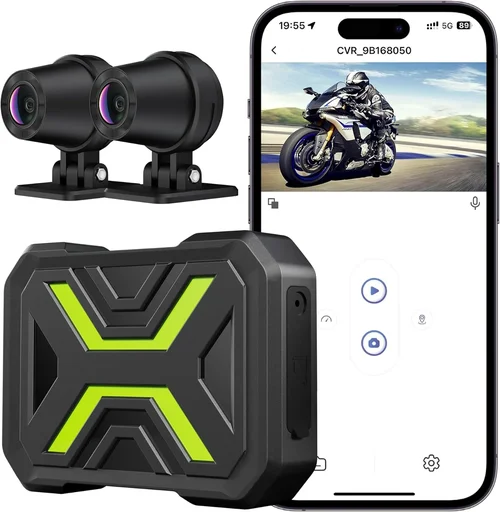
Expert Tips for Getting the Best Deal
Timing Your Purchase: The best deals typically occur during major Philippine sales events rather than random discount periods. Major shopping festivals like 9.9 Sale (September), 11.11 Singles Day (November), 12.12 Big Brands Sale (December), and 5.5 Summer Flash Sale (May) offer substantial markdowns on motorcycle accessories. Additionally, consider seasonal transitions—spring and fall often see inventory clearance as new models arrive. Local motorcycle shows and exhibitions sometimes feature exclusive booth deals unavailable elsewhere.
Bundle Deals Recognition: Many retailers offer package discounts when purchasing dash cams with complementary items like memory cards, protective cases, or mounting kits. These bundles can save 10-25% compared to buying items separately. However, ensure bundled components match your dash cam’s specifications—don’t accept incompatible accessories that waste money or create installation headaches.
Warranty Verification Process: Before finalizing any purchase, confirm warranty coverage specifics including duration, geographic restrictions, and required documentation. Request written confirmation of warranty terms and ask about international coverage if you plan to travel abroad. Verify whether warranty transfers between owners and understand what constitutes valid claims versus user-induced damage.
Testing Protocols: Insist on hands-on testing whenever possible. Request demonstration of recording quality in various lighting conditions, menu navigation ease, and mounting stability tests. Ask to see sample footage from the device to assess actual performance rather than relying solely on manufacturer claims or salesperson demonstrations.
Negotiation Opportunities: Don’t hesitate to negotiate prices, especially when purchasing multiple accessories or during off-season periods. Local retailers often have discretionary pricing authority that online platforms don’t permit. Mention competitor prices you’ve seen and be prepared to walk away if terms aren’t satisfactory—this demonstrates seriousness and may trigger better offers.
Return Policy Understanding: Thoroughly review return policies before purchasing, paying particular attention to restocking fees, condition requirements, and timeframes. Some retailers require original packaging and unused seals, while others accept opened products with functional testing. Note that online purchases may have stricter return conditions than in-store transactions.
Firmware Update Availability: Confirm that manufacturers provide regular firmware updates and that your chosen retailer supports these updates post-purchase. Devices lacking update capabilities become obsolete quickly as new features emerge and security vulnerabilities get patched. Ask about update frequency and whether automatic updates are enabled by default.
Community Resources Utilization: Leverage local rider communities for insider pricing information and trusted recommendations. Facebook groups, motorcycle forums, and WhatsApp groups often share exclusive deals, trade opportunities, and honest assessments of recent purchases. Veteran riders frequently provide valuable advice about which models work best for Philippine conditions.
Seasonal Maintenance Planning: Schedule dash cam maintenance according to Philippine weather patterns. Perform thorough cleaning and inspection before monsoon season begins and again before summer heat peaks. Replace worn mounts or damaged components proactively rather than waiting for failures during critical rides.
Insurance Documentation Preparation: Keep detailed records of your dash cam purchase including receipts, warranty documents, and serial numbers. This documentation proves ownership and value for insurance purposes, potentially qualifying you for equipment coverage or faster claim processing in case of theft or damage.
## FAQs Section

Frequently Asked Questions
Q: Do I really need a dash cam for my motorcycle in the Philippines?
A: While not legally required, motorcycle dash cams provide invaluable protection in the Philippine context. Road conditions, traffic density, and unpredictable driving behaviors make dash cams essential for documenting incidents, protecting against false accusations, and preserving evidence during insurance claims. Many Filipino riders consider dash cams as important as helmets for personal safety and legal protection.
Q: How does weather affect motorcycle dash cam performance in the Philippines?
A: Philippine weather presents unique challenges including heavy monsoons, intense tropical sun, coastal salt spray, and temperature extremes from humid coastal areas to cooler mountain regions. High-quality dash cams with IPX4 or higher waterproof ratings, UV-resistant housings, and wide operating temperature ranges (-20°C to +70°C) perform reliably across these conditions. Always choose weather-sealed models specifically designed for motorcycle use rather than automotive equivalents.
Q: What’s the difference between motorcycle dash cams and car dash cams?
A: Motorcycle dash cams face distinct challenges requiring specialized design considerations. They must handle higher vibration levels, different mounting locations (handlebars vs dashboard), limited space constraints, and greater exposure to weather elements. Additionally, motorcycle-specific features like GPS tracking accuracy, compact sizing for aerodynamics, and handlebar-compatible mounts distinguish them from automotive dash cams designed for stationary vehicles with stable mounting surfaces.
Q: How do I install a dash cam on my motorcycle without damaging the handlebars?
A: Proper installation requires careful planning and quality mounting hardware. Use motorcycle-specific mounting kits designed to distribute pressure evenly across handlebar surfaces. Avoid drilling holes whenever possible by using clamp-style mounts or adhesive solutions rated for motorcycle use. Ensure all connections are secure yet allow for vibration absorption. Professional installation services at authorized dealerships can provide guaranteed safe mounting without voiding warranties.
Q: Can dash cams work during rainy weather in the Philippines?
A: Yes, but only with properly weather-sealed models. Look for dash cams with IPX4 (splash resistant) or higher waterproof ratings as minimum standards. Premium models feature IPX7 (waterproof up to 1 meter) or IP67 ratings providing complete protection during heavy rains. Additional features like hydrophobic lens coatings repel water droplets and maintain clear visibility during downpours. Always avoid automotive dash cams not specifically designed for motorcycle weather exposure.
Q: How much storage space do I need for my dash cam recordings?
A: Storage requirements depend on usage patterns and video quality settings. For 1080p recording at 30fps, allocate approximately 1GB per hour of footage. Calculate based on typical ride duration—commuters may need 8-16GB cards while tour riders require 32-64GB. Always carry spare high-quality microSD cards and establish backup routines for important recordings. Consider dash cams with automatic overwrite protection to ensure continuous recording without manual intervention.
Q: Will a dash cam drain my motorcycle battery when parked?
A: Modern dash cams include power management systems designed to minimize battery drain. Most models enter low-power standby mode when the motorcycle is off, drawing minimal current. However, extended parking without starting the engine can still drain batteries over time. For frequent long-term parking, consider adding a capacitor or voltage stabilizer to prevent deep discharges that could damage motorcycle electrical systems.
Q: How do I choose between different video resolutions (720p, 1080p, 4K)?
A: Resolution selection depends on your priorities and budget constraints. 720p provides adequate footage for basic documentation but may lack detail for identifying specific license plates or road signs. 1080p offers excellent balance between quality and storage efficiency, suitable for most Philippine riding conditions. 4K delivers superior detail but requires significantly more storage space and processing power, making it ideal for serious enthusiasts who value maximum evidentiary quality.
Q: Can I use the same dash cam on multiple motorcycles?
A: Yes, but consider portability and mounting compatibility. Compact designs with universal mounting systems work well for multi-bike owners. Magnetic mounts offer quick transfer between motorcycles but may lack stability at high speeds. Adhesive mounts provide permanent installation but require careful surface preparation and removal techniques to avoid damage. Ensure your dash cam’s features meet your needs regardless of which motorcycle you’re riding.
Q: What features are essential for motorcycle dash cams in the Philippines?
A: Essential features include waterproof construction (minimum IPX4), vibration resistance, GPS tracking, G-sensor for impact detection, loop recording, and reliable night vision capabilities. Additional valuable features include Wi-Fi connectivity for smartphone integration, microphone/speaker for audio recording, and robust mounting solutions designed specifically for handlebar installation. For Filipino riders, weather sealing and heat resistance prove particularly critical given our tropical climate and variable road conditions.
## Final Recommendations
Our Final Recommendations
For budget-conscious buyers seeking reliable basic functionality without significant financial commitment, the VIOXX VX-3000 offers excellent value at around PHP 2,800. This entry-level model provides 1080p recording, basic loop recording, and IPX4 waterproofing suitable for urban commuting and light touring. Its compact size minimizes wind resistance while the simple interface makes it accessible for first-time dash cam users. Many Filipino riders appreciate its straightforward operation and reasonable performance during dry weather conditions.
If you’re ready to invest more for enhanced features and durability, the Thinkware X1S represents outstanding overall value within the PHP 5,000-7,000 price range. This mid-range powerhouse delivers 4K resolution, superior low-light performance, GPS tracking, and robust build quality suitable for daily commuting and extended tours across Philippine highways. Its advanced features like parking mode and Wi-Fi connectivity provide professional-grade functionality without the premium price tag, making it ideal for regular riders who demand reliable performance year-round.
For serious enthusiasts requiring top-tier performance and maximum protection, the BlackVue DR970X-2CH offers exceptional quality at PHP 12,000-15,000. This premium dual-lens system features 4K front recording, Full HD rear coverage, cloud connectivity, and military-grade waterproofing suitable for extreme weather conditions. Its advanced stabilization algorithms eliminate vibration blur, while the comprehensive feature set includes AI-powered incident detection and real-time monitoring capabilities. Professional riders and commercial operators find this system indispensable for maximum evidentiary quality and operational effectiveness.
Beginners new to motorcycle dash cams benefit greatly from the Rexing V1P at PHP 3,500-4,500. This user-friendly model provides 2K resolution, intuitive menu system, and reliable performance for learning proper installation and operation techniques. Its straightforward design eliminates confusion while delivering adequate recording quality for basic protection needs. Many new riders appreciate the gradual learning curve and affordable entry point before upgrading to more advanced systems.
Advanced users requiring specialized features and maximum customization options should consider the Garmin VIRB Ultra 30 at PHP 8,000-10,000. This smart integrated system combines dash cam functionality with action camera capabilities, offering 4K recording, voice control, and seamless smartphone connectivity. Its ruggedized construction withstands extreme conditions while the modular design allows component upgrades and creative mounting solutions. Tech-savvy riders value its versatility for both recording and content creation purposes.
Regardless of your choice, prioritize waterproof ratings, vibration resistance, and GPS tracking as essential features for reliable performance across Philippine conditions. Always verify local availability, warranty coverage, and return policies before finalizing your purchase. Remember that the best dash cam represents the optimal balance between your specific needs, budget constraints, and intended usage patterns rather than simply the most expensive or feature-rich option available.
Invest wisely in your motorcycle dash cam—it represents more than just recording equipment. It’s your silent witness on every journey, your legal protection in uncertain situations, and your personal documentation of adventures across the Philippines’ stunning landscapes. Choose accordingly and ride with confidence knowing you’ve made the right investment for your safety and peace of mind.
## Conclusion: Making the Right Choice
Selecting the perfect motorcycle dash cam in the Philippines requires balancing multiple factors unique to our riding environment and cultural context. The ideal device must withstand monsoons, tropical heat, salt-laden coastal winds, and the constant vibrations of motorcycle operation while providing reliable evidence quality for legal protection and insurance purposes.
Throughout this comprehensive guide, we’ve explored the critical importance of prioritizing waterproof construction, vibration resistance, and GPS tracking capabilities above all other features. These elements directly address the environmental challenges Filipino riders face daily on our diverse road network spanning urban metropolises, mountainous provinces, and coastal highways.
Your decision ultimately depends on matching specific requirements with appropriate price points. Budget-conscious commuters can find excellent value in entry-level models providing essential functionality, while regular riders benefit from mid-range options offering advanced features without premium pricing. Serious enthusiasts and professional operators justify higher investments in top-tier systems delivering uncompromising performance and maximum protection.
Remember that no single dash cam suits every rider’s needs. Consider your typical riding patterns, weather exposure, budget constraints, and desired features before making your selection. Test drive potential options whenever possible, consult experienced riders in local communities, and verify warranty terms and local support availability.
The investment in a quality motorcycle dash cam pays dividends beyond mere recording capabilities. It provides psychological comfort knowing you’re protected during every journey, serves as objective documentation during disputes or insurance claims, and creates lasting memories through high-quality footage of your adventures across the Philippines’ breathtaking scenery.
Make your choice thoughtfully, prioritize your specific needs, and ride with confidence knowing you’ve selected equipment worthy of the trust you place in it for your safety and protection on Philippine roads.