Complete Kia Sorento Dash Cam Buying Guide
Why this comprehensive buying guide matters
The Kia Sorento has become one of the most popular mid-size SUVs on the market, known for its comfortable ride, spacious interior, and impressive value proposition. With over 1.8 million units sold worldwide since its debut, the Sorento represents a significant investment in your transportation needs. However, like any vehicle that spends considerable time on the road, protecting yourself against potential accidents, disputes, or insurance claims requires proper preparation. This is where a dash cam becomes not just a nice-to-have accessory, but an essential safety and legal protection tool.
This complete buying guide will walk you through everything you need to know about selecting the perfect dash cam specifically for your Kia Sorento. You’ll learn about the critical factors to consider, understand the different types available, avoid common purchasing mistakes, and discover which models offer the best value for your specific needs and budget. By the end of this article, you’ll have all the information necessary to make an informed decision that protects both your vehicle and your peace of mind.
Understanding the current dash cam market landscape
The dash cam industry has evolved dramatically over the past decade, transforming from simple single-camera recording devices into sophisticated systems with advanced features like GPS tracking, parking mode, cloud connectivity, and AI-powered detection. Today’s dash cams range from basic entry-level models starting around $50 to premium professional-grade systems exceeding $500. This wide price range reflects significant differences in build quality, video resolution, storage capabilities, and additional features.
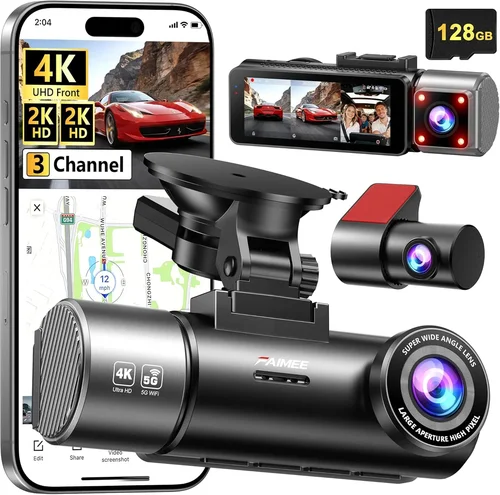
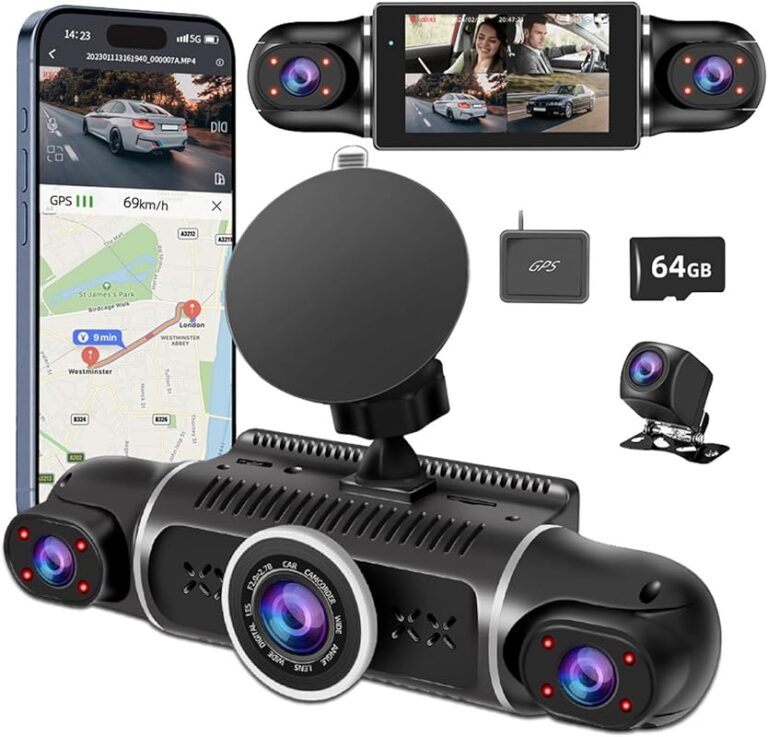
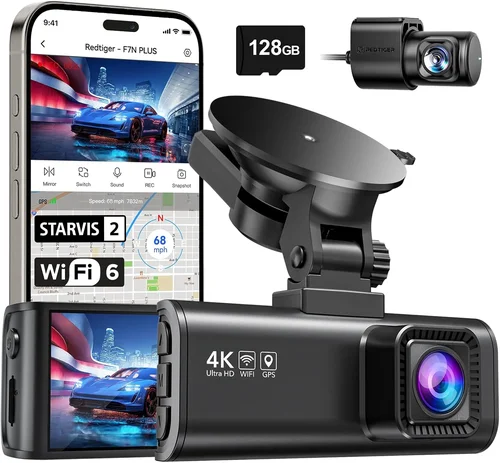
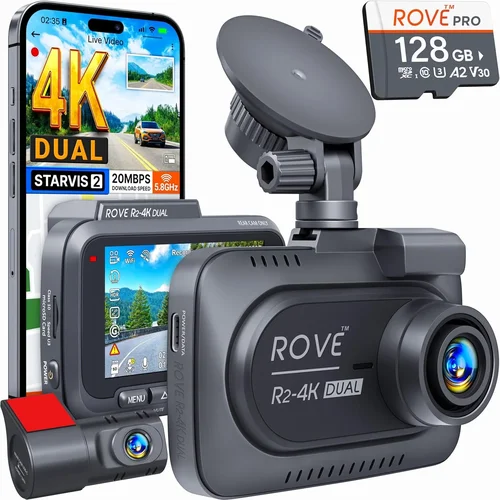
When shopping for a dash cam, you’ll find three main categories: basic single-channel front-only cameras, dual-channel systems that record both front and rear views, and advanced multi-channel setups designed for larger vehicles. The Kia Sorento, being a mid-size SUV with ample space and multiple seating positions, can accommodate virtually any type of dash cam system. Your choice will depend heavily on your specific needs regarding coverage area, recording quality, storage requirements, and whether you want additional features like parking monitoring or smartphone integration.
Key Factors to Consider
What to Look for When Buying Dash Cams
Budget & Price Range
Your budget plays a crucial role in determining which dash cam features you can realistically expect to get. While it’s tempting to opt for the cheapest option available, remember that dash cams are security devices meant to protect you in legal situations, so cutting corners may cost you dearly later. Entry-level dash cams typically start around $40-$70 and offer basic 720p recording with limited storage options. Mid-range models ($80-$150) provide better resolution (1080p), improved build quality, and more reliable performance. Premium options ($150-$300+) deliver 2K or 4K recording, superior sensors, advanced features like GPS and Wi-Fi connectivity, and robust warranties.
For Kia Sorento owners specifically, consider how frequently you drive, the types of roads you travel on most often, and whether you park in secure areas or exposed locations where theft or damage might be concerns. If you primarily use your Sorento for daily commuting on highways, a solid mid-range model should suffice. However, if you frequently drive in urban environments with heavy traffic or park in high-theft areas overnight, investing in a premium model with parking mode and theft deterrent features becomes much more valuable.
Performance Specifications
Video resolution remains the most important technical specification when choosing a dash cam. Most quality dash cams now offer at least 1080p Full HD recording, but higher resolutions like 2K (2560×1440) or even 4K (3840×2160) provide significantly clearer footage that can capture important details like license plates and facial features. Higher resolution also means larger file sizes, requiring either more frequent memory card replacements or dash cams with built-in cloud storage capabilities.
Field of view (FOV) determines how much of the road ahead your camera captures. A wider angle provides more comprehensive coverage but can introduce distortion at the edges. Most dash cams offer adjustable FOV settings, allowing you to balance coverage versus image clarity. For Kia Sorento owners, consider that your vehicle’s relatively large size means you need sufficient field of view to capture vehicles approaching from various angles, especially when merging onto highways or navigating tight parking spaces.
Frame rate affects how smoothly your recorded video appears during playback. Standard frame rates range from 24fps (frames per second) for basic models to 60fps for premium systems. Higher frame rates are particularly beneficial for capturing fast-moving action or detailed highway driving scenes without motion blur. Additionally, look for dash cams with good low-light performance since many incidents occur during dawn, dusk, or nighttime hours.
Build Quality & Durability
Dash cams face extreme environmental conditions including direct sunlight exposure, temperature fluctuations from sub-zero winter cold to scorching summer heat, and constant vibration while driving. These factors can degrade internal components over time, leading to premature failure. Premium dash cams feature reinforced housings made from high-quality materials, anti-glare lenses, and protective coatings to withstand these harsh conditions.
When evaluating build quality, examine the lens construction first—glass lenses generally outperform plastic alternatives in terms of clarity and durability. Check for IP rating certifications indicating dust and water resistance, though most dash cams don’t require high IP ratings since they’re primarily mounted inside vehicles rather than exposed outdoors. Pay attention to the mounting hardware too; strong adhesive mounts or screw-based installations ensure your dash cam stays securely in place during bumpy drives.
Another aspect of build quality involves the internal circuitry and component selection. Reputable manufacturers use military-grade capacitors instead of cheaper electrolytic capacitors, which extend operational life and prevent data loss during power interruptions. Some premium models even include thermal protection systems to automatically shut down when temperatures exceed safe operating ranges, preventing permanent damage to internal components.
Features & Functionality
Modern dash cams offer numerous advanced features beyond basic video recording. Parking mode allows your device to continue monitoring and recording even when your vehicle is turned off, providing protection against hit-and-runs or vandalism. However, this feature requires a hardwired connection to your car’s battery rather than just plugging into the cigarette lighter, as continuous recording would drain your battery quickly otherwise.
Loop recording automatically overwrites older footage once your memory card fills up, ensuring you always have recent recordings available without manual intervention. Many dash cams also include G-sensor technology that detects sudden impacts or movements and locks those specific segments to prevent accidental deletion during loop recording cycles.
GPS functionality adds valuable context to your recordings by embedding location data, speed readings, and direction information directly into your videos. This proves extremely useful when reporting accidents to authorities or disputing traffic violations captured by red light cameras. Some advanced models even include Wi-Fi connectivity enabling wireless video transfer to smartphones via dedicated mobile apps, making sharing and reviewing footage much more convenient.
Voice control and smartphone integration represent newer trends in dash cam technology. Voice-activated commands allow hands-free operation while driving, minimizing distraction risks. Smartphone apps provide remote viewing capabilities, cloud backup options, and automatic software updates, streamlining the user experience significantly. For Kia Sorento owners who already rely on connected car technologies like UVO infotainment systems, integrating a compatible dash cam could create a seamless ecosystem within your vehicle.
Brand Reputation
While new brands enter the market regularly offering attractive pricing, established manufacturers typically demonstrate greater reliability, better customer support, and more consistent product quality. Well-known brands like Garmin, BlackVue, Thinkware, Viofo, and Rexing have built reputations over years of producing consumer electronics and automotive accessories, giving them advantages in research and development resources, manufacturing scale, and warranty enforcement.
Researching brand reputation involves checking independent review sites, consumer forums, and professional testing organizations rather than relying solely on marketing materials. Look for patterns in customer feedback regarding long-term reliability, software stability, and responsiveness from manufacturer support teams. Brands that actively address reported issues, release regular firmware updates, and maintain comprehensive warranty programs generally inspire more confidence among discerning buyers.
Warranty & Support
A robust warranty demonstrates manufacturer confidence in their product’s longevity and reliability. Most reputable dash cam brands offer at least a two-year warranty covering defects in materials and workmanship. Premium manufacturers may extend this to three or four years, reflecting their commitment to quality assurance. Warranty length should factor into your purchasing decision alongside other considerations, especially since dash cams are exposed to demanding operating conditions that can accelerate wear.
Beyond warranty duration, examine what exactly the coverage includes. Does it cover accidental damage, liquid exposure, or only manufacturing defects? What’s the process for filing a claim—do you need to send the unit back to the manufacturer, or are there authorized service centers nearby? Understanding these details prevents unpleasant surprises if you ever need to make a warranty claim.
Customer support availability represents another crucial aspect of post-purchase satisfaction. Brands with responsive technical support teams, comprehensive online documentation, and active user communities help resolve issues quickly and reduce frustration levels. Forums and social media groups dedicated to specific dash cam models often serve as valuable troubleshooting resources when dealing with technical questions or compatibility concerns.
Size & Portability (if applicable)
While most dash cams are designed to remain permanently installed in vehicles, some users prefer removable models for occasional use in multiple cars or when traveling with rental vehicles. Compact designs measure under 2 inches in height and width, fitting discreetly behind your windshield without obstructing forward visibility. Slim profiles minimize interference with rearview mirror placement while maintaining aerodynamic efficiency during highway driving.
Portable dash cams typically include rechargeable batteries and magnetic mounts, allowing temporary installation without drilling holes or using permanent adhesives. These models suit drivers who switch between personal and rental vehicles frequently or need temporary recording capabilities during extended trips away from home. However, portable units generally lack some advanced features found in fixed installations, such as hardwiring for parking mode or direct integration with vehicle electrical systems.
User Reviews & Ratings
Real-world user experiences provide invaluable insights beyond technical specifications alone. Reading verified purchase reviews helps identify recurring issues, assess long-term performance trends, and gauge overall satisfaction levels across different usage scenarios. Pay particular attention to comments about software stability, ease of installation, compatibility with specific vehicle makes/models, and reliability during extended periods of operation.
When analyzing reviews, focus on patterns rather than isolated complaints or glowing endorsements. Multiple users reporting similar problems likely indicate systemic issues affecting the entire product line, whereas isolated negative experiences might stem from user error or unrealistic expectations. Positive reviews mentioning specific features you care about—like excellent night vision or reliable GPS tracking—help confirm whether a particular model meets your individual needs.
Types/Categories Comparison
Different Types of Dash Cams
Single-Channel Front-Only Cameras
Single-channel dash cams represent the most straightforward option, recording only the forward-facing view through a single lens positioned near your windshield. These models suit drivers who primarily need protection against frontal collisions, insurance fraud claims, or evidence collection during traffic stops. Their compact size and simplicity make them easy to install and operate, with minimal impact on your vehicle’s interior aesthetics.
For Kia Sorento owners considering a single-channel setup, these cameras work well for everyday commuting and highway driving where rear-end collisions are less common than frontal impacts. However, they leave your vehicle’s blind spots unmonitored, meaning side or rear incidents won’t be captured unless another camera system covers those angles. If you frequently reverse into parking spaces or navigate busy city streets where pedestrians and cyclists pose risks from multiple directions, additional coverage becomes increasingly valuable.
Dual-Channel Systems (Front + Rear)
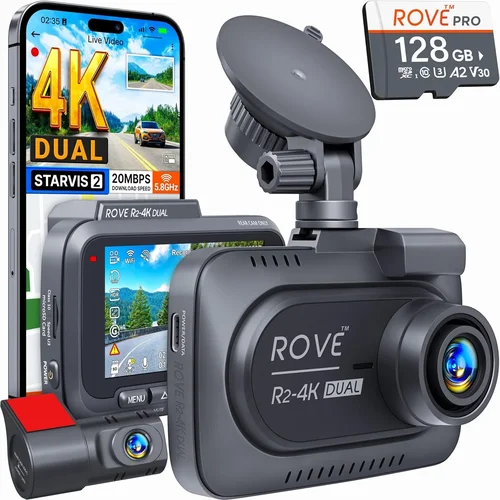
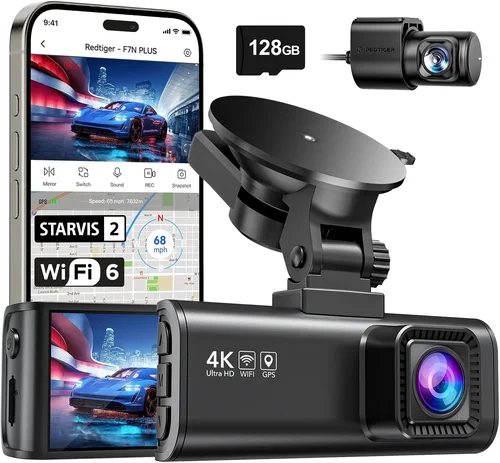
Dual-channel dash cams offer balanced protection by recording both front and rear views simultaneously through two separate cameras connected to a single recorder unit. This configuration provides comprehensive coverage for most driving scenarios, capturing incidents occurring behind your vehicle that might otherwise go unnoticed. Many dual-channel models include a third camera slot for adding a cabin-facing interior view, creating a complete three-channel system ideal for ride-sharing drivers or families concerned about passenger behavior.
For Kia Sorento owners specifically, dual-channel systems align perfectly with the vehicle’s design philosophy of versatility and family-friendly safety. The Sorento’s relatively long wheelbase and elevated seating position create significant blind spots when backing up, making rear-camera footage invaluable during parking maneuvers. Additionally, the SUV’s popularity among families and commercial fleets means dual-channel recording offers maximum utility across diverse usage patterns.
Multi-Channel Systems (Three+ Cameras)
Advanced multi-channel dash cams support three or more simultaneous recordings, typically combining front, rear, and cabin views alongside specialized lenses for side coverage or interior monitoring. These sophisticated systems cater to professional drivers, fleet operators, and enthusiasts requiring extensive surveillance capabilities. Multi-channel recorders often include powerful processors capable of handling higher-resolution feeds from multiple sources while maintaining smooth playback performance.
While Kia Sorento owners rarely need such extensive camera arrays, certain configurations prove beneficial for specific use cases. Families with teenage drivers might benefit from cabin monitoring to track seatbelt usage and distracted driving behaviors, while rideshare drivers require comprehensive coverage to protect against passenger-related incidents or fraudulent claims. Even recreational drivers planning long road trips could benefit from side cameras capturing scenic landscapes or documenting unusual roadside conditions.
Wireless vs Wired Connections
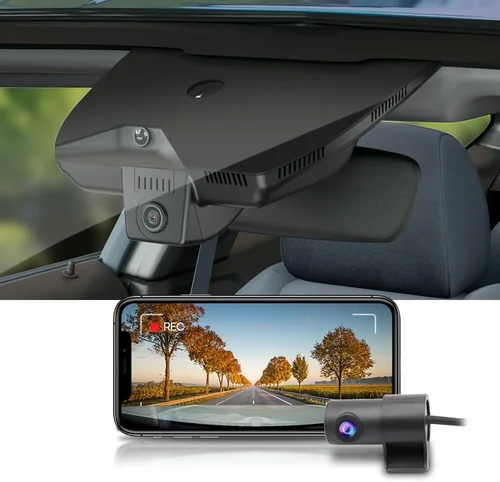
Wireless dash cams transmit video feeds and control signals through Wi-Fi or Bluetooth connections rather than physical cables, reducing installation complexity and maintaining clean interior lines. These models typically connect to your smartphone via dedicated apps, enabling remote viewing, video sharing, and software updates without removing the device from your windshield. Wireless systems suit drivers who prioritize convenience and minimal visual clutter, though they may experience occasional connectivity interruptions during high-speed driving or in areas with poor cellular reception.
Wired dash cams rely on physical connections between cameras and the main recorder unit, offering more stable performance and reduced risk of signal interference. Hardwired installations provide reliable power delivery for parking mode functionality and ensure uninterrupted recording during extended periods away from home. For Kia Sorento owners seeking maximum reliability and feature completeness, wired systems generally represent the superior choice despite slightly more complex installation requirements.
Cloud-Connected Dash Cams
Cloud-connected dash cams upload recorded footage directly to online servers using built-in cellular modems or Wi-Fi tethering capabilities. This approach eliminates the need for physical memory cards, automatically backing up your most important recordings in case of device theft or accidental damage. Cloud storage enables remote access to your vehicle’s location history and event timelines, facilitating quick response times when investigating incidents or recovering stolen property. Subscription-based services typically accompany cloud-connected models, adding monthly fees for unlimited storage capacity and advanced analytics features.
For Kia Sorento owners who already pay for connected car services through Kia Connect or similar platforms, integrating a cloud-connected dash cam creates a unified ecosystem leveraging shared infrastructure and subscription plans. However, monthly subscription costs accumulate quickly, and some users express privacy concerns about storing sensitive driving data on third-party servers. Evaluating the true value of cloud connectivity depends heavily on your willingness to pay recurring fees and trust external providers with your vehicle’s operational data.
Common Mistakes to Avoid
❌ Mistake: Choosing Based Solely on Price
Selecting a dash cam exclusively because it’s the cheapest option available represents one of the most common and costly errors new buyers make. While affordability matters, remember that your dash cam serves as legal evidence during disputes or insurance claims—poor-quality footage may be dismissed by courts or insurers regardless of how much you paid. Cheap dash cams often suffer from inferior image sensors, unstable firmware, unreliable storage mechanisms, and inadequate build quality that fails under real-world driving conditions.
Instead of focusing solely on initial cost, calculate the total ownership expense including memory cards, potential repairs, replacement parts, and lost productivity due to malfunctions. Investing 20-30% more upfront typically yields significantly better long-term value through enhanced reliability, clearer recordings, and reduced maintenance requirements. For Kia Sorento owners specifically, consider how frequently you drive and the types of incidents most likely to occur on your typical routes when determining appropriate spending levels.
❌ Mistake: Overlooking Storage Requirements
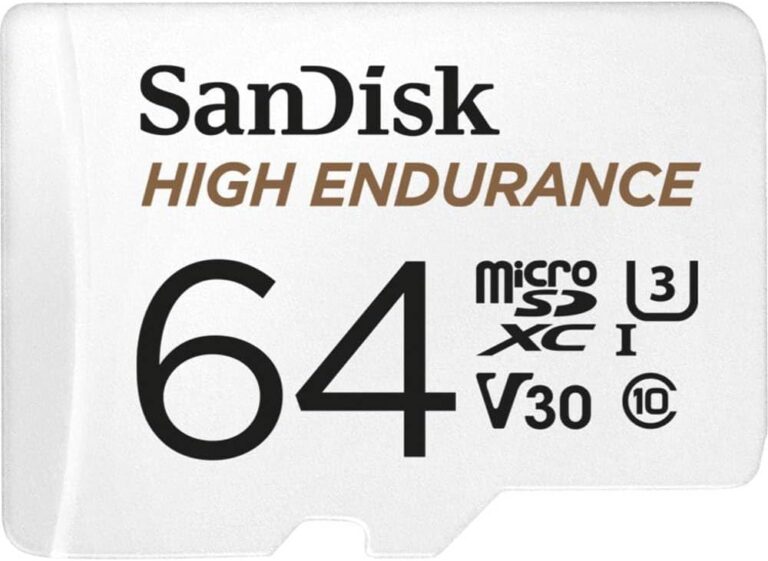
Failing to account for adequate storage capacity leads to frustrating situations where your dash cam stops recording before capturing important events. Most dash cams use microSD cards ranging from 32GB to 256GB, with higher capacities supporting longer continuous recording sessions before overwriting older footage. However, storage needs vary dramatically based on video resolution, compression algorithms, and recording modes selected by your dash cam.
Higher-resolution footage consumes storage space much faster than lower-quality recordings, potentially filling your card within hours rather than days. Advanced features like GPS logging, voice commentary, and event tagging add additional overhead that reduces available recording time. Without proper planning, you might miss critical moments simply because your dash cam couldn’t store them due to insufficient memory allocation. Always verify recommended memory card specifications and test your chosen model with actual driving conditions to confirm sufficient storage duration.
❌ Mistake: Ignoring Compatibility Issues
Assuming universal compatibility between dash cams and all vehicle makes/models represents another frequent oversight. While most dash cams physically fit standard windshield mounting locations, electrical compatibility presents more subtle challenges. Not all vehicles support hardwiring solutions required for parking mode functionality, and some dashboard layouts obstruct cable routing paths needed for clean installations. Additionally, certain dash cams include proprietary connectors or mounting brackets that don’t align properly with specific vehicle interiors.
For Kia Sorento owners specifically, researching confirmed compatibility before purchasing saves substantial headaches during installation and operation phases. Consult manufacturer documentation, check retailer return policies for compatibility guarantees, and seek advice from experienced users familiar with Sorento-specific installations. Remember that even minor differences in dashboard curvature, sun visor placement, or airbag deployment zones can affect optimal mounting positions and cable management strategies.
❌ Mistake: Skipping Firmware Updates
Many buyers assume dash cams function optimally right out of the box without recognizing that manufacturers regularly release firmware updates addressing bugs, improving performance, and adding new features. Neglecting these updates leaves your device vulnerable to known vulnerabilities, missing out on enhanced functionality, and potentially experiencing compatibility issues with newer smartphones or operating systems. Firmware represents the software layer controlling your dash cam’s core operations, including video processing algorithms, sensor calibration routines, and communication protocols.
Manufacturers typically notify users about available updates through companion mobile apps or website portals, but proactive checking ensures you never miss important improvements. For Kia Sorento owners specifically, staying current with firmware releases helps maintain optimal performance alongside evolving vehicle software systems and emerging security threats targeting connected automotive devices.
❌ Mistake: Underestimating Installation Complexity
While basic dash cam installations appear straightforward, attempting DIY setup without proper knowledge risks damaging your vehicle’s interior trim, voiding warranty coverage, or creating unsafe mounting configurations. Professional installation guarantees correct positioning, secure attachment methods, and tidy cable routing that preserves your Sorento’s resale value while complying with safety regulations. Some premium dash cams require complex wiring harnesses or fuse tap connections that demand electrical circuit knowledge best left to certified technicians.
Before committing to DIY installation, assess your mechanical aptitude honestly and consider whether your comfort level matches the technical demands involved. Many retailers offer installation services for modest fees, providing peace of mind knowing your dash cam operates exactly as intended without compromising your vehicle’s integrity.
❌ Mistake: Neglecting Night Vision Capabilities
Daytime recording quality receives disproportionate attention compared to nighttime performance, yet most accidents and incidents occur during low-light conditions. Poor night vision results from insufficient light sensitivity, inadequate dynamic range handling, or excessive noise reduction algorithms that blur important details. Entry-level dash cams often struggle with dark scenes, producing grainy, washed-out footage that fails to capture license plates or distinguishing features clearly enough for identification purposes.
For Kia Sorento owners frequently driving during early morning commutes or evening errands, prioritizing night vision capabilities becomes essential. Look for models featuring starlight sensors, wide aperture lenses, and intelligent exposure controls that adapt to rapidly changing lighting conditions. Testing night vision performance through sample footage or user reviews helps confirm whether a particular model delivers usable results when visibility drops below 50 feet.
❌ Mistake: Forgetting About Legal Compliance
Operating dash cams without understanding local laws and regulations exposes you to unexpected penalties or civil liabilities. Many jurisdictions prohibit recording audio without consent, restrict public filming permissions, or impose specific requirements regarding data retention periods and disclosure obligations. Violating these rules could result in fines, evidence exclusion in court proceedings, or criminal charges depending on your jurisdiction’s statutes and case law precedents.
Before installing any dash cam, research applicable regulations governing electronic surveillance, privacy rights, and evidentiary standards in your state or country. Some areas require conspicuous signage notifying others they’re being recorded, while others mandate immediate deletion of non-relevant footage after specified timeframes. For Kia Sorento owners traveling across state lines or internationally, understanding varying legal frameworks prevents unintentional violations during extended trips or relocation scenarios.
Budget Breakdown
Budget Guidelines: How Much Should You Spend?
Entry-Level Dash Cams ($40 – $70)
Entry-level dash cams represent the most affordable option available, delivering basic functionality suitable for casual drivers or those testing dash cam technology before committing to more expensive models. These devices typically feature 720p recording resolution, limited storage capacity, and minimal additional features beyond core video capture capabilities. While they serve adequately for short-distance commuting or occasional use, entry-level models often compromise on build quality, image processing algorithms, and long-term reliability compared to mid-range alternatives.
For Kia Sorento owners seeking economical protection against minor fender-benders or insurance fraud attempts, entry-level dash cams provide acceptable value within strict budget constraints. However, consider carefully whether the savings justify potential drawbacks including shorter memory card lifespans, reduced video clarity during adverse weather conditions, and lack of advanced features like GPS tracking or parking mode functionality. If your primary concern involves basic incident documentation rather than comprehensive monitoring, these budget-friendly options may satisfy your needs without overspending.
Mid-Range Dash Cams ($80 – $150)
Mid-range dash cams occupy the sweet spot for most Kia Sorento owners, balancing affordability with meaningful improvements in performance, durability, and feature completeness. These models typically deliver 1080p Full HD recording quality, robust build construction, and reliable operation across diverse driving conditions. Enhanced image sensors, improved compression algorithms, and better low-light performance distinguish mid-range devices from their entry-level counterparts while maintaining accessible price points that appeal to value-conscious consumers.
Within this category, you’ll find dual-channel systems offering front-and-rear coverage, parking mode capabilities with hardwired installations, and smartphone connectivity options for convenient video access and sharing. Mid-range dash cams also tend to include longer warranties, more responsive customer support, and regular firmware updates ensuring continued compatibility with evolving technology standards. For Sorento owners who drive regularly, park in exposed locations, or require dependable evidence collection during traffic encounters, mid-range models represent the logical choice offering optimal balance between cost and capability.
Premium Dash Cams ($150 – $300)
Premium dash cams target discerning drivers demanding top-tier performance, cutting-edge features, and exceptional build quality regardless of price considerations. These devices leverage advanced imaging technologies like 2K or 4K resolution, superior starlight sensors, and intelligent processing algorithms delivering crystal-clear footage day or night. Premium models often incorporate multiple camera channels, GPS logging, Wi-Fi connectivity, voice control interfaces, and sophisticated parking monitoring systems protected by comprehensive warranties and responsive technical support teams.
For Kia Sorento owners who prioritize absolute reliability, enjoy exploring new automotive technologies, or require courtroom-ready evidence quality, premium dash cams justify their higher price tags through unmatched performance metrics and future-proofing capabilities. Whether you’re a rideshare driver needing comprehensive coverage, a parent monitoring teenage driving habits, or simply unwilling to compromise on safety equipment quality, premium options deliver peace of mind knowing your recordings meet professional standards even under challenging circumstances.
Luxury Dash Cams ($300+)
Luxury dash cam systems represent the pinnacle of consumer automotive recording technology, incorporating features previously reserved for professional security installations or government applications. These ultra-premium devices combine multiple high-resolution cameras, artificial intelligence-driven event detection, encrypted cloud storage, real-time telematics integration, and customizable user interfaces tailored to individual preferences. Subscription-based service packages often accompany luxury models, providing unlimited cloud backup, predictive maintenance alerts, and advanced analytics dashboards tracking driving patterns, fuel efficiency metrics, and route optimization suggestions.
While few Kia Sorento owners require such extensive functionality, luxury dash cams suit drivers who treat their vehicles as extensions of themselves—valuing every technological advancement regardless of practical necessity. These systems transform your Sorento into a fully integrated smart vehicle ecosystem capable of adapting to changing driving conditions, anticipating potential hazards, and delivering unparalleled situational awareness through redundant sensor arrays and redundant recording channels. For collectors, enthusiasts, or professionals operating high-value assets, luxury dash cams represent the ultimate expression of automotive technology convergence.
Expert Tips & Pro Advice
Expert Tips for Getting the Best Deal
Timing Your Purchase Strategically
Seasonal sales patterns significantly impact dash cam pricing and availability throughout the year. Major shopping holidays like Black Friday, Cyber Monday, and Prime Day typically feature steep discounts on select models, while back-to-school seasons see renewed interest in automotive accessories among college students preparing for driving independence. Additionally, end-of-year clearance events in December often include remaining inventory from previous model years at substantially reduced prices.
For Kia Sorento owners specifically, aligning your purchase timing with vehicle model year changes can yield additional savings. When Kia introduces redesigned Sorento models, dealerships frequently discount existing inventory to clear space for new production vehicles, creating opportunities to acquire both your preferred Sorento configuration and compatible dash cam systems simultaneously. Monitoring manufacturer announcements and attending auto shows provides advance notice of upcoming model refreshes, enabling strategic purchasing decisions before peak demand periods overwhelm limited stock supplies.
Where to Buy: Online vs In-Store
Online retailers dominate the dash cam market due to competitive pricing, extensive product comparisons, and convenient home delivery options. Major e-commerce platforms like Amazon, Best Buy, and Newegg regularly feature customer reviews, detailed specifications, and price-matching guarantees helping you make confident purchasing decisions without visiting physical stores. Online shopping also facilitates easy returns, transparent shipping policies, and access to international sellers offering unique models unavailable locally.
However, brick-and-mortar retailers present distinct advantages worth considering, particularly regarding immediate availability, hands-on product evaluation, and professional installation services. Physical stores enable tactile inspection of build quality, lens clarity, button responsiveness, and mounting hardware compatibility before committing to purchase. Sales associates trained in automotive electronics can answer technical questions, demonstrate features, and recommend models matching your specific vehicle requirements—including Sorento-specific mounting solutions and electrical compatibility considerations.
Spotting Hidden Deals and Promotions
Beyond obvious sale advertisements, numerous hidden deals await observant shoppers willing to dig deeper into pricing structures and promotional strategies employed by retailers and manufacturers alike. Subscribe to email newsletters from your favorite dash cam brands to receive exclusive discount codes, early access to new products, and members-only promotions unavailable to general customers. Follow social media accounts operated by reputable retailers and influencers specializing in automotive technology, as flash sales and limited-time offers often surface unexpectedly through these channels.
Consider bundling purchases to maximize savings—many retailers offer package deals combining dash cams with memory cards, protective cases, and installation accessories at discounted rates compared to buying items individually. Additionally, price-matching policies allow you to request matching competitors’ lower prices if you discover identical products elsewhere, effectively guaranteeing the lowest possible cost for your desired model. For Kia Sorento owners specifically, checking Kia dealership accessory catalogs occasionally reveals factory-approved dash cam packages including genuine mounting brackets and warranty extensions unavailable through third-party sellers.
Warranty Considerations Beyond Manufacturer Coverage
While manufacturer warranties provide foundational protection against defects in materials and workmanship, extending coverage through third-party insurance programs or service contracts can offer additional layers of security against unexpected failures or accidental damage. Extended warranty providers specialize in electronics protection plans covering breakdowns not included in standard manufacturer warranties, often including shipping reimbursement, loaner device provisions, and concierge customer service representatives assisting with repair coordination.
Evaluate whether extended warranties represent worthwhile investments based on your usage frequency, environmental exposures, and tolerance for technical inconveniences. Frequent drivers or those operating in harsh climates may benefit from extended coverage mitigating financial risks associated with premature device replacement, whereas occasional users might find standard warranties sufficiently protective without added expenses. For Kia Sorento owners concerned about maintaining vehicle resale value, preserving interior aesthetics through professional installation guarantees, and avoiding compatibility issues, comprehensive warranty protection becomes increasingly valuable as part of your overall ownership strategy.
Return Policies and Testing Before Committing
Thorough testing before finalizing your dash cam purchase ensures optimal performance alignment with your specific needs and expectations. Most reputable retailers offer generous return windows—typically 30 days—allowing you to install the device, conduct real-world testing under actual driving conditions, and evaluate usability aspects like menu navigation, video quality, and feature accessibility. Take advantage of these opportunities to compare competing models side-by-side, assessing strengths and weaknesses relevant to your daily driving routine and parking environment.
During testing phases, pay close attention to critical performance indicators including video clarity during various lighting conditions, GPS accuracy for location verification, microphone quality for emergency communication clarity, and overall system responsiveness during rapid menu transitions. Verify compatibility with your Kia Sorento’s electrical system by confirming power stability during engine startup/shutdown cycles, checking for interference with existing vehicle electronics, and validating parking mode functionality through simulated overnight monitoring scenarios. Remember that dash cams represent long-term investments requiring careful consideration rather than impulse buys subject to last-minute changes based on superficial impressions alone.
FAQs Section
Q: Can I install a dash cam myself, or do I need professional installation?
A: While many Kia Sorento owners successfully install dash cams themselves using basic tools and following manufacturer instructions, professional installation offers several advantages worth considering. DIY installations require moderate mechanical skills, patience for cable routing through tight spaces beneath dashboard panels, and electrical knowledge for hardwired connections supporting parking mode functionality. Improper installations risk damaging interior trim pieces, interfering with airbag deployment zones, or creating unsafe mounting positions that obstruct driver visibility or violate safety regulations.
Professional installers possess specialized training in automotive electronics integration, understand vehicle-specific wiring diagrams, and utilize precision tools ensuring clean, code-compliant installations preserving your Sorento’s resale value. They also provide warranty validation confirming proper installation procedures weren’t compromised during self-attempted setups. For complex multi-camera systems requiring extensive cable management or integration with existing vehicle networks like Kia UVO, professional assistance becomes practically mandatory rather than optional convenience.
Q: How much storage space do I actually need for my Kia Sorento dash cam?
A: Required storage capacity depends heavily on video resolution, compression efficiency, recording duration preferences, and whether you plan to retain footage beyond immediate incident review. As general guidelines, 32GB microSD cards suffice for basic 720p recording lasting approximately 2-3 hours continuously, while 64GB cards support 1080p recording for 4-6 hours. High-resolution 2K or 4K footage consumes storage space dramatically faster—requiring 128GB or larger cards for comparable recording durations.
Consider your typical driving patterns when selecting appropriate storage sizes: frequent highway commuters benefit from longer recording windows capturing multiple incidents or traffic encounters, whereas occasional weekend drivers might prioritize portability over extended storage needs. Additionally, verify your chosen dash cam supports exFAT formatting required for cards exceeding 32GB, as many budget models only recognize FAT32 formatted cards limiting practical capacity to 32GB maximum regardless of physical size purchased.
Q: Will a dash cam interfere with my Kia Sorento’s electronics or radio signal?
A: Modern dash cams employ shielding technologies and design practices minimizing electromagnetic interference with surrounding vehicle electronics, including infotainment systems, navigation units, and cellular communications modules. However, poorly manufactured or improperly installed devices occasionally cause audio static, distorted radio reception, or intermittent Bluetooth pairing failures—especially when hardwired directly into problematic circuits lacking adequate filtering components.
To prevent interference issues, choose dash cams meeting FCC certification standards demonstrating compliance with electromagnetic emissions regulations, avoid routing power cables parallel to sensitive signal wires, and utilize ferrite cores on all connecting cables passing near electronic modules. If experiencing persistent problems after installation, consult your Kia dealership’s technical service department for diagnostic assistance identifying conflicting frequencies or grounding issues requiring circuit modifications.
Q: What happens if my dash cam’s battery runs out while parked in my Kia Sorento?
A: Most dash cams include built-in lithium polymer batteries providing temporary power during vehicle shutdown for emergency recording or device shutdown procedures. However, these batteries serve primarily as backup power sources rather than primary energy reserves—lasting only minutes to hours depending on model specifications and ambient temperatures. Once depleted, dash cams completely cease operation until recharged through USB connections or vehicle power outlets.
Parking mode functionality addresses this limitation by drawing continuous power directly from your Kia Sorento’s electrical system via hardwired connections, eliminating reliance on internal batteries entirely. Properly installed parking mode systems include voltage-sensitive cutoffs preventing deep discharge that could damage your vehicle’s battery over time, along with surge protection safeguarding against electrical spikes during alternator charging cycles. For Sorento owners frequently leaving vehicles unattended overnight or in exposed locations, hardwired parking mode installation represents essential protection against hit-and-run incidents or vandalism attempts.
Q: Are there any legal restrictions regarding dash cam usage in my state or country?
A: Legal regulations governing dash cam usage vary significantly between jurisdictions, encompassing aspects like audio recording consent requirements, public filming permissions, data retention mandates, and evidentiary admissibility standards. Many countries prohibit recording conversations without all participants’ explicit consent, while others mandate conspicuous signage notifying individuals they’re being filmed in public spaces. Some regions impose strict limits on footage retention periods, requiring automatic deletion after specified durations unless flagged as evidence of criminal activity.
Before installing any dash cam system, research applicable laws in your municipality, state/province, and countries you frequently visit during travel. Contact local law enforcement agencies for clarification regarding surveillance device regulations, consult legal professionals specializing in privacy law for comprehensive guidance, and monitor legislative developments addressing emerging technologies like AI-powered event detection or cloud-connected recording platforms. For Kia Sorento owners operating across state lines or internationally, understanding varying regulatory frameworks prevents unintentional violations during extended trips or relocation scenarios.
Q: How do I choose the right field of view (FOV) for my Kia Sorento?
A: Optimal field of view balances comprehensive road coverage against acceptable image distortion at peripheral edges, influenced by your typical driving speeds, vehicle dimensions, and environmental conditions encountered most frequently. Narrow FOVs (approximately 70°) emphasize center-lane detail suitable for highway cruising where lane departure incidents represent primary concerns, while wide FOVs (around 140°) capture broader surroundings beneficial for urban driving with frequent intersections, pedestrians, and cyclists present.
Kia Sorento owners should consider their predominant driving environments when selecting appropriate FOV settings: suburban commuters traversing winding residential streets benefit from moderate angles capturing cross-traffic patterns, whereas highway-focused drivers prioritize straight-ahead visibility minimizing blind spots during lane changes. Many modern dash cams include adjustable FOV presets allowing dynamic adaptation between narrow, medium, and wide perspectives depending on current driving conditions—providing flexibility without requiring physical lens repositioning or additional hardware modifications.
Q: Can I use multiple dash cams simultaneously in my Kia Sorento without causing conflicts?
A: Operating multiple dash cams concurrently presents technical challenges requiring careful consideration of power distribution, signal interference, storage management, and synchronization accuracy. While theoretically possible using multi-channel recorders designed to handle simultaneous inputs from several cameras, connecting standalone devices independently risks creating conflicting recording timestamps, duplicate event markers, or incompatible file formats complicating evidence organization and retrieval processes.
Professional multi-camera systems integrate seamlessly through centralized controllers managing power sequencing, timestamp alignment, and metadata consolidation—delivering coordinated recordings optimized for forensic analysis or insurance claim documentation. For Kia Sorento owners interested in expanded coverage beyond standard front/rear configurations, consult manufacturers specializing in vehicle-specific camera arrays ensuring compatibility with your SUV’s electrical architecture and interior layout constraints. Avoid attempting DIY multi-cam setups using generic components lacking synchronization protocols, as resulting footage may prove unusable during critical incident investigations.
Final Recommendations
Our Final Recommendations
Best for Budget-Conscious Buyers
For Kia Sorento owners seeking economical protection without sacrificing essential functionality, the Viofo A119 V3 stands out as an exceptional value proposition. Delivering crisp 1080p recording quality with reliable performance across diverse driving conditions, this dash cam includes advanced features like GPS logging, motion detection, and impact-triggered locking—all within an accessible price range appealing to cost-sensitive consumers. Its compact form factor fits discreetly behind your Sorento’s windshield while maintaining unobstructed forward visibility crucial for safe operation.
The A119 V3’s robust build construction withstands temperature extremes encountered during seasonal driving variations, while intuitive menu navigation minimizes distraction risks during setup and operation phases. Compatible with widely available microSD cards up to 256GB capacity, this model supports extended recording durations necessary for capturing lengthy highway commutes or complex urban navigation scenarios common among Sorento owners. Combined with responsive customer support and competitive warranty coverage, the Viofo A119 V3 represents the ideal entry point into dash cam technology without compromising core performance expectations.
Best Overall Value
Balancing affordability with meaningful feature enhancements, the Thinkware F800 Pro emerges as the undisputed champion for Kia Sorento owners demanding reliable protection across all driving scenarios. Boasting superior image processing algorithms delivering exceptional clarity during both daylight and nighttime hours, this dual-channel system records synchronized front-and-rear views through high-sensitivity CMOS sensors optimized for low-light environments. Integrated GPS functionality embeds precise location data and speed readings directly into recorded footage, proving invaluable during accident investigations or traffic violation disputes involving red light cameras.
Beyond technical excellence, the F800 Pro includes thoughtful design touches like curved glass lenses reducing optical distortions at peripheral edges, magnetic rear camera mounting simplifying installation adjustments, and comprehensive mobile app integration enabling wireless video transfer to smartphones for convenient sharing and archival purposes. Robust build quality ensures reliable operation through years of demanding usage, while generous warranty coverage reflects manufacturer confidence in product longevity. For Sorento owners prioritizing balanced performance across price, features, and reliability metrics, the Thinkware F800 Pro delivers unmatched value proposition meeting diverse driving needs without unnecessary complexity.
Best Premium Option
Targeting discerning drivers refusing compromises on recording quality or feature completeness, the BlackVue DR900X-2CH exemplifies premium dash cam engineering through cutting-edge technologies previously reserved for professional security applications. Leveraging Sony STARVIS image sensors delivering unprecedented low-light sensitivity, this dual-channel system captures crystal-clear footage even during challenging dawn, dusk, or nighttime driving conditions commonly encountered during Sorento commutes. Advanced video stabilization algorithms counteract vehicle vibrations and wind-induced lens tremors, ensuring steady footage suitable for courtroom presentation or insurance claim substantiation.
Cloud connectivity transforms passive recording into proactive monitoring through real-time alerts, remote video access, and automatic event uploading—eliminating reliance on physical memory cards while providing tamper-proof evidence storage protected by military-grade encryption protocols. Integrated Wi-Fi hotspot functionality creates dedicated networks enabling seamless smartphone pairing without draining your vehicle’s cellular data allowance. For Kia Sorento owners treating their vehicles as extensions of themselves demanding absolute reliability regardless of price considerations, the BlackVue DR900X-2CH represents the ultimate expression of automotive recording technology convergence.
Best for Beginners
Designed specifically for drivers new to dash cam technology, the Rexing V1 delivers hassle-free operation with minimal learning curve while maintaining respectable performance standards suitable for everyday usage. Intuitive touchscreen interface simplifies menu navigation and settings adjustment, eliminating confusing button combinations or cryptic symbols intimidating inexperienced users. Automatic loop recording ensures continuous coverage without manual intervention, while built-in G-sensor intelligently detects impact events locking corresponding footage segments preventing accidental overwriting during normal operation cycles.
Compact dimensions and lightweight construction facilitate effortless installation within your Kia Sorento’s interior without obstructing rearview visibility or interfering with existing dashboard components. Compatible with standard microSD cards ranging from 16GB to 128GB capacity, this model supports flexible storage management accommodating varying recording duration requirements based on driving frequency and incident likelihood. Affordable pricing combined with straightforward functionality makes the Rexing V1 the perfect gateway into dash cam ownership for Sorento newcomers eager to enhance personal safety without overwhelming technical complexities.
Best for Advanced Users
For Kia Sorento owners embracing sophisticated automotive technologies and demanding maximum customization flexibility, the Garmin Dashcam Mini offers unparalleled integration capabilities with existing vehicle ecosystems through proprietary software platforms and hardware interfaces. Ultra-compact profile measures less than 2 inches in height and width, fitting seamlessly behind your windshield without altering interior aesthetics or compromising passenger comfort levels. High-dynamic-range imaging technology balances exposure between bright headlights and shadowed road surfaces, delivering natural-looking footage preserving critical details during challenging lighting transitions common in urban environments.
Smartphone connectivity enables wireless video transfer, live streaming capabilities, and automatic software updates ensuring continued compatibility with evolving operating systems and emerging security threats targeting connected automotive devices. Integrated voice control functionality allows hands-free operation during driving scenarios minimizing distraction risks associated with manual menu navigation or button pressing. For Sorento owners already invested in Garmin’s ecosystem of navigation, fitness, and marine products, the Dashcam Mini creates cohesive user experiences leveraging shared account credentials, synchronized data management, and unified notification systems streamlining digital lifestyle integration across multiple devices and platforms.
Conclusion: Making the Right Choice
Summary of Key Points
Selecting the perfect dash cam for your Kia Sorento requires careful consideration of multiple interrelated factors including budget constraints, performance specifications, build quality expectations, desired features, brand reputation credibility, warranty coverage scope, installation complexity tolerance, and legal compliance requirements. Rather than focusing exclusively on initial cost savings or flashy technological gimmicks, prioritize solutions delivering reliable protection across diverse driving conditions while maintaining compatibility with your vehicle’s unique characteristics and your personal usage patterns.
Understanding the current market landscape empowers you to navigate countless product options confidently, recognizing how different categories align with specific needs ranging from basic incident documentation to comprehensive surveillance capabilities. By avoiding common purchasing pitfalls like overlooking storage requirements, ignoring compatibility issues, skipping firmware updates, underestimating installation complexity, neglecting night vision capabilities, forgetting legal compliance, or making decisions based solely on price considerations, you position yourself for successful long-term ownership experiences maximizing both safety benefits and peace of mind during everyday driving adventures.
Encourage readers to prioritize their needs
Every Kia Sorento owner possesses distinct priorities shaped by driving habits, environmental exposures, technological familiarity levels, and risk tolerance thresholds. Casual weekend drivers primarily concerned with basic collision protection may thrive with entry-level models offering adequate functionality at economical price points, while frequent highway commuters or urban explorers requiring comprehensive coverage might justify premium investments delivering superior performance metrics and advanced feature sets. Reflect honestly on your own circumstances before committing to any particular solution, remembering that optimal choices evolve alongside changing lifestyles, driving requirements, and technological advancements over time.
Call to action
Take the next step toward enhanced safety and legal protection today by researching specific dash cam models mentioned throughout this guide, consulting professional installation services for complex wiring requirements, and testing selected options under actual driving conditions before finalizing your purchase decision. Remember that dash cams represent long-term investments requiring thoughtful evaluation rather than impulse buys driven by superficial impressions or aggressive marketing tactics. By approaching your selection process systematically while accounting for both immediate needs and future possibilities, you’ll arrive at the ideal solution maximizing value proposition while minimizing potential regrets down the road.