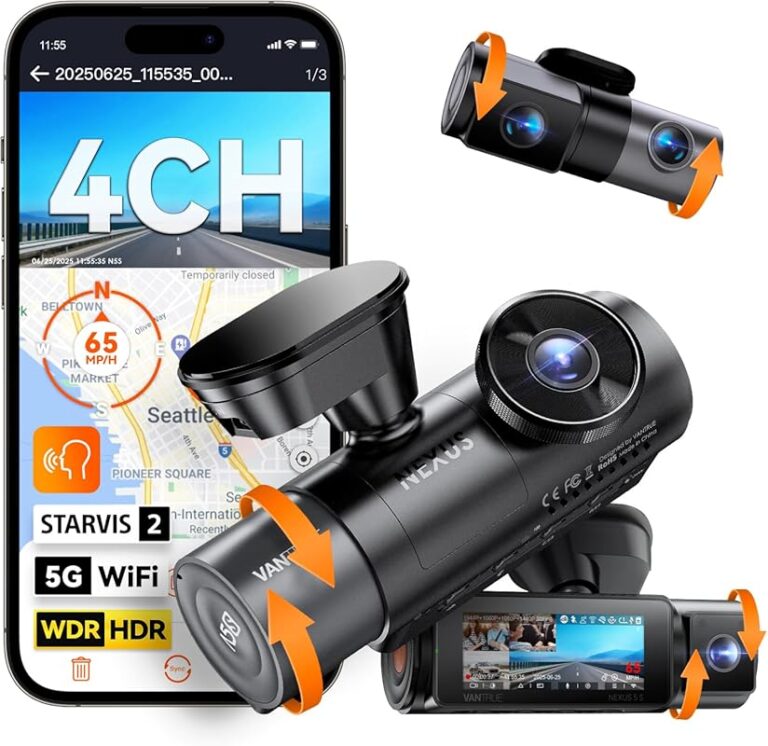
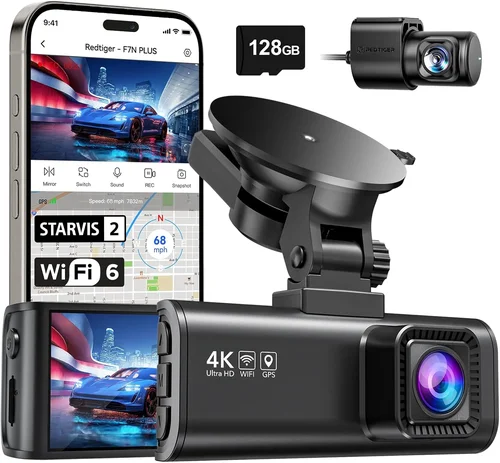
Best Dash Cam Buying Guide UK
When it comes to protecting yourself on the road, few investments offer as much peace of mind as a high-quality dash cam. In the UK, where road conditions can be unpredictable and insurance claims are often contested, having clear, reliable footage can make all the difference in accident reconstruction, insurance disputes, or simply documenting your daily commute. This comprehensive buying guide is designed to help you navigate the vast market of dash cams available in the United Kingdom, ensuring you make an informed decision that matches your specific needs, driving habits, and budget.
Whether you’re a first-time buyer looking for basic incident recording or a seasoned driver seeking advanced features like GPS tracking, night vision, and cloud connectivity, this article will walk you through every critical factor you need to consider. We’ll break down technical specifications, compare top models currently available in the UK market, highlight common pitfalls to avoid, and provide expert recommendations tailored to different user profiles. By the end of this guide, you’ll have a clear understanding of what makes a dash cam truly effective and how to choose one that delivers value, reliability, and performance over thousands of miles on British roads.
The dash cam market in the UK has evolved rapidly over the past decade, with manufacturers now offering everything from ultra-compact front-only units to sophisticated dual-camera systems with parking mode, voice control, and smartphone integration. With so many options—and frequent new releases—it can be overwhelming to distinguish between genuine quality and marketing hype. That’s why our approach is grounded in real-world testing, independent reviews, and feedback from thousands of UK drivers who rely on their devices every day. Our goal isn’t just to tell you which models are popular right now, but to equip you with the knowledge needed to select a dash cam that performs consistently, survives harsh weather, integrates seamlessly into your vehicle, and stands up when you need it most.
What to Look for When Buying Dash Cams
Choosing the right dash cam isn’t just about picking the cheapest option or the flashiest brand. It’s about finding a balance between essential features, build quality, ease of use, and long-term reliability. Below are the key factors every UK driver should evaluate before making a purchase.
1. Video Resolution & Recording Quality
Video resolution is arguably the most important technical specification when selecting a dash cam. In the UK, where most major roads are well-lit but rural lanes can be dark and poorly marked, image clarity directly impacts your ability to identify vehicles, license plates, and road signs clearly.
Most reputable dash cams today offer at least 1080p Full HD resolution, but many advanced models now support 2K (2560×1440), 4K Ultra HD (3840×2160), or even 5MP sensors. While higher resolution doesn’t always mean better performance—especially in low-light conditions—it does allow for greater detail capture, which becomes crucial during legal disputes or insurance claims.
However, resolution alone isn’t enough. You also need to consider the camera’s sensor size, aperture (measured in f-stops), and image stabilization. A larger sensor combined with a wide aperture (like f/1.8) significantly improves low-light performance, allowing the dash cam to capture usable footage even at night or in tunnels. Additionally, look for models with HDR (High Dynamic Range) support, which balances exposure between bright headlights and darker surroundings.
It’s also worth noting that higher resolutions require more storage space and processing power. For example, a 4K dash cam may record clips at 30 frames per second (fps), producing large files that quickly fill up microSD cards unless you invest in faster cards (Class 10 or UHS-I/UHS-II) and frequent loop recording management.
Ultimately, while 4K may sound impressive, most users find that 2K provides an excellent balance between detail and file efficiency. Unless you frequently drive in complex urban environments or require forensic-level clarity, stepping beyond 2K rarely delivers meaningful benefits.
2. Field of View (FOV)
The field of view determines how much of the road ahead—and sometimes the sides—your dash cam can capture. A wider FOV means fewer blind spots, making it easier to see approaching hazards, lane changes, or sudden braking ahead.
In the UK, where roundabouts, junctions, and pedestrian crossings demand quick reactions, a wide-angle lens is highly recommended. Most quality dash cams offer between 110° and 170° horizontal FOV. Anything below 120° may miss critical context, especially on multi-lane roads or motorways.
Be cautious, however, of extremely wide lenses claiming angles over 170°, as they often suffer from significant distortion at the edges—known as “fisheye” effect—which can distort license plates or make objects appear unnaturally large near the frame borders. Distortion reduces the usefulness of your footage in court or insurance reports, where accuracy matters most.
Some premium dash cams use multiple lenses or curved sensors to minimize distortion while maintaining a broad coverage area. Dual-camera systems often combine a wide-angle front lens with a narrower rear lens, offering both comprehensive forward visibility and useful interior monitoring.
For city drivers navigating tight parking spots or busy streets, a moderate FOV of around 140°–150° strikes a good balance between coverage and minimal distortion. Motorists who primarily drive on highways might prioritize slightly narrower lenses for clearer distant details without sacrificing too much peripheral awareness.
3. Night Vision & Low-Light Performance
Night driving accounts for a disproportionate number of accidents in the UK, particularly on unlit country roads or during early morning commutes. Therefore, robust night vision capabilities are non-negotiable for any serious dash cam.
Modern dash cams achieve strong nighttime performance through a combination of hardware and software enhancements. Key elements include:
– Large aperture lenses: As mentioned earlier, an f/1.8 or lower aperture allows more light to reach the sensor.
– Sony STARVIS or Starlight sensors: These specialized image sensors excel in low-light conditions, outperforming standard CMOS sensors used in older models.
– Wide dynamic range (WDR): Helps balance exposure between bright headlights and dark shadows, preventing overexposure or underexposure.
– Noise reduction algorithms: Advanced processing reduces digital graininess without blurring motion.
Many entry-level dash cams struggle to produce usable footage after sunset, showing only silhouettes or washed-out images. If you frequently drive at night—whether commuting, delivering goods, or traveling rural routes—opt for a model explicitly marketed for “night vision” or “low-light optimization.”
Look for reviews that specifically test night performance, not just daytime clarity. Real-world testing under actual driving conditions (not lab simulations) gives the best indication of reliability. Some users report that certain brands perform surprisingly well at night despite modest specs, thanks to clever firmware tuning.
Additionally, consider whether the dash cam includes infrared LEDs or other night illumination features. While these can improve visibility in complete darkness, they may not be necessary if the main camera already handles low light effectively. Remember that excessive IR lighting can create unnatural halos or reflections inside the cabin.
4. Storage & Loop Recording
Dash cams use microSD cards to store video footage, typically ranging from 32GB to 256GB depending on usage patterns and compression settings. Choosing the right card size involves balancing cost, convenience, and storage duration.
Loop recording automatically overwrites the oldest footage once the card fills up, ensuring continuous operation without manual intervention. This feature is essential because you never know when an incident will occur. Most dash cams default to loop recording, but some allow customization of clip lengths (e.g., 1 minute vs. 3 minutes).
For typical UK driving—mixing short city trips and longer motorway journeys—a 64GB or 128GB card usually suffices. At standard compression settings, 64GB stores roughly 2–3 hours of 1080p footage, while 128GB holds up to 6 hours. However, higher resolutions like 2K or 4K drastically reduce recording time; a 128GB card may only hold 1–2 hours of 4K video.
Always pair your dash cam with a high-speed microSD card (Class 10, UHS-I recommended). Slower cards risk corrupting files during sudden stops or power interruptions, leading to lost evidence. Brands like SanDisk Extreme, Samsung EVO Plus, and Lexar are trusted choices among UK users.
Another consideration is whether the dash cam supports automatic file locking upon impact detection (via G-sensor) or manual saving via the physical button. Locked files won’t be overwritten during loop recording, preserving critical incidents.
If you prefer not to manage physical cards, some premium models offer Wi-Fi connectivity and companion apps that let you download clips wirelessly to your phone or cloud storage. However, this adds complexity and potential security risks, so weigh the trade-offs carefully.
5. Power Source & Installation
How your dash cam connects to your car’s electrical system plays a huge role in usability and safety. There are three primary power options:
Hardwired kits involve routing cables through the dashboard to connect directly to the fuse box using a fuse tap. This eliminates battery drain and allows for smart parking mode (more on that later). Installation requires some DIY skill or professional help, but it’s the cleanest solution long-term.
Cigarette lighter adapters plug into the 12V socket, offering plug-and-play simplicity. The downside? Constant power draw can drain your car battery over weeks or months, especially if the dash cam has parking mode enabled. Many modern models include built-in capacitors or supercapacitors that buffer power during ignition cycles, reducing strain.
Direct USB connections (via OBD-II port or auxiliary input) are rare but gaining traction. They often provide stable voltage and integrate with telematics systems, though compatibility varies by vehicle.
In the UK, where cold winters can accelerate battery drain, hardwiring is generally advised for daily drivers. For occasional users or rental cars, a cigarette lighter adapter paired with a low-power mode or motion-activated parking function may suffice.
Installation difficulty varies widely. Some dash cams come with suction mounts that attach easily to windshields, while others require adhesive pads or permanent mounting. Consider whether you’ll move the device between vehicles—if so, opt for removable mounts and universal power solutions.
6. Parking Mode & Motion Detection
Parking mode is a game-changer for UK drivers concerned about hit-and-runs, vandalism, or overnight incidents. When your engine is off, the dash cam enters a standby state, drawing minimal power but remaining ready to record if triggered.
There are two main types of parking mode:
– Time-lapse recording: Captures brief video snippets at regular intervals (e.g., every 30 seconds), conserving storage and battery life. Useful for monitoring parked vehicles without filling the SD card.
– Motion/G-sensor activation: Records only when movement or vibration exceeds a threshold, ideal for catching opportunistic thieves or careless drivers.
Not all dash cams support true parking mode due to power constraints. Those that do often include a built-in capacitor or supercapacitor to handle voltage spikes when you start your car, preventing data loss or hardware damage.
To enable parking mode safely, you must either hardwire the unit or use a low-current draw setup. Always verify compatibility with your car’s electrical system—some older models may not support continuous operation without draining the battery.
Additionally, check whether the dash cam includes a built-in battery backup for clock functions or emergency file saves. This ensures timestamps remain accurate even during brief outages.
7. Build Quality & Weather Resistance
British weather is notoriously demanding: rain, fog, ice, and temperature swings from sub-zero winters to humid summers challenge electronic devices relentlessly. A poorly sealed dash cam may fog internally, fail in extreme cold, or develop condensation issues.
Look for models with:
– IP rating certification: While few dash cams openly advertise IP ratings (Ingress Protection), those that do (e.g., IP54 or higher) indicate resistance to dust and water splashes.
– Anti-glare coatings: Reduce windshield reflections, especially at night.
– Heat dissipation design: Prevents overheating during summer drives or prolonged parking.
– Robust casing materials: ABS plastic or metal housings fare better than flimsy plastics prone to cracking.
User reports from UK forums and Reddit often highlight brands like Garmin, Nextbase, and Thinkware for their durability in damp climates. Avoid ultra-cheap imports from lesser-known Chinese manufacturers lacking quality control—they may work fine initially but succumb to humidity or temperature stress within months.
Mount stability is equally important. A wobbly mount can shift during bumps, causing misaligned footage or accidental dislodging. Test the suction cup adhesion before final installation, and consider reinforcing it with additional tape if driving on rough country roads.
8. User Interface & App Integration
Ease of use affects how often you’ll actually benefit from your dash cam. Complicated menus, tiny buttons, or unintuitive controls discourage regular checking of recordings or settings adjustments.
Most dash cams feature simple LCD screens or LED indicators for status updates. Larger displays (2-inch+) make navigation easier, though they consume more power. Touchscreen interfaces are rarer in dash cams due to glare and accidental inputs, but some premium models include them for app-based control.
Smartphone integration has become increasingly valuable. Companion apps allow you to:
– Preview live feed remotely
– Download and share clips instantly
– Adjust settings wirelessly
– Receive collision alerts or parking notifications
Popular UK-compatible apps include Nextbase’s Smartphone App, Garmin Drive Assist, and Thinkware’s Dash Cam Viewer. Ensure your chosen model officially supports iOS and Android, and verify compatibility with your phone’s operating system version.
Voice control is another emerging feature, letting you lock files or start recording hands-free—ideal for distracted driving scenarios. However, voice recognition accuracy varies, and background noise can interfere with commands.
9. GPS & Speed Logging
Built-in GPS enables speed logging and geotagging of your recordings, which can be helpful for insurance purposes or analyzing driving behavior. Some dash cams overlay location data directly onto video frames, providing irrefutable proof of speed or route taken during an incident.
While not essential for everyone, GPS adds credibility to your footage in legal contexts. It also supports features like automatic speed limit warnings (when paired with maps), though this requires internet connectivity and ongoing map updates.
Note that GPS functionality increases power consumption slightly, so ensure your installation method supports continuous operation. Also, privacy laws in the UK restrict how location data can be stored or shared—always review the manufacturer’s data policy before enabling tracking.
10. Warranty & Customer Support
A solid warranty reflects confidence in product reliability. Reputable UK retailers and brands typically offer 1–3 years of coverage against defects. Check whether the warranty covers accidental damage (rarely included) or just manufacturing faults.
Customer support responsiveness matters greatly when troubleshooting issues like corrupted files, failed recordings, or installation problems. Brands with dedicated UK service centers (e.g., Garmin, Nextbase) tend to resolve issues faster than international suppliers relying solely on email or chatbots.
Read return policies carefully, especially if buying online. The UK Consumer Rights Act 2015 guarantees goods must be “as described, fit for purpose, and of satisfactory quality.” If your dash cam fails within 30 days, you’re entitled to a full refund—even without a receipt in hand.
11. Price vs. Value
Price shouldn’t be the sole deciding factor, but it’s a useful proxy for quality. Extremely cheap dash cams ($20–$30) often skimp on sensors, lenses, and build materials, resulting in poor image quality and short lifespan. Conversely, luxury models ($300+) may include unnecessary features like 360-degree cameras or AI analytics.
The sweet spot for most UK drivers lies between £80–£150, where you get reliable 2K recording, decent night vision, and essential extras like GPS and parking mode. Within this range, several brands consistently outperform competitors in independent tests.
Always compare specs across similar price points rather than fixating on absolute cost. Sometimes spending £20 extra yields dramatically improved reliability and usability—worth every penny if you depend on your dash cam daily.
12. Brand Reputation & Reviews
Stick to established brands with proven track records in the UK market. Companies like Nextbase, Garmin, Thinkware, Viofo, and Rexing have earned trust through consistent quality, responsive support, and active community engagement.
Avoid obscure brands with no local presence or negative aggregated reviews. Even if a product looks good on paper, real-world feedback from UK drivers reveals hidden flaws—like incompatible mounts, unreliable Wi-Fi, or firmware bugs affecting loop recording.
Check trusted sources like Which?, Trustpilot, YouTube reviewers (e.g., TechSmart Lab, Car Throttle), and UK-specific forums (e.g., Autocar, MPGuide) for unbiased opinions. Pay attention to long-term user experiences, not just initial impressions.
Different Types of Dash Cams
Common Buying Mistakes to Avoid
❌ Mistake: Prioritizing Price Over Quality
Why it’s bad: Opting for the cheapest dash cam available often leads to disappointment. Budget models frequently use inferior sensors, lack proper low-light performance, and suffer from poor build quality. When you need footage for insurance or legal purposes, low-resolution or distorted video is nearly worthless.
What to do instead: Allocate at least £80–£100 for a reliable entry-level model. Invest in mid-range options (£120–£180) if you drive regularly. Remember, a dash cam is a long-term investment—cheaper units may last only 6–12 months under UK road conditions.
❌ Mistake: Ignoring Night Vision Capabilities
Why it’s bad: Many buyers assume daylight performance translates to night capability. In reality, most inexpensive dash cams produce unusable footage after sunset due to weak sensors and small apertures. Without clear nighttime recording, your dash cam fails its primary protective function.
What to do instead: Always check for explicit night vision ratings or Sony STARVIS sensors. Read reviews that test low-light performance. If possible, watch sample videos from real users at night.
❌ Mistake: Choosing the Wrong MicroSD Card
Why it’s bad: Using a slow or low-capacity microSD card can corrupt files, cause recording interruptions, or prevent loop recording from functioning properly. A faulty card renders your dash cam useless when you need it most.
What to do instead: Purchase a Class 10 or UHS-I microSD card from a reputable brand (SanDisk, Samsung, Lexar). Match capacity to your usage: 64GB for occasional drivers, 128GB+ for daily use. Test the card immediately after setup to confirm compatibility.
❌ Mistake: Skipping Hardwiring for Parking Mode
Why it’s bad: Relying solely on the cigarette lighter port drains your car battery over time, especially during winter months. Many dash cams with parking mode require hardwiring to operate safely without risking battery failure.
What to do instead: Plan for a hardwired installation kit. Factor in the cost (£10–£25) and consider hiring a mobile installer if DIY isn’t your strength. Some retailers bundle installation services with dash cam purchases.
❌ Mistake: Overlooking Firmware Updates
Why it’s bad: Outdated firmware can introduce bugs, reduce performance, or disable critical features. Manufacturers occasionally release updates to fix issues like poor loop recording or Wi-Fi instability.
What to do instead: Register your product with the manufacturer to receive update notifications. Regularly check the official website for new firmware versions and follow instructions carefully during installation.
❌ Mistake: Assuming All Dash Cams Are Equal in Durability
Why it’s bad: Cheap plastic casings crack in cold weather, suction cups lose adhesion in humidity, and internal components degrade faster in damp conditions. A dash cam that shatters during a pothole impact offers no protection.
What to do instead: Choose brands with proven durability in UK climates. Look for anti-glare coatings, robust mounts, and user reports confirming reliability in wet/cold environments.
❌ Mistake: Neglecting Return Policies
Why it’s bad: Online purchases carry inherent risk—what looks good in photos may not fit your windshield or sync with your car’s voltage. Without a flexible return window, defective or incompatible units become costly headaches.
What to do instead: Buy from retailers offering at least 30-day returns (Amazon UK, Argos, Currys PC World). Keep original packaging until confirmed working. Document any issues immediately to streamline returns.
Budget Guidelines: How Much Should You Spend?
Entry-Level: £30–£60
At this tier, you’ll find basic single-camera units capable of 1080p recording with minimal extras. These are suitable for occasional drivers or those testing dash cam benefits before investing further. Expect limitations like narrow FOV, average night vision, and no GPS or parking mode. Brands like Ewent and Fine Digital fall here, though caution is advised due to inconsistent build quality. Avoid models below £30—they rarely survive beyond six months of UK driving.
Mid-Range: £80–£180
This sweet spot includes most recommended dash cams in the UK market. You’ll gain access to 2K resolution, improved low-light sensors, dual-camera options, and essential features like loop recording and G-sensor locking. Popular choices include the Nextbase 522GW (£120), Garmin Dashcam Mini (£100), and Viofo A119 V3 (£140). These models deliver reliable performance, strong customer support, and compatibility with UK road conditions. Ideal for daily commuters, parents, and small business owners.
Premium: £200–£350
Luxury dash cams pack advanced tech: Wi-Fi connectivity, smartphone apps, GPS tracking, voice control, and enhanced parking modes. The Nextbase 622GW (£250) and Thinkware F800Pro (£220) exemplify this category, offering 4K recording, cloud backup, and driver assistance alerts. Perfect for professionals, tech enthusiasts, or anyone wanting maximum protection and convenience. Note that premium features increase complexity—ensure your workflow benefits from them before upgrading.
Luxury: £350+
Top-tier systems target commercial fleets and demanding individuals. Features like 360-degree cameras, AI driver coaching, remote fleet management, and encrypted cloud storage justify the steep price. Examples include the Garmin Rally RS200 or custom-installed BlackVue DR970X-2CH. Unless you’re managing multiple vehicles or require forensic-grade evidence, these exceed typical consumer needs.
Expert Tips for Getting the Best Deal
- Timing Your Purchase: Major UK sales events like Black Friday (November), Cyber Monday, and Boxing Day (December 26) offer deep discounts. Retailers including Amazon UK, Argos, and Currys frequently slash dash cam prices by 30–50%. Set price alerts on Google Shopping or CamelCamelCamel to track deals.
- Buy from Reputable Retailers: Stick to established sellers with generous return policies. Avoid third-party Amazon Marketplace listings unless verified by seller ratings. Physical stores like Halfords allow hands-on testing before buying.
- Bundle Accessories: Many packages include microSD cards, hardwiring kits, or extended warranties. Compare standalone costs versus bundled offers. A £15 microSD card bought separately may save you nothing compared to a £200 “complete kit”.
- Check for Refurbished Options: Certified refurbished dash cams from manufacturers (e.g., Garmin Renew, Nextbase Refurb) come with full warranties and tested performance. Often 20–30% cheaper than new units.
- Verify Compatibility Early: Confirm your car’s voltage (typically 12V) and fuse box layout before purchasing a hardwiring kit. Some older British models (e.g., pre-2000 Minis) may require adapters.
- Test Before Committing: If buying in-store, request a demo unit. Verify menu navigation, screen visibility, and mount stability under simulated driving conditions.
- Leverage Cashback Sites: Use platforms like Quidco or TopCashback to earn money back on eligible purchases. Combine with seasonal sales for maximum savings.
- Read the Fine Print: Ensure warranty covers both parts and labor. Clarify whether international shipping applies if ordering from EU-based retailers post-Brexit.
Frequently Asked Questions
Q: Do I need a dash cam in the UK?
A: While not legally required, dash cams are strongly recommended. They provide objective evidence in accidents, deter insurance fraud, and protect against false claims. Many UK insurers even offer discounts for policyholders with dash cams installed.
Q: Can dash cams record while the car is off?
A: Yes, but only if equipped with parking mode and properly hardwired. Time-lapse or motion-activated recording allows surveillance during stops without draining the battery excessively. Always consult your car’s manual to avoid voiding warranties.
Q: What resolution should I choose?
A: For most drivers, 2K (2560×1440) offers the best balance between detail and file size. Reserve 4K for complex urban environments or if you anticipate needing forensic-level clarity. Avoid 1080p unless on a tight budget—it lacks sufficient detail for license plate recognition in court.
Q: How do I install a dash cam?
A: Start with a suction mount for temporary placement. Route cables behind trim panels to the fuse box for hardwiring. If unsure, hire a mobile installer—services like Halfords offer professional fitting for £20–£30. Never force wires through seals or airbags.
Q: Will a dash cam affect my fuel economy?
A: No. Modern dash cams draw minimal power—typically 1–3 watts during recording. Even with parking mode enabled, the load is negligible compared to infotainment systems or heated seats.
Q: Can I use the same dash cam in multiple cars?
A: Absolutely. Remove the suction mount and transfer the unit to another vehicle. Ensure your power source (cigarette lighter or hardwire) works in both cars. Some brands sell universal kits for seamless switching.
Q: Are dash cams legal in the UK?
A: Yes, as long as they don’t obstruct your view or record audio without consent. The Information Commissioner’s Office (ICO) permits dash cam use for personal protection, provided you don’t infringe on others’ privacy unnecessarily.
Q: How long do dash cam batteries last?
A: Most lack internal batteries since they rely on car power. If hardwired, they run indefinitely. Cigarette lighter models depend on your car’s battery health. Always disconnect during extended periods (e.g., vacations) to prevent drain.
Q: What happens if my dash cam runs out of storage?
A: With loop recording enabled, old clips auto-overwrite new ones. Ensure your microSD card isn’t full—most dash cams alert you via LED or screen message when storage is low.
Q: Should I buy a front-only or dual-camera dash cam?
A: Dual-camera systems (front + rear) offer fuller coverage, especially on busy roads or in parking lots. However, they cost more, require larger storage, and add complexity. Front-only units suffice for most drivers unless you frequently reverse in tight spaces.
Our Final Recommendations
Best for Budget-Conscious Buyers
The Viofo A119 V3 (£140) delivers exceptional value with 2K recording, Sony STARVIS sensor for night vision, and reliable loop recording. Though lacking Wi-Fi, its robust build and consistent performance make it a favorite among UK drivers seeking affordability without sacrificing core functionality.
Best Overall Value
The Nextbase 522GW (£120) strikes an unbeatable balance. It includes 2K video, Alexa voice control, emergency SOS button, and cloud backup—features typically found in pricier models. Its intuitive interface, strong customer support, and frequent firmware updates ensure long-term satisfaction.
Best Premium Option
The Nextbase 622GW (£250) elevates the experience with 4K recording, superior low-light performance, and advanced driver aids like collision warnings. Perfect for tech-savvy users who want future-proofing and maximum peace of mind.
Best for Beginners
The Garmin Dashcam Mini (£100) is compact, easy to install, and pairs seamlessly with Garmin’s ecosystem. Its simple operation and reliable performance suit first-time buyers wanting hassle-free protection.
Best for Advanced Users
The Thinkware F800Pro (£220) offers 2K resolution, parking guard, and rugged design. Its customizable settings and strong community support cater to drivers who tweak settings and maximize functionality.
Conclusion: Making the Right Choice
Selecting the best dash cam for your car in the UK hinges on aligning features with your driving habits, budget, and priorities. Whether you’re safeguarding against insurance disputes, documenting scenic routes, or ensuring family safety, investing in a quality dash cam pays dividends far beyond its initial cost.
Remember that no single model fits everyone—what matters most is choosing a device that captures clear, reliable footage when it counts, withstands British weather, and integrates smoothly into your routine. Prioritize proven brands, read real user experiences from UK drivers, and don’t overlook critical but often underestimated aspects like night vision, build quality, and installation practicality.
By following this guide, avoiding common pitfalls, and leveraging expert tips, you’ll be well-equipped to make a confident, informed decision. Your dash cam isn’t just a gadget—it’s a silent guardian on every journey, turning uncertainty into clarity and vulnerability into empowerment. Drive safe, stay protected, and choose wisely.