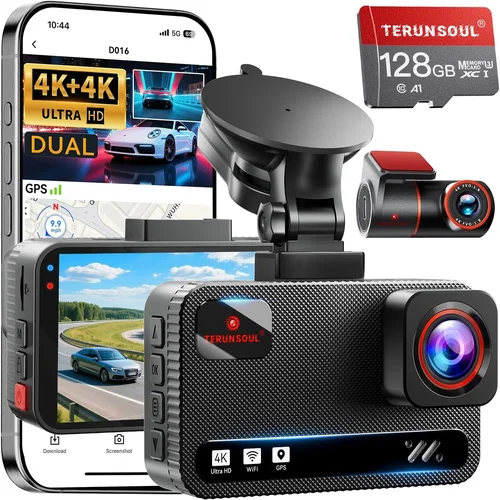
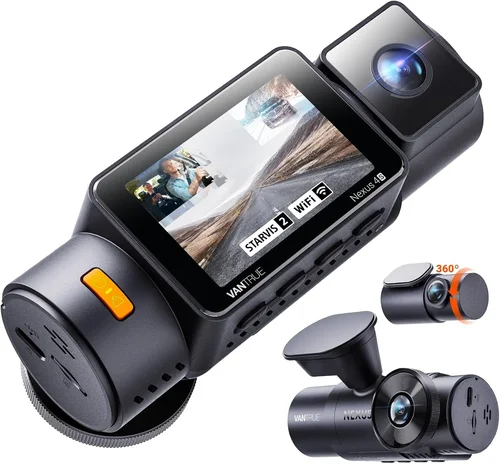
Expert Dash Cam Buying Guide
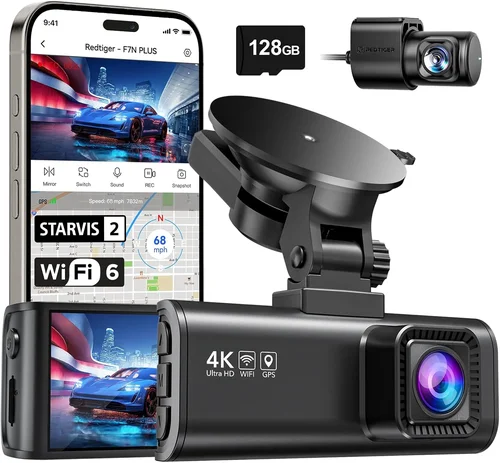
Why this guide matters
Choosing the right dash cam can feel overwhelming with so many options flooding the market. From Reddit threads filled with passionate recommendations to manufacturer websites promising cutting-edge technology, it’s easy to get lost in the noise. This comprehensive buying guide cuts through the hype and delivers expert-level insights that matter. Whether you’re a first-time buyer or upgrading from an older model, understanding what drives performance and reliability will save you money and frustration.
What readers will learn
By reading this guide, you’ll gain clarity on critical factors like video quality specifications, storage solutions, parking mode functionality, and how different brands stack up against each other. We’ll break down technical terms like bitrate, field of view, and G-sensor sensitivity into plain language. You’ll also discover common pitfalls that even experienced users fall into, plus expert strategies for finding the best deals during seasonal sales.
Brief overview of the market
The dash cam industry has matured significantly over the past decade. What started as basic single-lens cameras recording at 720p is now a sophisticated ecosystem featuring dual-channel systems, cloud connectivity, AI-powered incident detection, and seamless smartphone integration. Major players like Blackvue, Thinkware, Garmin, and Rexing dominate professional markets, while budget brands like Viofo and Apeman cater to everyday drivers. Recent trends show increasing demand for 4K recording, thermal imaging capabilities, and subscription-based cloud services for remote video access.

What to Look for When Buying Dash Cams
1. Video Quality & Resolution
The foundation of any good dash cam lies in its ability to capture clear, detailed footage. Most reputable models now offer at least 1080p resolution, but true HD quality comes from more than just megapixels—it’s about frame rate, bitrate, and sensor quality. Higher frame rates (60fps vs 30fps) provide smoother motion during fast-moving scenarios like highway driving or emergency braking situations. Bitrate determines how much data gets stored per second; higher bitrates mean better compression efficiency and clearer details when reviewing footage later.
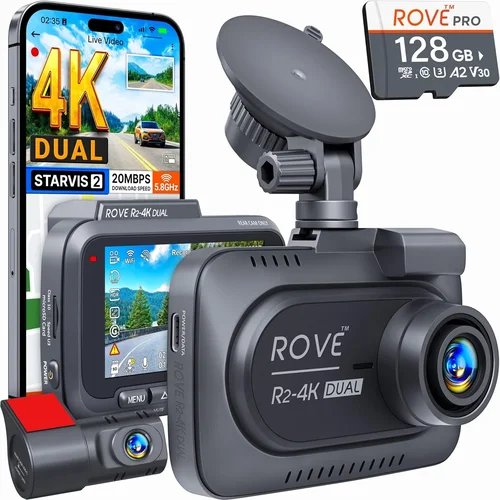
Look for cameras using Sony Starvis sensors rather than outdated CMOS chips—they deliver superior low-light performance crucial for nighttime recording. The sweet spot for most drivers is 1920×1080 at 60fps, which balances file size with detail retention. Some premium models push to 4K, though this often means reduced field of view or shorter loop recording times due to massive file sizes.
2. Field of View (FOV)
Field of view directly impacts what your camera captures—a wider angle provides more coverage but may introduce fish-eye distortion at edges. Most quality dash cams offer between 130°-150° horizontal FOV, giving excellent coverage without excessive warping. For dual-channel systems, front and rear lenses should have matching angles to avoid perspective mismatches when analyzing incidents.
Consider your typical driving conditions: city commuters benefit from wider angles catching pedestrians and cyclists, while highway travelers might prioritize longer range visibility. Avoid ultrawide claims exceeding 170°—these typically suffer from severe barrel distortion making license plate identification impossible.
3. Night Vision Capabilities
Nighttime recording remains one of the biggest challenges for dash cams due to limited light availability. Advanced models incorporate multiple technologies: infrared LEDs for ultra-dark environments, enhanced low-light sensors, and dynamic exposure adjustment algorithms. The Sony IMX series sensors excel here, maintaining usable footage even in pitch-black conditions.
Check if your chosen model includes proper night mode settings—some automatically boost brightness while others preserve color accuracy. Thermal imaging dash cams represent a premium option capturing heat signatures invisible to standard cameras, ideal for parking surveillance in dark garages or detecting intruders.
4. Storage Solutions & Loop Recording
Dash cams rely on microSD cards ranging from Class 10 to UHS-I/UHS-II standards. Minimum recommendation is 64GB for adequate daily recording, though 128GB+ becomes necessary for extended periods or high-bitrate 4K models. Always format cards within the camera before use—this ensures optimal compatibility and prevents corruption issues.
Loop recording continuously overwrites oldest files when storage fills, ensuring constant coverage without manual intervention. However, some advanced models feature event-triggered retention—locking important clips during hard braking or collision detection while still overwriting routine footage. Built-in flash memory offers temporary backup during unexpected power loss events.
5. Parking Mode Functionality
This feature proves invaluable for protecting against hit-and-runs or vandalism when your vehicle sits unattended. Motion-activated parking mode triggers recording upon detecting movement, while time-lapse modes conserve battery by taking periodic snapshots every few seconds. Hardwiring your dash cam eliminates battery drain concerns—most kits include fuse tap adapters for safe installation.
Advanced systems offer impact detection via built-in accelerometers, instantly activating recording when shocks exceed threshold levels. Cloud-connected models can send instant alerts to your phone when suspicious activity occurs, though these typically require monthly subscriptions for continuous monitoring.
6. Build Quality & Durability
Your dash cam faces extreme temperatures—from sub-zero winter mornings to scorching summer afternoons inside parked cars. Look for IP65-rated housings resistant to dust and water ingress, plus tempered glass lenses that withstand hail impacts better than plastic alternatives. Internal components must handle rapid temperature swings without malfunctioning.
Battery life varies significantly between portable models (2-3 hours) versus hardwired units running indefinitely. If choosing wireless options, consider extended battery packs or solar charging accessories for long-term parking protection. Mounts should securely attach to windshields without obstructing driver visibility—test adhesive strength before final placement.
7. Connectivity & Smartphone Integration
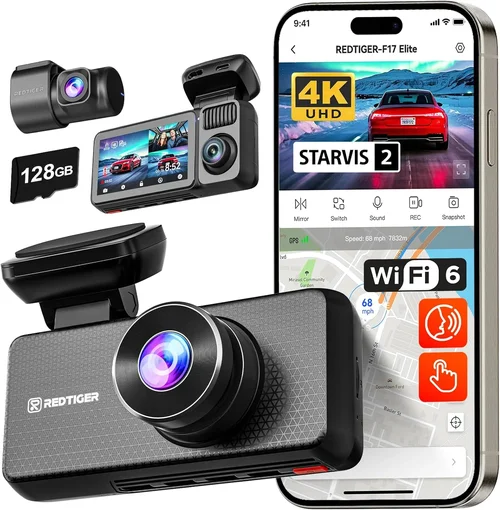
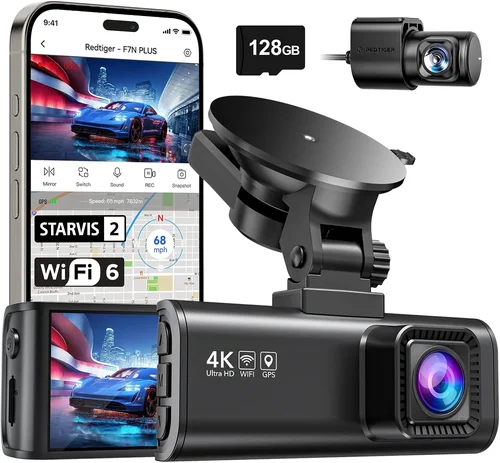
Modern dash cams increasingly feature Wi-Fi connectivity enabling direct smartphone pairing through companion apps. This allows instant clip sharing, live preview before installation, and convenient playback controls. Bluetooth support facilitates hands-free calling integration in compatible vehicles, while GPS tracking adds speed and location metadata to recordings.
Cloud storage represents another evolution—uploading critical footage automatically to secure servers protects against physical theft or tampering. Expect annual subscription fees ranging from $30-$100 depending on provider and included features like unlimited storage or remote viewing access.
8. Audio Capabilities
Binaural microphones capturing both cabin conversations and external sounds enhance evidence value during disputes. Noise reduction algorithms filter out wind rush and engine noise while preserving speech clarity. Discretionary audio recording laws vary by jurisdiction—research local regulations before enabling microphone functionality.
Some premium models include voice commands for hands-free operation, while others integrate with smart assistants like Alexa or Google Assistant for added convenience during navigation setups.
9. Installation Complexity
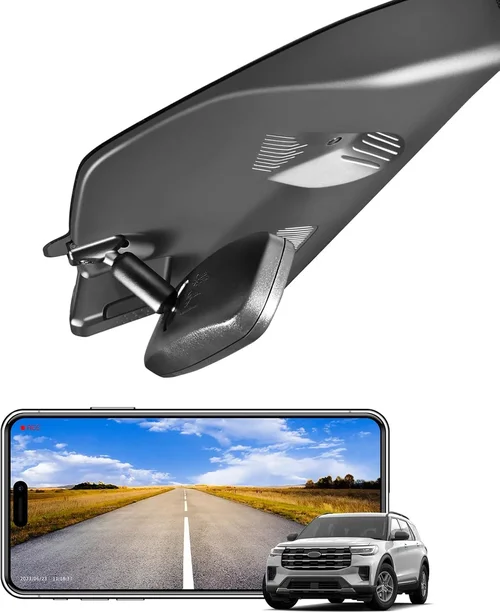
Professional-grade installations demand wiring expertise—hardwiring kits route power through fuse boxes safely without draining starter batteries overnight. DIY-friendly designs feature magnetic mounts or suction cups requiring minimal tools. Consider cable management solutions like adhesive clips or routing tapes to maintain clean interior aesthetics.
Dual-channel systems need additional rear camera installation, potentially requiring professional assistance for proper wiring and calibration. Wireless rear units simplify setup but may experience signal interference in certain vehicle environments.
10. Brand Reputation & Customer Support
Established manufacturers invest heavily in firmware updates, customer service responsiveness, and parts availability. Research user forums like Reddit’s r/dashcams for real-world experiences beyond marketing claims. Warranties covering hardware defects typically range 1-3 years, with premium brands offering extended protection plans.
Open-source firmware communities sometimes develop custom builds adding experimental features not available from official releases—proceed cautiously as these may void warranties or introduce instability.
Different Types of Dash Cams

Common Buying Mistakes to Avoid
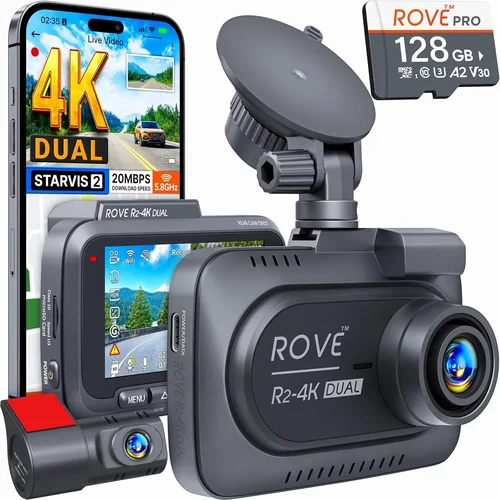
❌ Mistake: Ignoring Local Privacy Laws
Why it’s bad: Many drivers assume all dash cam audio recording is legal everywhere, but several countries and states prohibit capturing conversations without consent. In the EU, GDPR restrictions severely limit what personal data can be recorded, including faces and license plates in certain contexts. Even where legal, excessive audio pickup can violate workplace policies if used in company vehicles.
What to do instead: Research specific regulations in your region before purchase. Choose models with physical mute switches or disable audio entirely if unnecessary. Consider privacy-focused firmware like OpenHDVR that automatically blurs faces and plates unless manually overridden.
❌ Mistake: Overlooking Battery Drain Concerns
Why it’s bad: Portable dash cams rely on internal batteries that quickly deplete during extended parking mode usage. Without proper hardwiring knowledge, drivers accidentally leave headlights off while recording, draining car batteries overnight until the vehicle won’t start. Some cheaper models draw excessive current even when idle.
What to do instead: Always hardwire premium models or invest in proper fuse tap kits. For portables, limit parking mode to 8-hour segments or use smart battery protectors that cut off drawing after 10% capacity. Test your setup thoroughly before trusting it for extended periods.
❌ Mistake: Choosing Based Solely on Price
Why it’s bad: Ultra-budget options under $50 often feature poor sensors, lack GPS tracking, and come with flimsy mounts that detach easily. These may record acceptable daytime video but produce unusable grainy footage at night. Cheap Chinese brands frequently fail reliability tests and offer no meaningful warranty support.
What to do instead: Set minimum requirements first—resolution, FOV, and build quality—then compare within those parameters. The $120-$200 sweet spot typically delivers professional-grade performance without premium pricing. Read verified owner reviews focusing on longevity rather than initial impressions.
❌ Mistake: Neglecting Firmware Updates
Why it’s bad: Manufacturers regularly release firmware fixes improving stability, adding new features, or addressing security vulnerabilities. Ignoring updates leaves your device vulnerable to bugs causing dropped frames, failed recordings, or complete system crashes during critical moments.
What to do instead: Enable automatic update notifications through companion apps. Subscribe to manufacturer newsletters for release announcements. Maintain internet connectivity during initial setup to ensure baseline firmware is current.
❌ Mistake: Underestimating Storage Needs
Why it’s bad: High-bitrate 4K dash cams generate enormous files—a single minute could consume 200MB+. Assuming 64GB suffices leads to frequent full storage warnings mid-incident, forcing manual deletion of irrelevant clips. Without proper loop recording configuration, important evidence gets overwritten unexpectedly.
What to do instead: Calculate required capacity based on your driving patterns: urban commuters need less space than delivery drivers making multiple trips daily. Format cards monthly and verify loop settings allow sufficient buffer time before overwriting events.
❌ Mistake: Skipping Professional Installation
Why it’s bad: Poor cable routing creates rattling noises, obstructs airbags, or exposes wires to damage from door mechanisms. Incorrect fuse tapping risks blowing fuses or causing electrical fires. Dual-channel setups demand precise alignment between front/rear views—DIY attempts often result in skewed perspectives during analysis.
What to do instead: Budget $30-$75 for professional installation covering both camera mounting and hardwiring. Request demonstration of proper wire concealment techniques before approval. Verify installer understands your specific vehicle’s electrical architecture.
Budget Guidelines: How Much Should You Spend?
Entry-Level ($40 – $80): Basic Protection for Occasional Drivers
This tier suits drivers who occasionally want peace of mind without significant investment. Expect 1080p recording, basic motion detection, and simple loop recording. Brands like Apeman and Viofo offer reliable performers here, though features remain limited compared to higher-end models. Ideal for secondary vehicles or rental cars where permanent installation isn’t desired.
Key compromises include smaller fields of view (~120°), weaker night vision requiring artificial lighting, and lack of GPS or cloud connectivity. Storage demands stay manageable with 32-64GB cards. While functional for basic needs, these models struggle during challenging conditions like heavy rain or complete darkness.
Mid-Range ($120 – $250): Sweet Spot for Most Buyers
Representing the optimal balance between cost and capability, this category dominates professional recommendations. You’ll find dual-channel systems, superior Sony sensors, enhanced parking modes, and smartphone app integration. Thinkware U1000, Blackvue DR970X-2CH, and Garmin Dash Cam Mini 2 exemplify excellence here.
Features include 140-150° FOVs, HDR processing for balanced exposure, and robust build quality suitable for daily commutes. Most importantly, these models receive regular firmware updates ensuring continued reliability. The included accessories—proper mounts, cables, and installation guides—add value beyond raw specs.
Premium ($300 – $600): Enthusiast-Grade Performance
Targeting serious drivers and professionals requiring maximum fidelity, premium models deliver 4K recording, thermal imaging, or specialized security features. Blackvue DR900S-2CH and Nextbase iQ represent top contenders, offering cinematic video quality with advanced analytics.
Expect larger screens (3-5 inches), touch interfaces, and expanded cloud capabilities. While file sizes balloon dramatically, corresponding improvements in detail retention justify the expense for insurance claimants or fleet operators. Subscription costs apply for full cloud functionality, but offline operation remains completely free.
Luxury ($800+): Commercial-Grade Solutions
Reserved for high-risk occupations like rideshare drivers, taxi services, or construction site supervisors, luxury dash cams integrate multiple security layers. Thermal imaging detects people approaching vehicles at night, while AI-powered object classification distinguishes between animals and humans automatically.
These systems often include redundant storage arrays, military-grade enclosures rated for extreme temperatures, and enterprise management platforms controlling dozens of devices simultaneously. Monthly service contracts cover priority support, firmware customization, and predictive maintenance alerts.
Expert Tips for Getting the Best Deal
Timing your purchase around major shopping holidays maximizes savings opportunities. Black Friday/Cyber Monday consistently offer 20-30% discounts on mid-range dash cams, while Amazon Prime Day frequently includes bundle deals with extended warranties or extra accessories. Subscribe to retailer newsletters for exclusive promo codes unavailable elsewhere.
Compare prices across authorized sellers rather than relying solely on manufacturer websites. Authorized dealers sometimes offer price matching guarantees against competitors’ advertised rates. Third-party retailers like B&H Photo or Adorama provide free shipping and generous return windows, reducing risk when testing new models.
Watch for refurbished programs from reputable vendors. Certified pre-owned dash cams undergo thorough inspection and come with renewed warranties comparable to new units. Companies like Back Market specialize in high-quality refurbished electronics with transparent grading systems indicating cosmetic condition.
Consider multi-year upgrade cycles rather than chasing every minor spec improvement. Technology evolves rapidly, but core functionalities remain stable for 2-3 years. Focus spending on fundamental qualities like sensor quality and build durability rather than transient features like voice control or app ecosystems.
Join online communities like Reddit’s r/dashcams where members share deal alerts and personal experiences. Members often post unboxing videos demonstrating real-world performance, helping identify hidden flaws missed by marketing materials. Veteran users also reveal unofficial firmware hacks enhancing functionality beyond factory specifications.
When possible, test drive dash cams in-store before committing. Retail displays allow comparison between models side-by-side regarding screen usability, menu navigation, and overall build feel. Ask staff about current promotions or trade-in programs accepting old devices toward new purchases.
Verify warranty coverage details carefully. Some brands advertise “lifetime” warranties but exclude consumables like batteries or microSD cards. Physical damage from improper installation voids coverage regardless of fault. Register your product immediately to activate transferable warranties if selling later.

Frequently Asked Questions
Q: Do I really need a dash cam if I have car insurance?
A: While comprehensive coverage protects against theft and vandalism, dash cams provide independent verification during liability disputes where fault determination becomes contested. Insurance companies appreciate supporting evidence reducing claim processing time and potential fraud. Many providers even offer premium discounts for equipped vehicles, though this varies by insurer and policy type.
Q: Can dash cams record while driving and parked simultaneously?
A: Yes, advanced models feature separate power circuits allowing continuous recording regardless of ignition status. Parking mode activates only when the car is off, conserving battery through motion/impact detection or time-lapse sampling. Ensure your chosen system includes proper hardwiring to prevent battery drain during extended parking sessions.
Q: Are all microSD cards compatible with every dash cam?
A: Compatibility depends on supported formats and speed classes. Most modern dash cams require UHS-I cards formatted as exFAT for files over 4GB. Always check manufacturer specifications before purchasing—some 4K models need faster U3/V30 rated cards to handle large bitrates without dropped frames.
Q: Will a dash cam interfere with my car’s electronics?
A: Properly installed hardwired systems pose minimal risk when using correct fuse taps and following polarity guidelines. However, poorly routed cables near airbag deployment zones or incompatible voltage regulators may cause erratic behavior. Professional installers follow strict safety protocols avoiding critical systems like brake controls or steering column modules.
Q: How much footage should I expect per GB of storage?
A: At standard 1080p/30fps settings with moderate bitrates (~15 Mbps), expect approximately 20-30 minutes per GB. High-bitrate 4K recording reduces this to 5-10 minutes per GB. Urban drivers with frequent stops generate more footage than highway cruisers, necessitating larger storage capacities accordingly.
Q: Can I use a dash cam without removing it when renting?
A: Many portable models feature magnetic mounts or suction cups allowing quick removal without leaving residue. Check rental agreements regarding prohibited modifications—some landlords restrict windshield alterations. Temporary installations using approved adhesives usually comply with most lease terms.
Q: What happens if my dash cam runs out of battery while parked?
A: Without hardwiring, portable units shut down completely once depleted, losing recent footage. Advanced models retain last few minutes in volatile memory until powered back on. Always enable battery-saving modes limiting parking mode duration or installing smart protectors that disconnect below 10% capacity.
Q: Are dash cams legal in all countries?
A: Regulations vary widely—the US generally permits recording public roads, while European countries impose stricter rules about capturing private property or individuals. China requires special permits for commercial use. Research local laws thoroughly; some jurisdictions mandate visible signage informing subjects they’re being recorded.
Q: Should I choose wired or wireless rear cameras?
A: Wired connections provide stable, interference-free video transmission ideal for long-term reliability. Wireless systems offer easier installation flexibility but may experience signal degradation in metal-heavy vehicles or during adverse weather. Hybrid setups combining both approaches maximize coverage while minimizing weaknesses.
Q: How often should I replace my dash cam?
A: With proper care, most quality dash cams function reliably for 3-5 years before sensor degradation or component failure occurs. Monitor performance annually—noticeable graininess at night or frequent freezing indicates time for replacement. Keep receipts for extended warranties covering manufacturing defects beyond standard timeframes.
Our Final Recommendations
Best for Budget-Conscious Buyers: Viofo A119 v3 delivers exceptional value with its Sony STARVIS sensor providing clear nighttime footage, reliable loop recording, and surprisingly durable build quality. At under $100, it outperforms pricier competitors in low-light scenarios while maintaining essential features like GPS tracking and motion detection.
Best Overall Value: Thinkware U1000 stands out as the gold standard for discerning drivers wanting professional-grade performance without breaking the bank. Its dual-lens setup captures stunning 2K front and 1080p rear footage, while intelligent parking mode prevents false triggers through advanced algorithms. Regular firmware updates ensure continued innovation well beyond initial purchase.
Best Premium Option: Blackvue DR900S-2CH represents the pinnacle of consumer dash cam technology, offering true 4K resolution paired with exceptional dynamic range handling challenging lighting transitions. Integrated cloud connectivity enables instant incident reporting, while military-grade construction withstands extreme environmental conditions unmatched by rivals.
Best for Beginners: Garmin Dash Cam Mini 2 simplifies setup with intuitive controls and automatic updates, making it perfect for first-time users intimidated by complex menus. Compact design preserves driver visibility, while voice control integration works seamlessly with popular navigation systems commonly found in new vehicles.
Best for Advanced Users: Nextbase iQ provides cutting-edge AI-powered analytics distinguishing between relevant incidents and mundane occurrences automatically. Thermal imaging capability reveals hidden threats invisible to conventional cameras, while customizable alert zones focus attention exactly where needed most during extended parking surveillance.
Conclusion: Making the Right Choice
Selecting the optimal dash cam ultimately revolves around aligning features with your unique driving habits and risk profile. Casual weekend drivers benefit from basic protection, while daily commuters require robust reliability. Remember that technological advancement doesn’t always correlate with improved safety—simple, dependable systems often outperform flashy newcomers plagued by software bugs or premature failures.
Prioritize proven technologies over experimental gimmicks, invest in proper installation rather than cutting corners, and never underestimate the importance of regular maintenance like formatting storage cards or updating firmware. The goal isn’t simply capturing video—it’s creating trustworthy evidence that stands up under scrutiny when disputes inevitably arise.
Whether you choose entry-level affordability or premium sophistication, the peace of mind gained far outweighs initial costs. Armed with this comprehensive guide, you’re prepared to navigate today’s crowded marketplace confidently, knowing exactly what matters most during those critical split-second decisions behind the wheel. Your future self will thank you when facing insurance adjusters or legal proceedings armed with crystal-clear proof of what truly happened on the road.