Ultimate Car Dash Cam Buying Guide
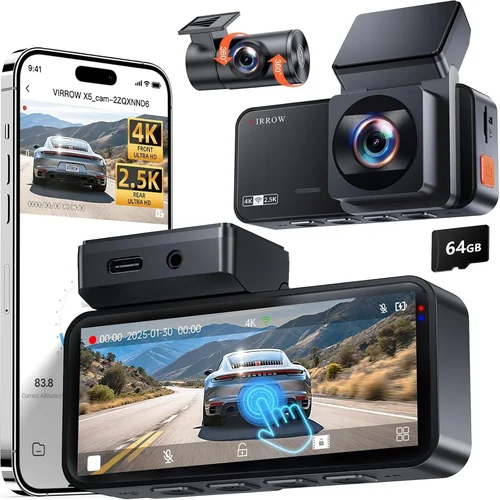
When it comes to protecting yourself on the road, a quality dash cam isn’t just a convenience—it’s a vital piece of automotive security. In Canada’s unique driving environment, with its long winter nights, unpredictable weather conditions, and variable road quality across different provinces, having reliable evidence can make all the difference in insurance claims, legal disputes, or simply providing peace of mind during daily commutes. This comprehensive buying guide is designed to help you navigate the complex world of Canadian dash cam options and find the perfect device that meets your specific needs, budget, and driving lifestyle.
You’ll learn how to evaluate technical specifications that matter most in Canadian conditions, understand the differences between various types of dash cams available in today’s market, discover common pitfalls that many buyers encounter, and get expert insights on where to find the best deals across Canadian retailers. Whether you’re a first-time buyer looking for basic protection or an experienced driver seeking advanced features like GPS tracking, parking surveillance, or emergency recording capabilities, this guide will walk you through every aspect of making an informed decision that will serve you well for years to come.
The dash cam market has evolved dramatically over recent years, with new models featuring improved night vision, enhanced image stabilization, cloud connectivity, and intelligent parking monitoring becoming increasingly accessible. However, with so many options available from both domestic and international brands, choosing the right one can be overwhelming. Our goal is to cut through the marketing jargon and technical complexity to provide you with practical, actionable information that considers Canada’s specific driving challenges and regulatory requirements.

What to Look for When Buying Dash Cams
1. Budget & Price Range
Determining your budget is often the first step in selecting the right dash cam, but it’s important to understand what you get at different price points. Entry-level models typically range from $80-$150 and offer essential recording capabilities with basic resolution and storage options. Mid-range devices ($150-$300) usually include enhanced features such as higher resolution sensors, better low-light performance, built-in GPS, and more robust build quality. Premium models ($300+) often feature professional-grade sensors, superior image stabilization, advanced parking monitoring, dual cameras, and cloud connectivity.
When establishing your budget, consider not just the initial purchase price but also ongoing costs like memory cards, replacement parts, and potential subscription fees for cloud services. Many Canadians find that investing 2-3 times more in a mid-range model provides significantly better value due to longer lifespan, fewer replacements needed, and superior performance in challenging Canadian weather conditions.
2. Performance Specifications
Resolution is arguably the most important performance factor, with Full HD (1920×1080) being the minimum recommended standard for clear evidence capture. Look for cameras that record at least 1080p with a high frame rate (30fps minimum, 60fps ideal) to ensure smooth video playback and better detail preservation during motion. Higher resolutions like 2K or 4K are available but may require larger storage capacity and could impact battery life or recording duration.
The sensor size and type significantly affect image quality, particularly in low-light conditions common during Canadian winters. CMOS sensors with good low-light sensitivity perform much better than older CCD models. Consider cameras with wide dynamic range (WDR) technology, which helps balance exposure when driving through tunnels, into bright sunlight, or in mixed lighting conditions frequently encountered on Canadian roads.
3. Build Quality & Durability
Canadian drivers face extreme temperature variations throughout the year, from -40°C in northern regions during winter to humid summer conditions that can exceed 30°C in southern areas. Your dash cam must withstand these conditions without malfunctioning or degrading image quality. Look for devices specifically rated for automotive use with operating temperature ranges that cover Canadian extremes.
Water and dust resistance ratings (IP codes) indicate how well the device can handle moisture and environmental contaminants. While most dash cams don’t require high IP ratings since they’re primarily interior-mounted, some models offer splash resistance that can be valuable in snowy conditions or when cleaning the windshield. Additionally, consider the build materials—metal housings generally outperform plastic ones in durability and heat dissipation.
4. Features & Functionality
Modern dash cams offer numerous features beyond basic recording. Emergency recording (G-sensor triggered) automatically saves important incidents that might otherwise be overwritten by continuous loops. Loop recording ensures you never lose footage by continuously recording and overwriting older files when storage is full.
GPS functionality provides valuable data including speed, location, and route information that can enhance your footage with timestamped position data. Some models also offer Wi-Fi connectivity for easy file transfer to smartphones and remote viewing capabilities. Parking mode with motion detection or time-lapse recording allows surveillance while your vehicle is unattended, though this feature often requires constant power connection.
Audio recording capability can be useful for capturing conversations or environmental sounds, though privacy laws vary by province and should be considered before enabling this feature. Advanced models may include lane departure warnings, forward collision alerts, or other ADAS features that add safety benefits beyond documentation purposes.
5. Brand Reputation
Established brands with good reputations typically offer better customer support, more reliable products, and longer warranty periods. Research brands that have been active in the Canadian market for several years and check their service center locations across the country. Brands known for dash cams include BlackVue, Thinkware, Garmin, Viofo, and Nextbase, though many smaller manufacturers also produce quality devices.
Check whether the brand offers local warranty service and if replacement parts are readily available. Some international brands may not have adequate support networks in Canada, making repairs or replacements difficult if issues arise. Reading user reviews from Canadian customers specifically can reveal how well a particular model performs in our unique climate and driving conditions.
6. Warranty & Support
A solid warranty demonstrates manufacturer confidence in their product and provides peace of mind. Most reputable dash cam manufacturers offer at least a two-year warranty, with some premium models providing three or even five years. Check what’s covered—some warranties only cover manufacturing defects while others include accidental damage.
Customer support responsiveness is crucial, especially if you encounter technical issues or need assistance setting up your device. Look for brands that offer multiple contact methods including phone, email, and live chat. Having access to English and French support is beneficial given Canada’s bilingual nature. Also verify if the warranty is transferable if you decide to sell the dash cam later.
7. Size & Portability
Dash cam size affects both visibility and space utilization inside your vehicle. Compact models (typically under 3 inches in length) are less obtrusive and easier to hide behind rearview mirrors, reducing visual distraction. Larger models may offer better cooling and larger displays but can interfere with mirror placement or create blind spots.
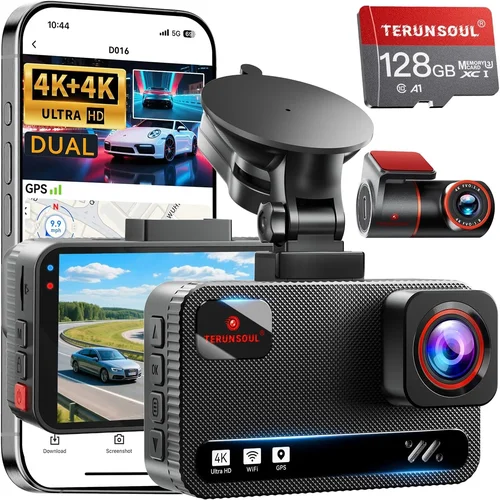
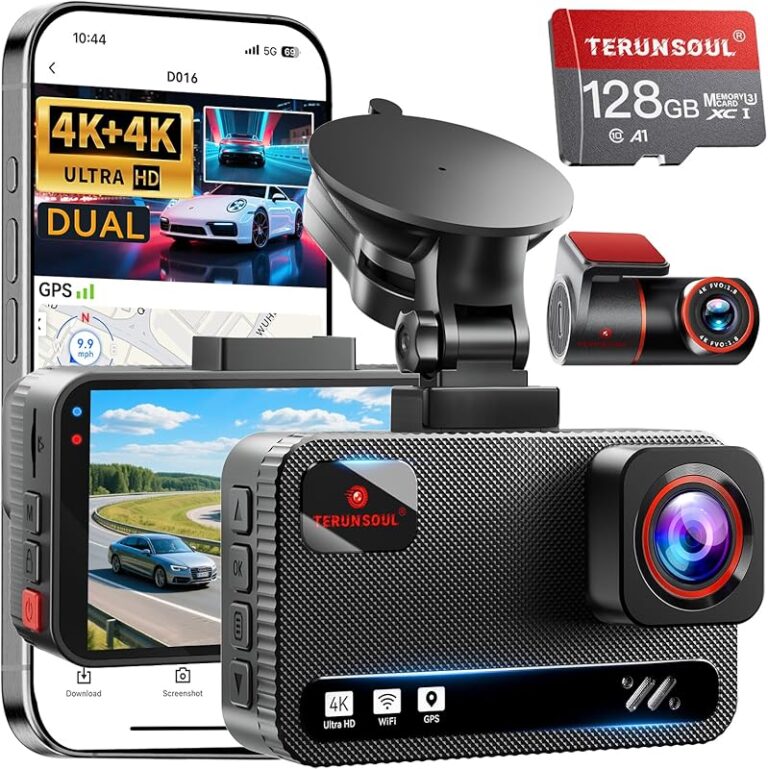
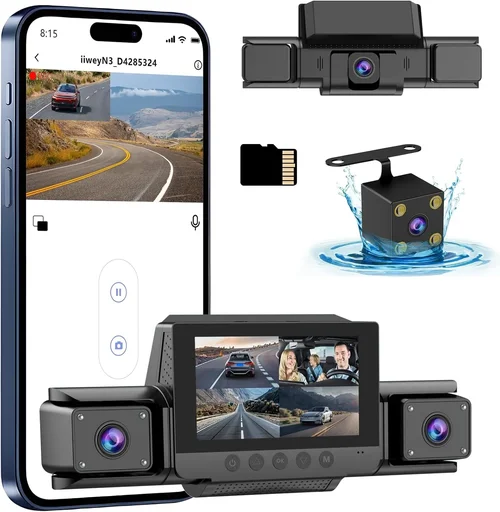
Consider whether you want a single camera or dual-camera setup. Single cameras mount to the windshield and record forward view only, while dual cameras include an interior-facing camera that captures passenger cabin activity—useful for ride-sharing or documenting interior incidents. Dual cameras take up more space and require additional power connections but provide comprehensive coverage.
8. User Reviews & Ratings
Real user experiences from Canadian drivers can reveal how well a particular model performs in our specific conditions. Pay attention to comments about winter performance, battery life in cold temperatures, ease of installation, and reliability over extended periods. Provincial forums and social media groups focused on Canadian driving can provide valuable insights from local users.
Look for consistent patterns in reviews rather than isolated complaints or glowing endorsements. Manufacturer websites often feature filtered positive reviews, so cross-reference with independent review sites and consumer reporting organizations. Pay special attention to comments about firmware updates, software usability, and compatibility with Canadian electrical systems and voltage requirements.
Different Types of Dash Cams

Common Buying Mistakes to Avoid
❌ Mistake: Ignoring Canadian Climate Conditions
Why it’s bad: Many buyers choose dash cams based solely on specifications without considering how they’ll perform in Canada’s extreme temperatures. Devices rated for mild climates may fail completely in winter conditions below -20°C or suffer permanent damage from summer heat buildup.
What to do instead: Always verify the operating temperature range specified by the manufacturer. Look for models specifically tested and rated for automotive use in harsh environments. Consider thermal management features like heat sinks or ventilation designs that help maintain optimal internal temperatures.
❌ Mistake: Choosing Based Solely on Resolution Alone
Why it’s bad: While high resolution looks impressive on paper, it doesn’t guarantee good image quality. A 4K camera with poor sensor quality or inadequate compression algorithms will produce grainy, unusable footage, especially in low light or fast-moving scenarios common on Canadian highways.
What to do instead: Evaluate overall image quality through sample videos and reviews rather than focusing exclusively on resolution numbers. Consider factors like sensor size, aperture (f-stop), bitrate, and compression technology. A 1080p camera with excellent low-light performance often serves Canadian drivers better than a 4K model with inferior optics.
❌ Mistake: Overlooking Storage Requirements
Why it’s bad: Assuming included storage is sufficient leads to premature footage loss when the card fills up. Many entry-level models ship with small microSD cards (8GB or 16GB) that quickly become overwhelmed by continuous recording, especially at higher resolutions or with advanced features enabled.
What to do instead: Calculate your storage needs based on expected usage patterns. For typical Canadian driving (mix of city and highway), plan for at least 32GB minimum, preferably 64GB or 128GB. Factor in loop recording settings—shorter recording segments require more frequent overwrites and thus larger cards to maintain adequate buffer time for emergency events.
❌ Mistake: Neglecting Power Supply Considerations
Why it’s bad: Poor power management causes unexpected shutdowns, failed recordings, or difficulty maintaining operation during cold starts. Using incompatible cables or improper installation methods can damage your vehicle’s electrical system or leave you without critical evidence when needed most.
What to do instead: Invest in proper hardwiring kits designed specifically for Canadian vehicles and voltage standards. Ensure your chosen dash cam includes appropriate fuse protection and consider models with built-in capacitors that maintain operation briefly during brownouts. Professional installation is recommended for complex wiring setups.
❌ Mistake: Focusing Only on Newest Models
Why it’s bad: The latest model often means higher price with marginal improvements over previous generations. New releases may also have untested reliability in real-world conditions and lack established firmware stability that older models enjoy after extensive field testing.
What to do instead: Wait 3-6 months after launch to allow early adopters’ experiences to surface through user reviews and manufacturer bug fixes. Consider certified refurbished models from authorized dealers if available—they often come with full warranty and significant savings while offering proven performance.
❌ Mistake: Ignoring Software Usability
Why it’s bad: Complex menus, unintuitive controls, or poor mobile app interfaces make regular use frustrating and may lead to disabled features or incorrect settings. If you can’t easily access footage or adjust settings when needed, even the most capable hardware becomes impractical.
What to do instead: Test the interface before purchasing if possible, either in-store or through detailed video reviews. Look for features like voice commands, simple button layouts, or smartphone integration that match your comfort level with technology. Consider whether you’ll need to transfer files frequently and plan accordingly.
Budget Guidelines: How Much Should You Spend?
Entry-Level ($80 – $150)
For budget-conscious buyers who want basic protection without breaking the bank, this price range offers functional dash cams that meet fundamental requirements. Expect Full HD recording with decent daytime performance, basic motion detection, and straightforward operation. These models typically include small built-in memory cards (8-16GB) and may lack advanced features like GPS or Wi-Fi connectivity.
While entry-level options won’t deliver stellar night vision or exceptional build quality, they provide adequate evidence capture for everyday incidents and minor accidents. Brands like Ewent, Rexing, and Koomus offer reliable performers in this category. Keep in mind that lower prices often mean shorter warranties (typically 6-12 months) and limited customer support, so research thoroughly before committing to any specific model.
Mid-Range ($150 – $300)
This sweet spot represents the majority of successful dash cam purchases among Canadian drivers. Mid-range models consistently deliver the best balance of features, performance, and value. You’ll typically find Full HD or 2K recording with improved low-light sensitivity, built-in GPS tracking, emergency recording capabilities, and more robust construction suitable for Canadian winters.
Devices in this category often include larger microSD cards (32GB+) and may offer optional accessories like wireless connectivity or additional mounting brackets. Popular choices include Thinkware F800 Pro, Viofo A119 V3, and BlackVue DR650GW-1CH, all of which have proven reliability across diverse Canadian driving conditions. The extended warranty periods (2-3 years) and responsive customer support common at this price point further justify the investment compared to cheaper alternatives.
Premium ($300 – $600)
Advanced drivers and professionals seeking superior performance will find excellent options in this upper-mid range. Premium dash cams typically feature 2K or 4K recording with exceptional image stabilization, industry-leading low-light performance, sophisticated parking monitoring systems, and comprehensive connectivity options including cloud storage and real-time streaming.
These devices often incorporate professional-grade sensors and processing chips that maintain clarity in challenging conditions. Additional features may include dual cameras, advanced ADAS warnings, voice control, and sophisticated event detection algorithms. While the price premium seems substantial, the enhanced evidence quality, reliability, and future-proofing justify the cost for serious users who depend on their dash cam for safety or business purposes.
Luxury ($600+)
At the top end of the market, luxury dash cams represent specialized equipment for commercial fleets, security professionals, or enthusiasts willing to pay for absolute best-in-class performance. These systems often include multiple cameras with overlapping fields of view, AI-powered object recognition, encrypted cloud storage with automatic backup, and integration with vehicle telematics systems.
While individual consumers rarely need this level of sophistication, fleet managers, ride-share operators, or security consultants may find these investments worthwhile for operational efficiency and comprehensive coverage. Luxury models typically come with concierge-level support, extended warranties (up to 5 years), and guaranteed availability of replacement parts regardless of production status.
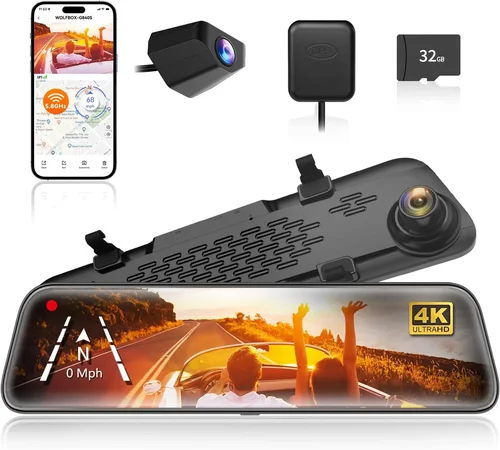
Expert Tips for Getting the Best Deal
Consider seasonal demand patterns—spring and fall see higher dash cam sales as drivers prepare for changing weather conditions. Avoid buying immediately after major model releases unless you specifically want the latest technology. Instead, wait for the “prime time” window when retailers have cleared inventory and new models have been released, creating opportunities for discounted older stock.
Compare prices across multiple Canadian retailers including online marketplaces (Amazon.ca, Newegg.ca), electronics stores (Best Buy, The Source), and automotive specialty shops (Canadian Tire, Pep Boys). Don’t forget to factor in shipping costs, return policies, and warranty transferability when calculating true value. Some stores offer bundle deals including installation services or extended warranties that can save significant money.
Watch for flash sales and limited-time promotions announced through manufacturer newsletters or retailer loyalty programs. Sign up for price drop alerts on comparison shopping sites like Google Shopping or Honey to automatically notify you when your desired model drops below a set threshold. Remember that some online retailers offer better pricing than physical stores due to lower overhead costs.
Always verify warranty terms and coverage details before completing your purchase. Ask about international warranty validity if ordering online from foreign sellers, and confirm whether repair services are available in your region. Some manufacturers require original packaging or proof of purchase for warranty claims, so keep all documentation carefully organized.
Test drive the product if possible by visiting authorized dealer locations or borrowing from friends. Many retailers allow returns within 14-30 days for testing purposes, giving you time to assess real-world performance in your specific vehicle and driving conditions. Pay particular attention to how the unit handles extreme temperatures during testing—try it in both hot and cold environments if feasible.

Frequently Asked Questions
Q: Do I really need a dash cam in Canada?
A: While not legally required, dash cams provide invaluable protection against false claims, insurance fraud, and traffic violations. In Canada’s litigious environment and with rising insurance premiums, having documented evidence can significantly strengthen your position during disputes or claims. Many Canadian drivers find the peace of mind worth the modest investment, especially those living in urban areas with higher incident rates.
Q: What’s the best resolution for Canadian driving conditions?
A: For most Canadian drivers, Full HD (1920×1080) at 30fps provides the optimal balance between file size, storage requirements, and image quality. This resolution captures sufficient detail for license plates, vehicle descriptions, and road conditions while maintaining reasonable storage capacity for extended recording. Higher resolutions like 2K or 4K are beneficial for highway driving but require larger storage cards and faster write speeds to avoid dropped frames during high-speed events.
Q: How long should my dash cam record continuously?
A: Standard practice is to record in 3-minute segments, which provides adequate buffer time for emergency events while managing storage efficiently. Shorter segments (1-2 minutes) preserve more recent footage but reduce buffer capacity, while longer segments (5+ minutes) consume storage more slowly but may overwrite important pre-event footage. Adjust based on your typical driving patterns and storage capacity—urban drivers with frequent stops may benefit from slightly shorter segments.
Q: Can dash cams work in extreme Canadian weather?
A: Yes, but selection matters greatly. Choose dash cams specifically rated for automotive use with operating temperatures covering -20°C to +70°C. Look for models with sealed housings resistant to condensation and fogging, as rapid temperature changes between cold winters and warm summers create humidity challenges. Thermal management features like heat sinks or ventilation designs help maintain optimal internal temperatures during extreme conditions.
Q: Is parking mode safe for my car’s battery?
A: Modern dash cams include intelligent power management to minimize drain. True parking modes only activate when connected to a hardwired power source via a dedicated fuse tap, drawing minimal current (typically under 100mA). Avoid using cigarette lighter adapters for parking mode as they may drain your battery overnight. Consider models with adjustable sensitivity settings to prevent false triggers from passing animals or moving shadows.
Q: How do I handle winter maintenance of my dash cam?
A: During winter months, remove the microSD card periodically to prevent corruption from extreme cold and condensation buildup. Clean the lens gently with compressed air or microfiber cloth to remove salt residue and ice crystals. Ensure proper ventilation around the unit to prevent internal condensation when returning to warmer garage temperatures. Some drivers temporarily disable parking mode during severe storms to conserve battery and prevent false triggers from falling snow.
Q: What storage capacity do I need for Canadian driving?
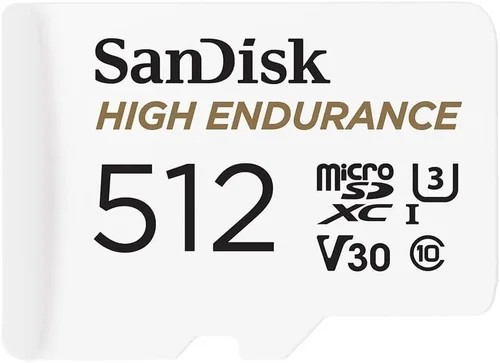
A: For typical mixed driving (city and highway), plan for at least 64GB of storage, which supports approximately 8-10 hours of Full HD recording at 3-minute segments. Urban drivers with frequent stops may need 128GB or more to accommodate shorter recording windows and higher event frequency. Always purchase high-quality Class 10 or UHS-I microSD cards from reputable brands to ensure reliable write speeds and longevity under continuous write cycles.
Q: Are there any legal considerations for dash cams in Canada?
A: Privacy laws vary by province regarding audio recording. British Columbia, Quebec, and Prince Edward Island prohibit unauthorized audio recording of private conversations. If you plan to use audio features, familiarize yourself with your province’s regulations and consider disabling microphone input when not needed. Always ensure your dash cam is securely mounted and doesn’t obstruct the driver’s view or create safety hazards.
Q: How do I choose between single and dual camera systems?
A: Single cameras mount to your windshield and record only the forward view—ideal for most personal vehicles. Dual cameras include an additional interior-facing camera that captures passenger cabin activity, useful for ride-sharing services, protecting valuables, or documenting interior incidents. Dual systems require more power connections and occupy additional dashboard space but provide comprehensive coverage for both exterior and interior scenarios.
Q: What should I look for in a Canadian warranty?
A: Seek warranties covering at least 2 years with clear terms about coverage scope and claim procedures. Verify whether the warranty is transferable if selling the vehicle, and confirm local service availability across Canadian provinces. Prefer brands with dedicated Canadian customer support teams and readily available replacement parts. Read fine print carefully—some warranties exclude certain failure modes or require original packaging for claims.
Our Final Recommendations
For budget-conscious buyers seeking reliable basic protection, the Ewent EW2727 offers excellent value with Full HD recording, motion detection, and straightforward operation at an affordable price point. Its compact design fits discreetly behind most rearview mirrors, and the included 16GB microSD card provides adequate initial storage for testing and evaluation.
If you’re ready to invest in better performance and features, the Thinkware F800 Pro represents the gold standard for mid-range dash cams in Canada. With superior low-light performance, reliable GPS tracking, and robust build quality that handles winter conditions well, this model consistently ranks among the most trusted options chosen by Canadian drivers who want dependable evidence capture without excessive complexity.
For tech enthusiasts wanting cutting-edge capabilities, the BlackVue DR650GW-1CH delivers professional-grade performance with cloud connectivity, superior image stabilization, and advanced parking monitoring. While pricier, its reliability and feature set make it worth considering for drivers who prioritize comprehensive protection and smart functionality above all else.
Beginners should start with the Viofo A119 V3, which balances ease of use with respectable performance. Its intuitive interface, reliable recording quality, and competitive pricing make it an excellent introduction to dash cam technology without overwhelming new users with unnecessary complexity.
Advanced users requiring maximum coverage and analytics will appreciate the Nextbase 622GW with its impressive 4K recording, built-in Wi-Fi, and comprehensive parking monitoring features. The dual-channel option provides interior recording capability, making it suitable for both personal and light commercial applications where complete situational awareness is critical.
Conclusion: Making the Right Choice
Choosing the best dash cam for your Canadian vehicle ultimately depends on balancing your specific needs against budget constraints while considering our unique driving conditions and climate challenges. No single model fits every situation perfectly, but by carefully evaluating the factors outlined in this guide—including performance specifications, build quality, feature sets, and long-term value—you can make an informed decision that will serve you reliably for years to come.
Remember that the most expensive option isn’t always the best choice, nor is the cheapest model necessarily inadequate. Focus on finding the right combination of resolution, storage capacity, temperature tolerance, and user-friendly operation that aligns with your driving habits and financial situation. Prioritize proven reliability over flashy new features, and don’t overlook the importance of proper installation and maintenance.
As you move forward with your purchase, take advantage of Canadian retailers’ generous return policies to test your chosen dash cam in real-world conditions before committing fully. Consider joining online communities of Canadian dash cam users to share experiences and learn from others facing similar challenges in our vast and varied landscape. With careful consideration and the right equipment, your dash cam will become an invaluable tool for protection, peace of mind, and responsible driving across all seasons and provinces.